Window Handles with Locks: Security Benefits Explained
Window handles with locks provide a simple yet highly effective upgrade to home security, combining everyday functionality with added protection against un...
Window handles with locks provide a simple yet highly effective upgrade to home security, combining everyday functionality with added protection against unauthorised entry. For homeowners and tradespeople, understanding the different types of locking handles, where to fit them and how to maintain them ensures better security performance and compliance with best practice standards.
How locking window handles improve security
A locking window handle reduces vulnerability in two key ways: it secures the window in the closed position to resist forced entry, and it can restrict opening to prevent opportunistic access. Even on modern multi-point locking windows, a dedicated handle lock adds another layer of deterrence and delay for an intruder, which is often enough to prevent a break-in.
Common locking actions include key-operated locks, push-button locks and europrofile thumbturns. Each offers varying levels of convenience and security: key locks provide control over who can open the window, while push-button and thumbturn locks offer quick locking without keys.
Types of window handles with locks
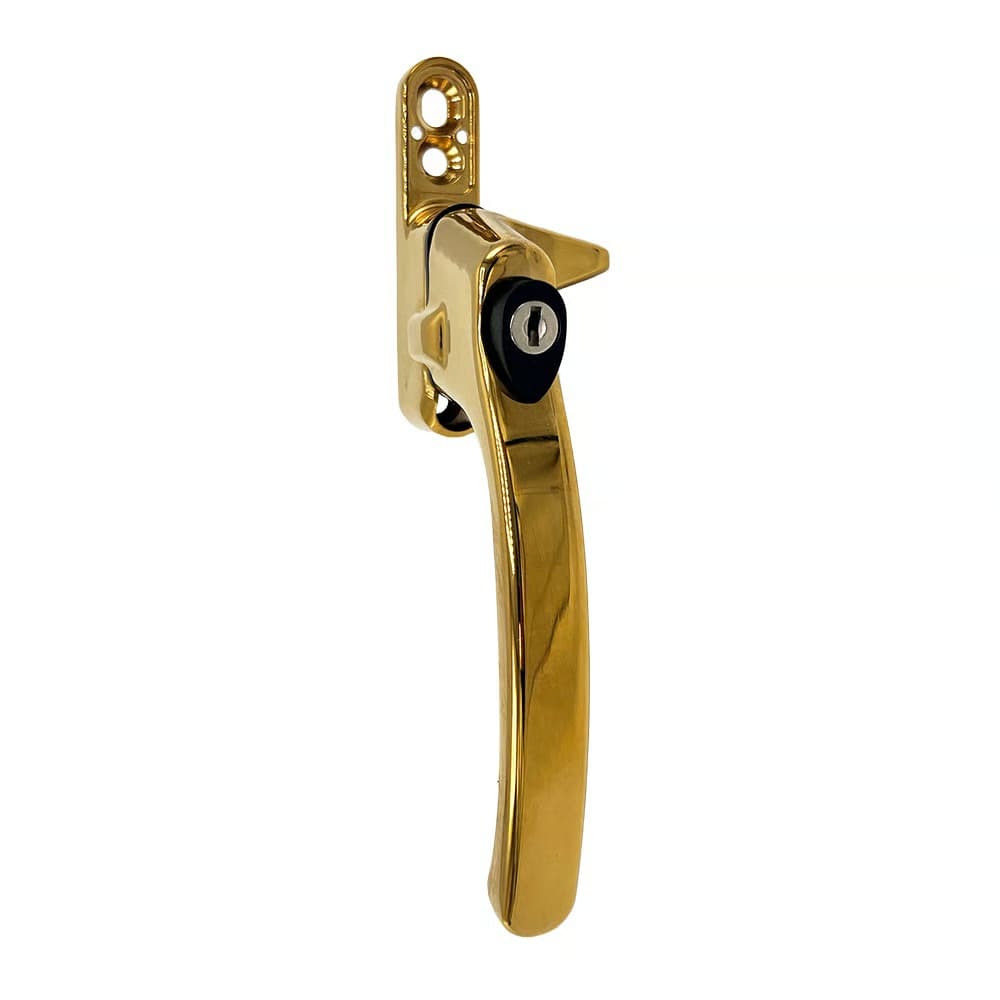
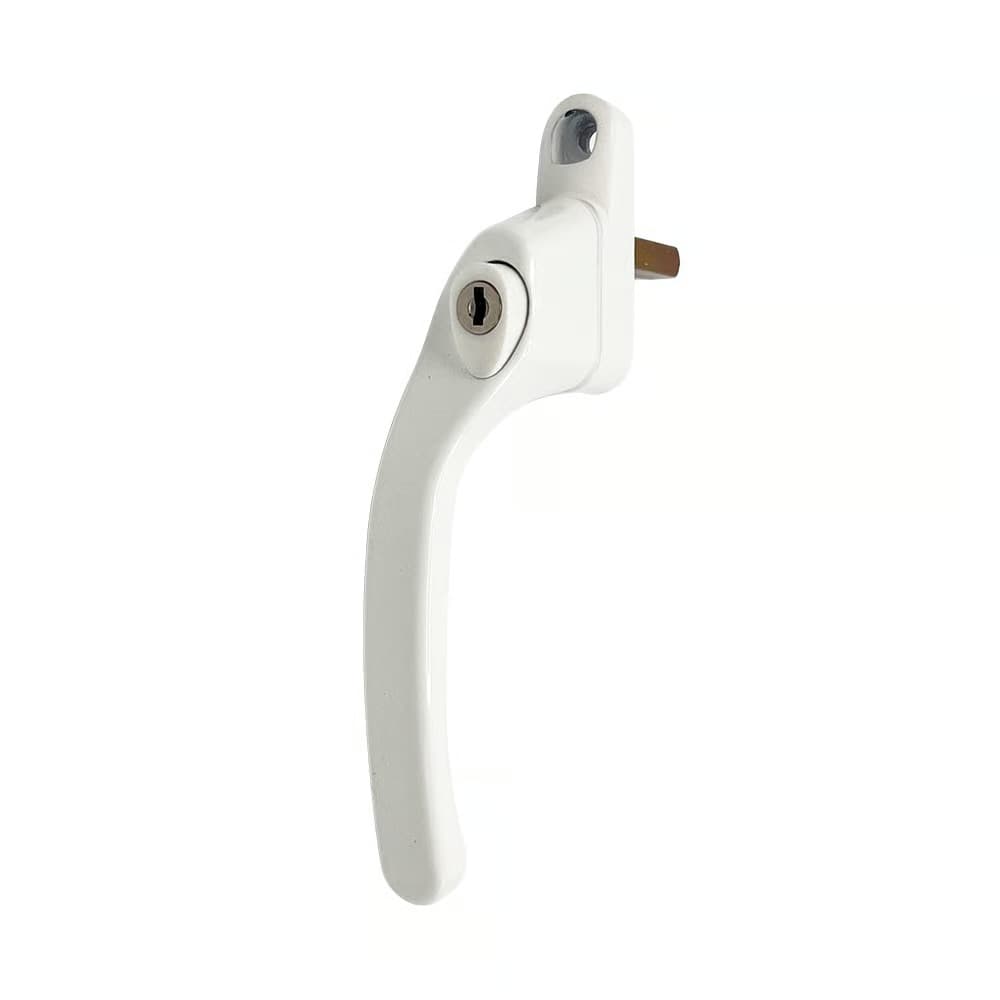
- Espagnolette (espag) handles: Typically used on uPVC and aluminium windows, espag handles operate a locking rod or mechanism built into the window edge. The TSS Cockspur Window Handles is an example of a handle designed for robust multi-point connections and secure engagement with locking keeps.
- Cockspur handles: Common on older casement windows, cockspur handles latch onto an external keep and are straightforward to retrofit. The TSS Cockspur Window Handle suits traditional installations and can be supplied keyed or with a push-button.
- Keyed keyed-lock handles: These are often used where children’s safety or secure ventilation is required. A representative product is the TSS Offset UPVC Window Handles, offering a balance of security and aesthetic compatibility with modern frames.
Where to fit locking handles for best effect
- Ground-floor and accessible windows should always have a locking handle. These are the most vulnerable to forced entry.
- First-floor windows that are easy to access from external structures such as flat roofs, drains or balconies also benefit from locks.
- Basements and cellar windows are often overlooked; a locking handle helps protect these below-ground openings.
- Consider fitting locks to windows that open onto communal areas or isolated garden spaces where detection is less likely.
Choosing the right specification
- Material and finish: Stainless steel and zinc alloys offer good corrosion resistance in exposed locations. Match finish to the window hardware for aesthetic consistency.
- Locking mechanism: Key-operated locks are best where strict control is required. Push-button or thumbturn options suit family homes where ease of use is important.
- Compliance and standards: Use handles that meet relevant British Standards and Secured by Design principles where possible, particularly on new-build or renovation projects seeking accreditation.
- Cylinder quality: For keyed handles, choose high-quality cylinders to resist snapping and drilling. Anti-snap cylinders should be considered for enhanced protection.
- Fitting compatibility: Check spindle length and fixing centres to ensure the handle suits the existing window preparation; some modern espagnolette handles require specific gearbox interfaces.
Practical installation and retrofit advice
- Pre-installation checks: Inspect the window frame, hinges and keeps for wear. Replacing a handle alone will not secure a rotten or distorted frame.
- Measured replacement: Measure handle backset, spindle length and screw centres. Manufacturers often publish detailed templates to avoid incorrect drilling.
- Drilling and fixings: Use corrosion-resistant screws and avoid over-tightening; this can distort the handle and impede lock operation.
- Weatherproofing: For external handles, ensure seal integrity around fixings to prevent water ingress into the frame.
- Professional fitting for complex systems: Tradespeople should fit multi-point espag systems and replace internal gearing where necessary to maintain security performance.
Maintenance for continued performance
- Regular operation: Lock and unlock handles monthly to prevent seizing and to check for smooth engagement.
- Lubrication: Apply a light spray of graphite or dry PTFE lubricant to key cylinders and moving parts annually; avoid oil-based lubricants that attract grit.
- Inspect keeps and striker plates: Loose keeps reduce locking effectiveness. Tighten or replace fixings and ensure alignment with the handle’s latch.
- Replace worn components promptly: A handle that wobbles or a key that grinds indicates wear and should be addressed without delay.
Child safety and ventilation
Locking handles can be fitted to allow restricted opening for ventilation while preventing full access. Select locks that provide incremental opening positions or child-safe restrictors where required. For homes with young children, consider handles that can be locked out of reach or operated with a key stored safely by adults.
Common pitfalls to avoid
- Fitting a lock to a weak frame: Security must be holistic; locks on compromised frames offer limited benefit.
- Ignoring maintenance: Corrosion and stiffness reduce effectiveness; a maintained locking handle is far more secure than a new, neglected one.
- Mismatching parts: Using non-compatible handles with existing espag gearboxes or keeps can prevent full lock engagement.
Final considerations
Window handles with locks are a cost-effective security upgrade that combines convenience with deterrence. Select the appropriate type for the window material and location, ensure correct installation and conduct routine maintenance for lasting protection. Tradespeople should verify compatibility and align with building security standards during installation to maximise performance.
Related Reading
Explore more guides on related topics:
Part of our guide:
Complete Guide to Window Handles