uPVC Window Handles Replacement: A Practical Guide
uPVC windows rely on robust, correctly fitted handles for security, weather performance and smooth operation. Worn or broken handles are a common cause of...
uPVC windows rely on robust, correctly fitted handles for security, weather performance and smooth operation. Worn or broken handles are a common cause of difficult-to-operate windows and can compromise locking. This practical guide explains how to assess, select and fit replacement handles for uPVC windows, offering clear, actionable steps for homeowners and tradespeople to achieve a professional finish.
When to replace a uPVC window handle
Common signs that warrant uPVC window handles replacement include:
- Excessive play or wobble in the handle spindle.
- Difficulty engaging the locking position or the handle slips out of the lock.
- Visible corrosion, stripped screw holes or cracked handle moulding.
- Misalignment between handle and espagnolette or cockspur mechanism.
Choosing the correct replacement handle
Select a handle that matches the window's operating mechanism, spindle size and screw hole spacing. Key considerations:
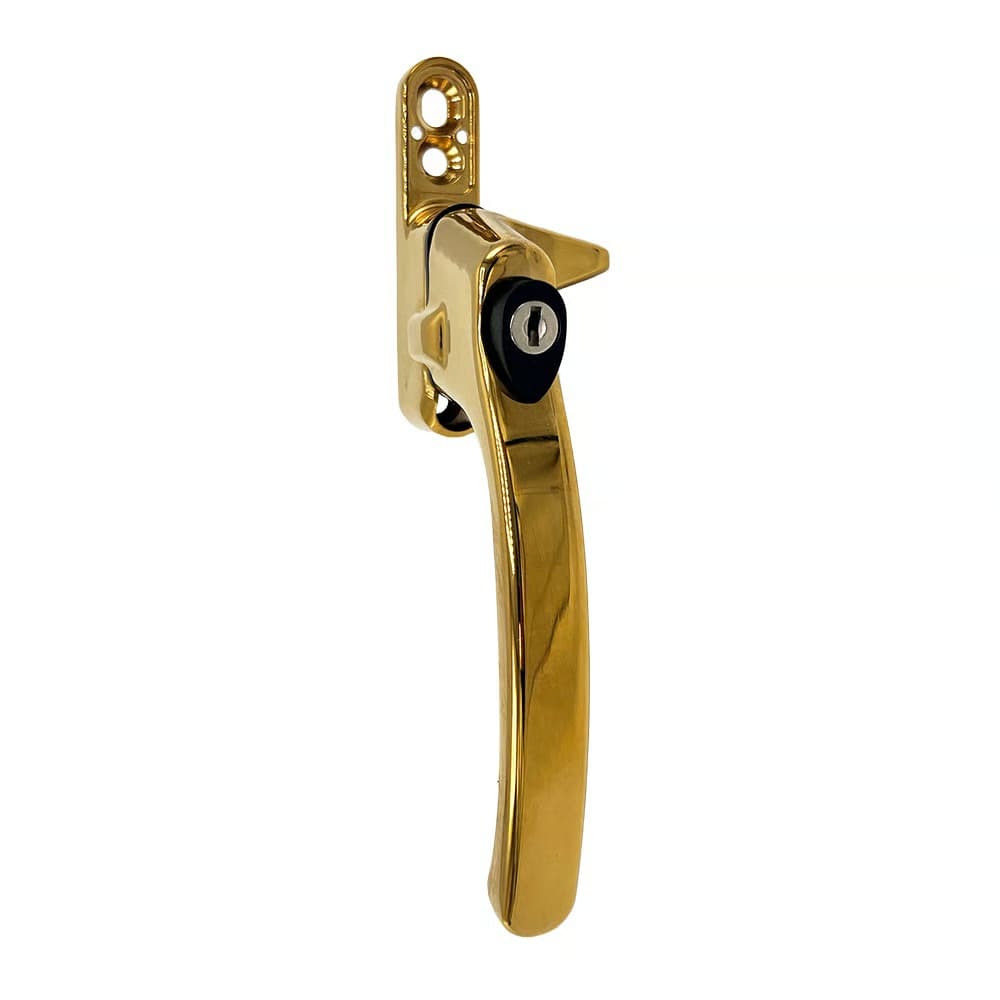
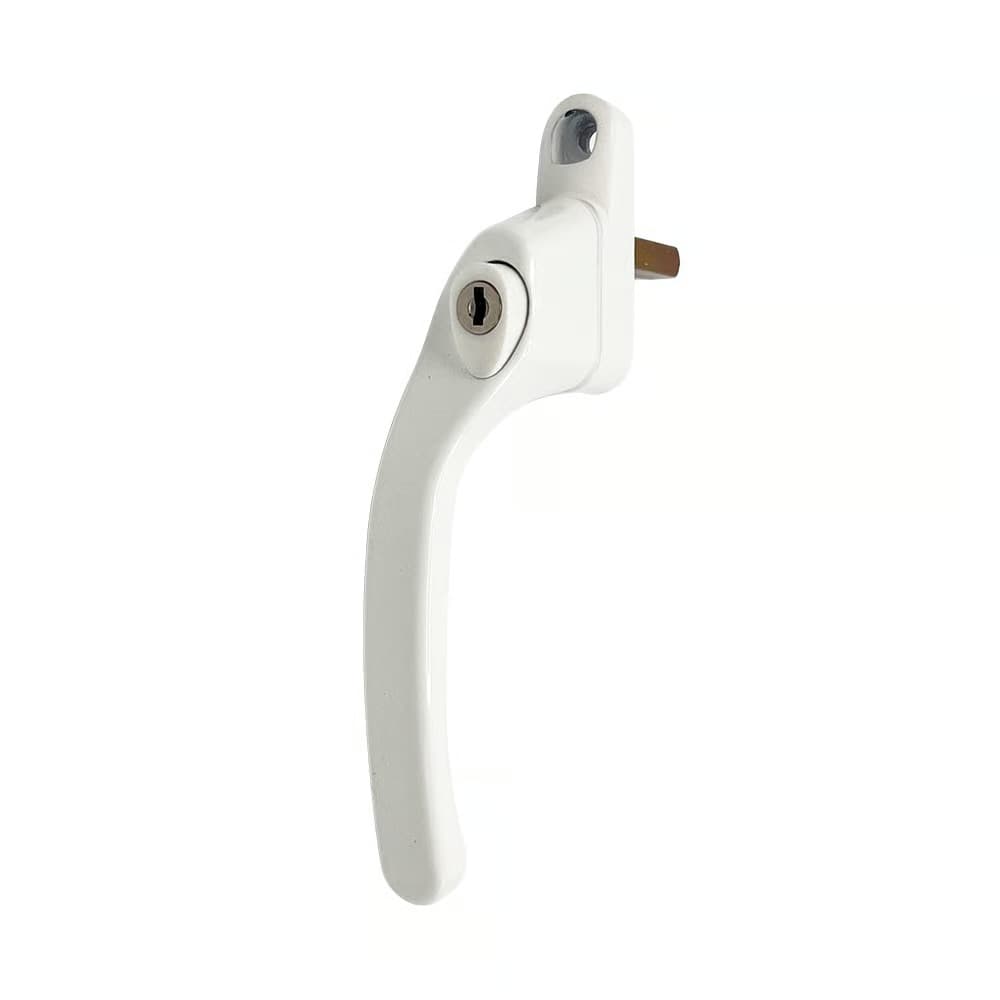
- Mechanism type: espagnolette (multi-point), cockspur or centre-lock. An espag handle fits onto an espagnolette gear; a cockspur handle is used with surface-mounted hardware.
- Spindle size and length: common spindles are 7mm or 8mm square; measure across flats and overall length to ensure proper engagement.
- Fixing centres: measure the distance between the screw holes on the handle backplate to match new handle centres.
- Handing and orientation: determine LH or RH handing based on handle position and rotation; many replacement handles are non-handed but some designs and lever directions vary.
- Finish and corrosion resistance: choose a finish that suits the window and resists coastal corrosion.
Tools and materials required
Essential tools for a typical replacement:
- Cross-head and flat-head screwdrivers
- Tape measure and vernier calipers for spindle measurement
- Replacement handle with matching spindle and fixings
- Fixing screws (usually supplied, but keep spares)
- Lubricant (light machine oil or silicone spray)
- Small file or emery paper to tidy up screw holes
- Masking tape to prevent scratching
Step-by-step replacement procedure
1. Preparation: Open the window and place a cloth beneath to protect the sill. For safety, support the sash to prevent it closing during work. 2. Remove the old handle: Unscrew the fixing screws from the backplate or rose. Slide the handle off the spindle. Retain any grub screws or adapters for measurement. 3. Inspect the mechanism: With the handle removed, cycle the locking mechanism using pliers on the spindle. Check for smooth operation, worn gearbox teeth or damaged keeps. 4. Measure for the new handle: Measure spindle thickness and length, and the fixing hole centres. If the spindle is rounded or damaged, replace it or use an adapter sleeve. 5. Fit the new handle: Slide the replacement handle onto the spindle. Align the handle backplate and insert screws but do not fully tighten. 6. Check function: Operate the handle through full travel to ensure the gearbox engages smoothly and locks securely. Adjust spindle length or handle position if necessary. 7. Final fixings: When operation is correct, fully tighten screws without over-torquing to avoid crushing the uPVC. Wipe away any debris. 8. Lubrication and finish: Apply light lubricant to moving parts and check the outer face for scuffs. Test lock operation with the key if applicable.
For cockspur handles, ensure the spur aligns with the keep and that the handle clamps the opposing sash correctly. For espag handles, check that the handle fully engages the multi-point lock by turning through the full 90 degrees.
Common problems and how to resolve them
- Handle tight or stiff after fitting: Loosen fixings slightly and re-align. Tightening onto an angled spindle can bind the mechanism.
- Handle slips when locked: Often caused by a worn spindle or internal gearbox. Replace the handle and spindle together; if the problem persists, the espagnolette rod may be worn.
- Stripped screw holes: Use a slightly larger screw or insert a plastic dowel to restore purchase, taking care not to over-drill the uPVC.
- Cosmetic mismatch: Use fillers designed for uPVC to cover minor gouges; for larger damage replace the backplate or consider sash refurbishment.
Security and compliance considerations
Ensure replacement handles meet the required security standards for the property. Handles with integral locks or anti-slam features add security. Confirm that any replacement does not interfere with child safety hardware or building regs for escape windows. For rental properties, retain documentation about the replacement for compliance and landlord records.
Maintenance tips to extend handle life
- Clean regularly with mild detergent and a soft cloth to remove dirt and grit.
- Lubricate moving parts annually with a light oil or silicone spray.
- Avoid using excessive force; investigate stiffness promptly to prevent internal damage.
- For coastal properties, choose corrosion-resistant finishes and inspect more frequently.
Further reading and purchase options for compatible handles and accessories can be found in the comprehensive Window Handles Guide.
Related Reading
Explore more guides on related topics:
Part of our guide:
Complete Guide to Window Handles