uPVC Replacement Window Handles with Locks: Security Options
uPVC replacement window handles with locks are a straightforward, cost-effective way to improve home security while maintaining smooth operation of casemen...
uPVC replacement window handles with locks are a straightforward, cost-effective way to improve home security while maintaining smooth operation of casement and tilt-and-turn windows. Whether replacing damaged fittings or upgrading to a more secure option, choosing the correct handle type, lock mechanism and fixing method ensures long-term reliability and compliance with insurance requirements. This guide outlines practical options, fitting considerations and maintenance tips for homeowners and tradespeople.
Types of uPVC replacement window handles
Selecting the correct handle depends on the window type and desired security level.
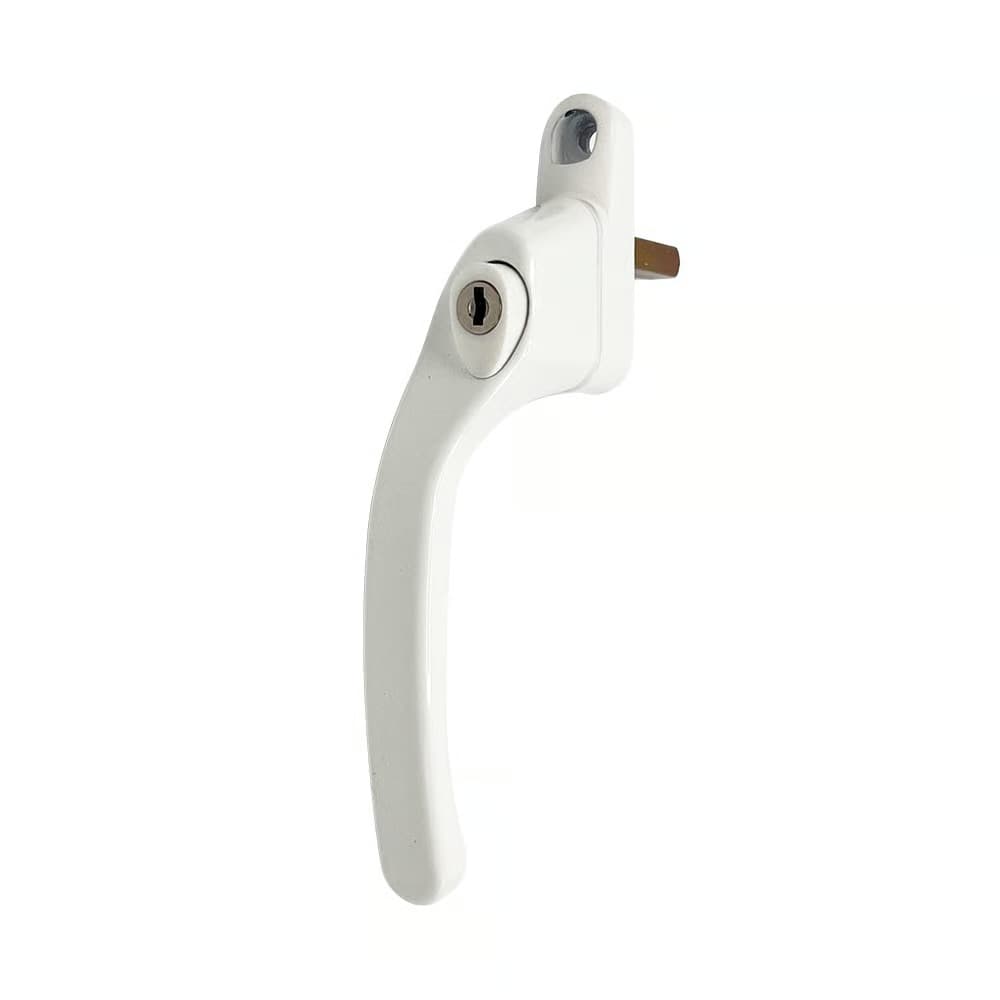
- Espag (espagnolette) handles: Common on modern uPVC casement windows, espag handles operate a multi-point locking gear within the frame. They typically require a square drive spindle and are ideal when the locking mechanism engages with an espagnolette shootbolt. A high-security option is the TSS Cockspur Window Handles, which features robust internal components and anti-snap properties for improved resistance to forced entry.
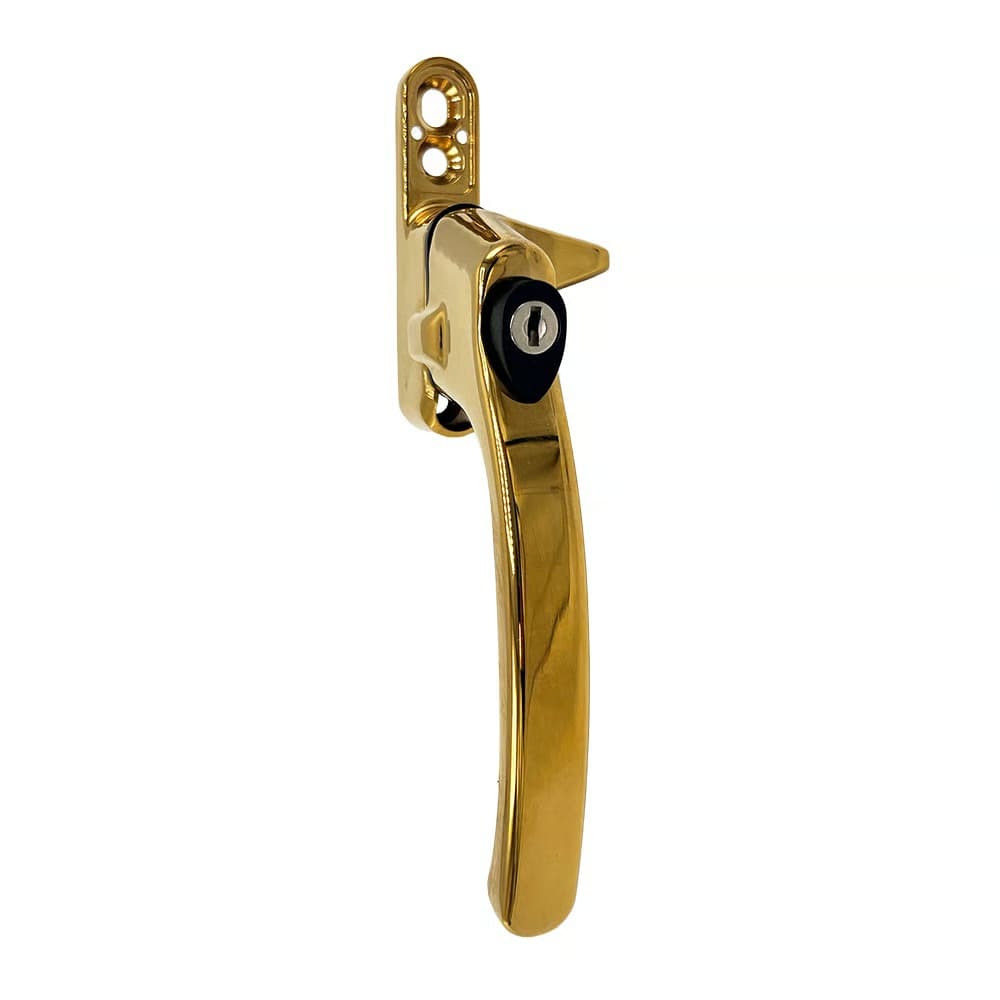
- Cockspur handles: Suited to older or simpler casement windows that use a cockspur latch, these handles latch directly onto the frame without a spindle. The TSS Cockspur Window Handle provides a reliable replacement for traditional fittings and is available with lever or pad options.
- Lockable window handles: Many handles include an integral lock that prevents operation from inside and blocks levering from outside. The TSS Offset UPVC Window Handles offers a balance of durability and keyed security for homes requiring an additional deterrent.
Security features to consider
When specifying replacement handles, focus on measurable security features rather than style alone.
- Keyed vs. push-button locks: Keyed locks provide a higher level of security as they cannot be released without the correct key. Push-button locks offer convenience but can sometimes be defeated by determined intruders. For ground-floor rooms or easily accessible windows, opt for keyed handles.
- Anti-snap and reinforced spindles: Handles with reinforced spindles and anti-snap designs reduce the risk of the spindle or handle being severed during an attack. This is especially important for espag handles that transmit force into the locking mechanism.
- Multi-point engagement: For espag systems, ensure the handle works with a full espagnolette gear that engages multiple locking points. That spreads the load across several shootbolts and makes the window harder to force open.
- Compliance and insurance: Check that the replacement handle meets relevant standards or insurer requirements. Some insurers request locks with specific ratings or branded security features. Retain product receipts and specification sheets as proof for future claims.
Practical fitting advice for tradespeople and competent DIYers
Correct fitting ensures both security and smooth operation. Tradespeople should follow manufacturers’ instructions; competent homeowners can also perform straightforward replacements if comfortable with basic tools.
- Measure before purchasing: Record spindle length, screw hole centres and handing. Typical spindle lengths are 35mm, 40mm and 45mm, but measure existing hardware rather than assuming.
- Remove the old handle carefully: Open the window and retract the locking mechanism if possible. Unscrew the handle fixing screws and pull the handle from the spindle and mounting plate. Retain any shims or backing plates to understand how the original was fitted.
- Match spindle and screw positions: New handles must align with the spindle and screw holes. Some replacement handles come with multiple spindle lengths or adapter sleeves; use these to achieve a snug fit and square operation.
- Avoid overtightening: Fixing screws should be secure but not overtightened as this can strip the frame material or deform the handle base. Use a screwdriver rather than a powered driver for final tightening and feel for resistance.
- Adjust locking mechanism if needed: After fitting, operate the handle through its full travel to ensure the espagnolette or cockspur engages correctly. Small adjustments to the keep position on the frame or the shootbolt alignment may be required to prevent rubbing or incomplete locking.
- Secure fixings in hollow frames: For uPVC profiles with hollow chambers, consider using expanding anchors or longer screws that reach a reinforcing bar if present. This prevents screws pulling out when the handle is used frequently.
Maintenance to extend lifespan and security
Regular maintenance keeps handles operating smoothly and maintains security standards.
- Lubricate moving parts: Apply a light silicone spray or graphite lubricant to the spindle and locking moving parts annually. Avoid oily lubricants that attract dust.
- Check screw tightness: Periodically check fixing screws and tighten if they have worked loose. Loose handles can damage the spindle or locking gear over time.
- Inspect seals and keeps: Ensure the frame keeps and gaskets remain intact. Misaligned keeps may place undue stress on the handle and locking gear.
- Replace worn components promptly: Signs of wear include wobble on the handle, difficulty operating, or a loose key barrel. Replace handles before the condition allows forced entry.
Choosing the right product for the job
For high-traffic properties or where security is a priority, choose handles with keyed locks and robust internal components. Cockspur replacements are economical for upstairs or low-risk windows, but espag handles with multi-point locking are generally recommended for accessible or ground-floor openings. Tradespeople should keep a small stock of common spindle sizes and handed handles to expedite replacements during service calls.
A measured approach—matching material, handing and security features to the window type—maximises both function and protection. Regular inspection and maintenance ensure that uPVC replacement window handles continue to perform well and meet insurance expectations.
For more detailed specifications, fitting instructions and a wider range of options consult the Window Handles Guide.
Related Reading
Explore more guides on related topics:
Part of our guide:
Complete Guide to Window Handles