What Is an Offset Window Handle? When to Use One
The term offset window handle is increasingly common in specification sheets and on job sites. For trade installers and competent DIYers, understanding what an offset window handle is, when to choose ...
The term offset window handle is increasingly common in specification sheets and on job sites. For trade installers and competent DIYers, understanding what an offset window handle is, when to choose one and how to install it can save time and prevent costly rework. This guide explains the practical details you need: types, measurements, compatibility, installation tips and common pitfalls.
What is an offset window handle?
An offset window handle is a handle design where the spindle or attachment point is set away from the handle's centre line; the handle face is offset from the locking mechanism. In practice this allows the handle to clear mouldings, window furniture or adjacent framing. The offset can be slight or pronounced, depending on the handle style and the profile of the window.
Tradespeople will see offset window handle used on aluminium, uPVC and timber windows. The advantages are about clearance, ergonomics and aesthetics: it gives better reach and grip while avoiding interference with beads, trims or trickle vents.
Common types and where they are used
- Offset casement handles: used on side-hung windows where the sash sits proud of the frame; the offset window handle prevents the handle contacting the frame.
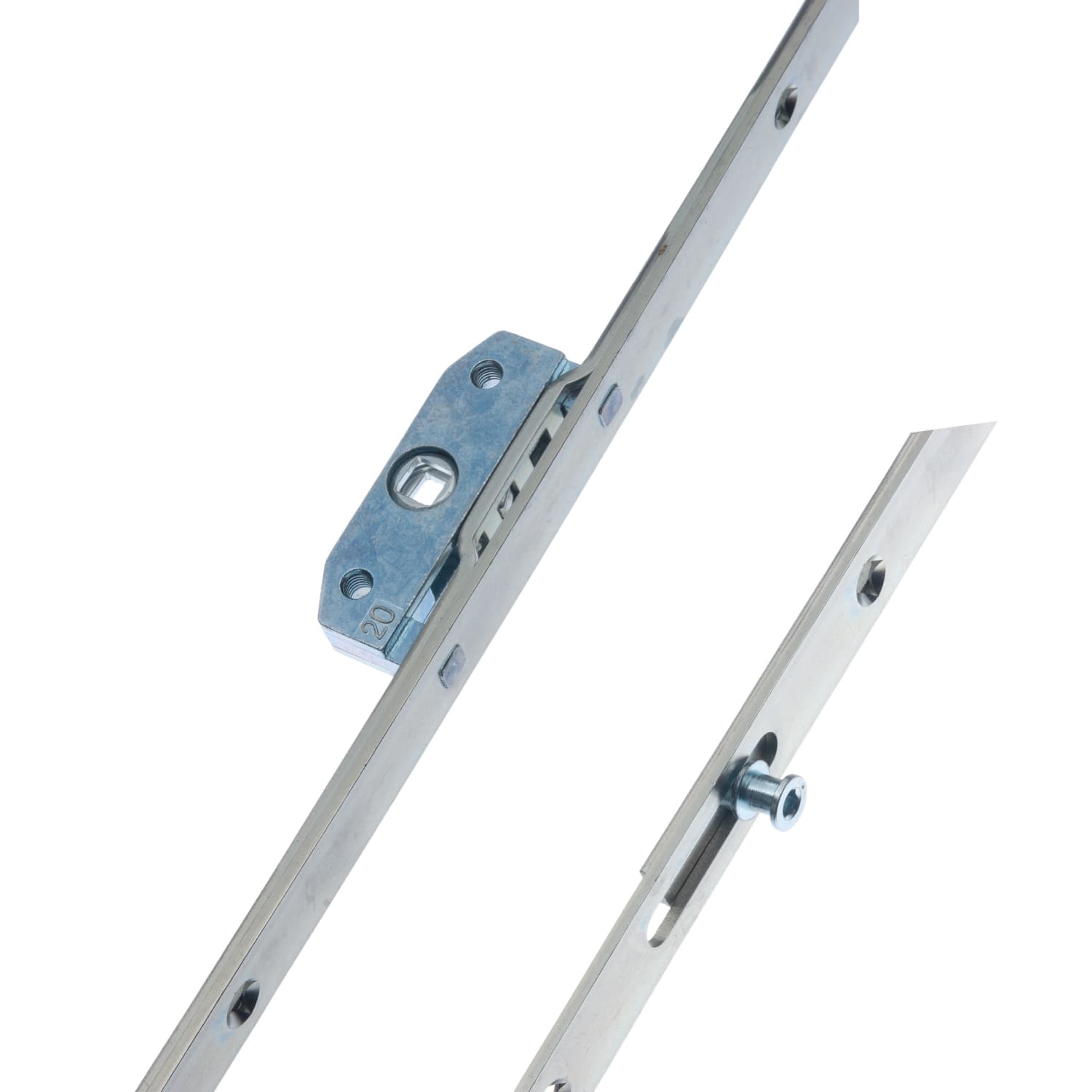
- Offset espagnolette handles: used with multi-point locks on modern windows; the offset allows a smooth handle movement without hitting adjoining hardware.
- Offset monkeytail and cranked handles: traditional appearance with practical clearance for deep beads on timber windows.
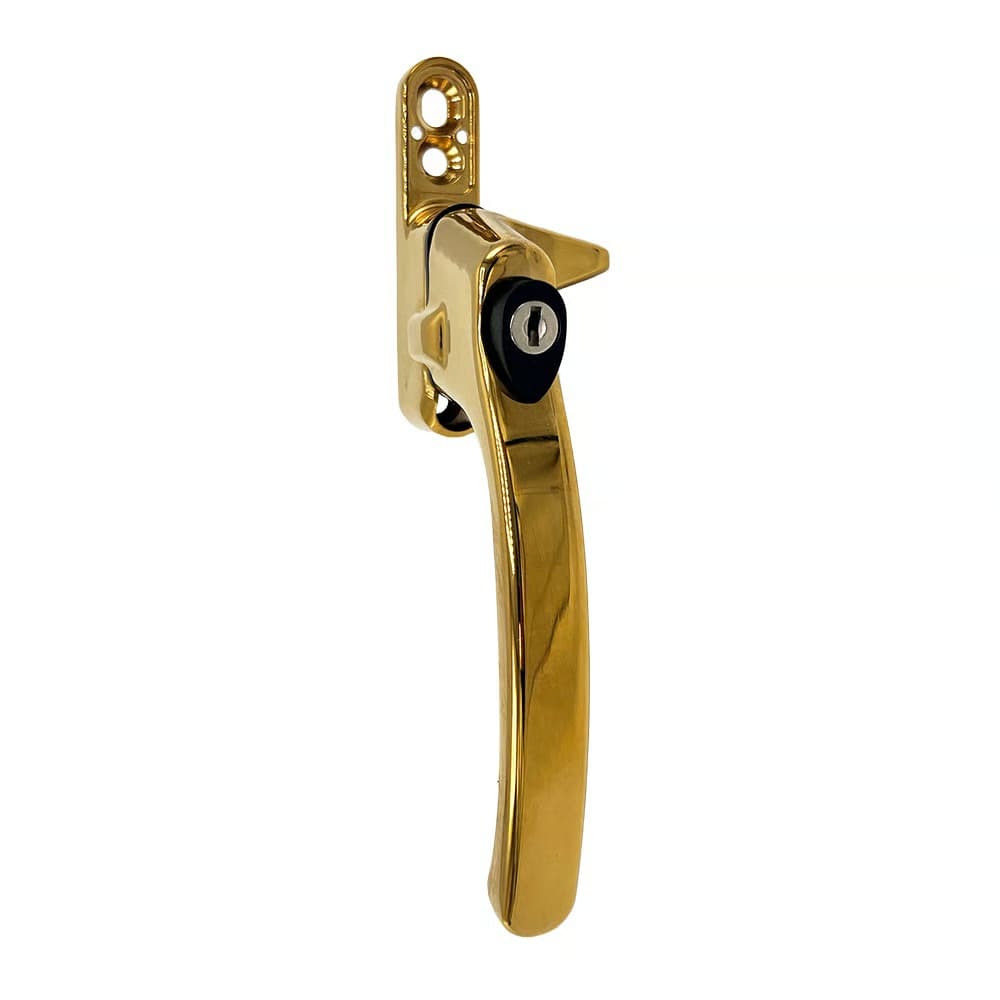
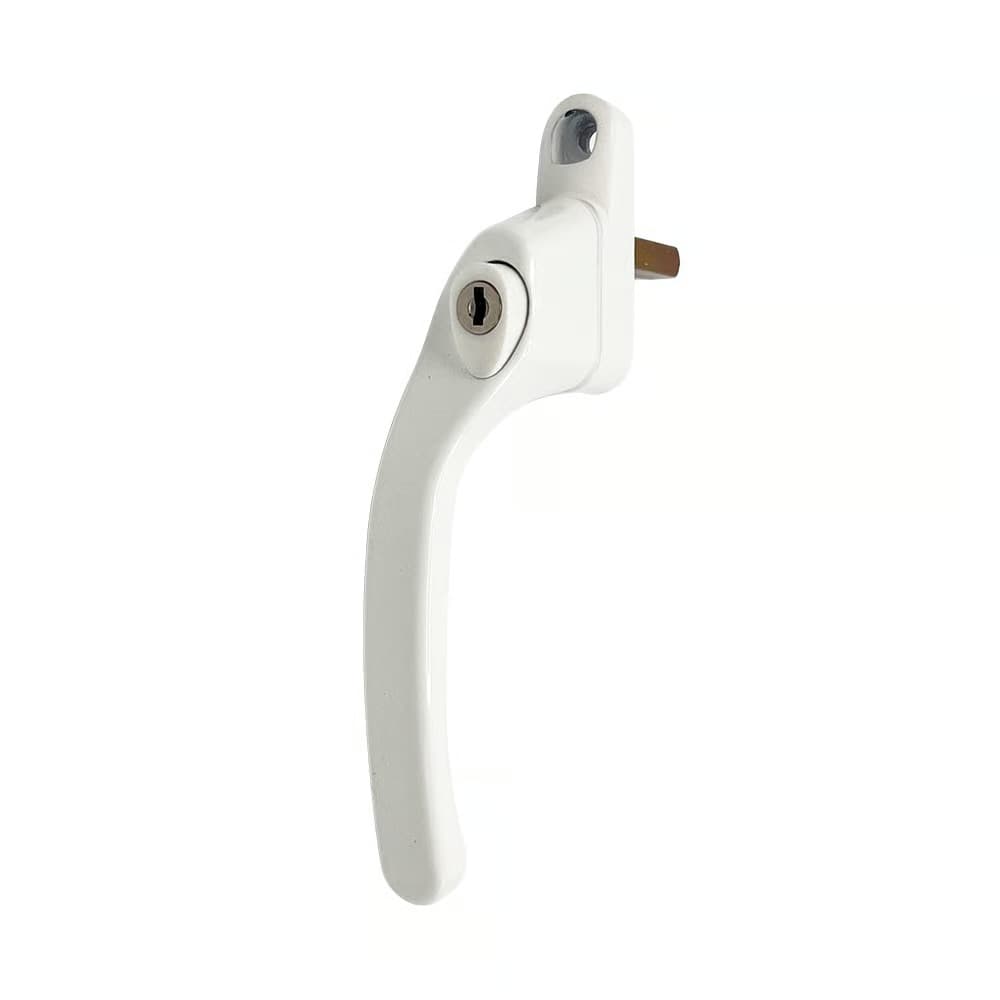
- Lockable and non-lockable options: some offset window handle variants include a key lock for enhanced security; these are common in ground-floor installations.
When to specify an offset window handle
Specify an offset window handle when clearance or access is an issue. Common scenarios include:
- Windows with deep window beads or tall glazing seals where a conventional handle would hit the frame.
- Renovation projects where new hardware must sit over existing trims or protruding vents.
- Commercial or public buildings where ergonomics matter for users with reduced reach.
- Period properties where a particular handle silhouette is required but modern hardware must still clear existing mouldings.
Using an offset window handle can also improve the user's mechanical advantage when operating multipoint locks; a small offset can make a big difference for smooth operation.
How to measure for an offset handle
Accurate measurement avoids ordering the wrong part. Measure these key dimensions:
- Backset: distance from the handle spindle centre to the edge of the sash or frame. This tells you how far the handle needs to reach.
- Projection: how far the handle sits off the mounting surface when in its rest position; critical for clearance under beads or sashes.
- Spindle size and length: the square spindle must match the gearbox or lock. Common spindle sizes are 7mm and 8mm in the UK; verify length for deep frames.
- Fixing hole centres: check the distance between screw holes to ensure the new offset window handle will mount to existing pre-drilled holes.
Always measure on the installed window and note whether the handle is left or right handed; many offset window handle designs are handed, and handing matters for aesthetics and operation.
Installing an offset window handle: practical tips
Installation is usually straightforward but follow these steps to avoid issues:
- Remove the old handle and clean the mounting surface; check for rot or damage in timber frames, and pack if holes are oversized.
- Check spindle alignment: the spindle must engage the gearbox squarely; an offset window handle may require a longer or cranked spindle to align correctly.
- Use the correct screws: stainless steel or coated screws suited to the frame material will prevent corrosion and staining.
- Test the handle movement before final tightening: ensure the handle clears beads and that the locking mechanism operates freely.
- If fitting a lockable offset window handle, follow keying and security standards for your project; ensure cylinder alignment and anti-snap considerations are met.
Choosing the right finish and specification
Offset window handle finishes should match the window hardware suite for a professional look. Popular finishes in the UK include satin chrome, black, white and aged brass. Consider these points:
- Durability: for coastal locations choose corrosion-resistant finishes.
- Security: lockable offset window handle variants must meet the required security standards for your project.
- Compatibility: ensure the spindle and fixings match the lock case; check manufacturer data sheets for recommended torque and maintenance intervals.
Common issues and maintenance
Typical problems with offset window handle installations are misalignment, sticking and aesthetic mismatch. To prevent faults:
- Lubricate the spindle and gearbox annually with a silicone or dry-film lubricant; avoid heavy greases that attract dust.
- Check screws after a season; vibration and use can loosen fixings, especially on softwood frames.
- Replace worn spindles and springs before they fail; handle wobble is a sign of internal wear.
For trade professionals, keeping a small stock of common offset window handle sizes and spindle lengths will save return visits and improve turnaround times on site.
Conclusion: Choosing an offset window handle makes sense when clearance, ergonomics or aesthetics are a concern. Measure accurately, select compatible spindles and fixings, and follow best-practice installation steps to ensure smooth operation and long life. Whether you are specifying for a new build, refurbishing period windows or carrying out maintenance work, an offset window handle is a simple change that often solves practical problems without compromising on appearance or security.
Related Reading
Explore more guides on related topics:
Recommended Products
Based on this article, you may find these products helpful:
Part of our guide:
Complete Guide to Window Handles