Window Handle Sizes: Explained Spindle Length Screw Centres Handing
Window Handle Sizes: Explained Spindle Length Screw Centres Handing
Window handles are small, everyday fittings that have a big impact on security, weather performance and ease of use. Whether you are replacing a broken handle, upgrading to a more secure option or specifying hardware for new windows, this guide covers practical, actionable advice on choosing, fitting and maintaining window handles.
Why choosing the right window handles matters
Good window handles do three things well: they allow smooth operation, contribute to security and match the type of window and locking mechanism. Poorly chosen handles can cause frustrated users, premature wear of window mechanisms and reduced security.
Key considerations when selecting window handles:
The following sections explain how to assess these factors and list compatible products and parts you might need.
Types of window handles and common uses
Espag (espagnolette) handles
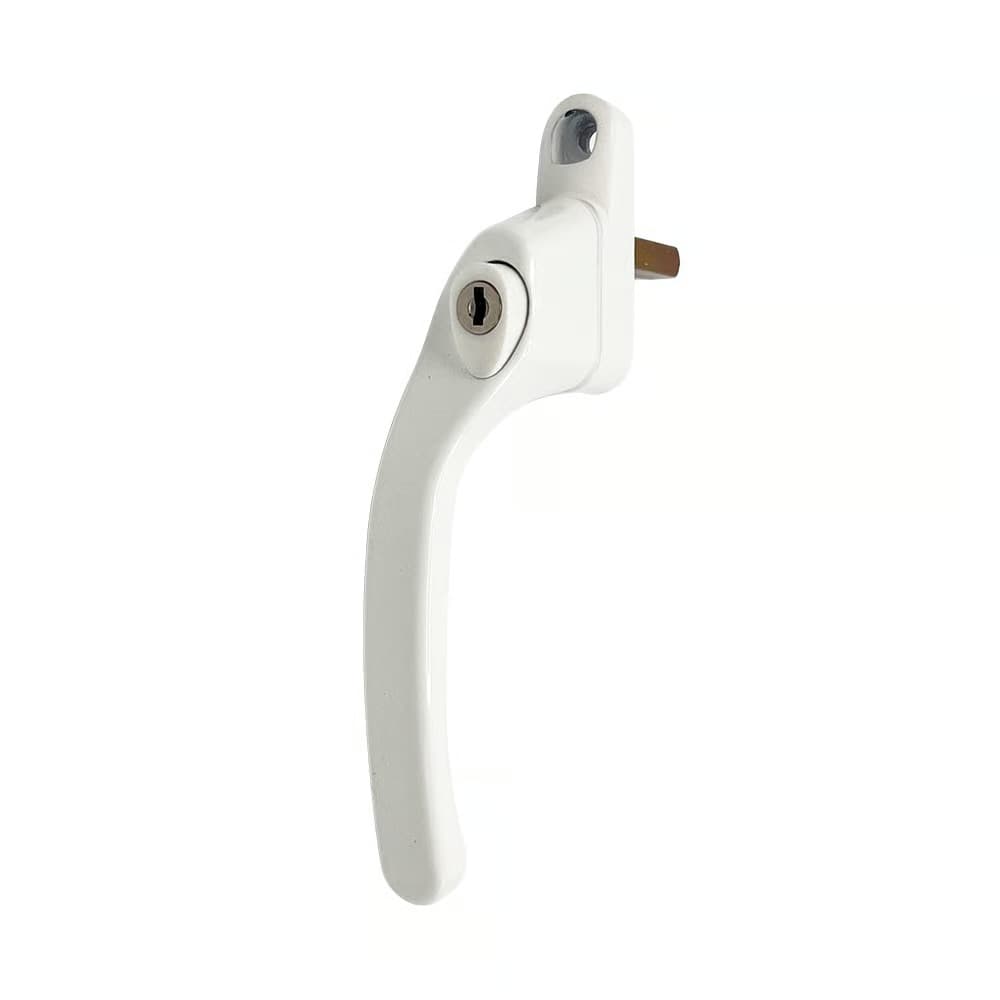
Espag handles are common on uPVC and aluminium casement windows. They operate a spindle that engages multipoint locking within the frame. If your window uses an espag mechanism, choose an espag-compatible handle such as the Avocet Slimline Offset Window Espag. This type offers a slim profile and is available in different offsets to match gearbox positions.
Practical tip: Measure the distance from the screw centres and the spindle size before ordering replacement espag handles.
Cockspur handles
Cockspur handles are often found on older uPVC windows; they clamp over the window frame when turned. The TSS Cockspur Window Handles are a standard choice for like-for-like replacements.
Practical tip: If your window sash or frame has degraded, cockspur handles can still be used but may not deliver modern levels of weather sealing or security.
Offset handles for uPVC
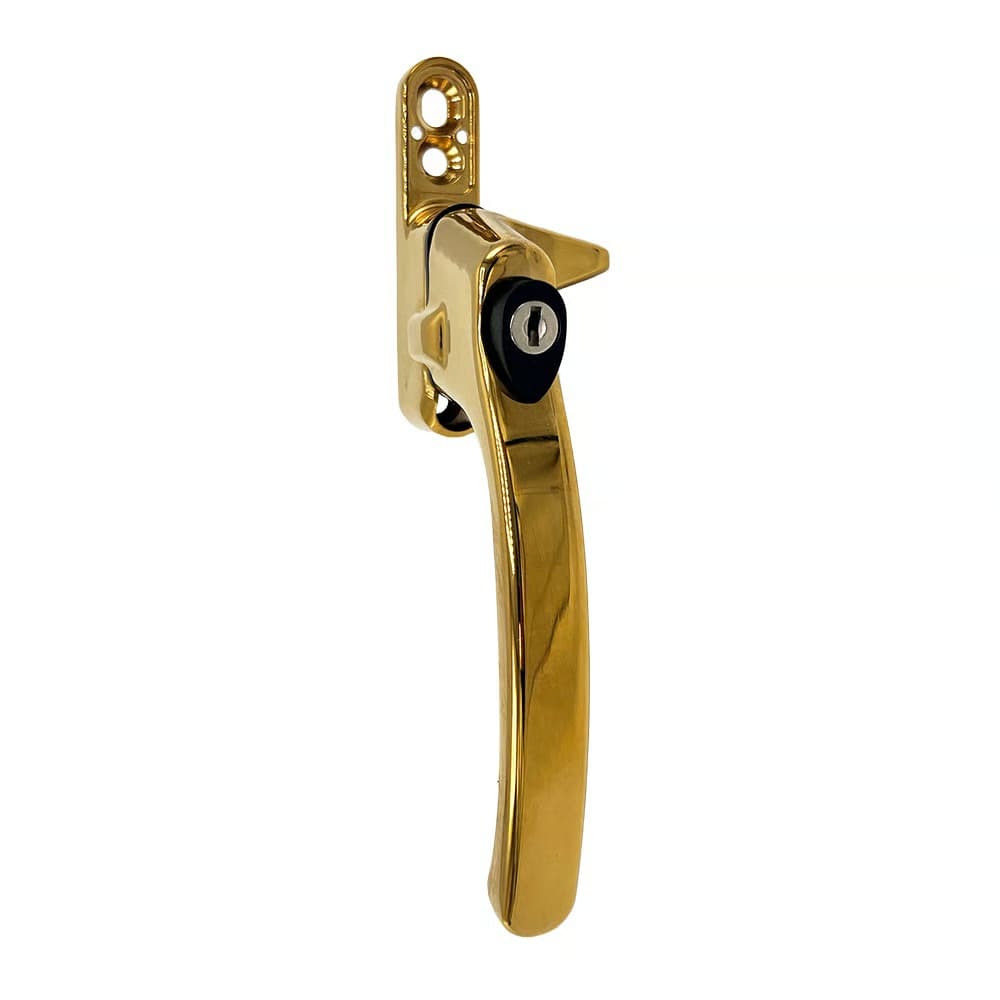
Offset handles, such as the TSS Offset UPVC Window Handles, are designed to clear beading or profiles that a straight handle would hit. They are often used where the handle needs to sit away from the glass or the window line.
Practical tip: Check the offset dimension on the replacement handle to ensure clearance with the beading.
Thumb-turn cylinders and keyed handles
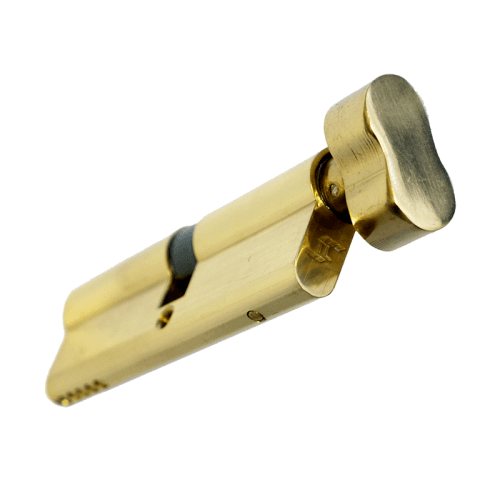
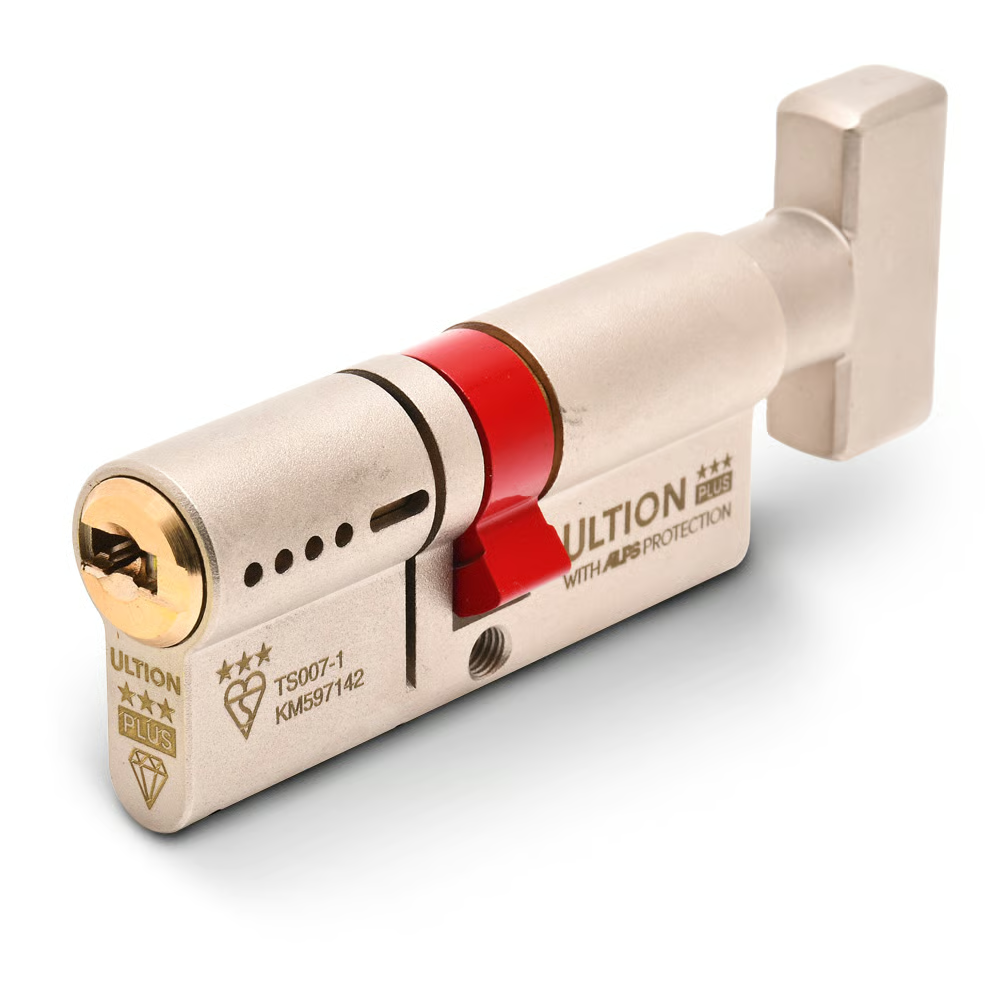
For rooms where quick egress is important, or to add supplementary security, consider handles that accept euro cylinders or thumb-turn cylinders. The TL Thumb Turn Euro Cylinder and the Ultion Plus TS007 3* Kitemarked Euro Key & Turn Cylinder are examples of secure cylinder options.
Practical tip: For all external accessible windows, use a kitemarked cylinder rated to the desired security level and ensure the handle or escutcheon is cylinder-compatible.
Matching handles to window mechanisms and parts
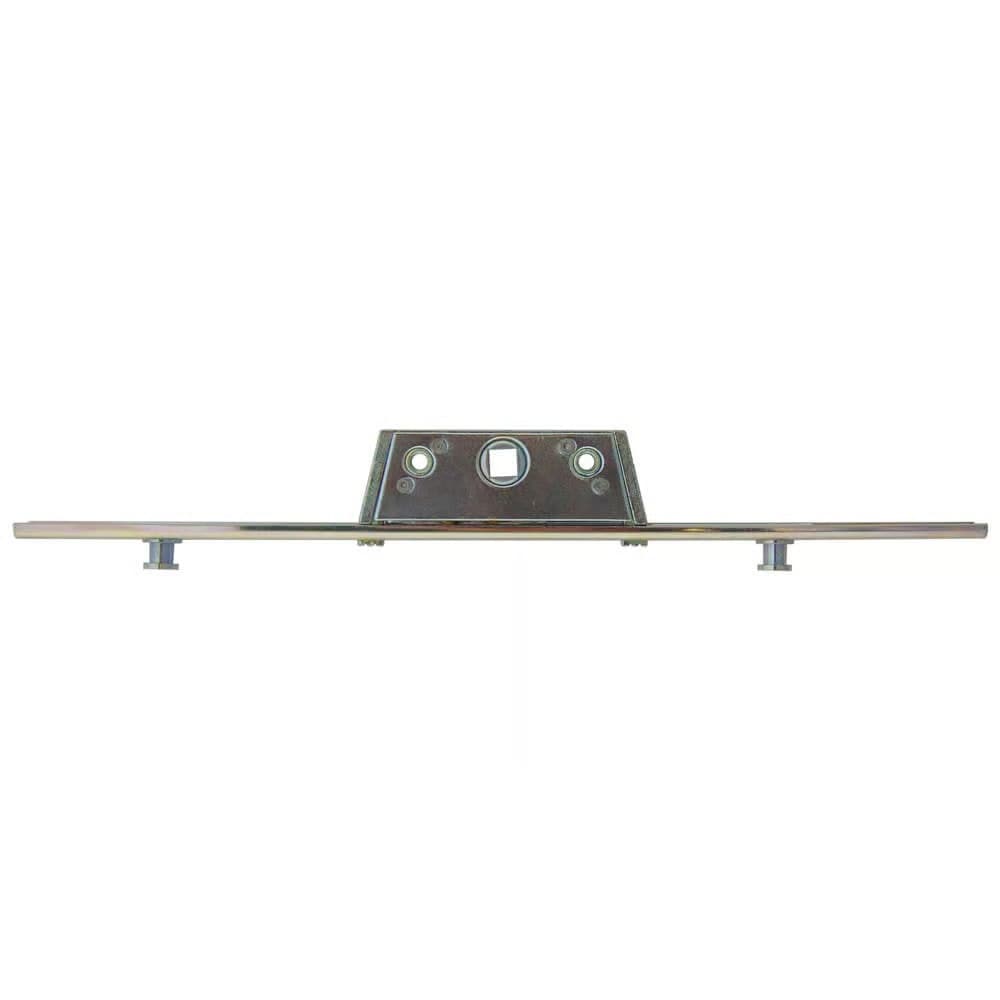
Handles rarely work in isolation. When replacing a handle, check related components and consider replacing worn parts at the same time for best results.
Practical checklist before ordering a replacement handle:
How to replace a window handle: step-by-step
These steps cover most casement and uPVC window handle replacements. Always check the manufacturer instructions for your particular handle.
Safety note: If the window is large or in a vulnerable position, work with a second person to secure the sash during replacement.
Improving security with handle and cylinder upgrades
Upgrading handles alone can improve convenience, but combining a secure handle with a kitemarked euro cylinder greatly improves security. Consider these steps:
Practical tip: When replacing a cylinder, measure the existing cylinder lengths from centre to end to get the correct size. Many cylinders are asymmetric; fit the correct orientation so the thumb-turn or key sits in the right position.
Maintenance tips to extend handle life
Regular simple maintenance keeps window handles working well:
When to call a professional
Consider a professional if:
A professional installer can also ensure correct torque and alignment for high-use windows, preventing long-term wear.
Related Reading
Explore more guides on related topics:
Summary
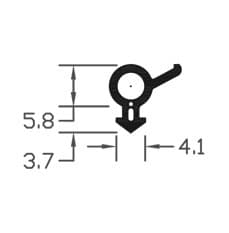
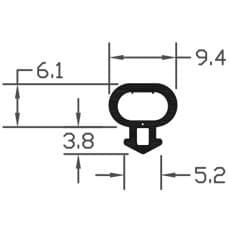
Choosing the right window handles requires attention to window type, spindle and screw dimensions, offset and cylinder compatibility. Pairing good handles with compatible mechanisms such as the In-Line Window Mechanism, quality hinges and seals like the B003 or B004 Bubble Gasket, and secure cylinders such as the Ultion Plus TS007 improves performance and security. Follow the practical fitting and maintenance steps above to ensure smooth operation and long service life.
Further reading and products mentioned:
If you need help identifying the right handle for your window, provide photos of the handle and measurements and I can advise on a suitable replacement and the compatible parts to order.
Part of our guide:
Complete Guide to Window Handles