Tilt and Turn Handle Brands: Which Are Best for UK Windows?
Choosing the right tilt and turn handle matters for security, durability and ease of operation. This guide explains the main brands, what to look for on trade installs, and practical tips for fitting ...
Choosing the right tilt and turn handle matters for security, durability and ease of operation. This guide explains the main brands, what to look for on trade installs, and practical tips for fitting and specifying tilt and turn handle options for UK windows. It is aimed at installers, fabricators and informed DIYers who want to make the best choice for performance and value.
Why the tilt and turn handle matters
The handle is not just a cosmetic finish: a quality tilt and turn handle affects how smoothly a window operates, how secure it is and how long the window will last without service. For trade professionals specifying hardware, the right tilt and turn handle will match the locking gear, the backset and the required screw centres; for homeowners, a robust handle reduces call-backs and improves user experience.
Leading tilt and turn handle brands – overview
Several brands dominate the UK market for tilt and turn handle hardware. Each brings different strengths in security, finish options and availability of keyed or non-keyed variants. Popular names include:
- Hoppe: well-known for durability and variety of finishes; strong trade support.
- Siegenia: offers integrated hardware systems and smooth operation for heavy sashes.
- Roto: renowned for high-quality engineering and compatibility with multi-point gearboxes.
- GU (Gretsch-Unitas): solid security credentials and reliable mechanisms.
- Maco: often specified for timber and PVCU projects; good finish options.
When choosing a tilt and turn handle, consider compatibility with the window system and the local supply chain for spares.
What to consider when choosing a tilt and turn handle
Tradespeople should evaluate handles against several practical criteria before specifying or fitting:
- Security: look for handles that meet or exceed relevant PAS 24 or Secured by Design recommendations; consider key-locking handles where required.
- Compatibility: confirm screw centres, spindle length and backset to match the espagnolette or multipoint mechanism.
- Material and finish: aluminium and zinc alloy options are common; finishes should resist weathering and frequent use.
- Operation: smooth travel and consistent detent positions are critical for tilt then turn operation; test a sample before bulk ordering.
- Spare parts and warranty: choose brands with straightforward replacement parts and trade warranties to reduce on-site delays.
Trade tips for installation and maintenance
Good installation practice increases lifespan and reduces defects. Follow these tips when fitting a tilt and turn handle:
- Check the handle orientation: many handles are handed; confirm left- or right-hand before fitting.
- Measure screw centres and spindle length accurately; mismatches cause sloppy operation or damage the gearbox.
- Use the correct torque on mounting screws; over-tightening can deform the backplate and bind the handle.
- Test action in both tilt and turn modes before final adjustments; ensure the handle fully engages locking cams.
- Lubricate moving parts with a dry PTFE spray as recommended by the manufacturer to prevent grit build-up.
- For keyed handles, check key operation and leave a spare key with the client; consider master keyed suites for communal blocks.
Comparing price versus performance
Budget handles may look similar but can differ greatly in longevity and security. For trade installers, balance initial cost against reduced callbacks and easier maintenance:
- Entry-level handles: suitable for standard domestic refurbishments where budgets are tight; expect shorter warranties.
- Mid-range handles: often the best value for trade use; good security features, multiple finishes and reliable supply.
- Premium handles: invest when specifying high-end bespoke windows, projects requiring Secured by Design certification or heavy-use environments.
Always factor in the cost of replacement parts and the time cost of call-outs when selecting a tilt and turn handle for a contract.
Common faults and how brands differ in support
Many service calls are for similar faults: stiff action, broken spindles or failure of the locking cam. Brand choice can influence how quickly you resolve these issues:
- Spindle wear: choose brands that supply replacement spindles in multiple lengths as standard.
- Cam failures: premium brands often design replaceable cams; cheaper options may require full handle replacement.
- Finish flaking: look for anodised or hard-coated finishes for coastal work to avoid corrosion.
- After-sales support: larger brands typically have trade helplines and parts distribution networks to keep projects moving.
Before completing an installation, log the handle brand and model on your job sheet; this speeds up future maintenance and part orders.
Recommended Products
Based on this article, you may find these products helpful:
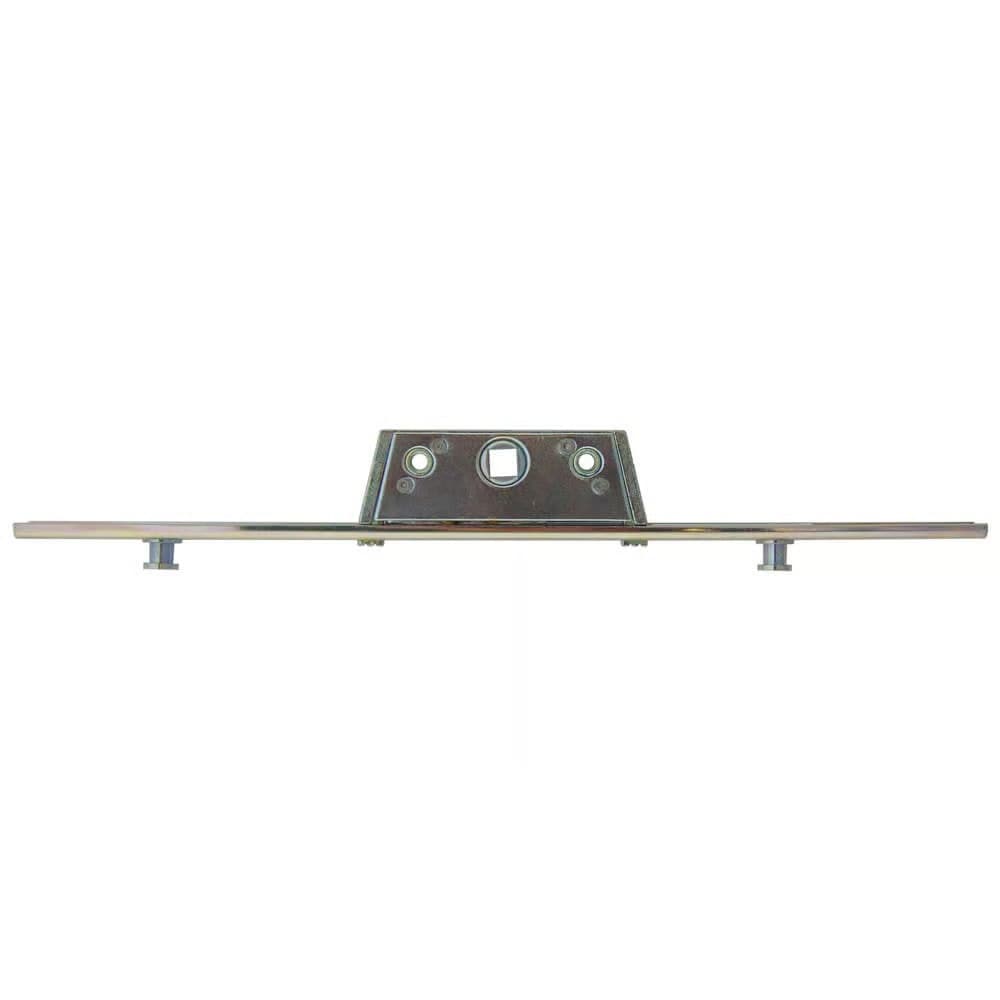
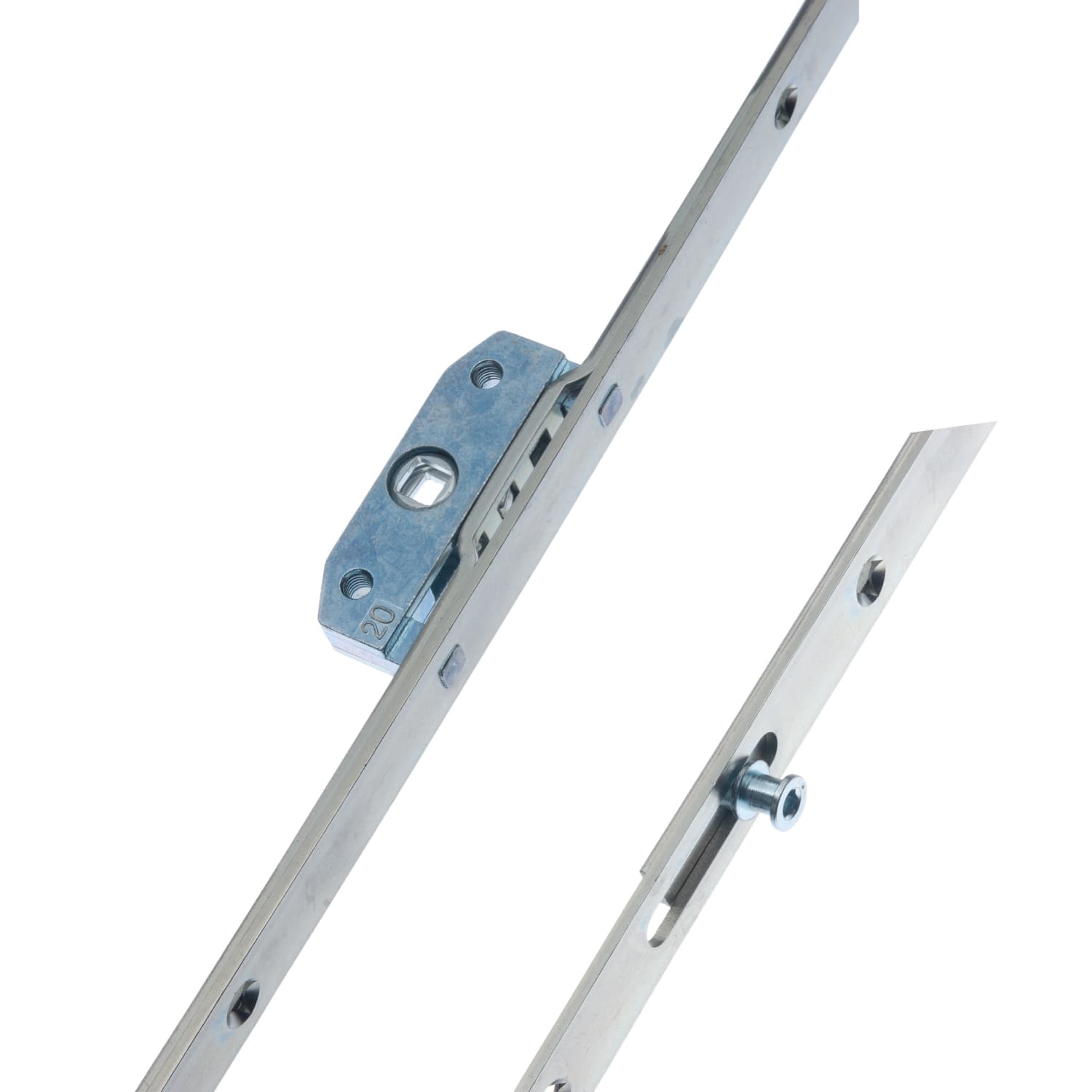
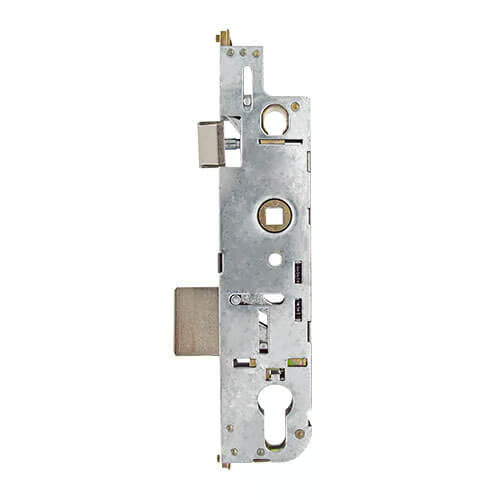
- ERAB Espagnolette Window Lock Universal Lock Replacement
- Avocet Slimline Offset Window Espag
- Multipoint Gearbox GU Old Style
- In-Line Window Mechanism
- Offset Window Mechanism
Conclusion: making the right choice
For most trade applications, a mid-range to premium tilt and turn handle from an established brand delivers the best balance of security, durability and service support. Prioritise compatibility with the window gearbox, availability of replacement parts and suitable finishes for the environment. For homeowners undertaking DIY, buy handles from reputable suppliers and, where possible, consult a tradesperson for measurement and installation tips. Selecting the right tilt and turn handle reduces call-backs and gives users reliable, secure operation for years to come.
Part of our guide:
Complete Guide to Window Handles