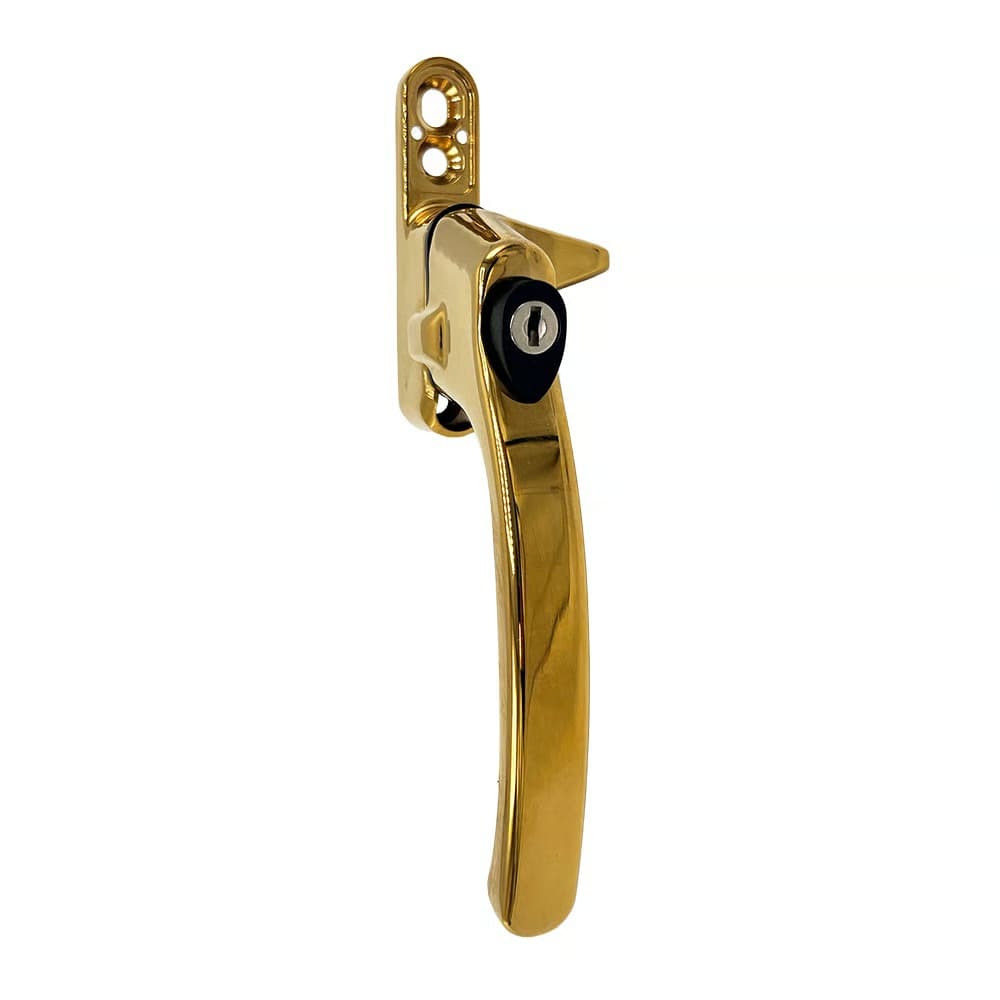
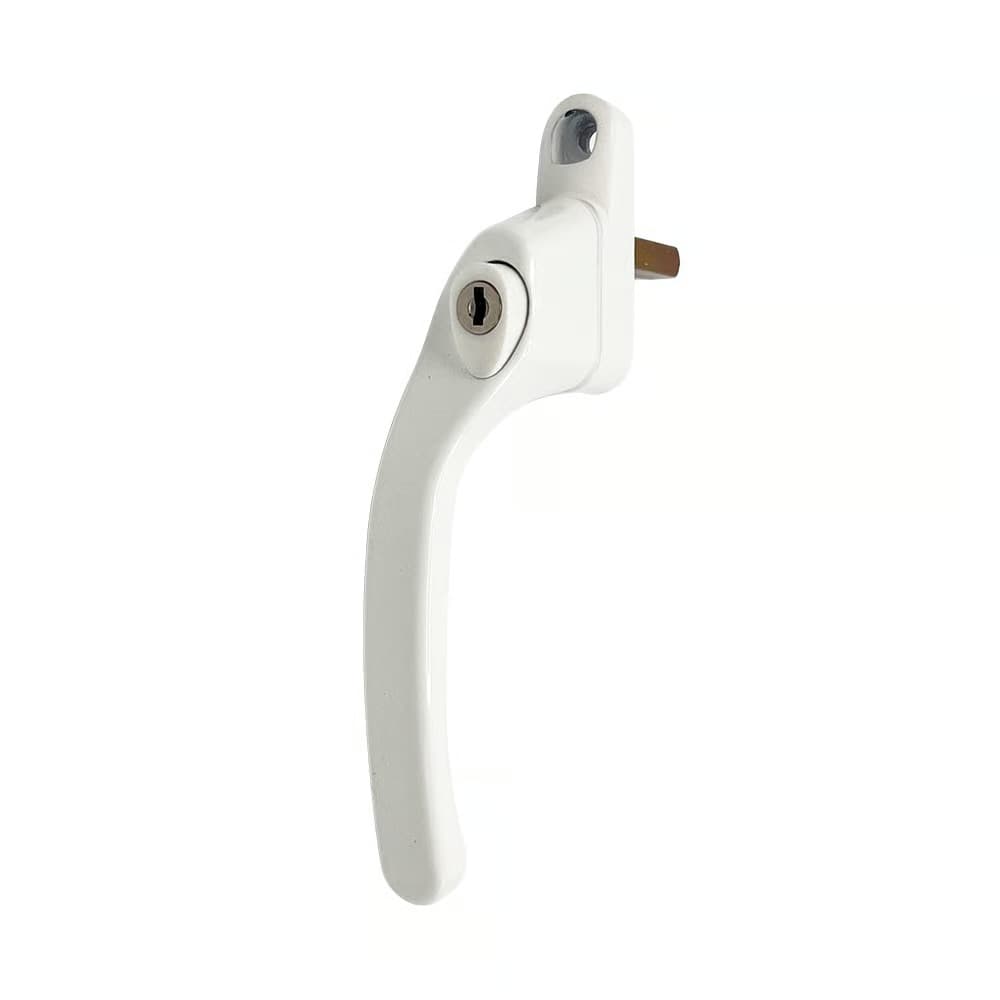
Double Glazed Window Handles Replacement: Measuring Spindle and Centres
Replacing double glazed window handles is a common maintenance task that improves security, operation and appearance. Accurate measurement of the spindle a...
Replacing double glazed window handles is a common maintenance task that improves security, operation and appearance. Accurate measurement of the spindle and the centres is essential to ensure a new handle fits correctly and operates the locking mechanism. This guide provides practical, step-by-step advice for homeowners and tradespeople on how to measure, select and fit replacement handles for common types of double glazed windows.
Identify the handle type
Start by identifying the existing handle type, as measurement points differ between styles. Common types on double glazed windows include espagnolette (espag) handles, cockspur handles and lever handles for casements.
- Espag handles connect to a square spindle that operates a multi-point espag locking mechanism. A typical product example is the TSS Cockspur Window Handles.
- Cockspur handles are fitted externally to the sash and clamp against the frame via a hooked cam. A typical example is the TSS Cockspur Window Handle.
- Standard lever handles, often found on older timber frames or some uPVC windows, include products such as the TSS Offset UPVC Window Handles.
Tools and materials required
Prepare the following to ensure accurate measurements and a straightforward replacement:
- Steel rule or digital calliper for precise measurements
- Phillips and flat screwdriver set
- Allen keys if the handle uses grub screws
- Tape measure for larger dimensions
- Marker pencil and paper to record sizes
- Replacement handle and screws (use stainless steel for longevity)
- Cleaning cloth and light lubricant (e.g., silicone spray)
Measuring the spindle length
The spindle is the square metal bar that passes through the door or window from the handle into the lock. Correct spindle length is crucial for engagement with the locking mechanism.
1. Remove the existing handle: Unscrew the fixing screws and gently withdraw the handle from the spindle. Retain all screws for reference. 2. Measure the spindle: Measure the exposed length of the spindle from the face of the handle back to the point where it disappears into the lock or keeps. Record this length in millimetres. Note whether the spindle is split (half-splined) or a continuous square bar. 3. Measure full spindle if accessible: If the spindle can be pulled fully from the lock, measure its overall length. When the spindle cannot be removed, measure the visible portion and add an allowance equal to the thickness of the handle backplate (usually 3–8 mm) if replacing like-for-like. 4. Standard spindle sizes: Common spindle sizes are 8 mm square, with lengths such as 30/38 mm (split spindle), 45 mm, 50 mm, 70 mm and 92 mm. Tradespeople should confirm whether the existing spindle is 8 mm or 7 mm square before ordering.
Record whether the spindle is central (equal projection either side) or stepped (different projections). Stepped spindles are used when a handle or escutcheon is thicker on one side.
Measuring the centres
Centres refer to the distance between the fixing screw holes that hold the handle to the window or door surface.
1. Remove handle to access screw positions. 2. Measure the distance between the centres of the two screw holes in millimetres from the centre of one screw hole to the centre of the other. Common centre measurements include 43 mm, 48 mm and 92 mm, but many manufacturers use proprietary spacings. 3. For espag handles with two screws in a vertical backplate, also measure the distance from the spindle centre to each screw centre. Record these separately as some replacements require matching those offsets.
Accurate centres ensure that the new handle’s screw holes line up with existing holes or that the new fixings will sit on sound substrate. When exact alignment is not possible, use longer screws, rawl plugs or resin anchors to create new fixing points.
Handing and orientation
Window handles are handed: left- or right-handed orientation determines spindle position and cam direction. Determine handing by viewing the handle from inside the property with the window closed. Make a note of whether the handle points up or down in the locked position; replacement handles must match this orientation or be reversible where specified by the manufacturer.
Selecting a replacement handle
Select a replacement handle that matches the measured spindle square size and length, centres and handing. Choose materials and finishes that suit the environment: corrosion-resistant finishes (e.g., chrome, PVD, white powder coat) are better for coastal properties. For enhanced security, opt for handles with anti-snap or key-locking features, especially on ground-floor windows.
For espag replacements, ensure compatibility with the spindle projection and the locking gearbox depth. For cockspur handles, confirm the cam profile matches the sash compression required to seal the window.
Fitting the replacement handle
1. Clean the area and lubricate the spindle lightly. 2. Position the new handle over the spindle, aligning screw holes with recorded centres. 3. Insert the spindle fully to the correct engagement depth and tighten grub screw (if present) to secure spindle to handle. 4. Fit fixing screws but do not fully tighten until confirming smooth operation and correct locking engagement. 5. Test operation through several open/close cycles, checking that multi-point locks engage correctly and that the handle returns to a neat resting position. 6. Once satisfied, tighten all screws evenly to avoid distorting the backplate.
For handles with key locks, test the key operation after fitting and ensure the lock barrel aligns with the keeps.
Common pitfalls and troubleshooting
- Incorrect spindle length: A spindle too short will not engage the gearbox; one too long can prevent the handle from seating flush. Double-check measurements before ordering.
- Wrong centres: Misaligned screw holes can strip timber or make the handle unstable. When necessary, reinforce the substrate with plugs or using a backplate with a larger footprint.
- Incompatible cam profile on cockspur handles: The sash may not clamp or seal properly if the cam geometry differs. Retain the old handle until the new cam profile is confirmed suitable.
- Handing mismatch: Incorrect handing results in awkward operation and reduced security. Verify orientation before purchase.
Maintenance tips after replacement
Regular lubrication of moving parts and periodic checking of screws for tightness keeps handles operating smoothly. Replace corroded fixings promptly and treat painted backplates carefully to avoid paint build-up that jams mechanisms.
Double glazed window handles replacement is straightforward when measurements are correct and the right handle type is chosen. Accurate measurement of the spindle and centres avoids returns and reduces installation time, delivering a secure, professional finish. For further information on handle types, maintenance and measurement guides, consult the comprehensive Window Handles Guide.
Related Reading
Explore more guides on related topics:
Part of our guide:
Complete Guide to Window Handles