Offset Handle Spindle Lengths: Finding the Right Size
Choosing the correct offset handle spindle length is one of the simplest yet most overlooked aspects of fitting or replacing window hardware. Whether you are a trade installer measuring for multiple j...
Choosing the correct offset handle spindle length is one of the simplest yet most overlooked aspects of fitting or replacing window hardware. Whether you are a trade installer measuring for multiple jobs or a DIY enthusiast swapping a handle, the right spindle length ensures smooth operation and a secure fit. This guide explains what offset handle spindle lengths are, how to measure them, common sizes and tolerances, and practical tips for installation and troubleshooting.
What is an offset window handle spindle?
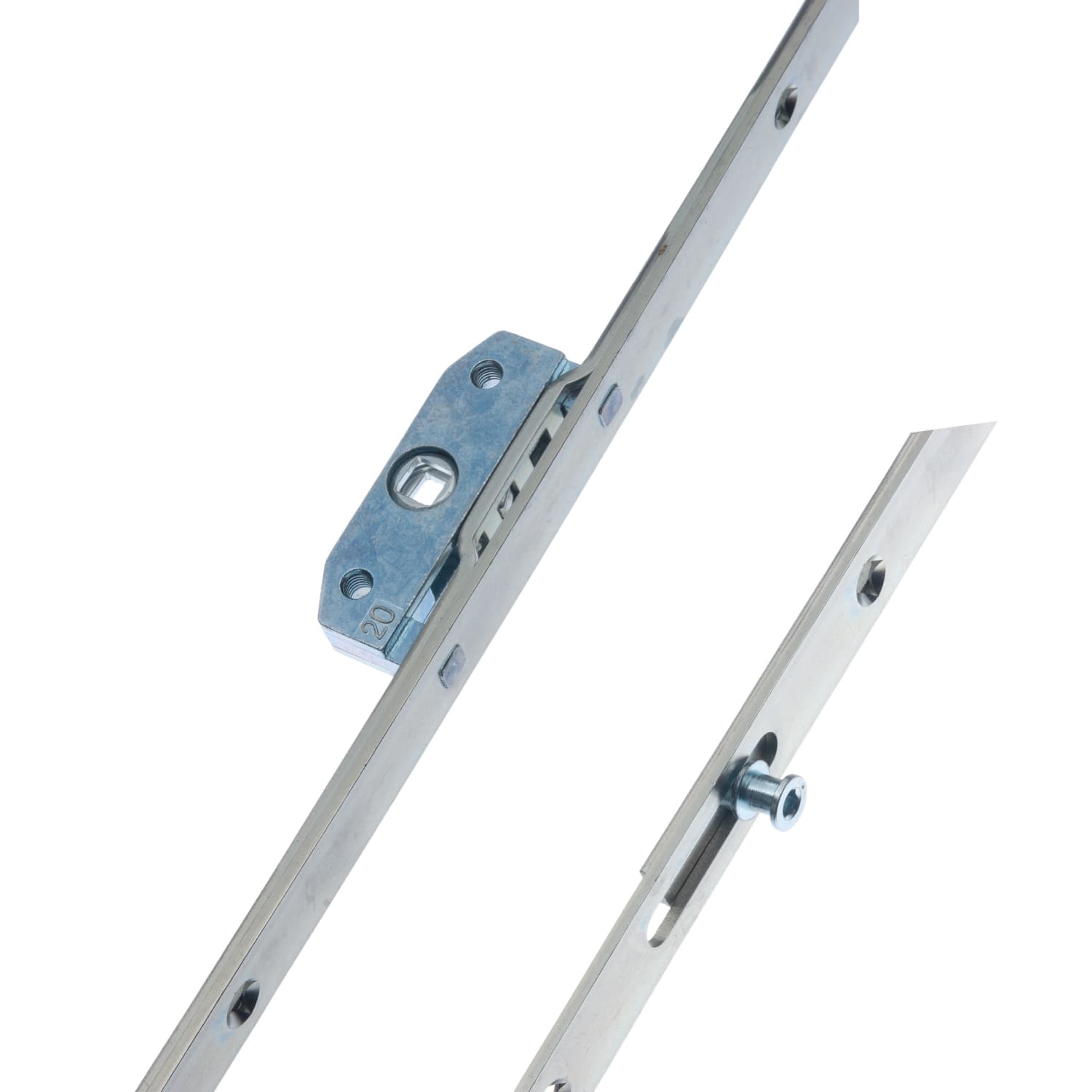
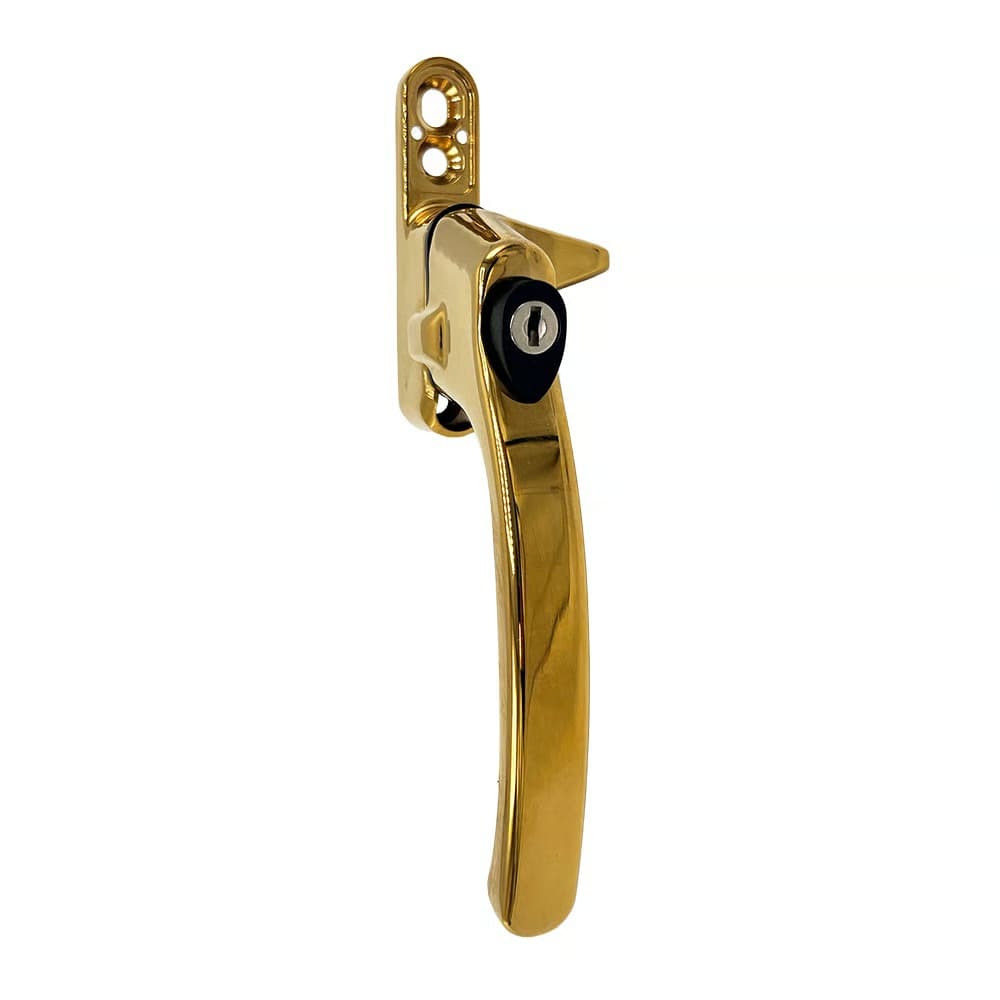
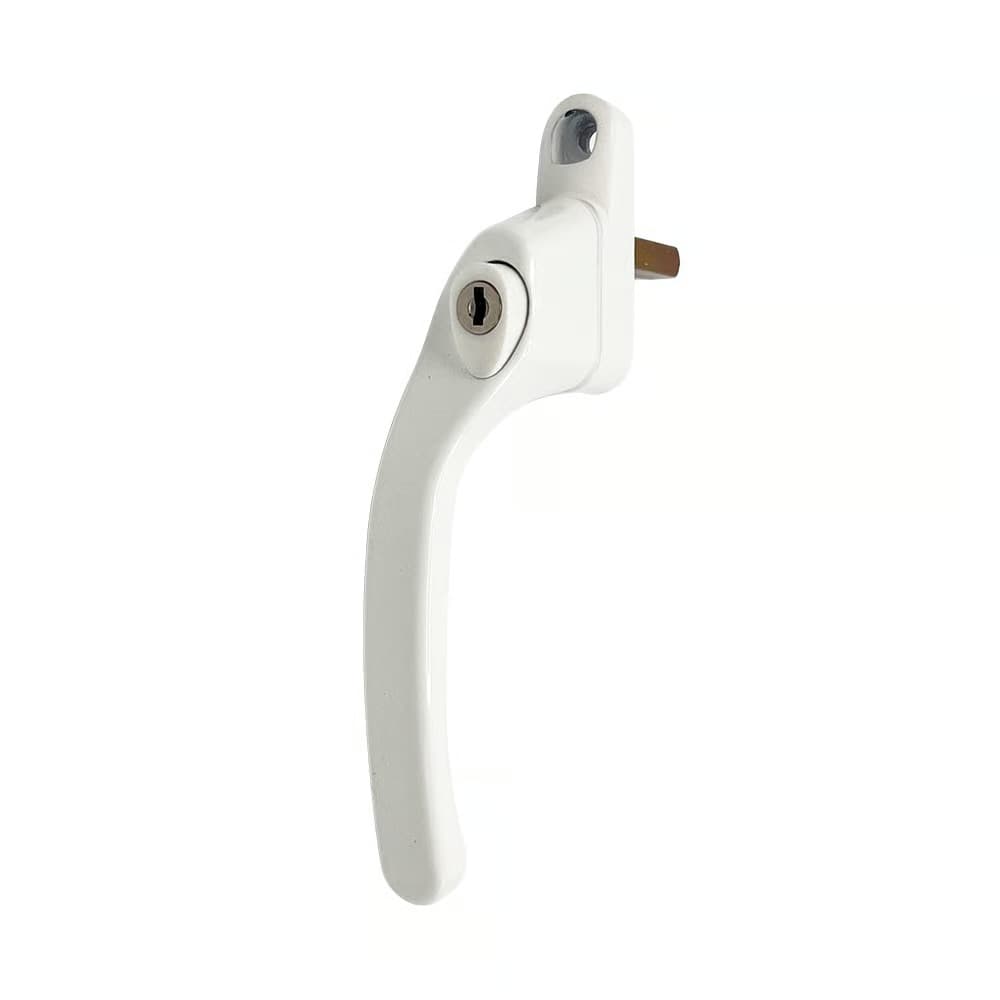
An offset window handle spindle is the square or rectangular metal bar that connects the handle to the gearbox or locking mechanism inside the window. The term "offset" refers to handles where the spindle is not centred in the handle backplate; the handle sits to one side, useful for windows with limited clearance or for ergonomic reasons.
Key points:
- The spindle transmits torque from the handle to the multipoint or espagnolette locking mechanism.
- Offset handles are often used on open-in or tilt-and-turn windows, and uPVC or aluminium frames where handle position matters for furniture clearance.
- Spindle cross-sections are usually square; some manufacturers use rectangular or splined designs.
Why spindle length matters
Spindle length determines how far the spindle projects through the window frame to engage the internal mechanism and how much clearance there is for the handle backplate. Using the wrong spindle length can cause several issues:
- Too short: the spindle won’t reach the gearbox; handle feels loose or doesn’t operate locks.
- Too long: the handle sits proud, causing stress on the mechanism and poor aesthetics; it can foul the outer beads or handles on adjacent windows.
- Incorrect offset: even a correctly measured length can fail if the offset position is wrong, causing misalignment with the gearbox.
How to measure spindle length correctly
Measuring spindle length is straightforward, but attention to detail avoids wasted time on the job. Follow these steps:
- Remove the handle: take off the handle and backplate to expose the spindle. Keep screws safe.
- Measure from the inner face: use a vernier or rule to measure from the inner face of the window frame or backplate screw hole to the end of the spindle. This gives the projection length needed.
- Check total length where necessary: some installers prefer to measure the full spindle length from shoulder to end, especially for replacement sets.
- Note the offset: measure the distance from the centre of the spindle to the nearest edge of the backplate to confirm offset direction and dimension.
- Record cross-section: confirm whether the spindle is square, rectangular, or splined, and the size in millimetres (commonly 7mm or 8mm square in UK windows).
Tip: Measure twice; if possible, remove the gearbox and check manufacturer drawings for clearance and recommended spindle lengths.
Common spindle lengths and tolerances
There is no single standard across all window systems, but common projection lengths in the UK include 35mm, 40mm, 45mm, 50mm and 55mm. These are measured as the distance the spindle projects from the handle mounting face.
- uPVC and standard eurogroove hardware often use 45mm or 50mm spindles for most installations.
- Aluminium systems with thicker profiles may require longer spindles; some bespoke systems go to 65mm or more.
- Backplate or rose thickness should be accounted for; if the handle has a rise, deduct that from the measured projection to find the required spindle length.
Tolerances: allow 1–2mm tolerance on either side for smooth operation. If you are between sizes, select the longer one if the manufacturer allows, provided the handle can be adjusted or trimmed safely.
Practical installation tips for tradespeople
Efficient installations rely on knowing the common pitfalls and preparation steps. Consider the following practical advice:
- Kit preparation: carry a set of common spindle lengths and a small grinder or hacksaw for on-site trimming. Keep square and rectangular section spindles in stock.
- Backplate clearance: always check for screws or seals that might obstruct the handle seating; fit the spindle with the handle in place to ensure correct alignment.
- Use a depth gauge: a simple depth gauge or folding rule helps measure frame thickness and spindle projection quickly, reducing guesswork.
- Fixing screw length: choose screws that engage the threaded inserts without bottoming out in the handle; some modern handles use grub screws into the spindle as well.
- Mark orientation: for buildings with multiple identical windows, mark hardware bags with room numbers to avoid swapping offsets left and right.
Troubleshooting common problems
If a handle doesn’t operate correctly after fitting, check these likely causes:
- Incorrect spindle length: re-measure; a loose handle or poor lock engagement points to a short spindle.
- Wrong offset: handle may turn but not move the locking cams; check offset alignment with the gearbox centreline.
- Cross-threaded or stripped grub screws: inspect the spindle end and handle head; replace if necessary.
- Binding due to debris: small bits of sealant or packing can stop the spindle fully engaging; remove and clean the channel.
When in doubt, consult the window manufacturer’s documentation; many systems specify exact spindle lengths and offsets for each profile type. For bespoke or older windows, take the gearbox out and measure directly to determine the correct dimension.
Related Reading
Explore more guides on related topics:
Recommended Products
Based on this article, you may find these products helpful:
- TSS Cockspur Window Handles
- TSS Offset UPVC Window Handles
- ERA Universal Inline Window Handle
- In-Line Window Handle - White
- ERAB Espagnolette Window Lock Universal Lock Replacement
Conclusion
Choosing the correct offset handle spindle length is essential for reliable window operation and a professional finish. By understanding what to measure, keeping a stock of common spindle sizes, and following a few installation best practices, tradespeople can avoid repeat visits and save time on site. DIY installers will also benefit from careful measurement and simple troubleshooting steps. If you are unsure about a specific system, contact the window supplier or consult technical guides to confirm the exact spindle and offset needed.
Part of our guide:
Complete Guide to Window Handles