Window Handles Replacement: A Step-by-Step Guide
Window handles replacement can be a straightforward maintenance task that improves security, operation and appearance of windows. This guide explains the c...
Window handles replacement can be a straightforward maintenance task that improves security, operation and appearance of windows. This guide explains the common handle types, how to identify the correct replacement, and provides a clear step-by-step process for safe removal and installation. Practical tips for measurements, tools and troubleshooting are included to assist both homeowners and tradespeople.
Understand handle types and mechanisms
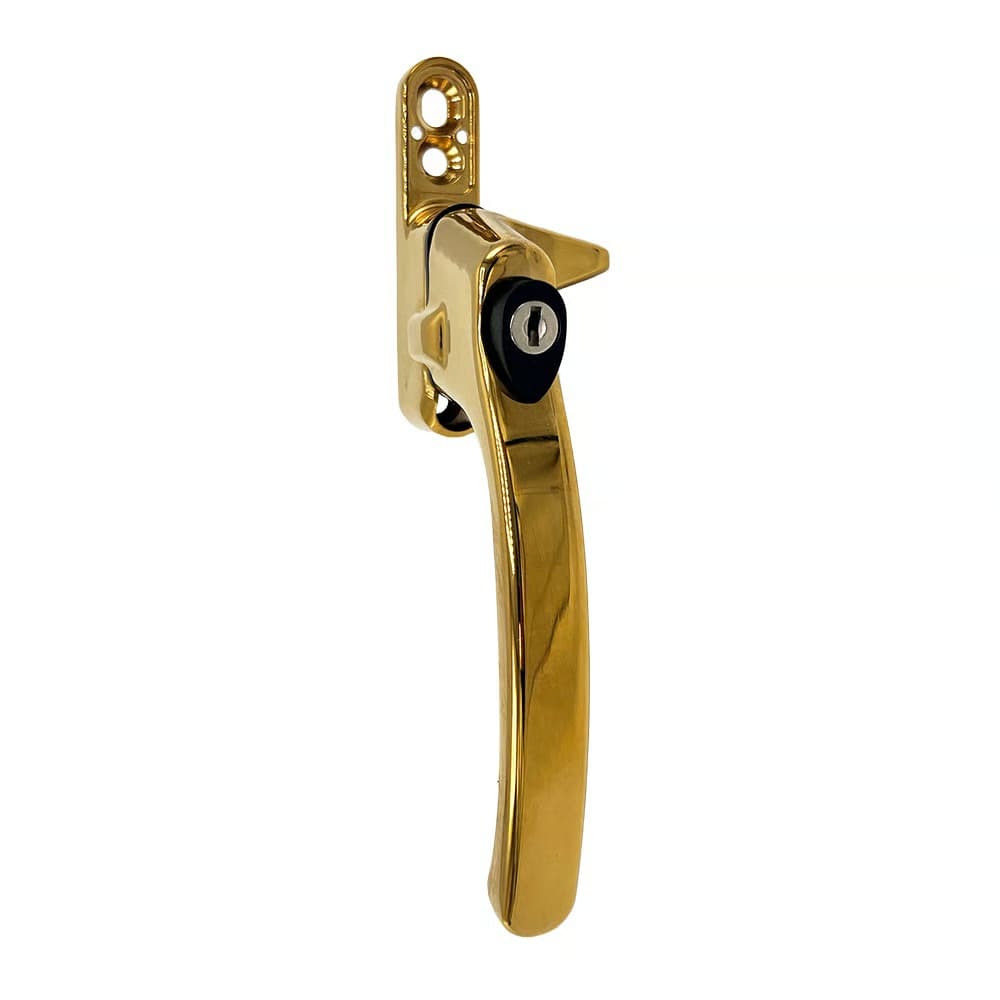
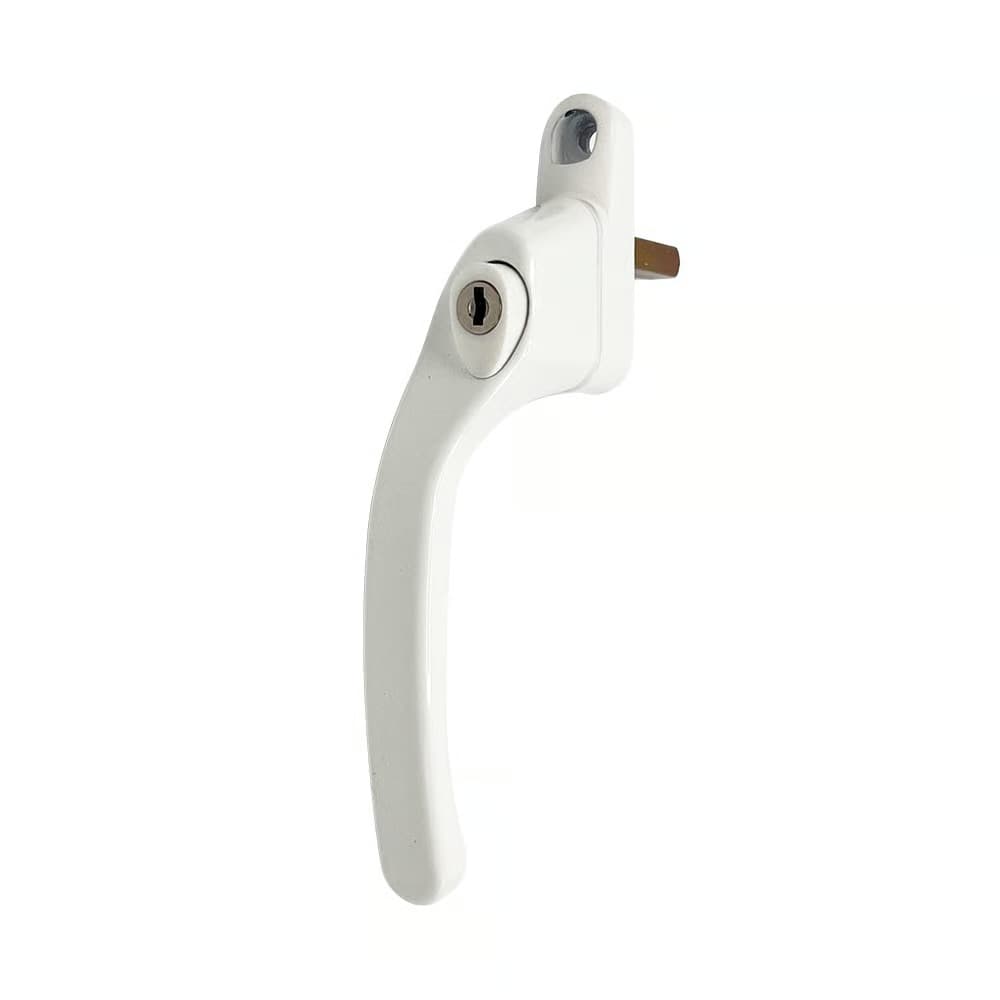
Before commencing window handles replacement, identify the handle type and locking mechanism. Common varieties in the UK include espag (espagnolette) handles used on casement windows, cockspur handles for older timber frames, and lever handles for contemporary PVC and aluminium systems.
Espag handles operate a spindle that turns a locking rod; replacement may require matching the spindle length and the centre-to-centre screw distance. A conventional cockspur handle hooks over the window sash edge and secures with a cam; replacements are generally direct-fit if the screw holes match. Lever-style handles often have a spring-loaded return and square spindle. Matching the handle type avoids modification to the window frame.
For a high-security espag option, consider the TSS Cockspur Window Handles. For traditional timber windows, the TSS Cockspur Window Handle is a suitable choice. Tradespeople working on modern systems may prefer the TSS Offset UPVC Window Handles for reliable operation.
Tools and materials required
Prepare the following tools before starting:
- Cross-head and flat-head screwdrivers
- Allen keys (where applicable)
- Tape measure or callipers
- Replacement handle and fixings
- Masking tape and marker for alignment
- Penetrating oil for seized screws
- A cloth and small container to hold screws
Measure for the correct replacement
Accurate measurements are essential during window handles replacement:
- Measure the spindle size (square section width) and length from the face of the handle to the end.
- Record the centre-to-centre distance between the fixing screws on the handle backplate.
- Note the handle’s projection and whether it is left- or right-handed (determined by the handle orientation when viewed from inside).
Removal — safe, methodical procedure
1. Secure the sash in a closed position to prevent movement. For casement windows, consider propping the sash or placing a wedge to avoid spring-back. 2. Remove handle fixings: back out both screws on the faceplate or remove the grub screw under the handle boss, depending on the model. 3. Withdraw the handle gently from the spindle. If stiff, apply a small amount of penetrating oil and wait a few minutes before trying again. 4. Keep all screws and components together for reference. Inspect the spindle for wear or rust and the handle boss for stripped threads.
For cockspur handles, disengage by unscrewing the two faceplate screws and sliding the handle clear. For espag types, once the handle is removed the spindle may remain; compare it with the replacement spindle specification.
Installation — align, fit and test
1. Clean the area and check that screw holes are not damaged. Replace stripped holes with appropriate anchors if required. 2. Insert the spindle fully into the gearbox or handle mechanism. Ensure the spindle sits square to avoid binding. 3. Place the new handle onto the spindle, aligning the screw holes. If the handle includes a location pin or boss, make sure it seats into the corresponding recess. 4. Tighten fixings evenly to the manufacturer’s torque recommendations. Do not overtighten plastic fixings to avoid cracking. 5. Operate the handle through its full range to confirm smooth movement and proper engagement of locking hardware. 6. Apply a drop of light lubricant to the spindle and pivot points for quieter operation and extended life.
When replacing a left-handed handle with a right-handed model, ensure the lever orientation and cam direction match the window operation. Some handles are reversible or come as universal kits.
Common problems and remedies
- Stiff or jammed operation: Clean the gearbox, remove debris, and lubricate. Free any blocked locking points along the espagnolette rod.
- Loose fixings: Replace stripped screws with longer or wider diameter screws, or use metal inserts where the substrate is degraded.
- Mismatched spindle length: Use an adjustable spindle adaptor or trim/replace the spindle to the correct length. Adjustable spindles are helpful for non-standard depths.
- Cosmetic mismatch: Choose a handle finish that complements existing ironmongery. For visible repairs, match finishes and backplate shape for a cohesive look.
Safety and compliance
Adhere to basic safety practices during window handles replacement. Wear protective gloves to guard against sharp edges and eye protection where rust or debris may be disturbed. For windows above ground level or in elevated positions, use appropriate fall protection and ladder safety. Domestic burglar resistance requirements may dictate the use of handles with anti-bump or key-locking features for vulnerable ground-floor openings.
Final checks and maintenance
After installation, complete a checklist:
- Smooth operation across full travel
- Secure engagement of locking cams or espagnolette rods
- No visible gaps or misalignment when closed
- Fixings tightened but not over-stressed
For an in-depth reference on styles, measurements and technical specifications, consult the comprehensive resource: Window Handles Guide
Related Reading
Explore more guides on related topics:
Part of our guide:
Complete Guide to Window Handles