Universal Window Handles: FAQs
Universal window handles are designed to fit a wide range of window types and locking mechanisms, offering an economical and practical solution for homeown...
Universal window handles are designed to fit a wide range of window types and locking mechanisms, offering an economical and practical solution for homeowners and tradespeople seeking straightforward replacements or upgrades. This guide explains what universal window handles are, how to determine compatibility, installation and maintenance tips, and common troubleshooting steps. Practical, actionable advice helps ensure a successful purchase and fit.
What are universal window handles?
Universal window handles refer to handle designs engineered to suit multiple spindle sizes, screw hole patterns and locking mechanisms. They commonly include adaptors or reversible fittings to accommodate different backplates and spindle depths. These handles can work with traditional cockspur locks, modern espagnolette locks and some multi-point systems, depending on the model.
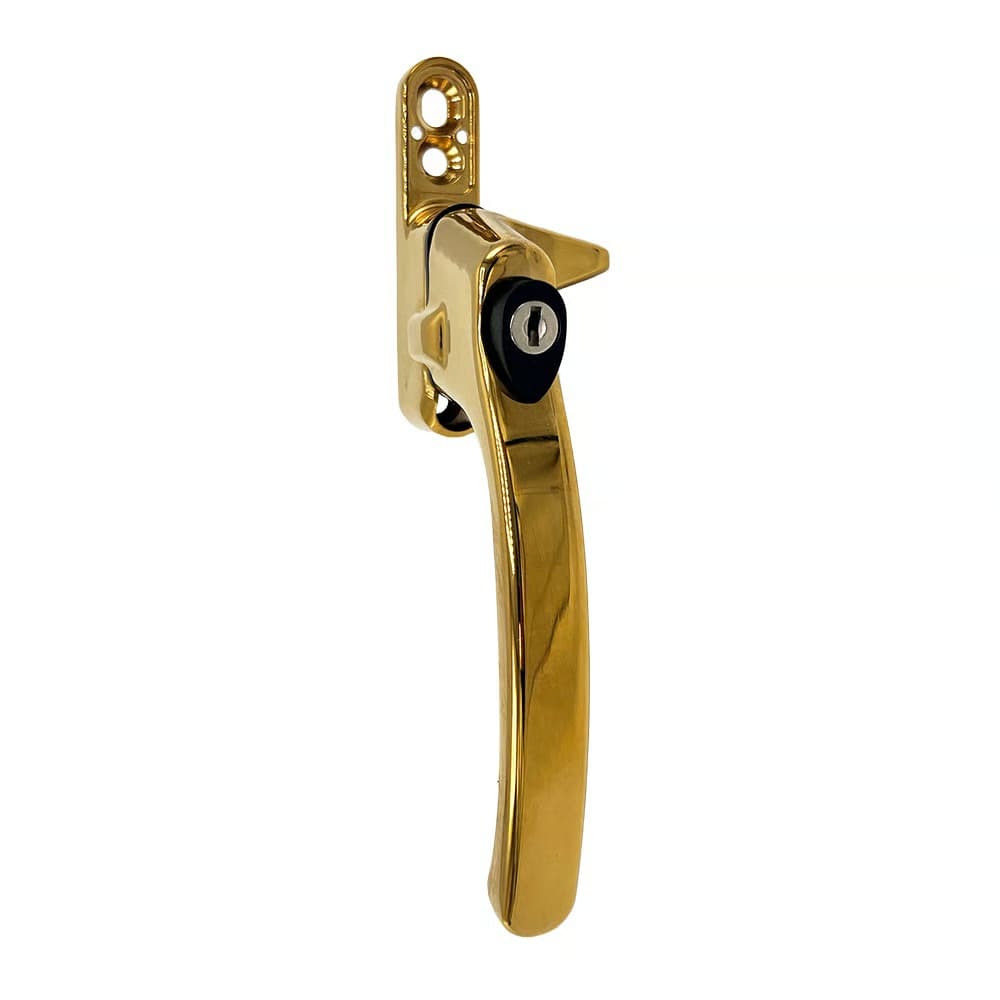
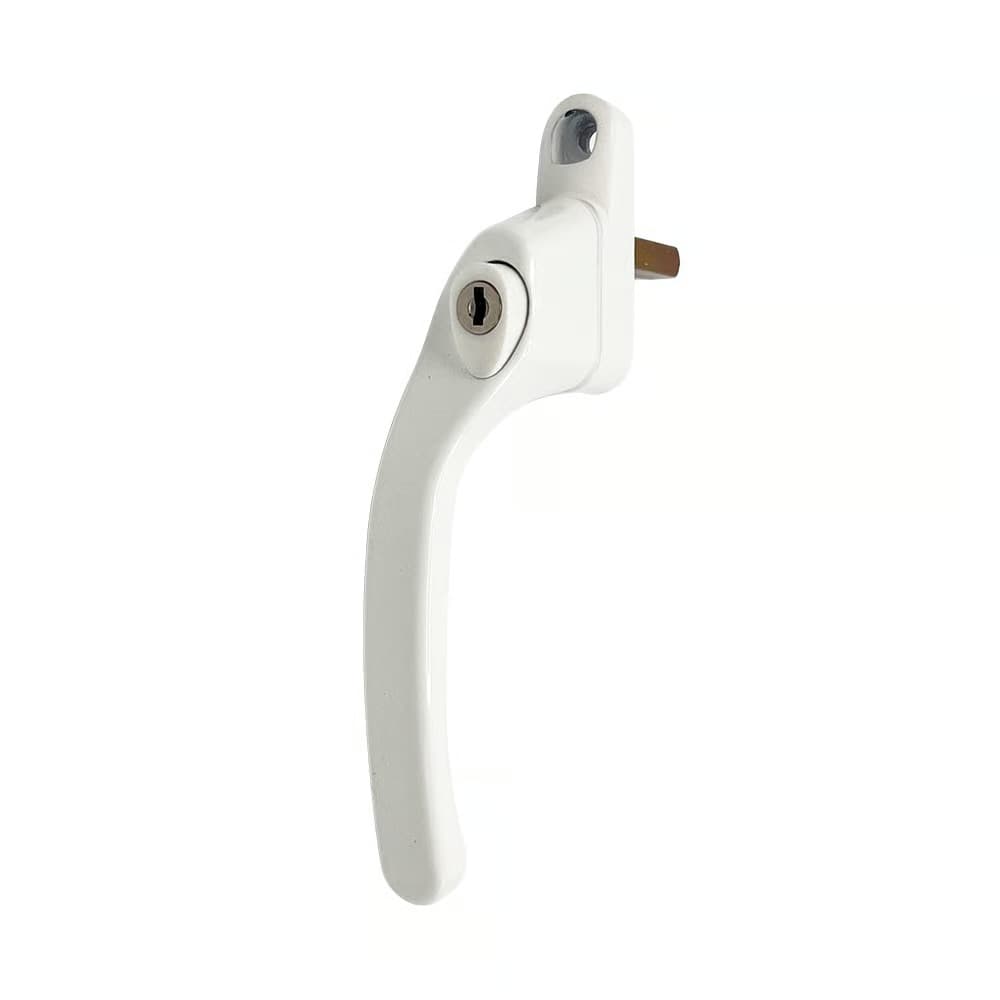
Products such as the TSS Cockspur Window Handle and more security-focused options like the TSS Cockspur Window Handles illustrate the range available: some are optimised for cockspur mechanisms while others offer features for espagnolette operations. A reliable mid-range offering is the TSS Offset UPVC Window Handles, suitable for many standard timber and uPVC windows.
Key compatibility checks before buying
Several measurements and observations ensure the chosen universal handle will fit:
- Spindle size and length: Measure the square spindle from the existing handle. Common sizes are 7mm and 8mm. Universal handles often come with adaptors for these sizes, but confirming the existing spindle diameter and length prevents issues.
- Screw hole centres: Measure the distance between fixing screws on the backplate. Typical centres are 38mm or 43mm. Many universal handles provide multiple fixing options or keyhole slots to accommodate variation.
- Backset and faceplate: For espagnolette locks, determine the faceplate position and the distance from the handle centre to the edge of the door or window. Some universal espag handles have adjustable spindles or extension kits.
- Locking mechanism type: Identify whether the window uses cockspur, espagnolette, multi-point or simple latch systems. Match the handle style designed for that mechanism for secure operation.
- Handing and orientation: Check whether the handle needs to reverse direction for left- or right-handed windows. Many universal handles are reversible or supplied with reversible components.
Choosing material and finish
Durability and appearance matter. Common materials include zamak (zinc alloy), aluminium and stainless steel. Zamak is cost-effective and often plated for corrosion resistance; aluminium and stainless steel offer superior longevity in damp or coastal environments.
Finishes such as white, brown, satin chrome and polished chrome should match window furniture and door hardware for a cohesive look. For bathrooms or seaside properties, specify stainless steel or a high-grade corrosion-resistant finish to prevent pitting and discolouration.
Installation checklist and practical steps
1. Gather tools: screwdriver (Pozidriv or cross-head depending on screws), tape measure, spirit level, pencil, and a centre-finder for new holes. 2. Remove the old handle carefully: support the window sash and remove retaining screws. Note the spindle orientation and any adaptors. 3. Clean the area: remove old grease, corrosion and debris to ensure a flush fit for the new backplate. 4. Test-fit the new handle: check spindle alignment and screw hole positions without tightening. Use washers or packing where small gaps exist to avoid strain. 5. Cut or trim spindle if necessary: some universal handles provide spindles that need shortening. Measure precisely and file square to ensure smooth engagement with the lock mechanism. 6. Secure the handle: tighten fixing screws evenly. Avoid overtightening which can crack uPVC or timber substrates. 7. Test operation: open and close the window through full range, lock and unlock if applicable, and make minor adjustments to ensure smooth action.
Tradespeople may benefit from carrying common adaptors, a small selection of spindles and extra screws to accommodate unexpected variations on site.
Maintenance tips for longevity
- Lubrication: Apply a light silicone or graphite lubricant to the lock mechanism and spindle annually. Avoid thick grease that attracts dust.
- Check fixings: Inspect and retighten screws after seasonal humidity changes, as timber can shrink or swell.
- Clean finishes correctly: Use mild detergent and soft cloths. Avoid abrasive cleaners which remove protective coatings.
- Replace worn components early: Worn spindles or stripped fixing holes can be remediated with thread inserts or by replacing the spindle rather than the entire window mechanism.
Troubleshooting common issues
- Handle won’t fully engage lock: Check spindle length and alignment; ensure adaptors are fully seated. Inspect the lockface for obstructions or misaligned keepers.
- Wobble or loose handle: Replace stripped screws or use slightly larger diameter screws. For repeated failures in soft timber, insert a wooden dowel or use thread repair inserts.
- Difficulty locking from closed position: Adjust striker plate or keepers on the frame to ensure proper engagement with the espagnolette or latch.
- Corrosion or stiffness: Remove and clean components, then lubricate. Persistent corrosion may require replacement with a stainless steel or higher grade finish handle.
When universal handles are not suitable
Some high-security multi-point systems, bespoke heritage windows and certain French casement espagnolette mechanisms require dedicated handles designed specifically for those locks. In those cases, choose a handle matched to the manufacturer’s specification or consult technical datasheets to avoid compromising security or functionality.
Final considerations
Universal window handles can save time and cost while providing sufficient performance for most domestic and trade applications, provided measurements and mechanism types are confirmed beforehand. Select a reputable model with appropriate materials for the environment, carry common adaptors on site, and follow straightforward installation and maintenance routines to ensure reliable operation.
Related Reading
Explore more guides on related topics:
Part of our guide:
Complete Guide to Window Handles