New Window Handles: When You Need a New Mechanism Too
Replacing old hardware with new window handles can refresh the look of your home, improve security and fix operational problems. This guide covers how to choose the right new window handles, measure and fit them, and maintain them for long life. It includes compatible products and practical, actionable steps you can follow whether you are a keen DIYer or arranging a professional install.
Improved security: modern handles often work with upgraded locking cylinders for better protection.
Better operation: worn or bent handles can make windows difficult to open or close.
Aesthetic upgrade: new handles can complement a modern interior or restore a period look.
Compliance and safety: some handles suit child-safety or fire-escape requirements.
When searching for new window handles, consider material, finish, locking type and compatibility with your existing window mechanism.
Espag (espagnolette) handles
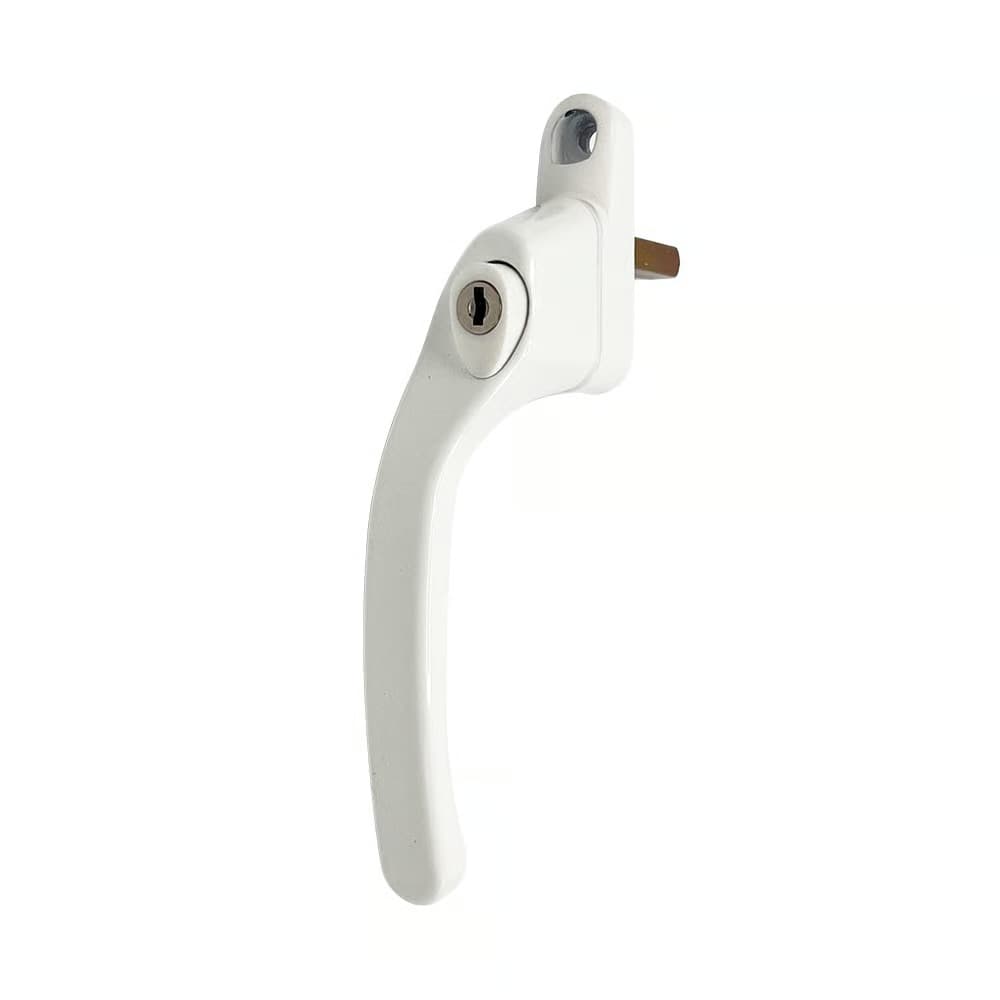
Espag handles operate a multi-point locking mechanism via an internal spindle. They are common on uPVC and aluminium windows. For slimline profiles, consider the Avocet Slimline Offset Window Espag.
Cockspur handles
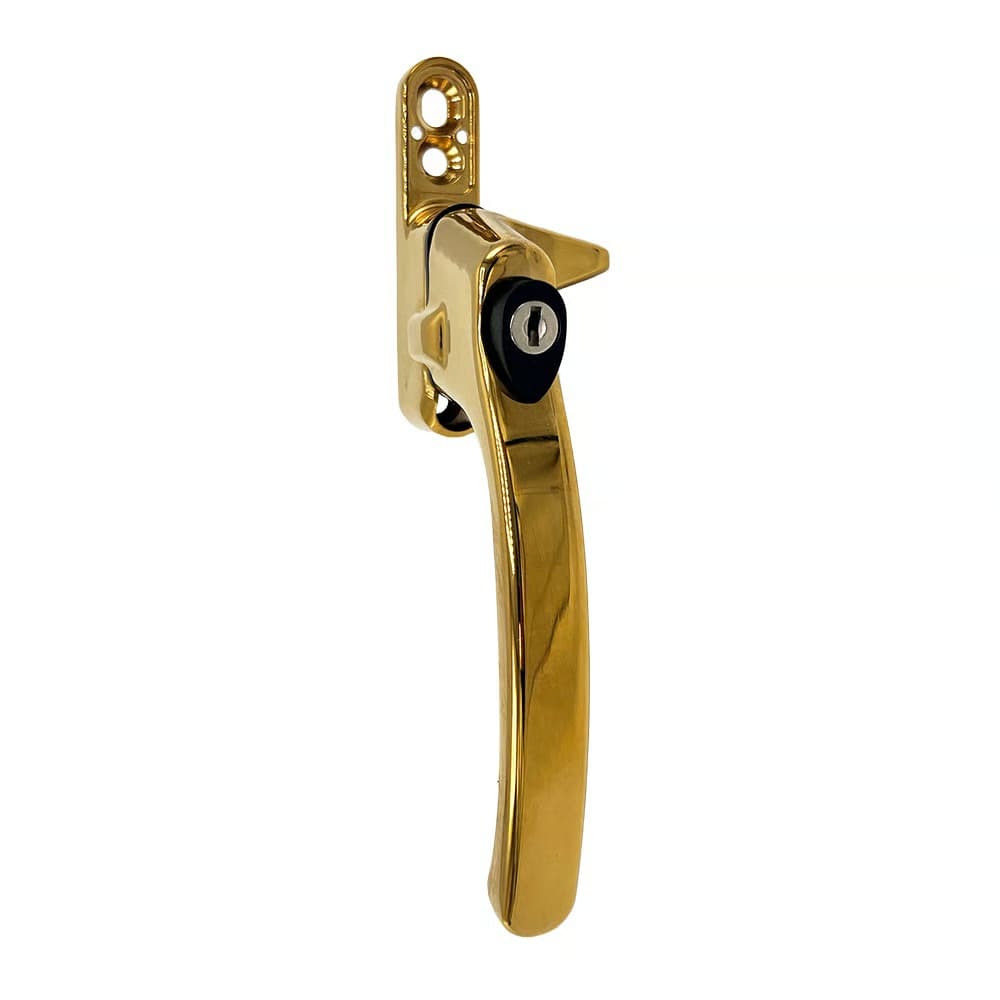
Cockspur window handles fit over the flushframe and push against the bead to hold the window closed. They are simple and economical; the TSS Cockspur Window Handles are a typical choice for older uPVC frames.
Offset uPVC handles
Offset handles address windows where the mounting spindle or latch is not centrally aligned. The TSS Offset UPVC Window Handles are designed for such situations.
Thumb-turn euro cylinders
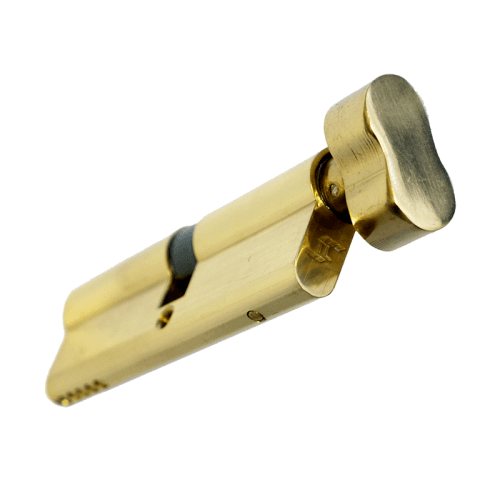
Handles used with euro cylinders require a compatible thumb-turn cylinder for internal locking without a key: the TL Thumb Turn Euro Cylinder can be used when you want keyless internal operation.
Security cylinders
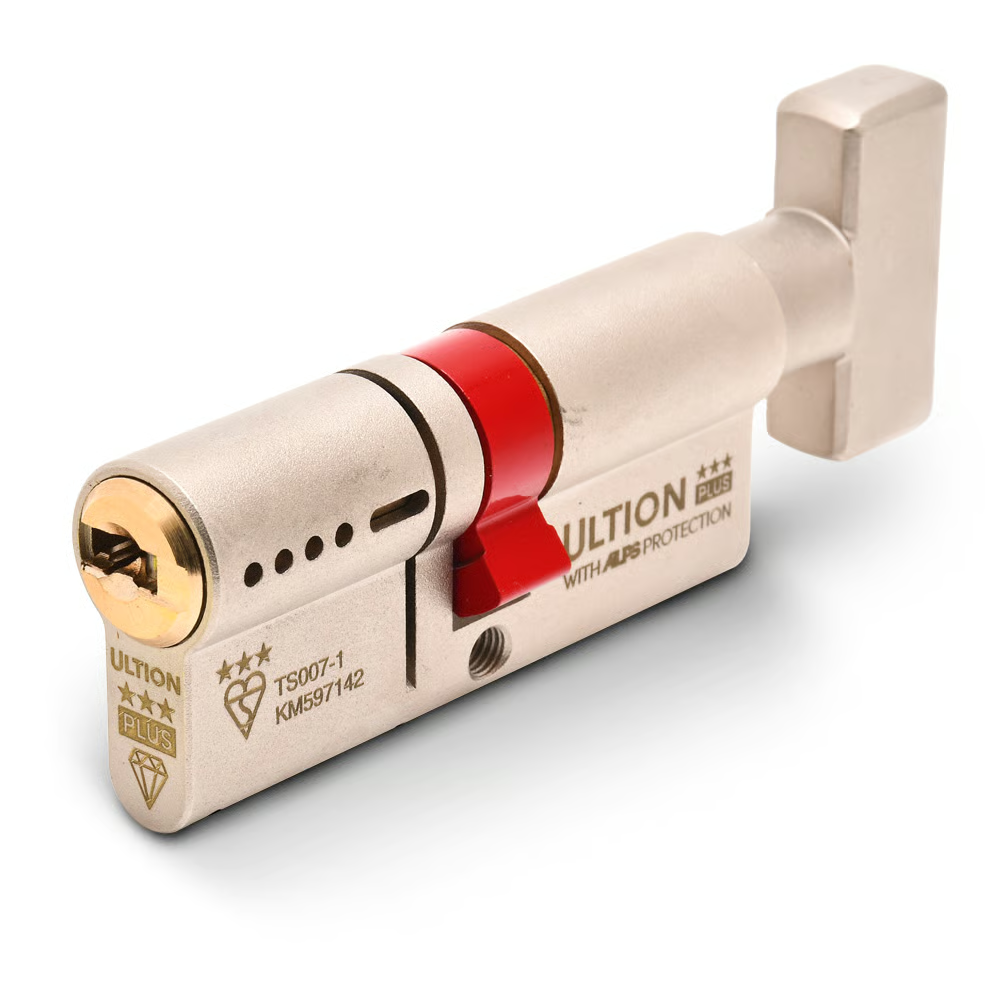
For higher security, fit a kitemarked cylinder such as the Ultion Plus TS007 3* Kitemarked Euro Key & Turn Cylinder. These will usually require compatible handle roses and may affect handle choice.
Identify the handle type fitted now: espag, cockspur, offset or padbolt. Compare with the replacement options.
Measure the spindle length and diameter: remove the handle to measure the exposed spindle. Common spindles are 7mm square; spindle length matters when buying offset or extended handles.
Check screw centres: measure the distance between fixing screws on the handle backplate to match replacement screw holes.
Confirm cylinder compatibility: if your handle works with a euro cylinder, ensure the new handle accepts the cylinder’s dimensions and security features.
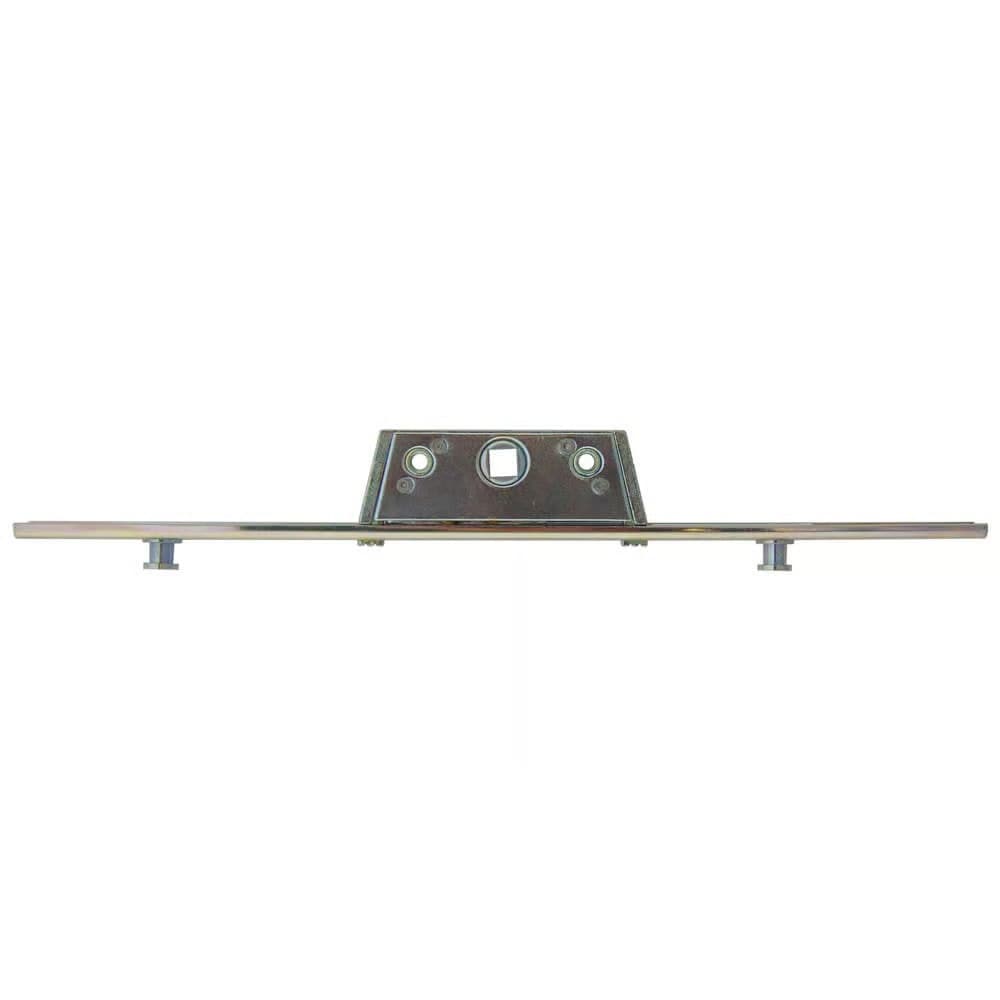
Consider the window mechanism: if your window uses an In-Line or top-hung mechanism, check compatibility with new handles and hinges. See the In-Line Window Mechanism and Top-Hung Window Hinge - Standard listings for reference.
Screwdrivers (Pozidriv and flat head)
Tape measure and vernier calipers if available
Replacement handles and any matching roses or fixings
New screws where necessary
Lubricant such as light machine oil or silicone spray
Cloth and mild cleaner
Optional: drill with small bits if screw holes need adapting
Note: these are general steps. Consult the manufacturer instructions supplied with your chosen handles.
Prepare the window: open it to a safe position, support the sash, and stabilise work area.
Remove the old handle: unscrew fixings and gently pull off the handle. For euro-cylinder setups, unlock and remove the cylinder retaining screw and withdraw the cylinder if required.
Measure the spindle and backplate screw centres to confirm the new handle will fit. If the new handle has different screw centres you may need to fill and redrill holes.
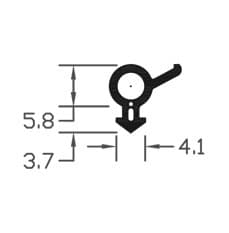
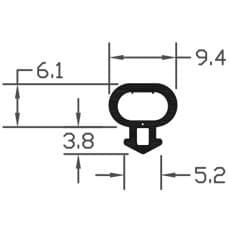
Inspect the mechanism: check the espagnolette or multi-point gear for wear. Replace or tighten any loose components. Consider refreshing gaskets; B003 Bubble Gasket and B004 Bubble Gasket are useful for improving seal and draught-proofing.
Fit the new handle: insert the spindle into the mechanism, align backplate screw holes and tighten screws evenly. Avoid overtightening as this can bind the mechanism.
Reinstall or fit the euro cylinder if required: insert the cylinder and secure with the retaining screw. Test operation using the key and thumb-turn.
Test the window: open and close several times to ensure smooth operation and positive locking. Adjust handle torque or mechanism settings if necessary.
Finish: apply a small amount of lubricant to the moving parts and wipe away excess. Check seals and hinges; if hinges or frames are loose, consider fitting the Flag Door Hinge - Stainless Steel or the Top-Hung Hinge if the window is top-hung.
Use a kitemarked cylinder such as the Ultion Plus TS007 for enhanced resistance to drilling and snapping.
Consider handle-safe roses that prevent cylinder manipulation from outside.
For critical windows, pair a secure cylinder with robust handles and ensure the espagnolette locking points are intact.
Make sure fixings are not accessible from outside when the window is closed.
Clean handles with a damp cloth and mild detergent; avoid abrasive cleaners.
Lubricate moving parts twice a year with a light oil or silicone-based spray.
Check and tighten fixings annually to prevent loosening.
Replace worn gaskets like B003 or B004 to keep the window weatherproof and reduce strain on the handle mechanism.
If the locking mechanism is damaged or worn beyond a simple fix
If screw centres or spindle positions require extensive modification
Where windows are high or difficult to access safely
For guaranteed security installations, especially when fitting TS007-rated cylinders
For uPVC windows needing an offset handle: TSS Offset UPVC Window Handles.
For slimline espag windows: Avocet Slimline Offset Window Espag.
For better sealing when replacing hardware: B003 Bubble Gasket or B004 Bubble Gasket.
For internal keyless locking: TL Thumb Turn Euro Cylinder.
For higher-security installations with a matching handle: Ultion Plus TS007 3* Kitemarked Euro Key & Turn Cylinder.
If hinge issues exist: In-Line Window Mechanism and Top-Hung Window Hinge - Standard can be checked alongside handle upgrades.
Confirm handle type and spindle size
Measure screw centres and backplate dimensions
Choose a finish that matches window frames and interior hardware
Decide on security level and cylinder compatibility
Have the correct tools and, if unsure, budget for a professional fitter
Replacing your old hardware with new window handles is a relatively straightforward way to improve window function, appearance and security. With the right measurements and compatible products, you can complete a successful upgrade that lasts for years.
Explore more guides on related topics: