Tilt and Turn Handle vs Standard Espag: Differences Explained
Choosing the right window hardware affects performance, security, and ease of use. Two common options for UPVC and aluminium windows are the tilt and turn handle and the standard espag handle. This gu...
Choosing the right window hardware affects performance, security, and ease of use. Two common options for UPVC and aluminium windows are the tilt and turn handle and the standard espag handle. This guide explains the practical differences, installation considerations, and trade tips to help installers and savvy DIYers specify the correct handle for each job.
What is a tilt and turn handle: quick overview
A tilt and turn handle is designed to operate tilt and turn windows, giving two modes of opening from a single handle. In one direction the sash tilts inwards from the top for secure ventilation; in another direction the sash turns fully inwards for cleaning or egress. The handle works with a multipoint locking gearbox or mechanism specific to tilt and turn hardware.
- Common handle positions: closed, tilt, and turn.
- Typically used on inward-opening casement windows in Europe and modern UK installations.
- Often available in a range of finishes and non-handed designs for convenience.
What is a standard espag handle and how it differs
A standard espag handle operates a window via an espagnolette (espag) gearbox that drives locking rods or cams in a multipoint system. Most commonly used with side-hung casement windows, a standard espag handle has a single rotational action to open and close the sash and usually works with an espag or tilt-only mechanism.
- Single action: open or closed; no separate tilt mode.
- Available in left- or right-handed versions depending on sash handing.
- Designed to interface with an espag rod of a specified length and screw spacing.
Key performance and security differences
From a trade perspective, understanding the mechanical and security differences helps you recommend the right fit for each project:
- Operation: A tilt and turn handle provides two-stage ventilation and a full turn for cleaning; a standard espag handle provides straightforward opening and locking.
- Security: Both can form part of a robust multipoint locking system; however, tilt and turn systems often have dedicated keeps and locking points tailored to tilt mode. Always specify handles that meet relevant PAS 24 or Secured by Design criteria for high-risk installations.
- Weathering and compression: Tilt and turn window seals are designed to compress differently in tilt versus turn modes; ensure the handle and gearbox allow sufficient throw for compression adjustment.
- Access control: Tilt and turn handles often incorporate child safety restrictors or key locks more commonly than standard espag handles; consider site requirements.
Practical installation considerations for tradespeople
Installation differences matter on-site. Consider these trade tips when fitting a tilt and turn handle or a standard espag handle:
- Check handing: Tilt and turn handle orientation can be non-handed but confirm before ordering; espag handles are frequently handed, so measure sash handing precisely.
- Backset and spindle size: Verify the gearbox backset and spindle diameter/length; mismatch causes poor engagement and functional issues.
- Screw centres: Use the correct screw centres for base plate fixation. Replacing handles on older windows may require adaptor plates or filler plates for neat installation.
- Sealing and adjustment: After fitting a tilt and turn handle, adjust the locking points to avoid wind-load issues in tilt mode. For espag systems, check the striker plates and espag rod alignment to prevent snagging.
- Keyed options: If fitting key-lockable handles for communal areas, ensure keys are keyed alike or differ according to client specification.
When to choose tilt and turn handle over standard espag
Knowing when to specify a tilt and turn handle saves time and reduces callbacks:
- Choose tilt and turn handle when the window type is tilt and turn: this is obvious but vital; mixing handle type with incompatible hardware will fail.
- Use tilt and turn handle where cleaning access from inside is required, or where controlled ventilation without opening the full sash is desired.
- Prefer tilt and turn handle in higher-floor applications where safe ventilation is important; the tilt mode provides airflow while maintaining security.
- Opt for a standard espag handle for traditional side-hung casement windows or where a simple open/close action is preferred.
Maintenance and spare parts: what to keep on the van
Trade readiness prevents delays. Keep these common items for both handle types:
- Spare tilt and turn handle units including non-handed and keyed versions.
- Multiple lengths of espag rods and common gearbox types for espag systems.
- Spares: fixings, striker plates, keeps and adaptor plates to convert screw centres.
- Grease and lubrication suitable for multipoint gearboxes; regular lubrication extends service life and ensures smooth transition between tilt and turn modes.
Tip: mark handles with site details or client codes when fitting keyed variants to avoid mix-ups during handover.
Related Reading
Explore more guides on related topics:
Recommended Products
Based on this article, you may find these products helpful:
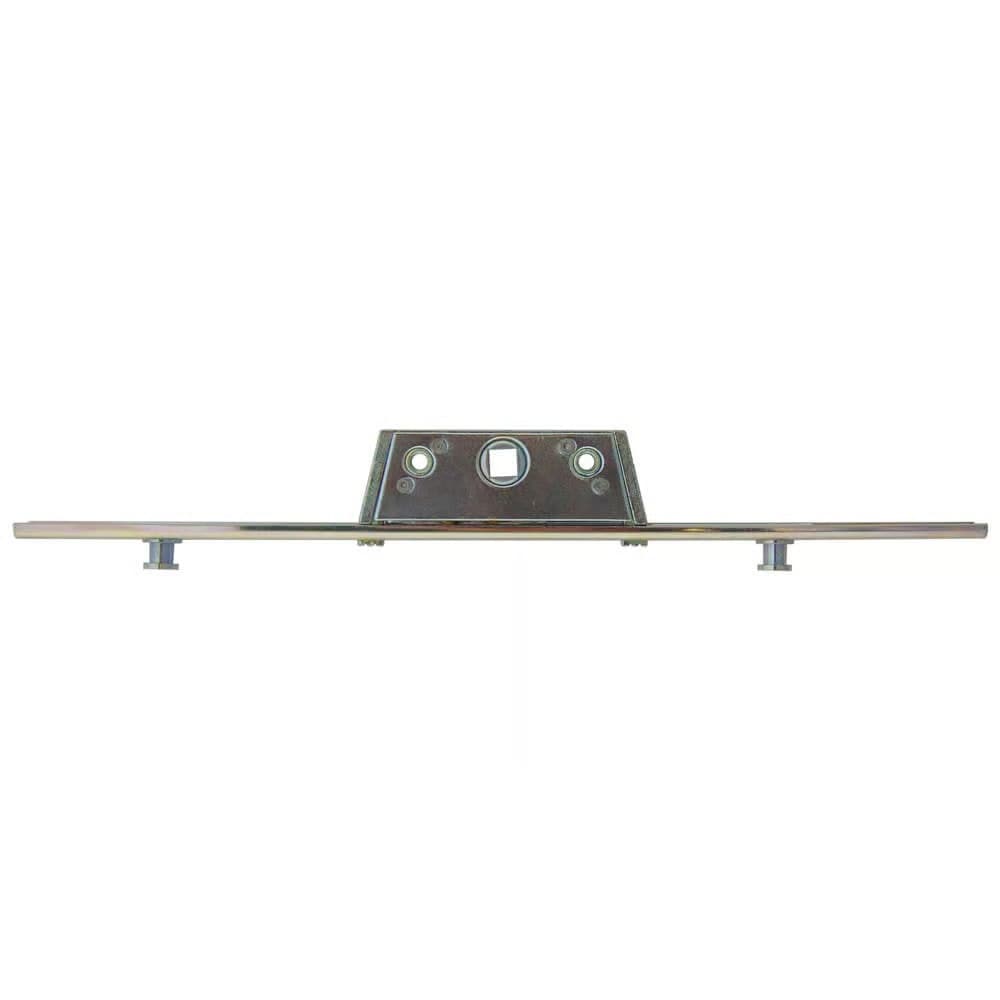
- ERAB Espagnolette Window Lock Universal Lock Replacement
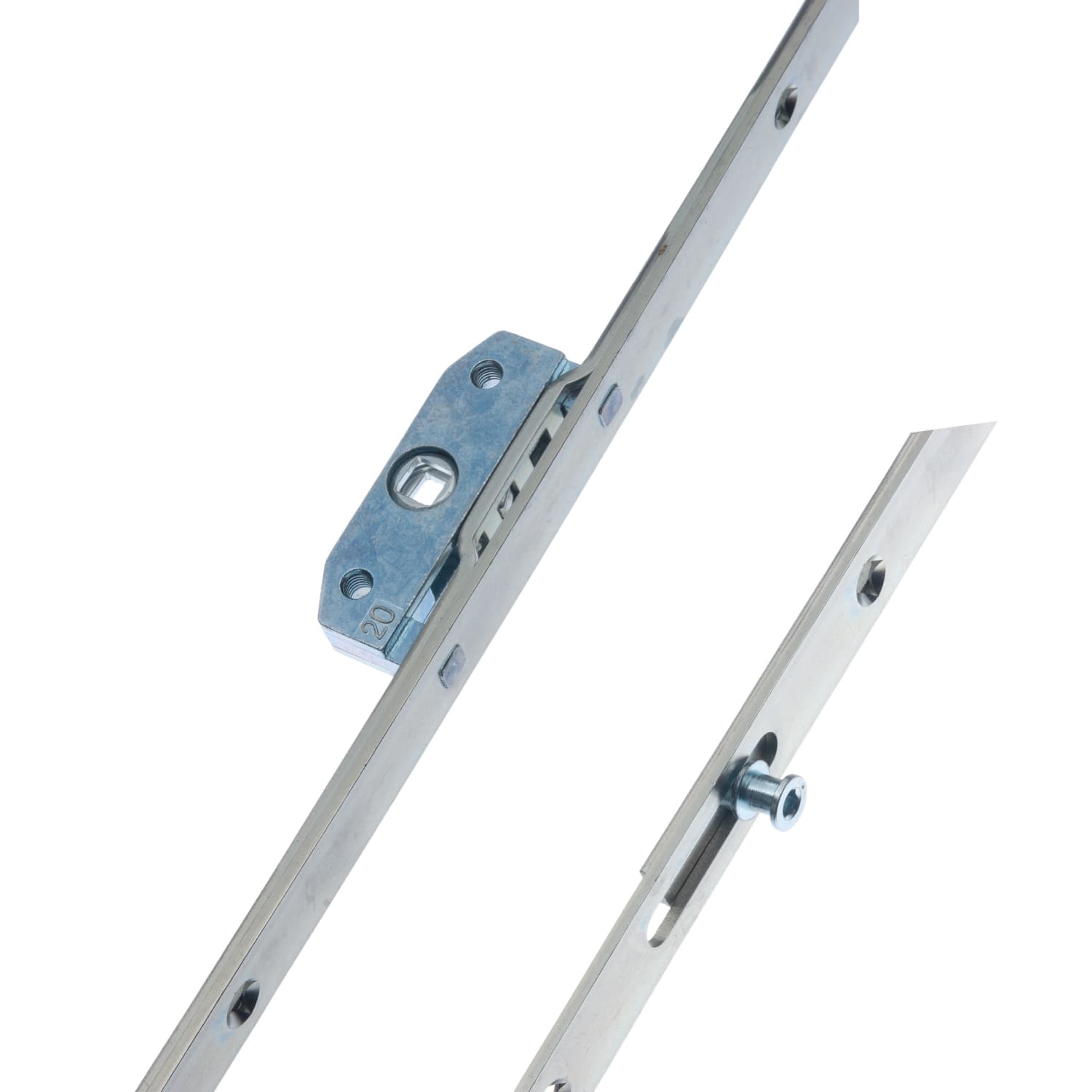
- Avocet Slimline Offset Window Espag
- UAP Keyless Window Restrictor
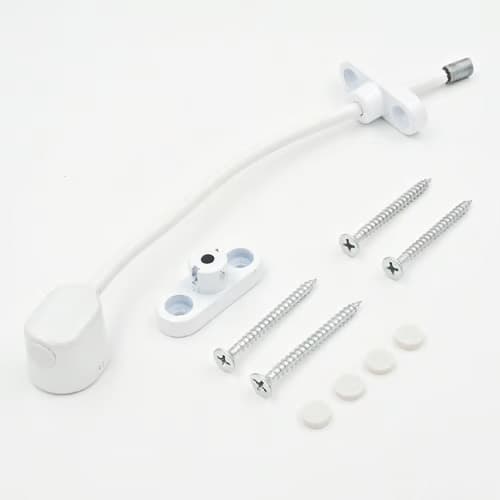
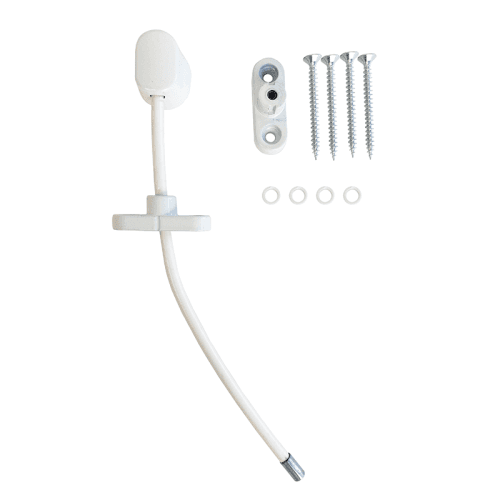
- TSS Keyless Cable Window Restrictor
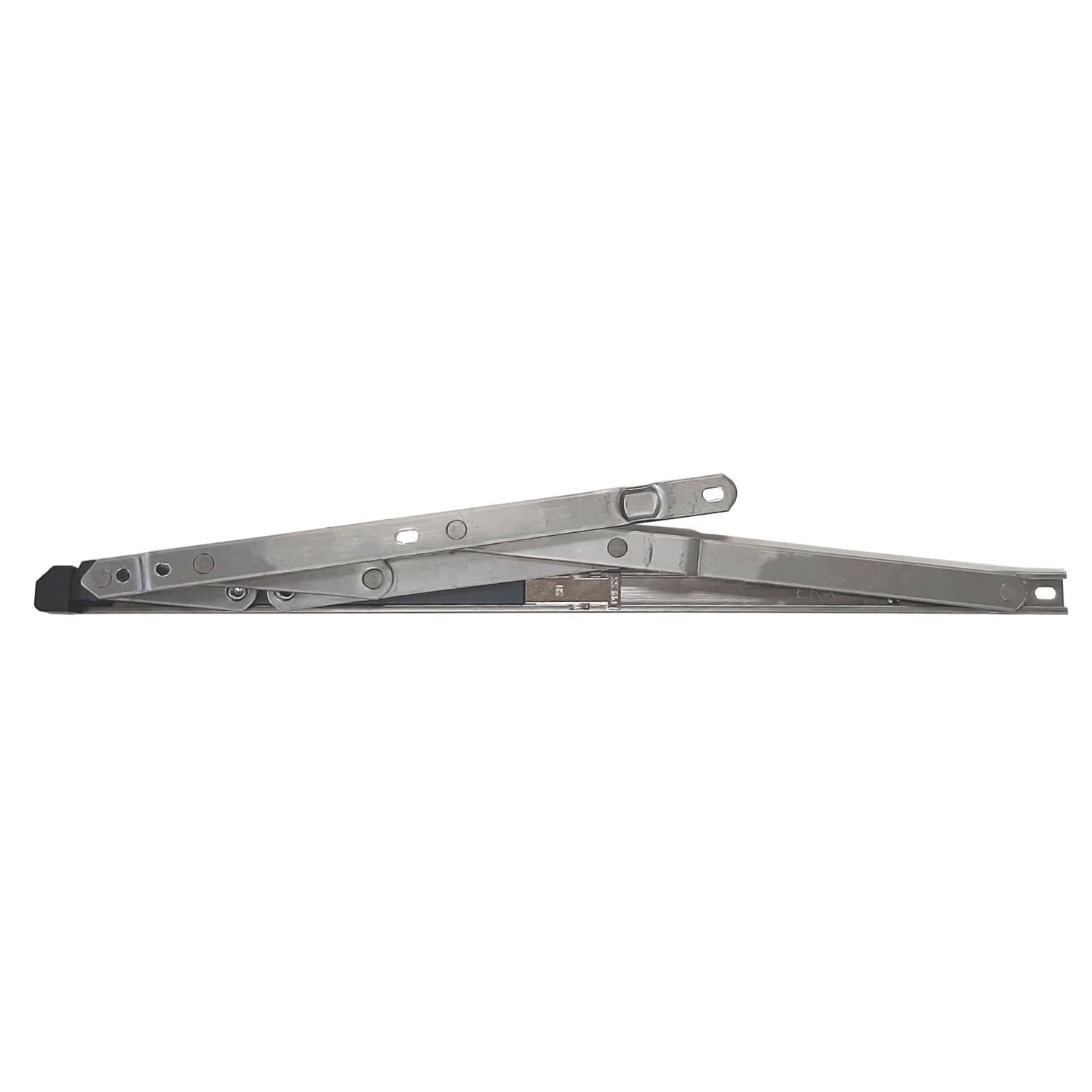
- Restricted Friction Stay Hinges
Conclusion: matching function to application
Specifying the correct handle is more than an aesthetic choice: it affects usability, safety, and compliance. A tilt and turn handle gives dual operation for ventilation and cleaning and is ideal for inward-opening tilt and turn sashes; a standard espag handle is suited to conventional casements where a single opening action is required. For installers and DIYers, measure carefully, check handing, and keep suitable spares to ensure first-time fixes. If in doubt, match the handle to the window hardware and the client's needs for ventilation, security and maintenance access.
Part of our guide:
Complete Guide to Window Handles