Window Handles

Common Window Handle Types: Espag Cockspur Tilt and Turn

29 December 2025

Common Window Handle Types: Espag Cockspur Tilt and Turn

Window handles are small parts with a big impact: they affect security, ease of use and the overall finish of your windows. This guide explains common types, how to choose the right handle, fitting and maintenance tips, and how handles work with other window components.

Why the right window handles matter

Choosing the correct window handles ensures smooth operation, reliable locking and a tidy aesthetic. Poorly chosen or worn handles can cause operational problems and weaken security. In many cases, replacing a handle is a low-cost way to restore function without having to replace the whole window.

Common types of window handles

Cockspur handles

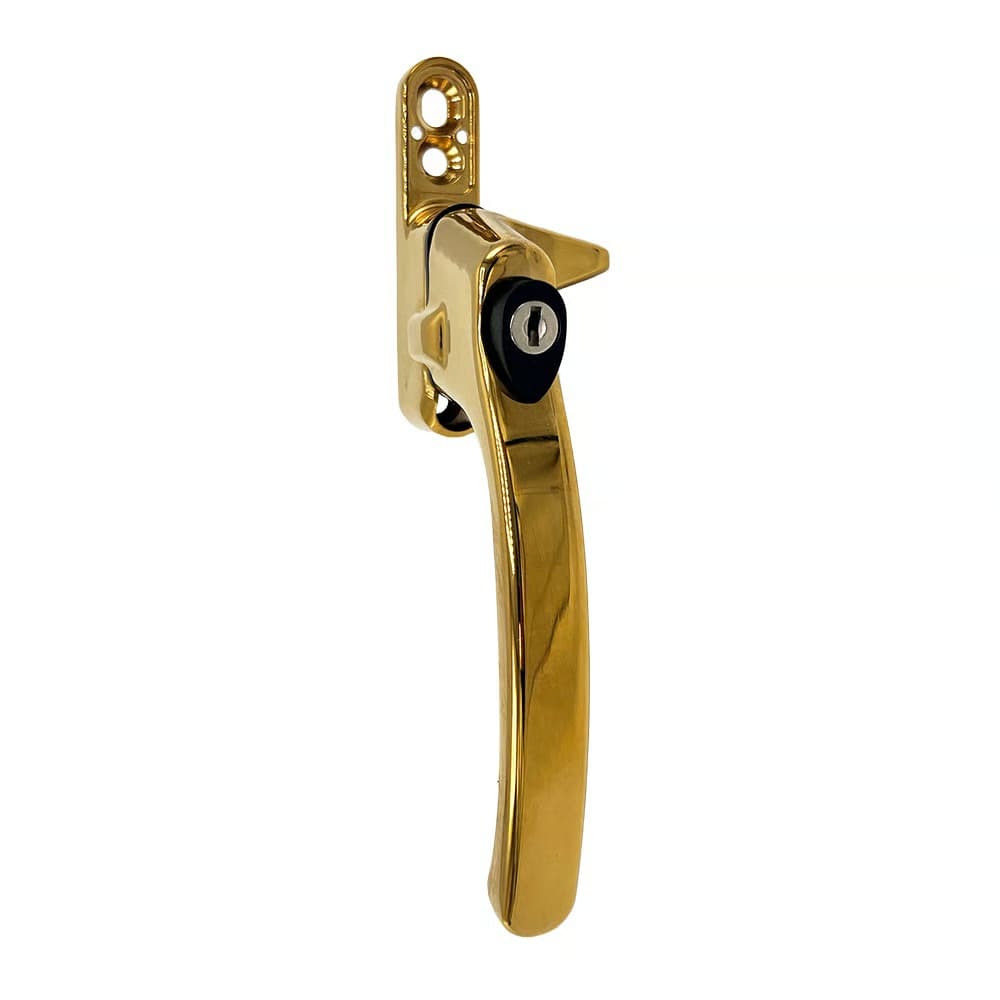
Cockspur window handles are widely used on older aluminium and metal-framed windows. The handle operates an external spur that engages the frame. They are simple, economical and easy to replace. See TSS Cockspur Window Handles for typical options: /p/tss-cockspur-window-handles.

Suitable for: older metal frames, secondary glazing and quick repairs.

Pros: inexpensive, easy to fit. Cons: less secure than multi-point locking options.

Espag handles (espagnolette)

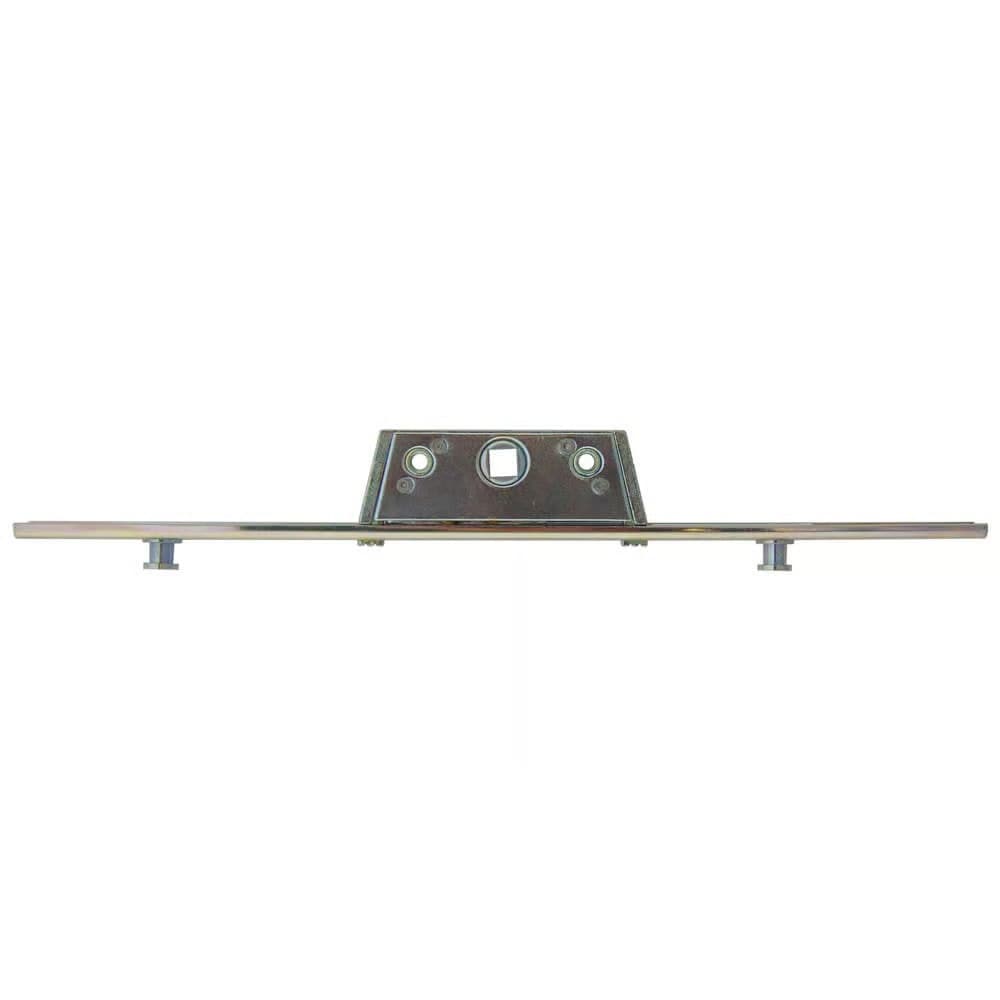
Espag handles operate an internal espagnolette mechanism that runs along the window edge. They are common on UPVC and modern aluminium windows. For slimline profiles, consider the Avocet Slimline Offset Window Espag: /p/avocet-slimline-offset-window-espag.

Suitable for: UPVC and aluminium casement windows.

Pros: smooth operation, can be paired with multi-point locks. Cons: require alignment with the espag rod.

Offset UPVC handles

Offset handles sit away from the lock spindle to clear beading or trim. TSS Offset UPVC Window Handles are designed for such applications: /p/tss-offset-upvc-window-handles.

Suitable for: UPVC frames with obstructions near the handle area.

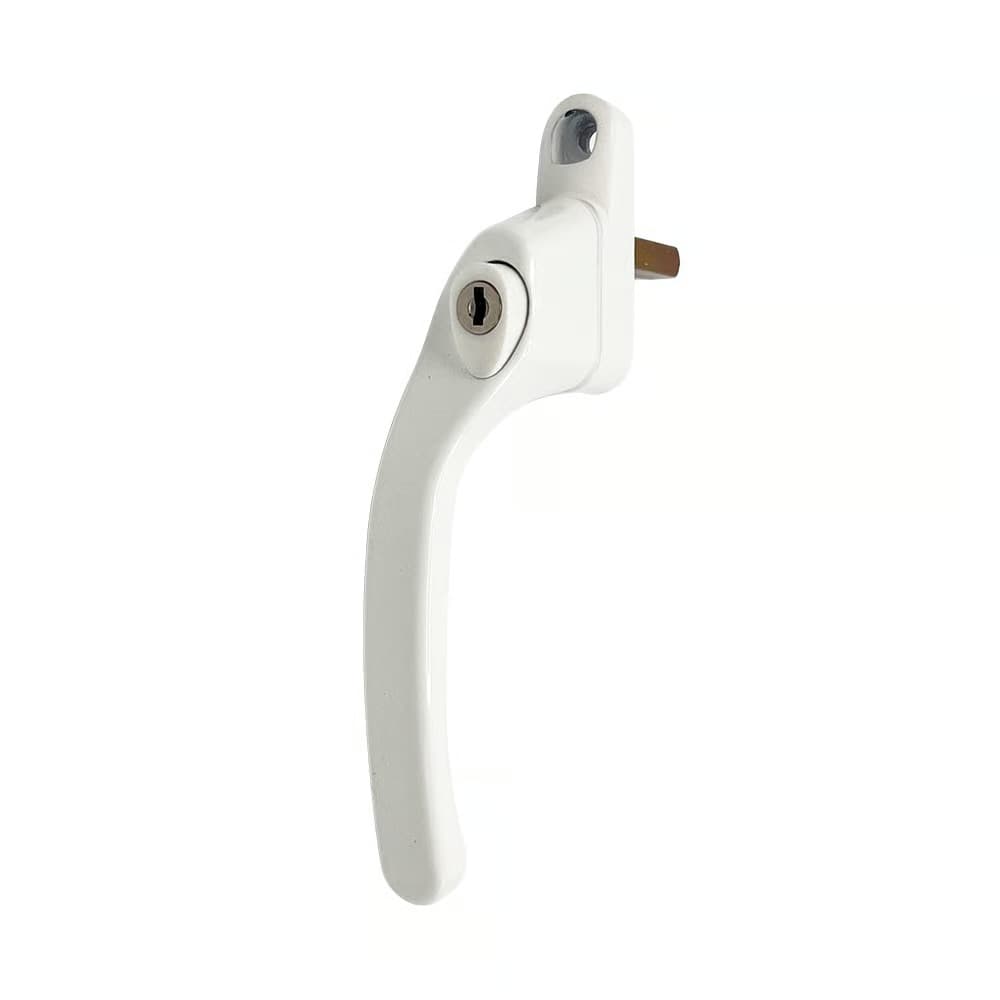
Thumb-turn and key-handles

Handles with a thumb turn or keyed cylinder combine operation with locking. The TL Thumb Turn Euro Cylinder provides a thumb-turn function, while high-security cylinders such as Ultion Plus TS007 3* Kitemarked offer enhanced protection: /p/tl-thumb-turn-euro-cylinder and /p/ultion-plus-ts007-3-kitemarked-euro-key-turn-cylinder.

Suitable for: windows where isolation or extra security is required, such as ground-floor rooms.

How window handles interact with other components

Window handles do not work in isolation. Consider these components when selecting or fitting a handle:

  • Espag/inline mechanisms: for espag handles you must ensure the in-line mechanism or espag rod is compatible. See In-Line Window Mechanism: /p/inline-window-mechanism.
  • Hinges: top-hung or side-hung windows rely on suitable hinges for correct operation; for example Top-Hung Window Hinge - Standard: /p/top-hung-hinge-standard.
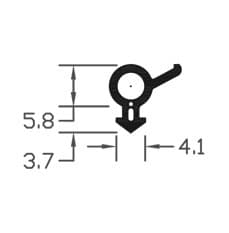
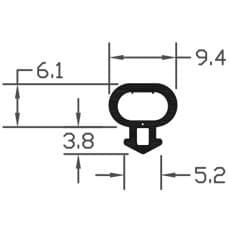
  • Gaskets: bubble gaskets help weather-seal the sash; B003 and B004 are common profiles: /p/b003-bubble-gasket and /p/b004-bubble-gasket.
  • Door hinges and frame fixings: where a window adjoins a door, components such as the Flag Door Hinge may be relevant: /p/flag-door-hinge-sss.
  • Choosing the right handle: practical checklist

  • Identify the window type: casement, tilt-and-turn, sliding or sash. Different designs need specific handle styles.
  • Determine the locking requirement: simple latch, thumb-turn or keyed cylinder.
  • Check backset and spindle length: measure from the handle centre to the edge of the frame and ensure the spindle matches the mechanism.
  • Check offset and clearance: if beading or trims are present use an offset handle.
  • Match finish and colour: choose a finish that complements hardware and frames.
  • Consider security certification: for high-security situations select handles or cylinders with recognised standards, for example TS007 kitemarked cylinders.
  • Practical fitting guide for a replacement handle

    If you are replacing a handle on a standard casement window, follow these steps. If unsure, consult a qualified installer.

    Materials and tools required:

  • Replacement handle and matching screws

  • Screwdriver set

  • Tape measure

  • Masking tape and pencil

  • Allen key set if the handle uses grub screws
  • Steps:

  • Inspect the new handle: confirm the spindle size and screw positions match the old handle.

  • Remove the old handle: use the appropriate screwdriver or allen key. Keep any shims or spacers for reference.

  • Measure and mark: if the new handle has a different screw pattern, mark new screw positions carefully with masking tape and a pencil.

  • Fit the spindle: insert the spindle through the mechanism ensuring it seats fully in the gearbox or espag rod.

  • Attach the handle: align and secure the screws, but do not fully tighten until both sides are fitted and the handle operates freely.

  • Test operation: open and close the window several times. If binding occurs, check spindle alignment and adjust screw tightness.

  • Secure and finish: once operation is smooth tighten screws, and tidy any trim or beading.
  • Tip: if the handle still feels loose after tightening, check for a worn gearbox or stripped spindle. Replacing the mechanism may be necessary rather than fitting a new handle alone.

    Maintenance tips to prolong lifespan

  • Clean handles periodically with a mild detergent and a soft cloth; avoid abrasive cleaners that damage finishes.
  • Lubricate moving parts with a light machine oil or a silicone spray once a year; avoid heavy grease that attracts dirt.
  • Check screws and fastenings annually and tighten where necessary.
  • Inspect locking cylinders and keep them free from grit; use a graphite lubricant if advised by the manufacturer.
  • Security considerations

    Window handles are part of the overall security system. For improved security:

  • Use handles with internal locks or pair handles with a Kitemarked cylinder such as the Ultion Plus TS007: /p/ultion-plus-ts007-3-kitemarked-euro-key-turn-cylinder.

  • Fit handles that allow multi-point locking where available, using the correct espag or inline mechanism: /p/inline-window-mechanism and /p/avocet-slimline-offset-window-espag.

  • Consider window restrictors for child safety and anti-entry security where appropriate.
  • When to replace more than just the handle

    Replace the mechanism or additional components if you notice any of the following:

  • The handle turns freely but the lock does not engage: likely a failed gearbox or espag mechanism.

  • Excessive wear or corrosion on the espag rod or contacts: consider a full mechanism replacement.

  • Gaps or poor sealing around the sash: review gaskets such as B003 or B004 and replace if necessary: /p/b003-bubble-gasket, /p/b004-bubble-gasket.
  • Related Reading

    Explore more guides on related topics:

    Conclusion

    Selecting the correct window handles improves operation, enhances security and gives a better finish to your windows. Use the checklist above to choose the right style, follow the fitting steps for a reliable installation and maintain handles with simple cleaning and lubrication. When in doubt, inspect related components such as espag mechanisms, hinges and gaskets. Matching high-quality handles with appropriate cylinders and mechanisms ensures windows remain secure and easy to use for years to come.

    Useful product references mentioned in this article:

  • In-Line Window Mechanism: /p/inline-window-mechanism
  • Top-Hung Window Hinge - Standard: /p/top-hung-hinge-standard
  • B003 Bubble Gasket: /p/b003-bubble-gasket
  • TL Thumb Turn Euro Cylinder: /p/tl-thumb-turn-euro-cylinder
  • TSS Cockspur Window Handles: /p/tss-cockspur-window-handles
  • Avocet Slimline Offset Window Espag: /p/avocet-slimline-offset-window-espag
  • Flag Door Hinge - Stainless Steel: /p/flag-door-hinge-sss
  • TSS Offset UPVC Window Handles: /p/tss-offset-upvc-window-handles
  • B004 Bubble Gasket: /p/b004-bubble-gasket
  • Ultion Plus TS007 3* Kitemarked Euro Key & Turn Cylinder: /p/ultion-plus-ts007-3-kitemarked-euro-key-turn-cylinder
  • If you need help identifying the correct spindle length or selecting a handle to match an existing mechanism, tell me the window type and measurements and I can advise further.