Window Handles

White uPVC Window Handles: Matching the Most Common Frames

29 December 2025

White uPVC Window Handles: Matching the Most Common Frames

Window handles are small components with a big impact: they affect security, ease of use and the overall look of windows. This guide explains the main types of window handles, how to choose the right one for your frame and offers practical, actionable steps for installing, maintaining and upgrading window handles.

Why window handles matter

Good window handles provide smooth operation, secure locking and durable performance. Choosing the right handle improves user experience and can reduce drafts, water ingress and maintenance call-outs. Whether you are replacing a damaged handle or upgrading for better security, understanding handle types and fitment is essential.

Common types of window handles

Espag and offset espag handles

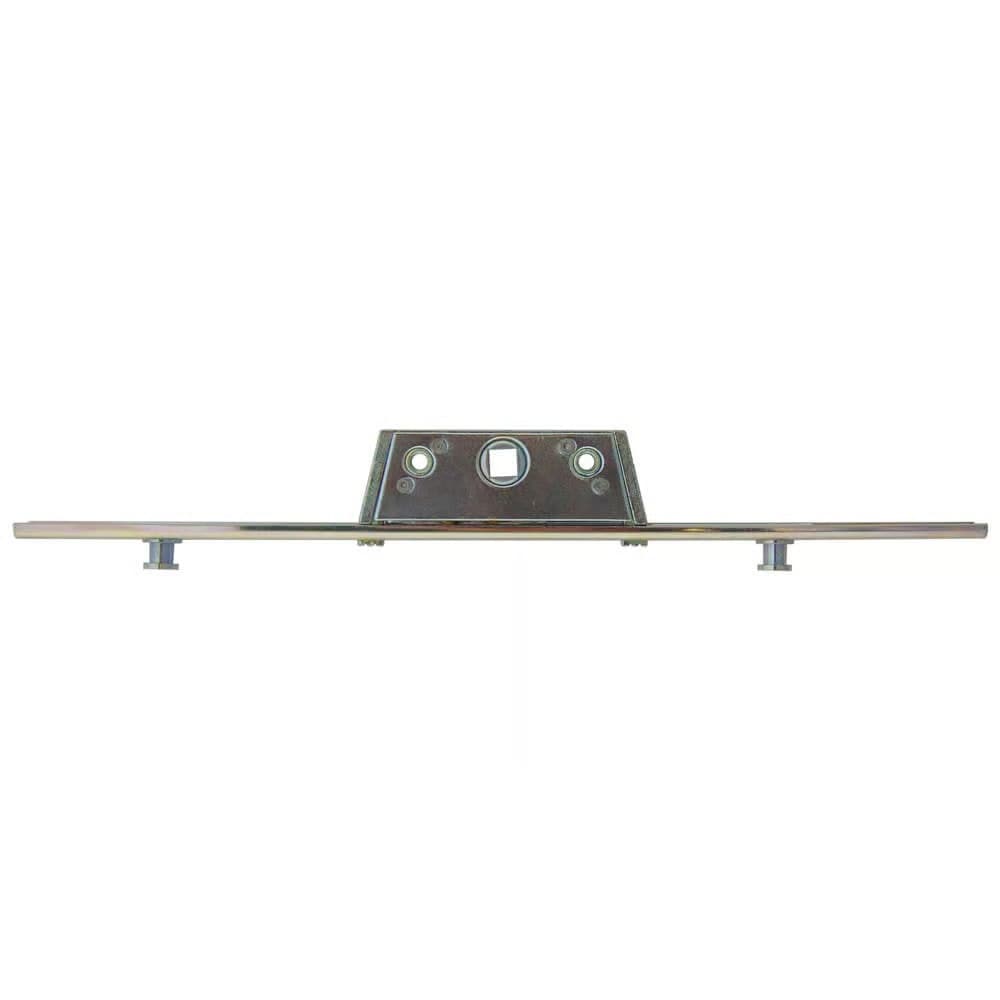
Espagnolette or espag handles operate a rod and locking keeps inside the window frame. They are common on uPVC and aluminium casement windows. For narrow frames or recessed fits, consider the Avocet Slimline Offset Window Espag. They offer a slim profile and reliable action.

Cockspur handles

Cockspur window handles (sometimes called cockspur fasteners) are surface-mounted and simple to fit. They are a good option for older timber windows or where minimal frame modification is preferred. See TSS Cockspur Window Handles for examples.

Offset uPVC handles

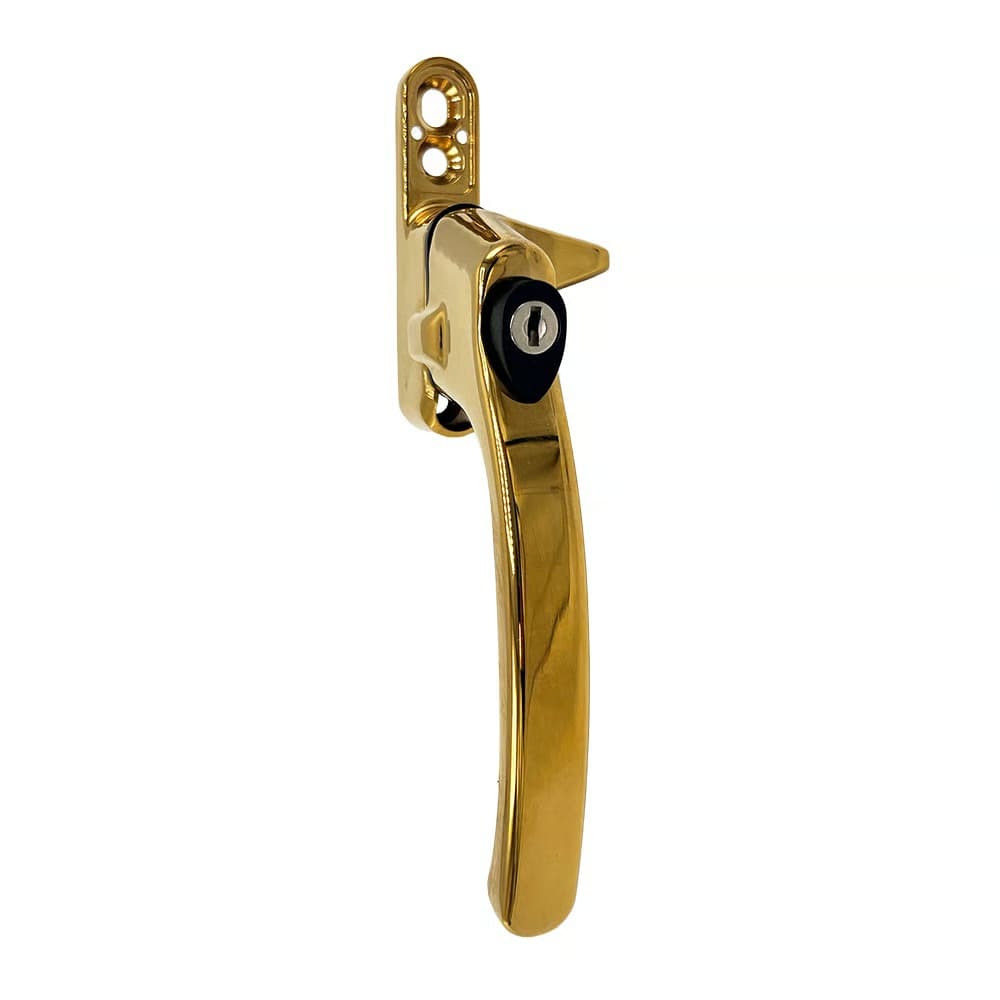
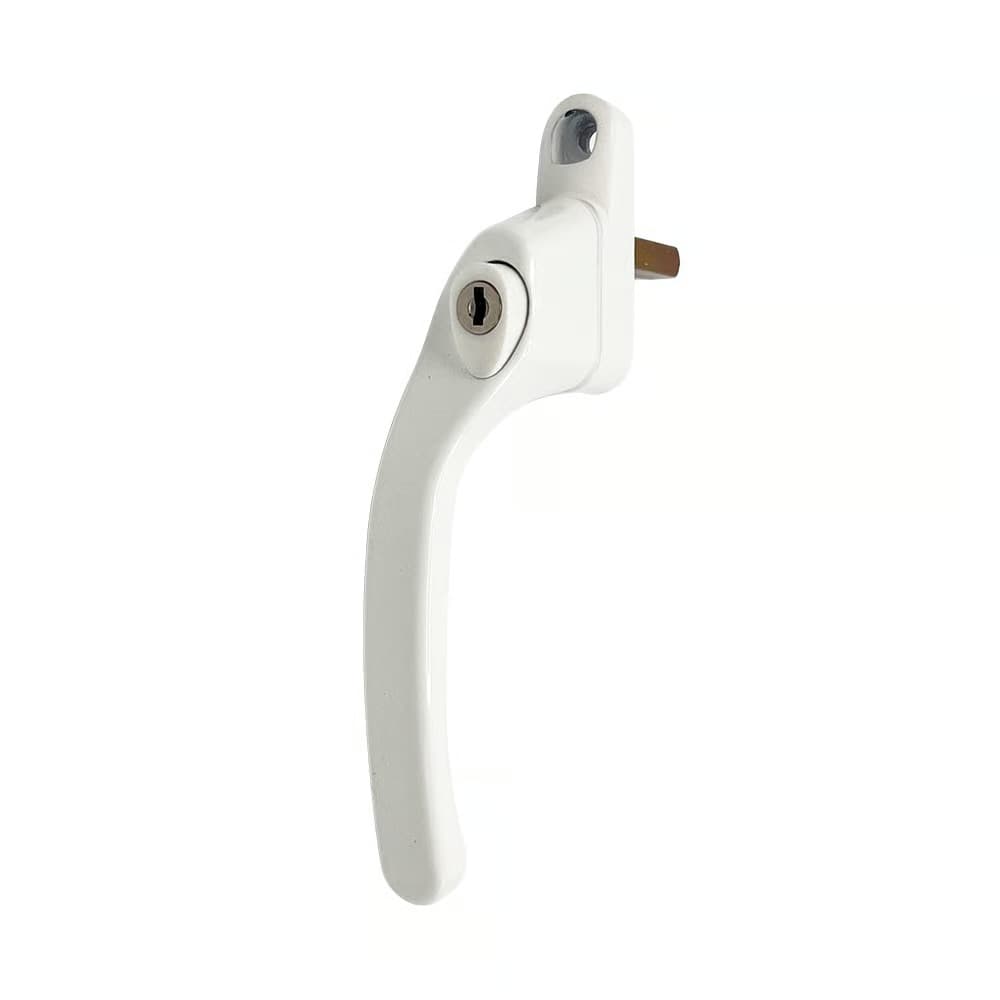
Offset uPVC handles are designed for use with multi-point espagnolette mechanisms on modern uPVC windows. TSS Offset UPVC Window Handles come in various finishes and handle different backset measurements.

Thumb-turn euro cylinders and security handles

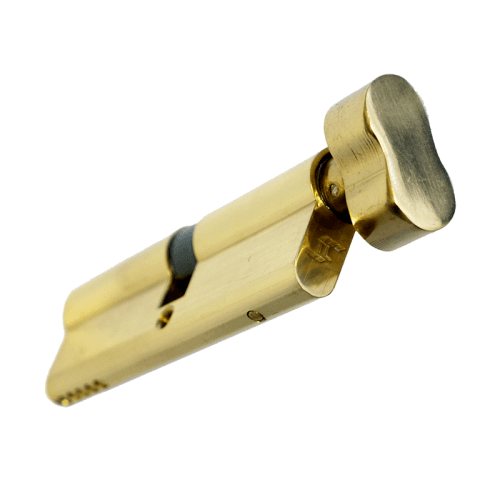
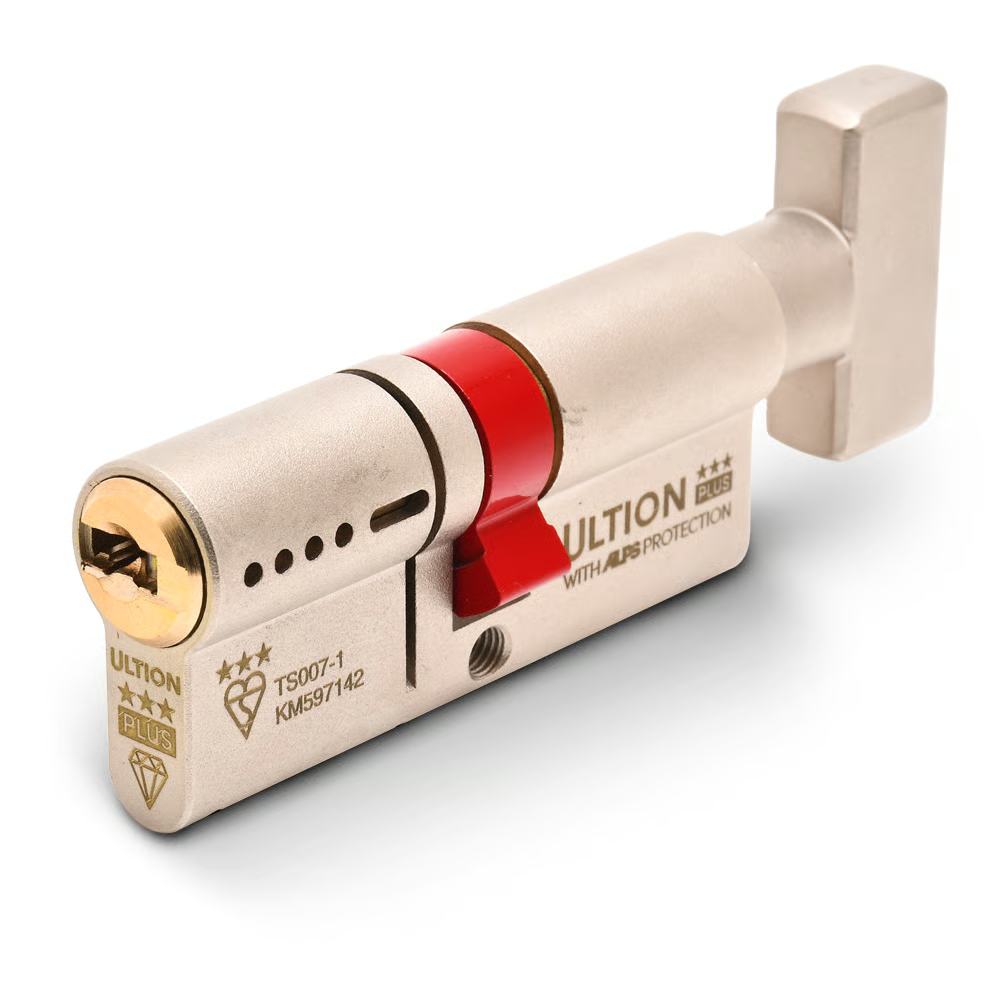
Some handles have an integrated thumb-turn operated cylinder for easy locking from the inside; others accommodate separate euro cylinders. For improved security, combine handles with high-security cylinders such as the Ultion Plus TS007 3* Kitemarked Euro Key & Turn Cylinder or a thumb-turn version like TL Thumb Turn Euro Cylinder.

Specialised hardware

For top-hung or in-line opening windows choose compatible hinges and mechanisms: Top-Hung Window Hinge - Standard and In-Line Window Mechanism. These ensure the handle operates the window correctly and that the sash remains aligned.

How to choose the right window handle

  • Identify the window type: casement, top-hung, tilt-and-turn or sliding. Matching handle style to operation is vital.
  • Measure backset and spindle size: measure the distance from the centre of the fixing to the end of the gearbox and check the spindle length and profile.
  • Consider locking requirement: internal thumb-turn, keyed cylinder or non-locking handles depending on room and security needs.
  • Finish and aesthetic: choose finishes that match hinges and other fittings such as Flag Door Hinge - Stainless Steel.
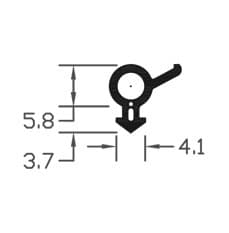
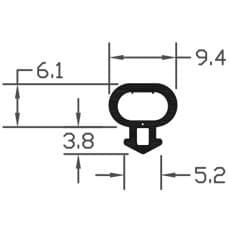
  • Check compatibility with gaskets and seals: for older windows, renewing bubble gaskets such as B003 Bubble Gasket or B004 Bubble Gasket alongside handle replacement can improve weather performance.
  • Practical steps for replacement or fitting

    These steps cover a typical casement window handle replacement. If you are unsure about the mechanism inside the frame or dealing with a multi-point lock, consult a professional.

    Tools and materials you will need

  • Replacement handle matched to spindle size and fixing centres
  • Screwdrivers (Phillips and flat)
  • Tape measure and pencil
  • Safety glasses
  • Threadlocker (optional)
  • Replacement cylinder if required (for keyed locks)
  • Step-by-step fitting

  • Open the window and support the sash to prevent movement.
  • Remove the existing handle screws and take off the handle. Keep any cover plates and screws in case they match the new handle.
  • Measure the spindle and backset to confirm the new handle is compatible.
  • If replacing a cylinder, remove the fixing screw on the edge of the window and withdraw the cylinder while the handle is removed.
  • Fit the new cylinder and test operation with the key before refitting the handle.
  • Place the new handle on the spindle, align the fixing holes and tighten screws evenly. Do not overtighten; use a threadlocker if screws have a tendency to loosen.
  • Test the handle through several open-and-close cycles to ensure smooth engagement with the lock mechanism.
  • If the handle feels stiff or sticks, check the alignment of hinges and locking keeps; adjust hinges or the espagnolette mechanism as needed.
  • Maintaining window handles and associated hardware

    Regular maintenance extends the life of handles and reduces repair costs:

  • Clean handles with a mild detergent and soft cloth; avoid abrasive cleaners that damage finishes.
  • Lubricate moving parts annually with a light machine oil or silicone spray; avoid thick greases that attract dust.
  • Check screws and fixings for tightness; tighten if loose but avoid stripping timber or plastic threads.
  • Inspect the lock cylinder for wear; replace if the key becomes stiff or sticks.
  • Replace worn gaskets such as B003 or B004 Bubble Gasket to restore weather resistance.
  • Security considerations

    Window handles play a role in security but must be part of a broader approach:

  • Use handles that accept high-security cylinders and consider the Ultion Plus TS007 3* cylinder for superior protection.
  • Fit key-operated or thumb-turn handles on ground-floor and vulnerable windows.
  • Ensure espagnolette mechanisms are in good condition so the handle fully engages all locking points.
  • Supplement with window restrictors for rooms where fall prevention or child safety is a concern.
  • When to call a professional

    Contact a glazing or locksmith professional if:

  • The espagnolette mechanism is damaged or seized.
  • You are unsure of the correct backset, spindle or cylinder size.
  • You require replacement of, or adjustment to, hinges such as Top-Hung Window Hinge - Standard.
  • There are signs of rot, corrosion or structural frame damage.
  • Useful product pairings

  • For uPVC windows: TSS Offset UPVC Window Handles with appropriate espag mechanisms.
  • For improved weather sealing: pair handle replacement with B003 or B004 Bubble Gasket.
  • For security upgrades: combine handles with the Ultion Plus TS007 cylinder or TL Thumb Turn Euro Cylinder.
  • Final tips

  • Always measure twice: incorrect backset or spindle length is the most common cause of returns.
  • Keep a spare key or note of cylinder type when purchasing replacements.
  • Match finishes across hardware for a consistent appearance and easier maintenance.
  • Replacing or upgrading window handles is often a straightforward DIY task that yields immediate benefits in operation and security. When in doubt, seek professional advice to ensure compatibility and safe installation.

    Related Reading

    Explore more guides on related topics: