What Is an Inline Window Handle? Style and Function
Introduction: If you fit, repair or replace windows, understanding the inline window handle is essential. The inline window handle is a specific style of window furniture commonly used on tilt-and-tur...
Introduction: If you fit, repair or replace windows, understanding the inline window handle is essential. The inline window handle is a specific style of window furniture commonly used on tilt-and-turn and casement windows. It sits in line with the window frame and operates the locking and opening mechanism with a compact, discreet profile. This post explains what an inline window handle is, why tradespeople choose it, how to select the right variant, and practical installation and maintenance tips for both tradesfolk and competent DIYers.
What is an inline window handle: definition and basic types
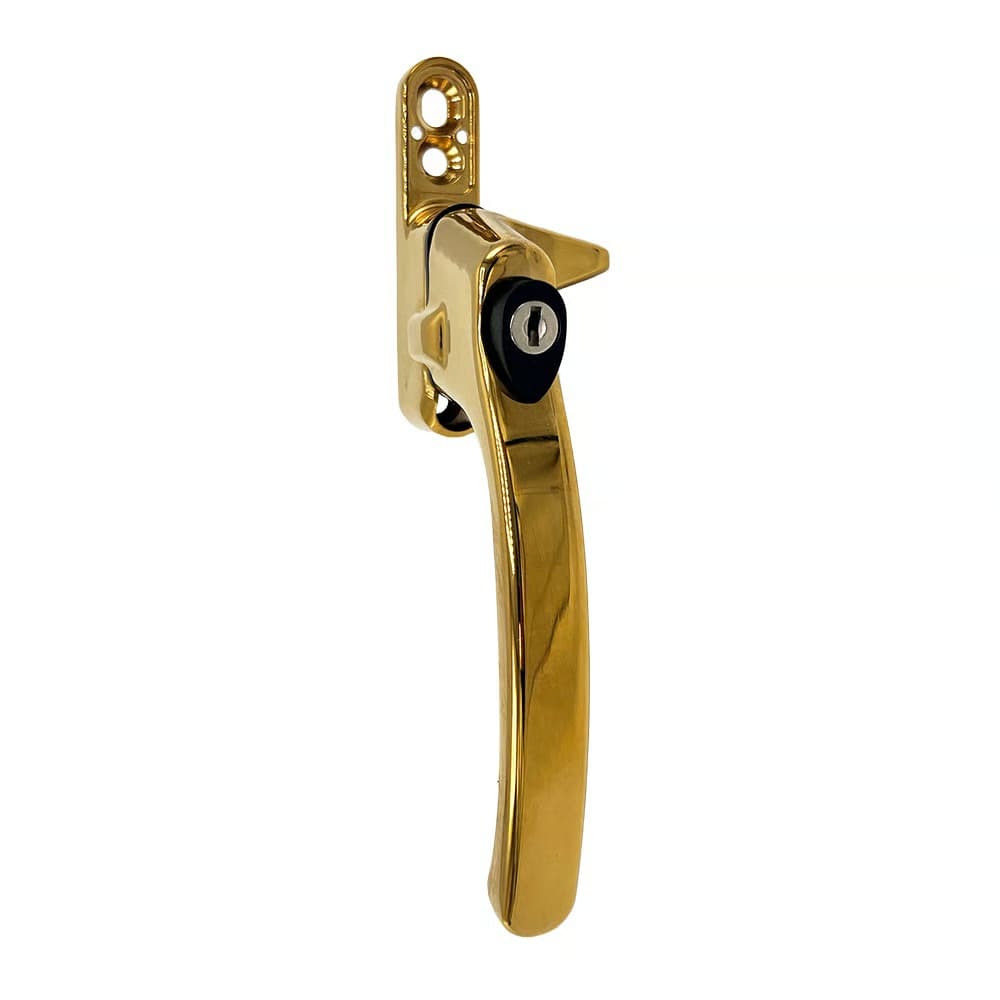
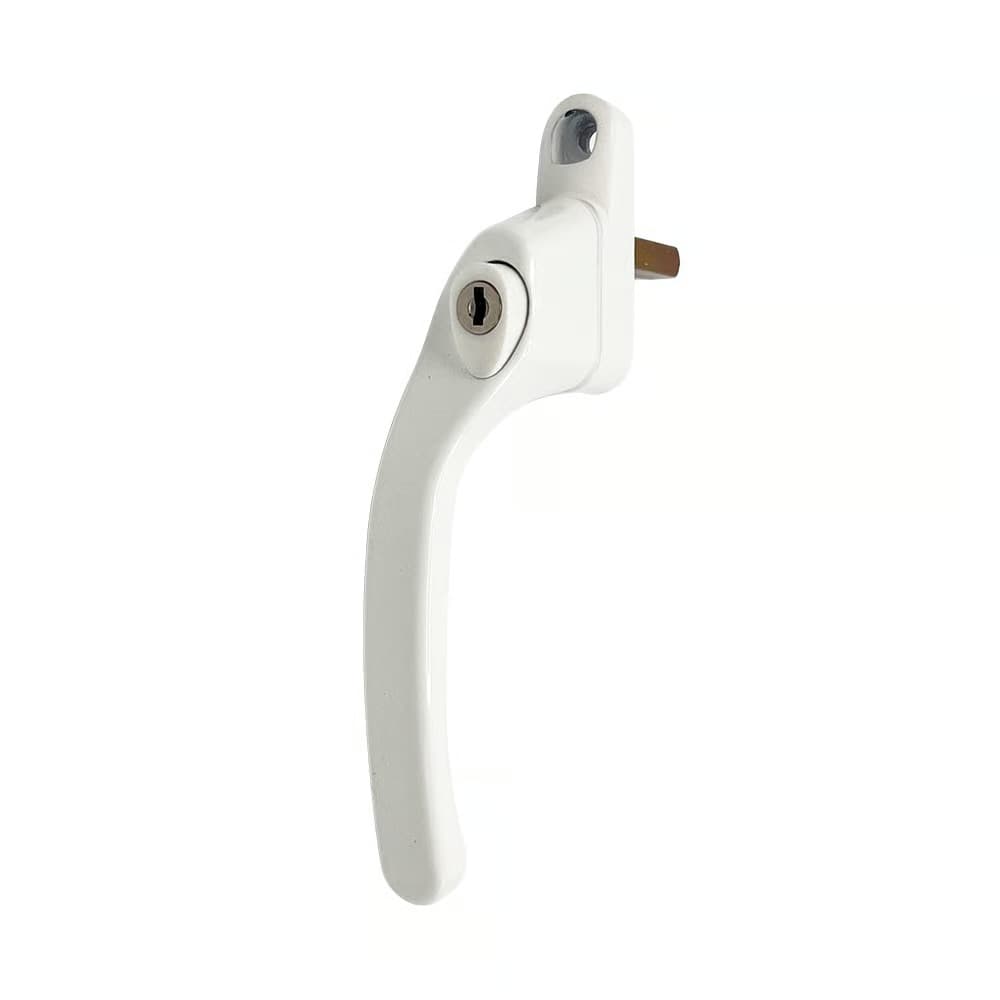
An inline window handle is a handle mounted so the spindle is parallel to the plane of the window sash; the handle typically operates multipoint locks or espagnolette gears without projecting excessively beyond the frame. Inline window handles are available for different locking systems and come in a range of styles and finishes to match the building’s aesthetics.
Common types of inline window handle include:
- Inline inline-locking handle: integrates directly with multipoint locking systems.
- Inline night-vent handle: offers a position for night ventilation without fully unlocking the window.
- Inline key-lockable handle: includes a cylinder for added security.
- Inline tilt-only handle: used where tilt function is separate from turn function.
Why choose an inline window handle: advantages for trade and DIY
The inline window handle offers several practical benefits that make it popular with installers, fabricators and property owners. They are compact, less prone to accidental damage, and often more secure when compared with projecting handles.
- Low profile: sits close to the sash, reducing the risk of snagging and vandalism.
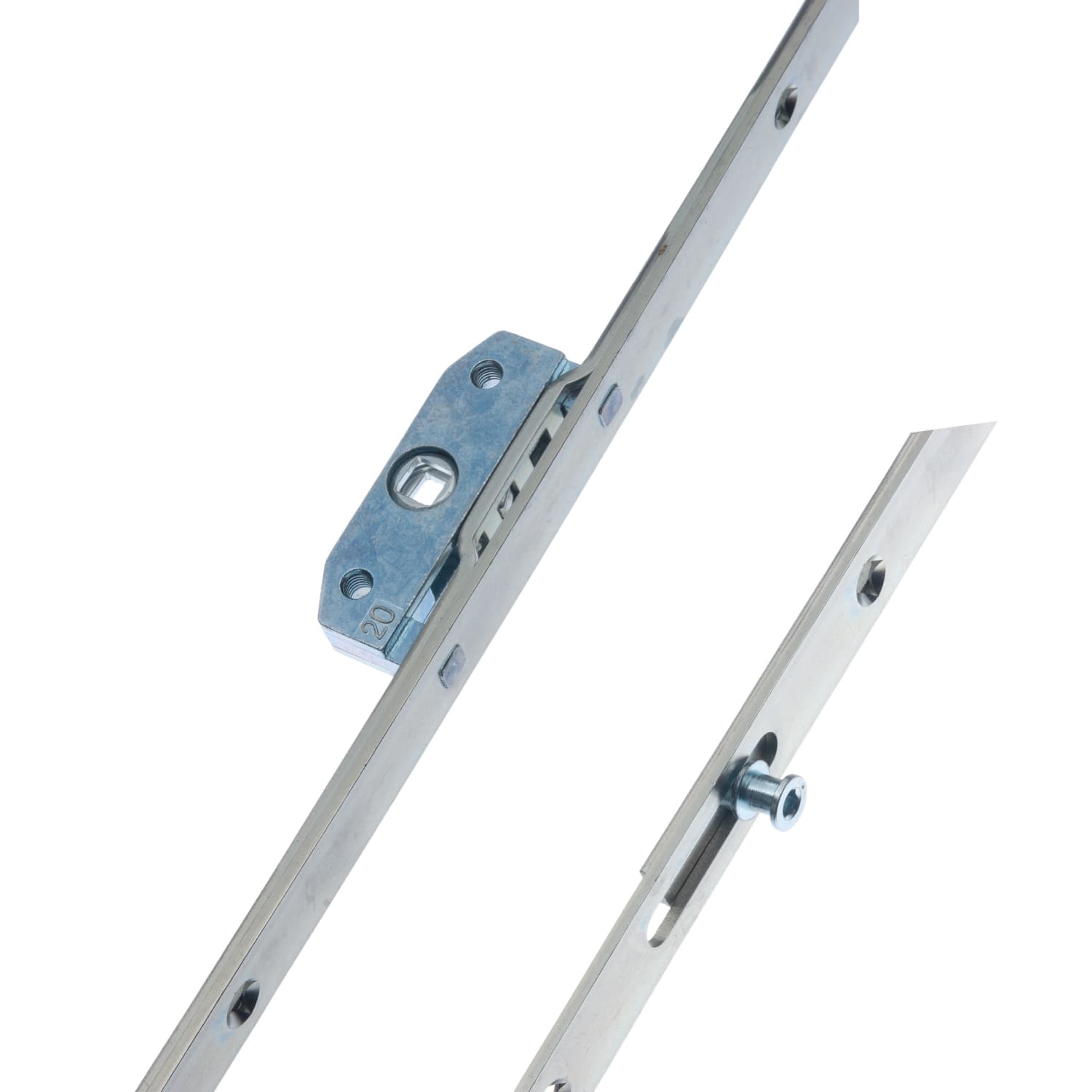
- Compatibility: designed to work with modern espagnolette and multipoint locking hardware.
- Security: many inline window handle designs are key-lockable or compatible with anti-burglary systems.
- Aesthetics: sleek appearance suits contemporary and period properties with appropriate finishes.
- Practicality: suitable for aluminium, PVC-U and timber windows; easy to standardise across a project.
Selecting the right inline window handle: specifications and considerations
Choosing the correct inline window handle requires checking a few key measurements and compatibility issues. Tradespeople should verify the following before ordering:
- Spindle size and type: measure the spindle length and profile; common options include 7mm, 8mm and square spindles. Ensure the handle’s spindle suits the locking gear.
- Fixing centres: some inline handles have standard screw centres, while others require bespoke fixing positions; measure accurately.
- Backset and projection: confirm the handle will clear any beads or internal trims when fitted.
- Operation type: select key-lockable, non-locking, or night-vent variants as required by the client or spec.
- Finish and match: coordinate handle finish with hinges, letterplates and other ironmongery.
Tradespeople should also confirm conformity with relevant British and European standards where applicable; products used in social housing or commercial projects may need documented compliance.
Installation guide: practical steps for fitting an inline window handle
These step-by-step instructions are appropriate for experienced installers and capable DIYers. Always follow manufacturer guidance first; this is a general procedure.
- Prepare tools and parts: screwdriver, torque driver, spindle, screws, measuring tape and a spirit level.
- Check alignment: with the sash open, ensure the espagnolette or locking gear is in the neutral position so the spindle can engage smoothly.
- Fit spindle and engage gear: insert the correct length spindle through the square hole in the locking gear; confirm it engages fully.
- Position the handle: align the handle over the spindle and fixing holes; ensure the handle sits flush and the lever points to the correct positions for closed/open.
- Secure fixings: tighten screws evenly; avoid over-torquing plastic or timber threads which can strip.
- Check operation: move the handle through its full travel to check that the locking points engage and that the handle returns to its resting position.
- Adjust if necessary: some handles allow micro-adjustments to remove freeplay or binding; follow the manufacturer’s instructions.
For key-lockable inline window handles ensure the cylinder operates smoothly and that the lock escutcheon is weather-sealed where fitted externally.
Maintenance, troubleshooting and common issues
Inline window handles are generally low maintenance; however, routine checks prolong life and performance. Recommended maintenance tasks include:
- Lubrication: apply a light silicone or lithium grease to the spindle and moving parts annually; avoid oil that attracts dust.
- Fastener check: inspect and re-tighten fixings annually to prevent loosening from vibration or use.
- Weather seals: check surrounding seals for ingress points that could corrode metal components.
- Operation tests: cycle the handle through open, closed and ventilation positions to detect binding early.
Common faults and how to address them:
- Stiff operation: check for misalignment of the espagnolette; adjust keepers or hinges before replacing the handle.
- Loose handle: replace stripped screws and consider using appropriate threadlocker for metals; plastic frames may need larger or specialised fixings.
- Key won’t turn: inspect the cylinder for debris; try a graphite powder lock lubricant; replace the cylinder if worn.
Specifying inline window handles for projects
When writing specifications for a project, include the following to avoid substitutions and ensure compatibility:
- Exact spindle size and length
- Fixing centre dimensions
- Locking function required: key-lockable, night-vent, non-locking
- Finish and corrosion grade (especially for coastal sites)
- Standards and warranties required
Providing clear drawings or physical templates with order paperwork reduces errors and saves time on site.
Conclusion: The inline window handle is a practical, versatile piece of window hardware that offers a neat profile, good security options and broad compatibility with modern locking systems. For tradespeople, understanding the various types, measurement checks and correct installation techniques prevents costly call-backs. For DIY enthusiasts, selecting the right inline window handle and following proper fitting and maintenance steps will keep windows functioning smoothly and securely for years. If you need technical datasheets or advice on specific systems, consult manufacturers’ guides or contact a specialist supplier for support.
Recommended Products
Based on this article, you may find these products helpful:
Part of our guide:
Complete Guide to Window Handles