Inline Handle Spindle Sizes: 7mm vs 8mm
Choosing the correct inline window handle spindle size is one of the simplest but most common challenges faced by tradespeople and DIY enthusiasts when replacing or installing window furniture. The tw...
Choosing the correct inline window handle spindle size is one of the simplest but most common challenges faced by tradespeople and DIY enthusiasts when replacing or installing window furniture. The two most frequent spindle sizes are 7mm and 8mm square; getting this right ensures the handle operates the lock smoothly, sits square to the window, and avoids damage to the mechanism. This guide explains the differences, how to measure and fit spindles, and practical tips for tradespeople working on residential and commercial projects.
What is an inline window handle and why spindle size matters
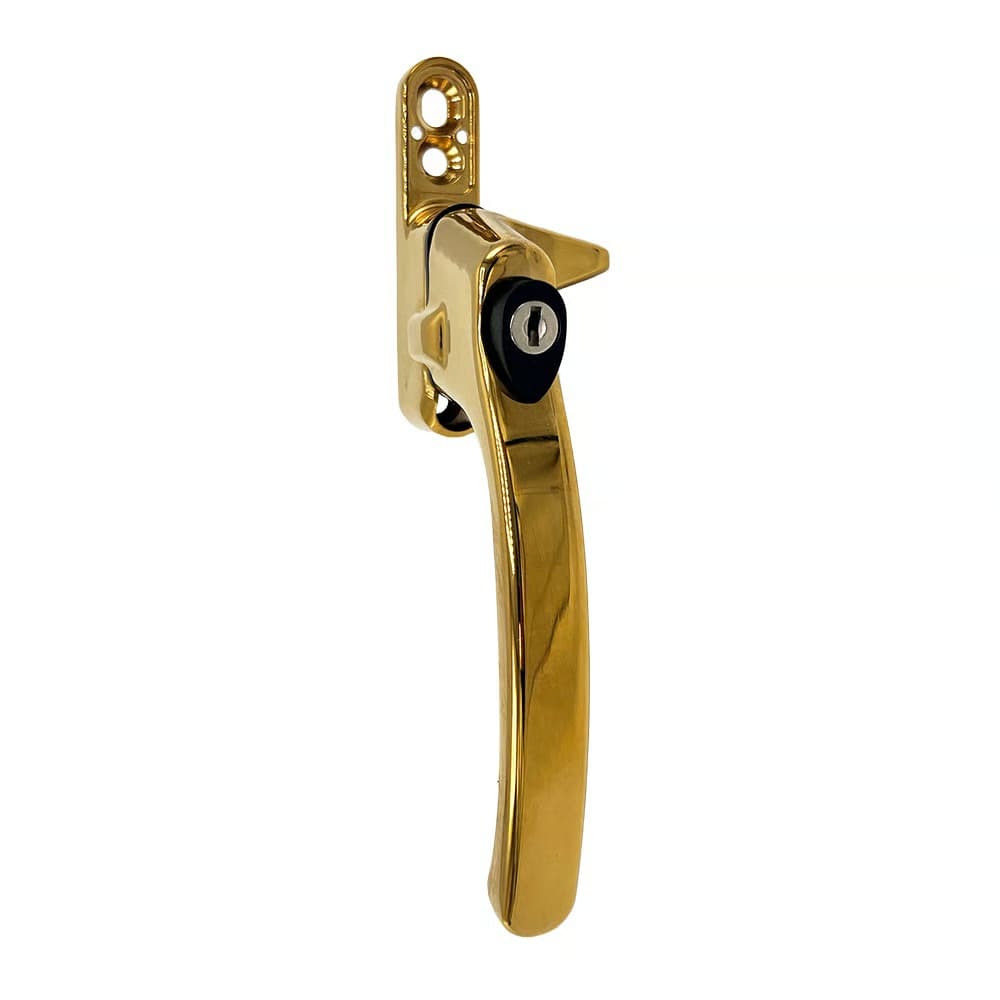
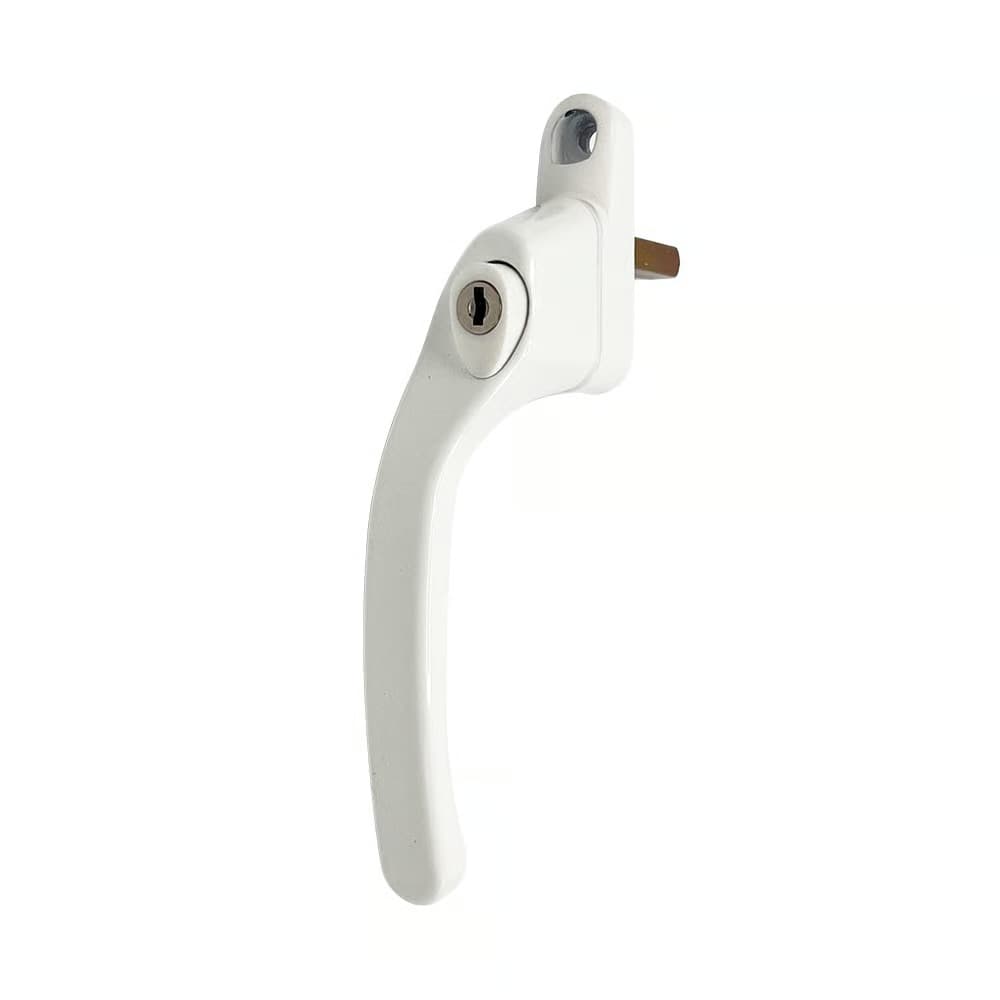
An inline window handle is a lever fitted directly onto a square spindle that passes through the window lock case; when the handle turns, the spindle drives the locking mechanism. Spindle size matters because the spindle must engage the lock fully and be compatible with the handle hub bore. If you use the wrong spindle size you can get slipping, excessive play, or a tight fit that stresses components.
7mm vs 8mm: the technical differences
Most inline window handles use a square spindle, commonly referred to by the width across flats. The two common sizes are:
- 7mm square spindle: often used on older or some specific manufacturer locks; smaller hub bore.
- 8mm square spindle: very common on modern multipoint locks and many standard inline window handle ranges.
The difference is only 1mm, but that can make a big functional difference. A 7mm spindle in an 8mm handle will be loose and may twist or shear the grub screw; a forced 8mm into a 7mm bore will not fit without modification and risks splitting the handle or damaging the lock.
How to measure the spindle and check compatibility
Follow these steps on site to identify which spindle size you need. Carry a small set of gauges or a digital calliper on the van for speed:
- Remove the handle from the window: loosen the grub screw or unscrew the rose to reveal the spindle.
- Measure the spindle across the flats with a calliper; this gives you the true square size (7.00mm or 8.00mm).
- Measure spindle length: measure from the face that sits in the handle to the end; common practical lengths are 30–40mm but vary by profile and handle style.
- Check the handle hub bore: some handles are marked 7x7 or 8x8 or will accept an insert or adaptor.
Note: do not measure the diagonal; always measure across flats for square spindles. If you do not have a calliper, a small blade micrometer or a set of feeler gauges can help determine whether the spindle is closer to 7mm or 8mm.
Fitting and replacement tips for tradespeople
When replacing inline window handles follow these practical tips to ensure a quick, professional job:
- Stock both 7mm and 8mm replacement handles: vans commonly carry both sizes to avoid return visits.
- Keep a selection of spindle lengths and adaptors: universal or telescopic spindles can solve odd lengths.
- Use the correct grub screw or screw length; an undersized grub screw will not clamp a smaller spindle reliably.
- Apply a small smear of copper grease to the spindle before fitting; this reduces wear and squeak without contaminating seals.
- Check handle rotation: ensure 90 degree stops align with locking points; some handles are reversible for left- or right-handed windows.
- For loose fit (7mm spindle in 8mm handle) use purpose-made bushings or replace the spindle; do not rely on glue or packing which will fail over time.
Common problems and how to fix them
Here are recurring issues you will encounter on site, with practical fixes:
- Loose handle: usually caused by a 7mm spindle in an 8mm handle or a worn spindle. Solution: replace spindle or use a correct 8mm handle; fit a bushing only as a temporary measure.
- Handle slips under load: grub screw shear or inadequate engagement. Solution: fit the correct size and ensure grub screw seats on flat, not on an angled surface.
- Excessive play after fitting: check spindle length and ensure the spindle reaches the lock cam fully; adjust or change to a longer spindle if necessary.
- Tight fit or difficult to turn: possible burrs or incorrect profile. Solution: clean and lightly file burrs; do not force an exact-sized metal component into too small a bore.
Choosing the right inline window handle for projects
For tradespeople specifying hardware by the job consider these factors in addition to spindle size:
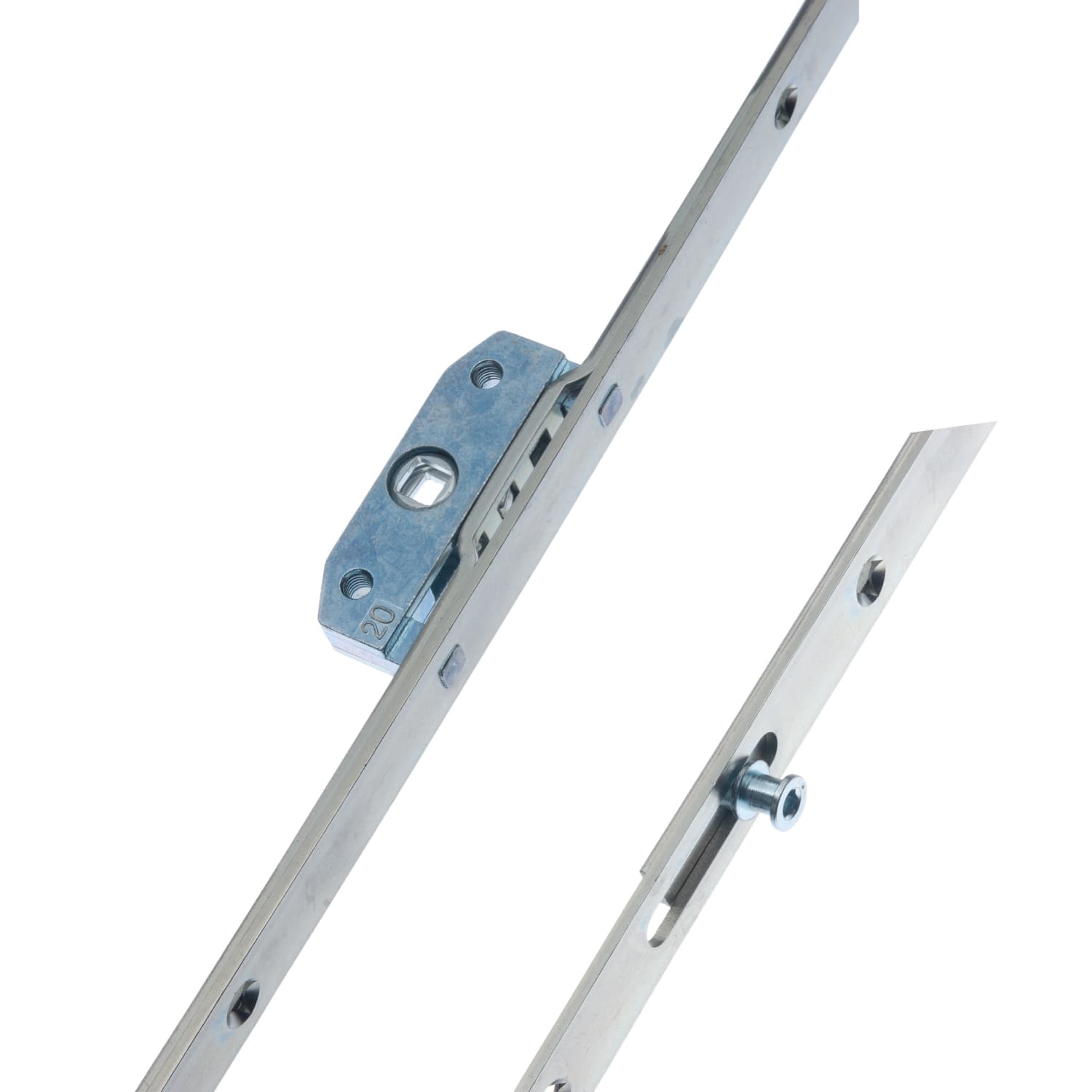
- Lock type: multipoint locks most commonly use 8mm spindles; check manufacturer specs for specific systems.
- Handle style and finish: ensure the aesthetic matches the job while meeting durability requirements for commercial or high-use domestic applications.
- Backset and rose size: confirm handle rose covers exposed fixings and suits the profile depth.
- Security standards: choose handles compatible with required security features; some inline handles offer key-locking or padlocking options.
If in doubt, measure the existing spindle and lock case, or remove the handle and check the mark on the spindle or hub. Keeping both 7mm and 8mm options in your kit saves time and reduces call-backs.
Conclusion
Understanding the differences between 7mm and 8mm spindles is essential for successful inline window handle installation and replacement. The 1mm variance is decisive for fit and function; always measure across flats, carry both sizes and a selection of spindle lengths, and avoid temporary fixes that compromise performance. For trade installers and DIYers alike, correct sizing ensures the handle operates smoothly, the locking mechanism is engaged properly, and the window remains secure for years to come.
Recommended Products
Based on this article, you may find these products helpful:
Part of our guide:
Complete Guide to Window Handles