How to Replace Window Handles for uPVC Windows: Handing Explained
Replacing a window handle on a uPVC window is a straightforward job for homeowners and tradespeople when the correct parts and handing are understood. This...
Replacing a window handle on a uPVC window is a straightforward job for homeowners and tradespeople when the correct parts and handing are understood. This guide explains handing, identifies common handle types, lists the tools required and gives step‑by‑step instructions to ensure a secure, functioning replacement. Practical tips are included for avoiding common pitfalls and ensuring longevity.
Understanding handle types and handing
uPVC windows commonly use two main handle types:
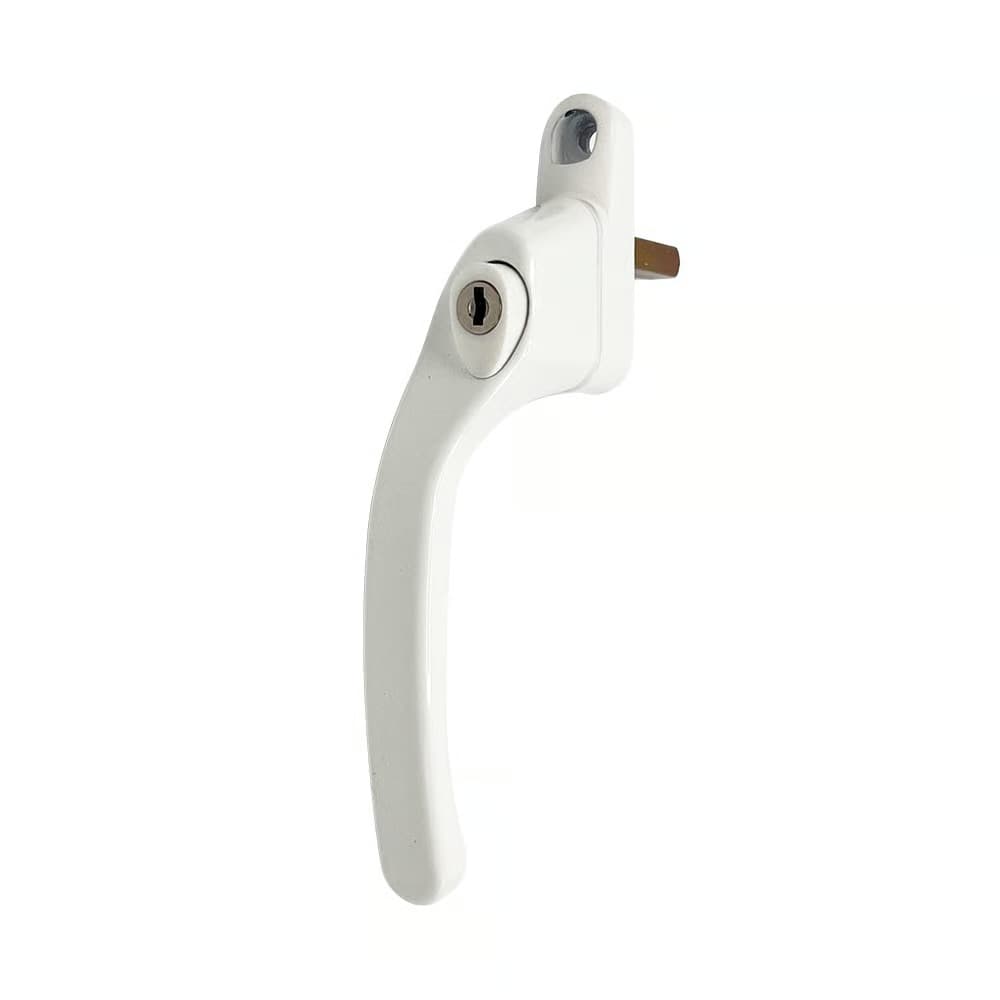
- Espag (espagnolette) handles: operate a multi‑point lock via a spindle and gearbox.
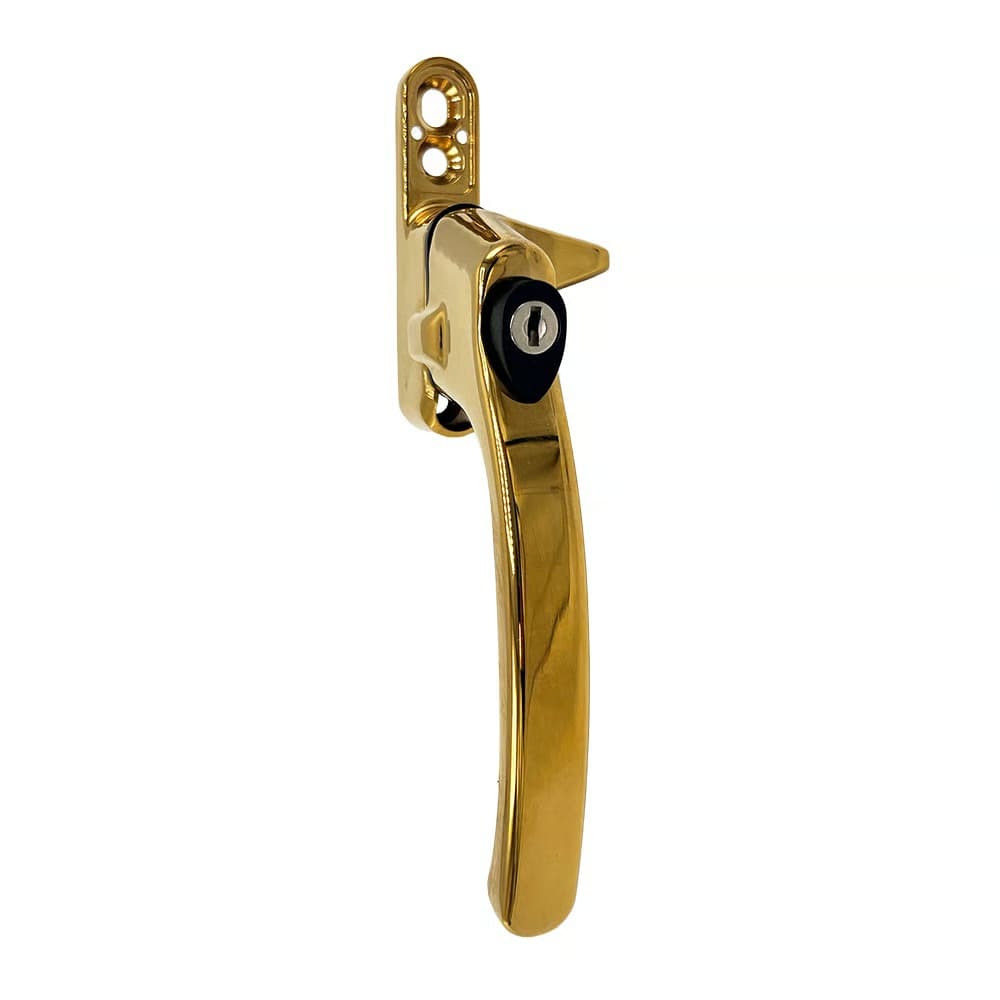
- Cockspur handles: have a hooked spur that clamps against the frame.
Handing describes which side of the window the handle sits on when viewed from inside the property. Correct handing matters because the spindle orientation and the direction the handle turns must match the gearbox or lock. To determine handing:
- Stand inside and look at the window.
- If the handle is on the left, it is left‑handed; if on the right, it is right‑handed.
- For reversible designs the manufacturer will indicate if handing is not critical, but many traditional espag and cockspur handles are handed.
Tools and materials
Gather:
- Pozi or cross‑head screwdriver
- Hex key (often 4 mm) for grub screws
- Tape measure and calipers (for spindle/screw‑centre measurements)
- Replacement handle matched to spindle size and screw centre
- Penetrating oil for seized screws
- Rag and light lubricant (silicone spray)
- Safety glasses and gloves
Removing the old handle
1. Secure the window in a closed position. 2. Locate and remove any decorative cover on the handle rose to expose the grub screw or fixing screws. 3. Loosen and remove the grub screw (often at the base of the handle) using the correct hex key, or remove the two rose screws with the screwdriver. 4. Gently pull the handle straight off the spindle. If it sticks, apply a small amount of penetrating oil and tap gently with a soft mallet—avoid twisting hard as this can damage the spindle or gearbox. 5. Inspect the spindle and gearbox. If the spindle is bent or the gearbox (espag arm) shows significant wear, replace the gearbox or order a complete handle and gear set.
Fitting the new handle (espag/espagnolette)
1. Check the new handle’s spindle length matches the old one. If too long, measure and trim carefully with a hacksaw; protect the square with tape and file burrs flat. 2. Slide the new handle onto the spindle, ensuring the square seats fully into the handle hub. 3. Align the rose and insert the fixing screws. For espag handles, ensure the grub screw is accessible and faces the same way as the previous handle to allow tightening. 4. Tighten the fixing screws evenly until the rose sits flush with the frame. Avoid over‑tightening which can strip screw threads or deform the uPVC. 5. Tighten the grub screw into the spindle to secure the handle. Check operation: the handle should move smoothly through its full travel and operate the locking mechanism without sticking. 6. Replace any decorative covers.
Fitting the new handle (cockspur)
1. Remove old handle as above. 2. Align the cockspur so the spur correctly engages the frame when in the closed position. Many cockspur handles allow reversing the spur direction by removing and rotating it. 3. Secure the handle with the rose screws and check that the hook seats properly when closed. 4. Test by closing the sash and operating the handle to ensure compression and a tight seal.
Keyed and locking handles
For keyed handles, ensure the lock barrel position matches the existing cutout. Fit the handle with the key inserted in the neutral position, align the spindle and secure in place. Test locking/unlocking several times and ensure the key turns freely without binding.
Troubleshooting common problems
- Handle won’t engage gearbox: Check spindle is fully inserted and not worn. A stripped square may require replacing the spindle or handle.
- Loose rose or wobble: Check screw‑centre and retighten screws. Replace missing washers. Do not use longer screws that could damage the frame.
- Seized screws: Apply penetrating oil and wait before attempting removal. Use correct screwdriver size to avoid stripping heads.
- Incorrect handed handle: Confirm handing as above and order the correct handed model; many keyed or security models are handed and will not fit reversed.
Maintenance and final checks
Lubricate the gearbox lightly with a silicone spray or grease designed for window mechanisms. Regularly check handle fixings and operation once installed. Replace handles that show corrosion, excessive play or difficulty in operation.
Correctly replacing a handle restores security and smooth operation. Matching spindle size, screw‑centre and handing before ordering avoids returns and rework. Further detailed guidance on selecting and fitting different styles is available in the full Window Handles Guide.
Related Reading
Explore more guides on related topics:
Part of our guide:
Complete Guide to Window Handles