How to Fit an Espag Handle: Professional Installation Tips
Fitting an espag handle is a common task for glaziers, window fitters and experienced DIYers. This guide explains how to choose the right espag handle, prepare the window, remove the old handle and in...
Fitting an espag handle is a common task for glaziers, window fitters and experienced DIYers. This guide explains how to choose the right espag handle, prepare the window, remove the old handle and install a new one professionally. Practical tips, torque settings, sealing advice and testing procedures are included so you can achieve a secure, long-lasting installation.
What is an espag handle and how to choose the right one
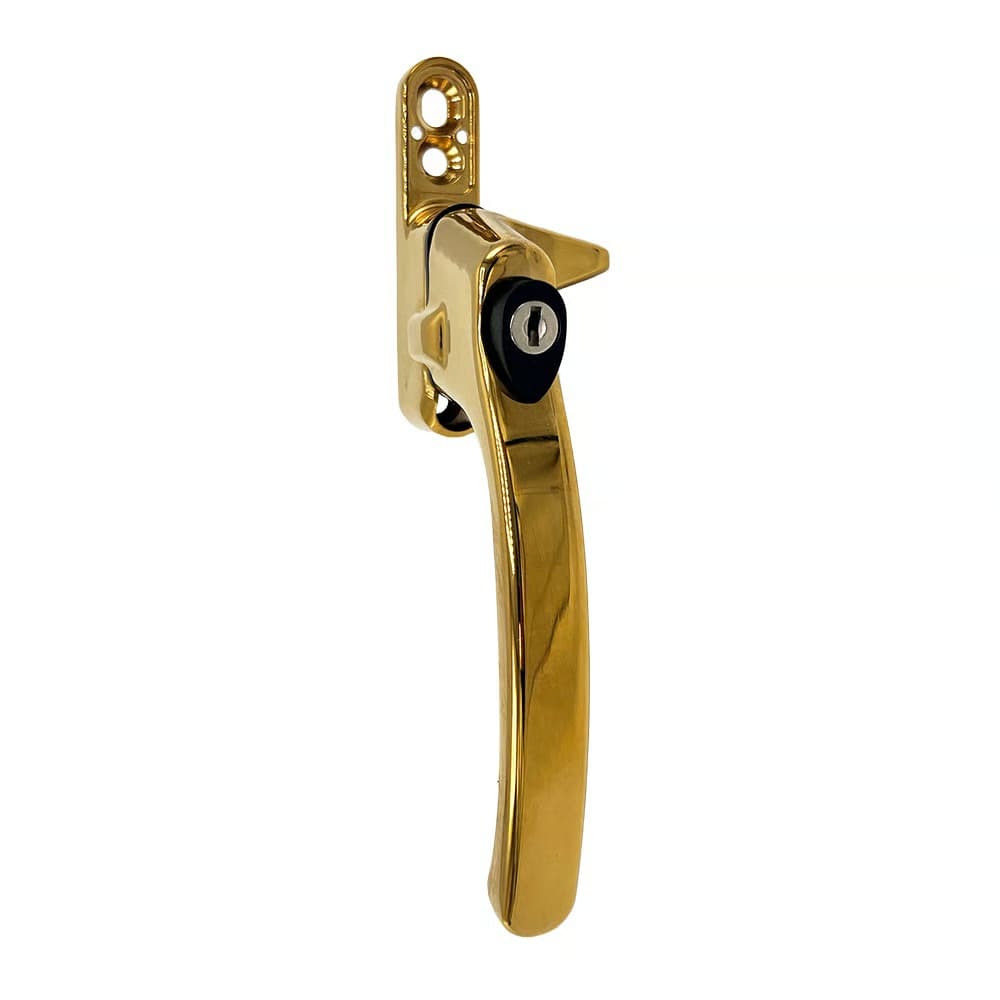
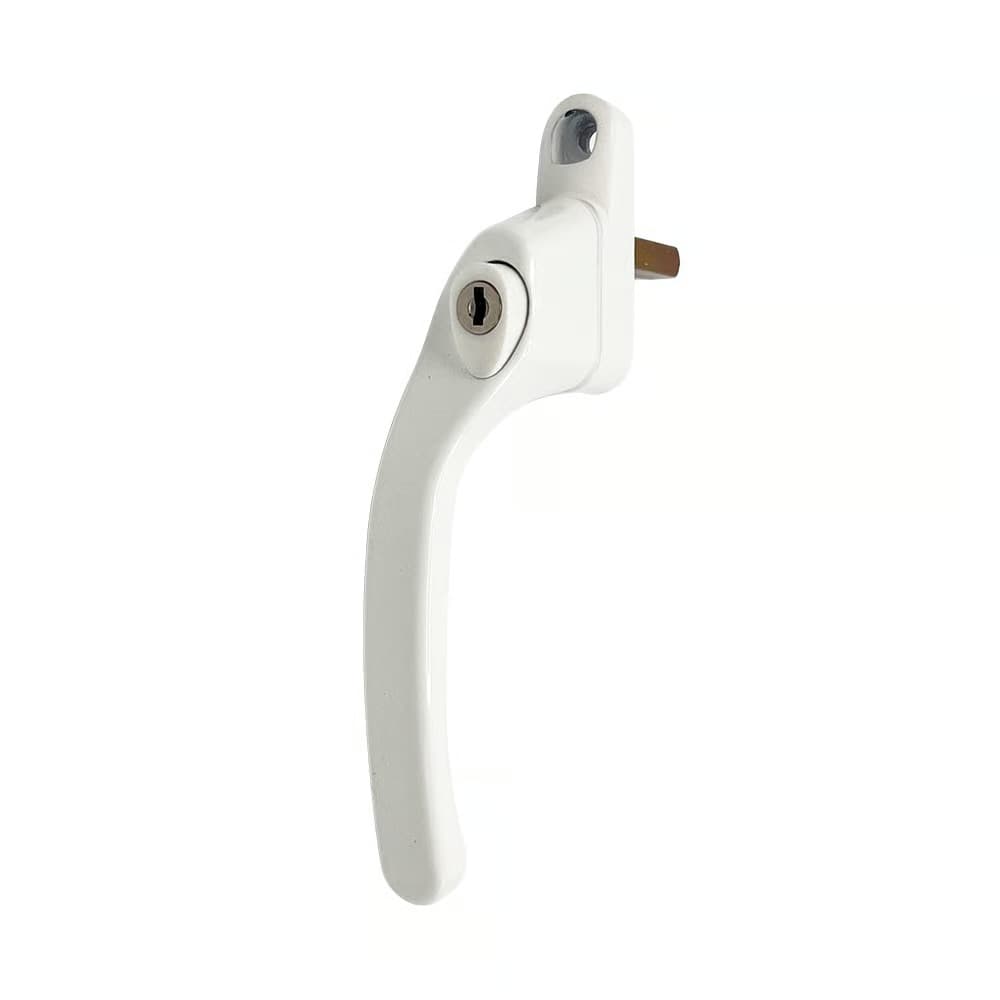
An espag handle is a type of locking window handle that operates an espagnolette or casement gearbox via a spindle and screws. They are available in various finishes, lever shapes and with different spindle lengths and screw centres. Choosing the correct espag handle is the first step to a successful fit.
- Confirm screw centre: common sizes are 43mm and 38mm; measure between fixing holes on the existing handle.
- Check spindle size and length: typical square spindles are 7mm or 8mm; trim or replace if necessary.
- Decide on handedness: replacable handles are usually reversible, but some designs are hand-specific.
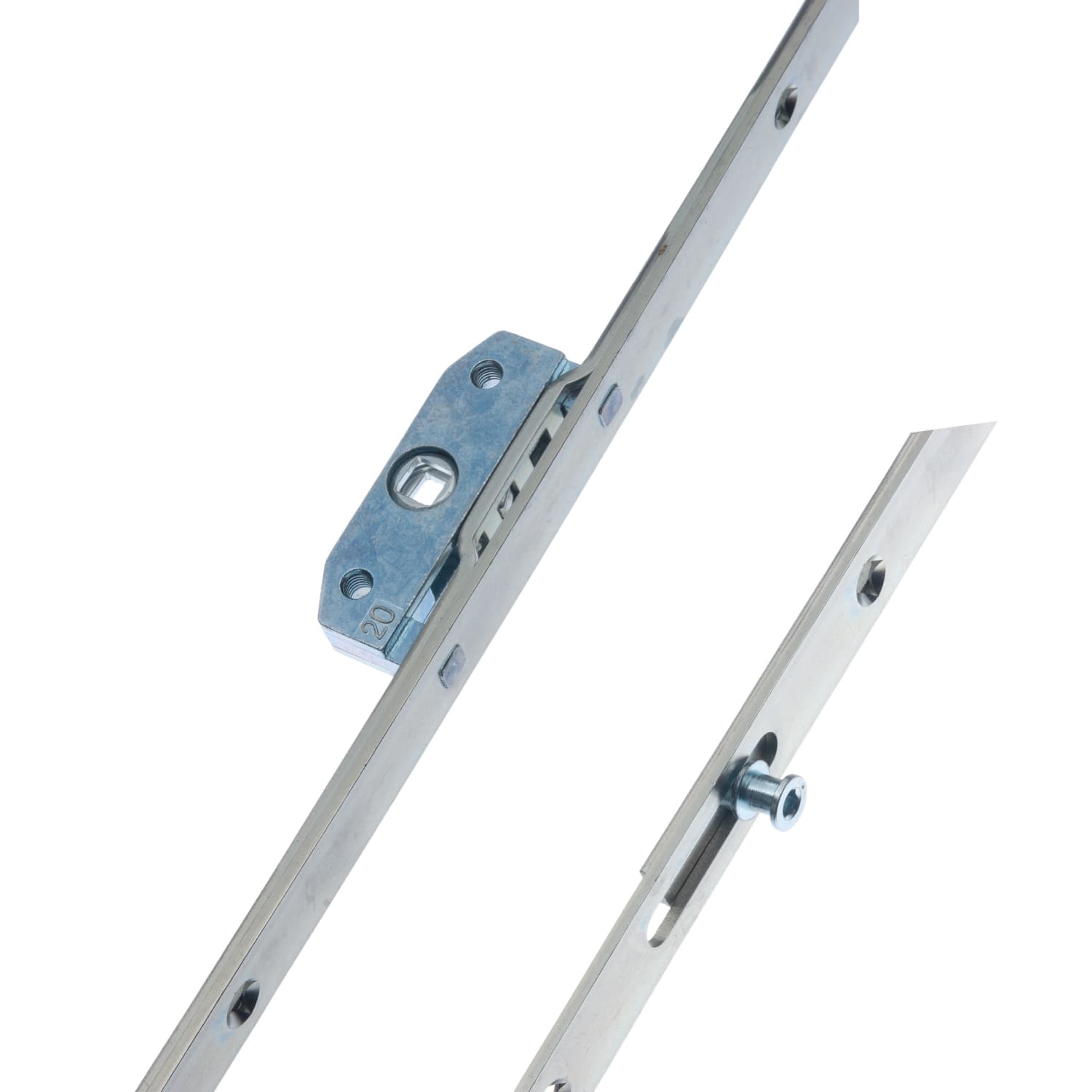
- Consider multi-point compatibility: ensure the escutcheon and gearbox match the espag handle operation.
- Choose finish and lever profile for aesthetics and grip: easy-turn levers are helpful on high-use windows.
Tools and materials required
Arrange these items before you start to avoid interruptions. Using the right tools reduces the risk of damaging the handle or window frame.
- Screwdrivers: Pozidriv and flat; electric screwdriver for speed (low torque setting).
- Allen keys: for grub screws on some espag handles.
- Measuring tape and vernier caliper: confirm spindle and screw centre measurements.
- HSS drill bits and countersink: for new pilot holes in timber or aluminium frames.
- Threadlocker medium strength: use sparingly on metal-to-metal screws to prevent loosening.
- Replacement spindle, screws and possibly a new gearbox: have spares to hand.
Preparing the window and removing the old handle
Preparation makes fitting an espag handle quicker and ensures correct alignment. Follow these steps in sequence.
- Open the window and support the sash: use a prop or wedge to prevent movement while working.
- Identify and release the grub screw: many espag handles have a small grub screw under the lever or on the backplate; loosen it before levering off the handle.
- Remove the handle: once the grub screw is loose, pull the handle straight off the spindle; use a mallet wrapped in cloth if stiff.
- Unscrew the backplate fixings: remove the two or three screws holding the escutcheon to the frame; retain original screws if compatible.
- Inspect the gearbox and spindle: check the espagnolette for wear, bending or stripped splines; replace if necessary.
- Clean the area: remove old sealant, debris and corrosion so the new espag handle sits flush.
Fitting the new espag handle: step-by-step
Use a systematic approach when fitting an espag handle to ensure proper engagement and a tidy finish.
- Test-fit the spindle: slot the spindle into the gearbox and check movement by operating the gearbox from the open position; ensure smooth travel.
- Position the backplate: align the escutcheon over the pilot holes; if new holes are required, mark and drill with appropriate diameter bit and countersink for the screw head.
- Apply threadlocker: place a small drop on the fixing screws to reduce loosening from vibration; do not contaminate the spindle.
- Fit and tighten screws: secure the backplate with consistent torque; over-tightening can distort plastic components or compress seals.
- Fit the handle: slide the handle onto the spindle, orient it to the closed position and tighten the grub screw to the manufacturer’s recommendation; avoid overtightening.
- Check operation: open and close the window several times to confirm full engagement and that the handle returns to its rest position without binding.
Common problems and professional troubleshooting
Even experienced fitters encounter issues. Here are quick fixes for typical problems when fitting an espag handle.
- Handle feels loose: check grub screw and spindle fit; replace worn spindle or use a longer grub screw.
- Operation stiff or catches: check for misaligned gearbox or bent spindle; remove handle and realign before tightening fixings.
- Fixings pull through timber: use longer or larger diameter screws, or repair with hardwood plugs if the frame is damaged.
- Condensation or seal damage around escutcheon: reseal with appropriate flexible silicone after installation, avoiding blocking drainage paths.
- Wrong handedness or operation direction: if the handle acts upside down, reverse the handle or fit a reversible model; confirm before screwing down permanently.
Final checks, maintenance and warranty tips
After fitting an espag handle, carry out a final checklist to ensure the installation meets trade standards and the customer receives a durable finish.
- Operate the window through its full travel and confirm locks engage correctly at each point.
- Check faceplate alignment and ensure no gaps between escutcheon and frame; re-seat if necessary.
- Advise the client on maintenance: lubricate gearbox annually with a dry PTFE spray; avoid oily lubricants that attract dirt.
- Record product details and installation date for warranty and servicing records; provide care instructions to the customer.
Fitting an espag handle correctly ensures security, smooth operation and a professional finish. By following the steps above, preparing the correct tools and carrying out simple maintenance, tradespeople and competent DIYers can achieve reliable results every time.
Recommended Products
Based on this article, you may find these products helpful:
Part of our guide:
Complete Guide to Window Handles