Window Handles with Locks for uPVC: Compatibility Guide
Window handles with locks are a practical upgrade for uPVC windows, improving security, ventilation control and child safety without the need to replace en...
Window handles with locks are a practical upgrade for uPVC windows, improving security, ventilation control and child safety without the need to replace entire frames. This guide outlines compatibility considerations, types of locking handles, and step‑by‑step installation and maintenance advice to help homeowners and tradespeople select the right option for common uPVC locking systems.
Common uPVC locking systems and handle compatibility
uPVC windows typically use one of several locking mechanisms: espag (espagnolette) gearboxes, cockspur/lever locks, and centre-lock multipoint systems. Compatibility depends on handle spindle size, fixing hole spacing, and whether the handle is designed to operate the existing mechanism.
- Espag gearboxes: These require a handle with a square spindle (commonly 7mm or 8mm) that engages the espag mechanism when turned. Choose handles specified for espag windows to ensure correct operation and secure locking.
- Cockspur and casement stays: Older or simple casement windows may use a cockspur handle that hooks over a keep. These handles sit on the inner face of the frame and usually have through-fixings.
- Centre-lock multipoint: Modern uPVC windows often have a multipoint lock operated by the handle. Replacement handles must match the lock’s spindle configuration and screw positions.
Types of window handles with locks
Security-focused handles come in varying styles and locking methods. Common types include:
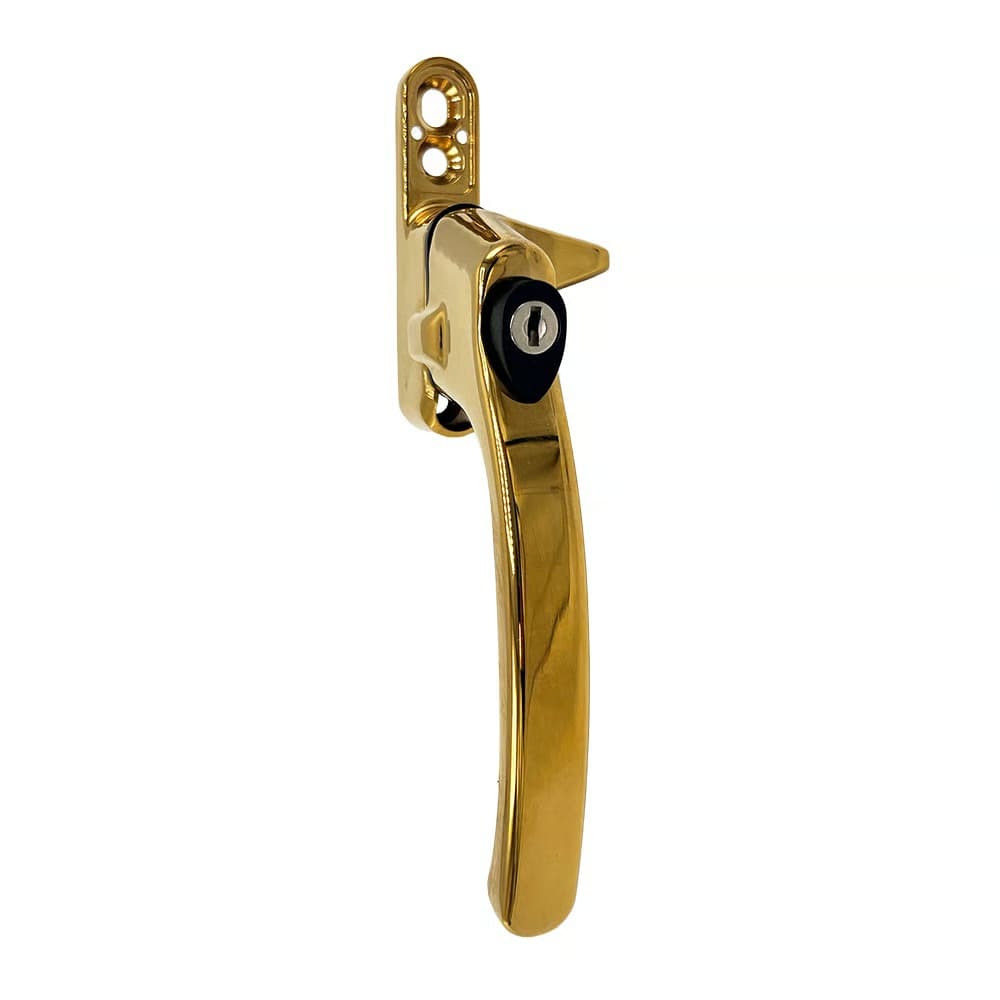
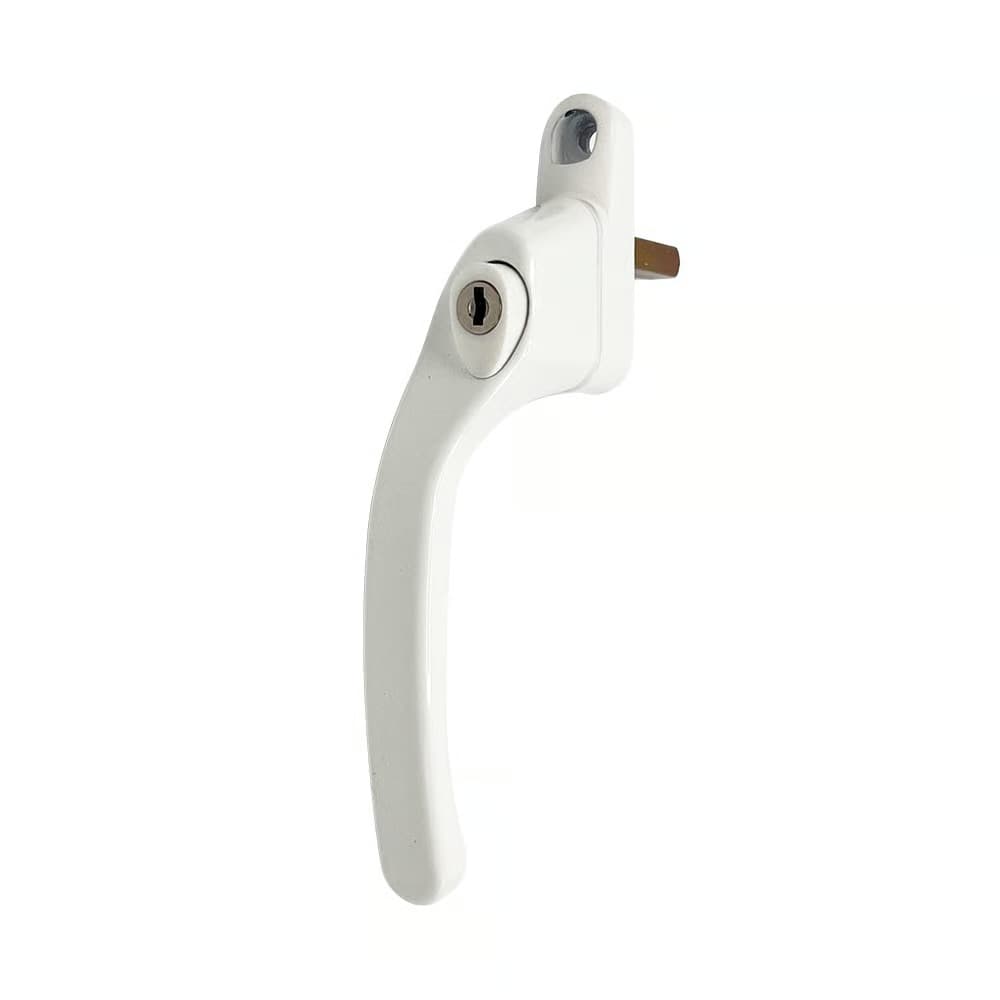
- Key‑locking espagnolette handles: Provide high security for espag gearboxes and often incorporate a europrofile cylinder for added protection. A robust option is the TSS Cockspur Window Handles, designed for high-use applications and to meet enhanced security expectations.
- Push-button or mortice-lock handles: These lock with a button or small mortice latch and suit casement windows where key locking is not required.
- Cockspur handles: Simple and cost-effective for older windows; the TSS Cockspur Window Handle is a common replacement part for traditional casement windows.
- Security-enhanced lever handles: For multipoint windows a heavy-duty lever like the TSS Offset UPVC Window Handles combines durability with a key-lock option for extra security.
Measuring and selecting the correct replacement
Accurate measurements prevent returns and on‑site delays. Key measurements and checks:
- Spindle size and length: Measure the width of the square spindle and the projection from the handle to the inner face of the handle rose. Standard sizes are 7mm and 8mm; some specialist locks use non‑standard sizes.
- Fixing hole centres: Determine the distance between the screw holes on the handle rose. Most manufacturers publish these dimensions.
- Backset and gearbox interface: For espag handles, note the distance from the centre of the spindle to the top or bottom of the gearbox; consult the handle’s specification sheet.
- Handing: Confirm whether the handle is for a left or right opening window; check whether the chosen product is reversible.
- Material and finish: Choose stainless or durable powder-coated finishes for coastal locations to resist corrosion.
Installation: practical steps for tradespeople
Follow manufacturer instructions and take the following practical steps for a secure fit:
1. Remove the old handle by unscrewing the fixing screws and pulling the handle assembly clear of the spindle. 2. Check the gearbox or cockspur mechanism for wear. Replace faulty gearboxes or worn keeps before fitting a new handle. 3. Test‑fit the new handle without fully tightening screws to confirm spindle alignment and smooth operation through the window’s full travel. 4. Tighten fixing screws evenly to avoid bending the handle rose. Use threadlocker if the environment causes frequent loosening. 5. Fit any associated keeps or strike plates. For keyed handles, check that the key turns smoothly and that the lock engages fully. 6. Record the handle type and any new component measurements for maintenance records.
For espag systems, operate the handle through its full cycle to verify that the locking cams engage and disengage correctly; adjust spindle length with suitable adaptors if necessary.
Security and maintenance tips
Regular maintenance extends handle life and maintains security:
- Lubricate moving parts annually with a dry PTFE spray; avoid heavy oils that attract dust and grit.
- Tighten screws periodically to prevent wobble and potential wear on the gearbox.
- Inspect for corrosion, particularly in coastal homes, and replace compromised handles promptly.
- For vulnerable properties, choose handles with anti‑drill and anti‑snap features and consider key-locking variants to deter opportunist theft.
- For tenants or holiday lets, use key-retaining locks that prevent the key being removed unless the handle is locked, ensuring tenants secure windows when closing.
When to upgrade the whole window mechanism
Replacing handles is cost-effective when the existing locking mechanism is in good condition. Upgrade the gearbox or multipoint lock when:
- The handle feels loose despite new fixings — indicating worn splines or gearbox.
- The window no longer locks securely even with new handles fitted.
- Corrosion or metal fatigue is evident in the lockcase or keeps.
- Security standards require a higher specification, such as enhanced multipoint locking.
Related Reading
Explore more guides on related topics:
Conclusion
Choosing the right window handles with locks for uPVC requires matching the handle type to the existing locking system, taking precise measurements, and following correct installation procedures. Practical maintenance and selecting security-enhanced designs will lengthen service life and improve protection. For further reading and broader replacement options consult the Window Handles Guide.
Part of our guide:
Complete Guide to Window Handles