uPVC Window Handles Replacement: Measuring Spindle Length and Centres
Replacing uPVC window handles requires accurate measurements to ensure the new hardware fits the existing lock and frame. This guide explains how to measur...
Replacing uPVC window handles requires accurate measurements to ensure the new hardware fits the existing lock and frame. This guide explains how to measure spindle length and centres correctly, identifies common handle types, lists the tools required and offers practical steps for homeowners and tradespeople to carry out a straightforward replacement with confidence.
Tools and preparation
Gather the right tools before starting:
- A tape measure or vernier caliper for precise measurement
- Cross-head and flat-head screwdrivers
- Hex key set (some handles use grub screws)
- Pencil and masking tape to mark positions
- Soft cloth to protect the frame
Identify the handle type
Different handle types have different measurement points:
- Espagnolette (espag) handles: operate a multi-point locking strip and use a square spindle in the hub. An example model is the TSS Cockspur Window Handles.
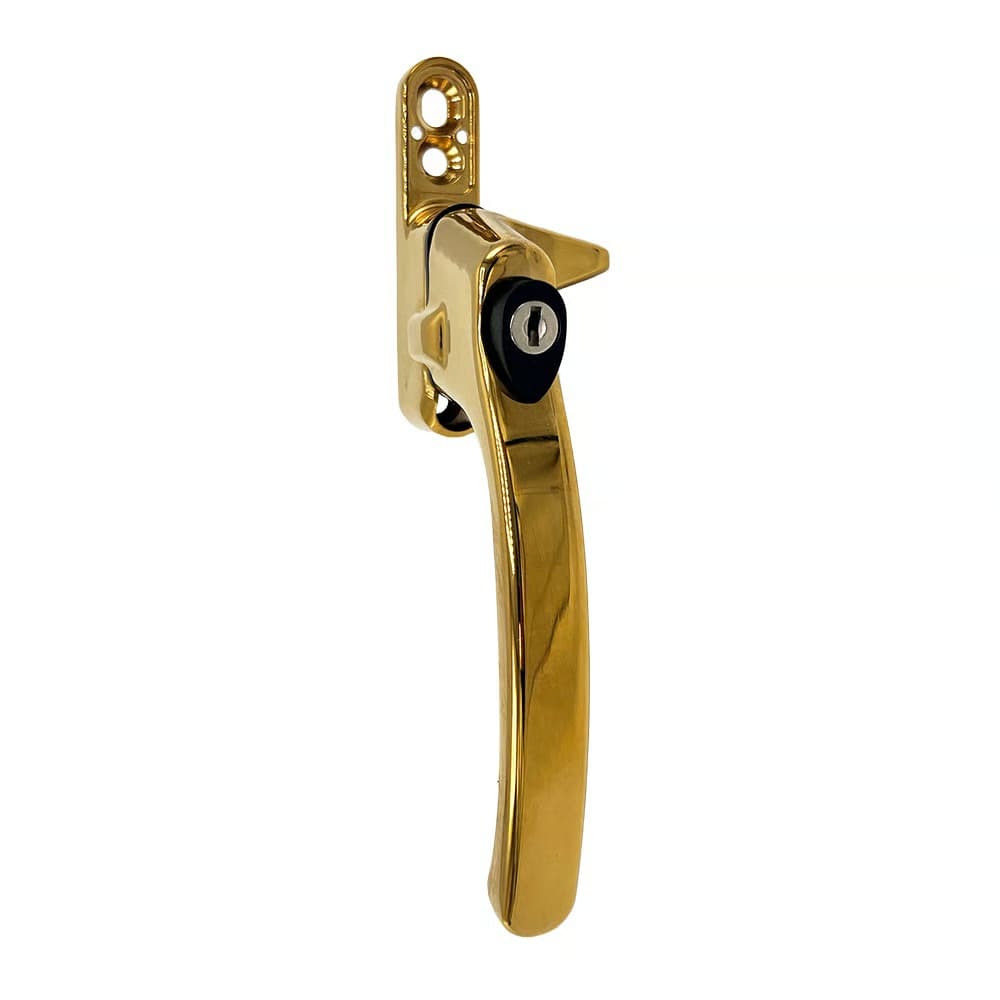
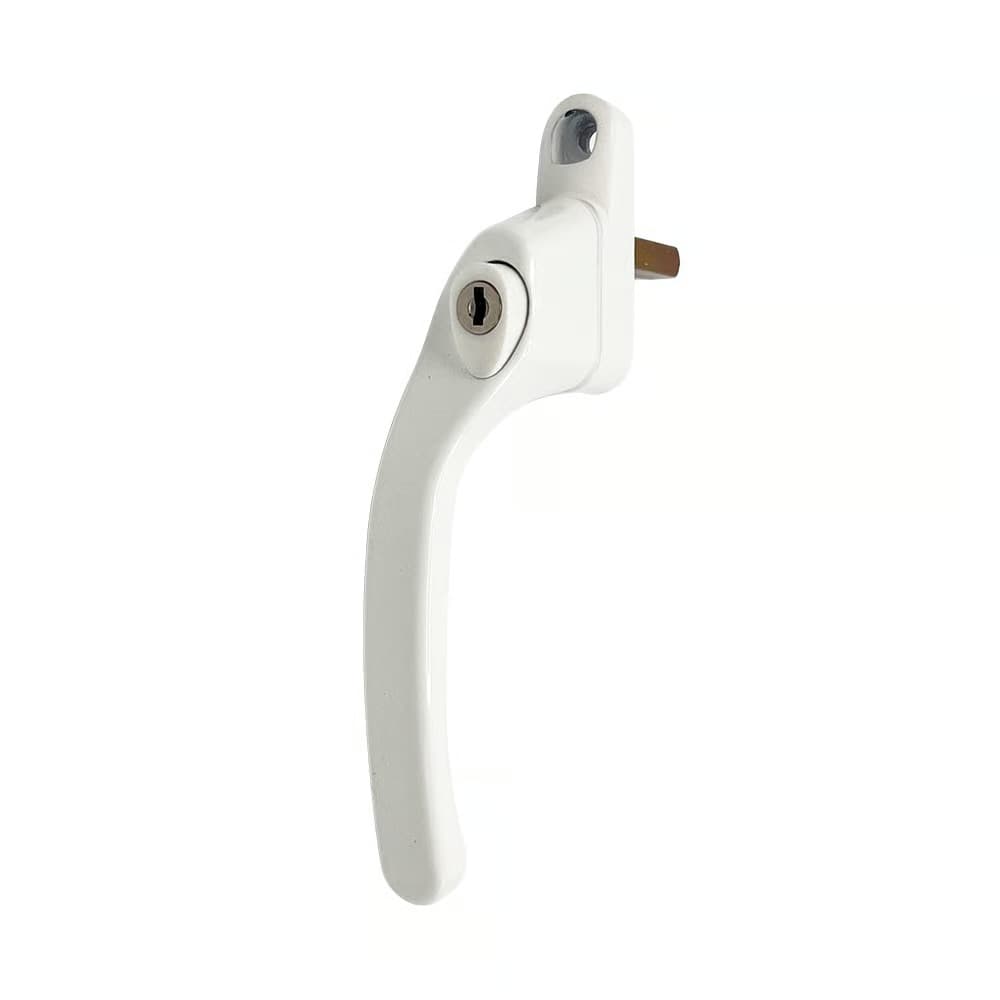
- Cockspur handles: use a curved hook (cockspur) that hooks around the frame; measurement focuses on backplate screw centres. A representative product is the TSS Cockspur Window Handle.
- Casement and compressive handles: vary in design; some have mushroom cams or special spindles. The TSS Offset UPVC Window Handles is a commonly used option for many standard casements.
Measuring spindle length (practical steps)
Spindle length is the distance the square rod (spindle) extends from the handle into the lock. Accurate length prevents binding or loose handles.
1. Remove the handle: Unscrew the fixing screws and slide the handle off the spindle. Retain screws and any cover caps. 2. Measure the spindle: Use a caliper or tape to measure from the point where the spindle meets the inner face of the handle backplate (or the end that sits flush with the handle body) to the end of the spindle that enters the lock. Record this as the overall spindle length. 3. Note handedness and special features: Some spindles are split, adjustable or double-ended. Record whether the spindle is solid, split (for adjustable handles) or non-standard. 4. Common lengths and selection: Spindle lengths commonly range from 25mm to 80mm in household uPVC windows. If the measurement falls between standard sizes, round to the nearest standard size available or fit an adjustable spindle where applicable.
Do not measure from the tip of the spindle to the opposite handle face; measurement must reflect the portion that engages the locking mechanism.
Measuring centres (what to measure and how)
“Centres” refers to the distance between the fixing points on the handle’s backplate (the screw holes), or on some backplates the distance between the spindle centre and a fixing screw. Measuring centres ensures the new handle’s screw holes line up with the pre-drilled holes in the frame.
1. Measure between screw holes: With the handle removed, measure the distance from the centre of one fixing hole to the centre of the other fixing hole. Use the innermost hole centres where possible. 2. For unsymmetrical backplates: Measure from the spindle centre to the fixing screw centre if one side lacks a second screw hole. 3. Record the measurement in millimetres to the nearest millimetre. 4. Common centres: Typical backplate centres include 43mm and 92mm for many espag and casement handles, but variations exist. Always match the actual measured centres to the replacement specification rather than assuming a common size.
Accurate centres measurement prevents the need to re-drill the frame and keeps the finish neat.
Additional checks before ordering
- Spindle shape and size: Confirm whether the existing spindle is 7mm square or a different profile. Many UK uPVC handles use a 7mm square spindle, but confirmation is essential.
- Screw thread and length: Note the screw length and thread type if the frame requires long screws.
- Backset and clearance: Ensure the handle backplate will clear any beading or glazing beads in the sash.
- Lock compatibility: Some espag handles work with specific locking gear; matching manufacturer specifications avoids jamming the locking strip.
Fitting the replacement handle — best practice
1. Align the spindle: Insert the new spindle and ensure it engages evenly with the lock gearbox. 2. Test operation before tightening: Place the handle and rotate it to verify smooth operation of the locking points or cockspur action. 3. Tighten fixings evenly: Secure screws gradually to avoid twisting the backplate. For handles with grub screws, tighten to the recommended torque — avoid overtightening. 4. Final check: Open and close the window several times to confirm correct operation and that the handle returns to the neutral position without play.
Maintaining a neat finish by replacing any worn backplate caps and using appropriate screw lengths improves both function and appearance.
Common pitfalls to avoid
- Buying by appearance only: Two visually similar handles can have different spindle lengths and centres.
- Assuming spindle size: Measure the spindle profile rather than assuming it is 7mm.
- Over-tightening grub screws: This can strip the screw or damage the handle mechanism.
Related Reading
Explore more guides on related topics:
Summary
Measuring spindle length and centres correctly is essential for successful uPVC window handles replacement. Using the right tools, identifying the handle type, and following the step-by-step measuring and fitting advice ensures new handles operate smoothly and fit the existing frame without modification. For more detailed specifications and product options, consult the comprehensive resource: Window Handles Guide
Part of our guide:
Complete Guide to Window Handles