Espag Handle Backset Sizes: 15mm, 20mm, and 30mm Explained
Choosing the correct espag handle backset is a small decision that makes a big difference to window function and security. This guide explains the common espag handle backset sizes: 15mm, 20mm and 30m...
Choosing the correct espag handle backset is a small decision that makes a big difference to window function and security. This guide explains the common espag handle backset sizes: 15mm, 20mm and 30mm. It is written for tradespeople and informed DIYers and sits alongside our wider resources on window hardware; see our pillar page for more on window handles and associated components.
What is an espag handle backset and why it matters
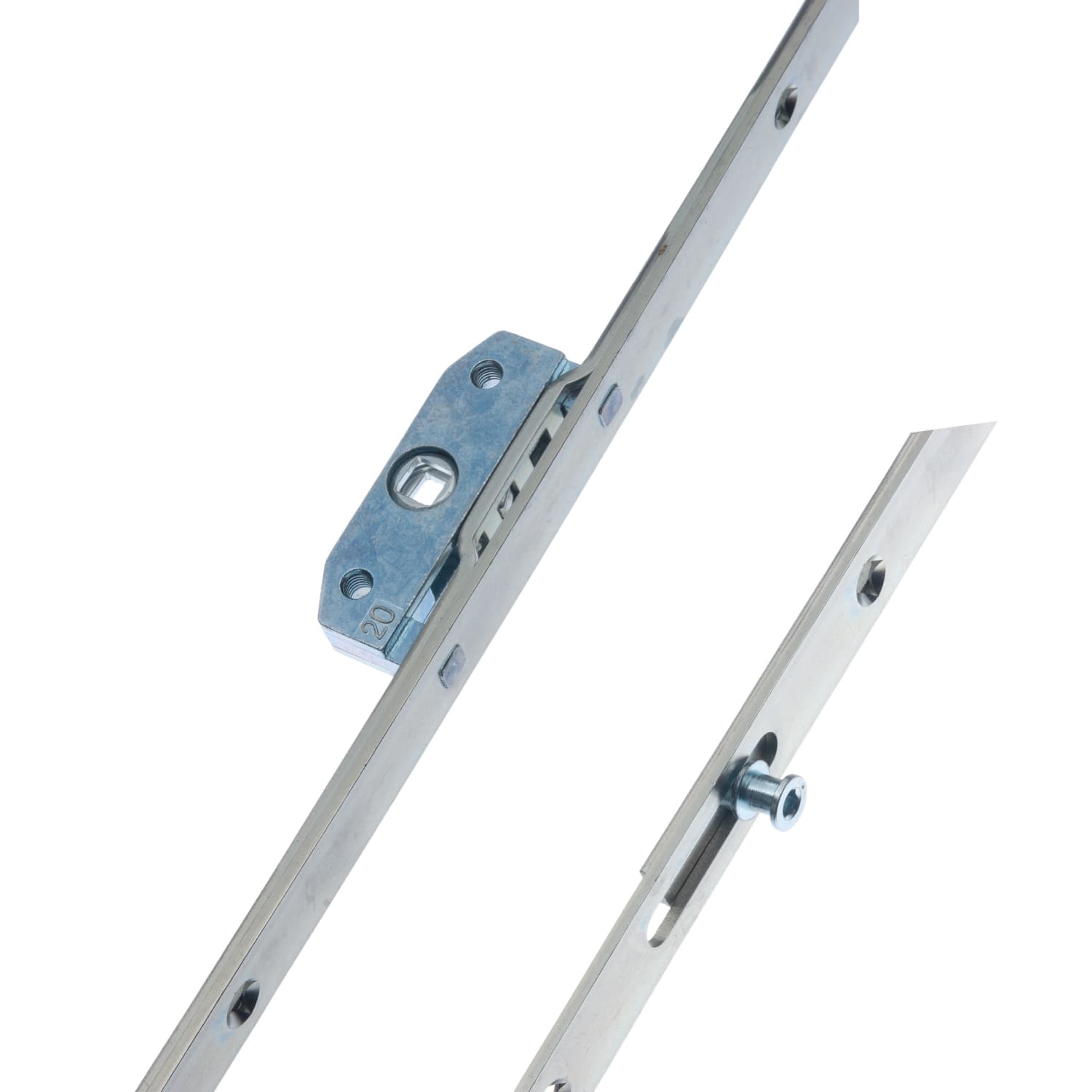
The espag handle backset is the distance from the centre of the handle spindle to the face of the window sash or the front edge of the handle rose. This measurement determines how the espag handle interfaces with the espagnolette gearbox and the outer frame. Using the wrong backset can result in poor engagement, reduced security and aesthetics that do not line up.
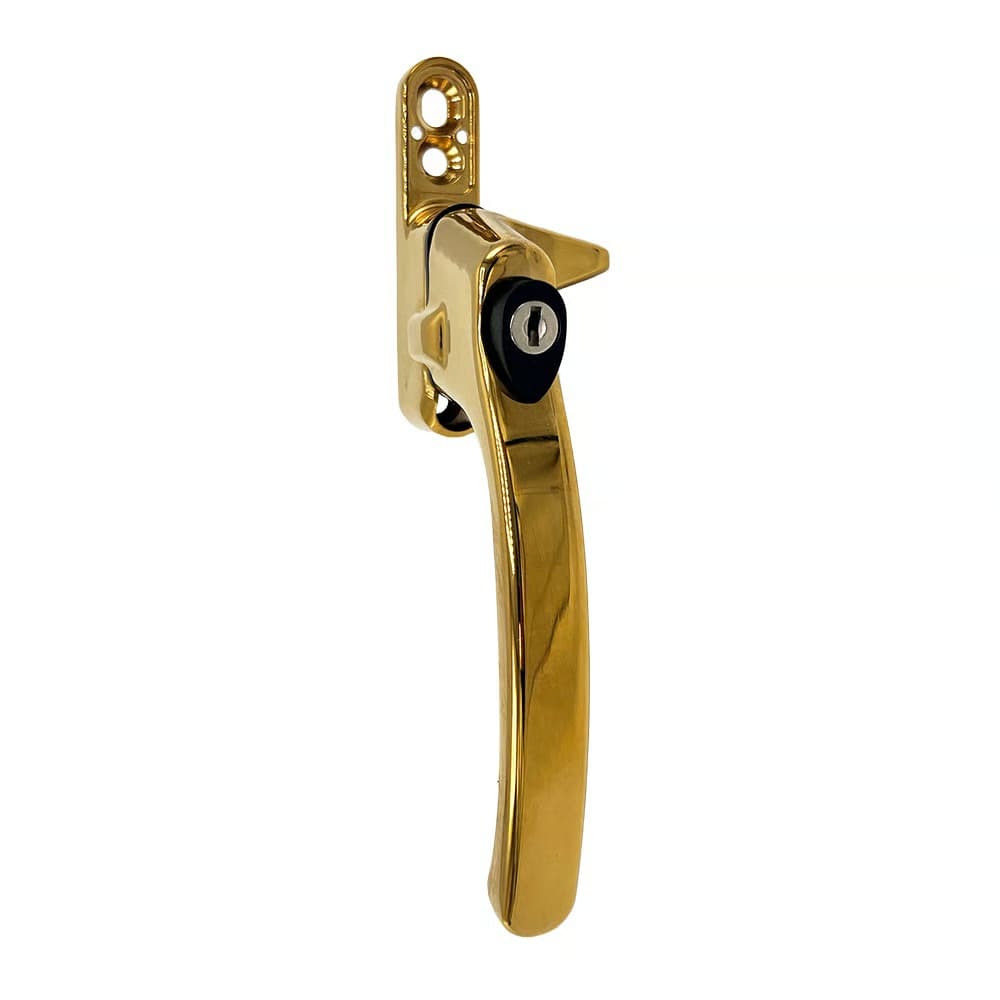
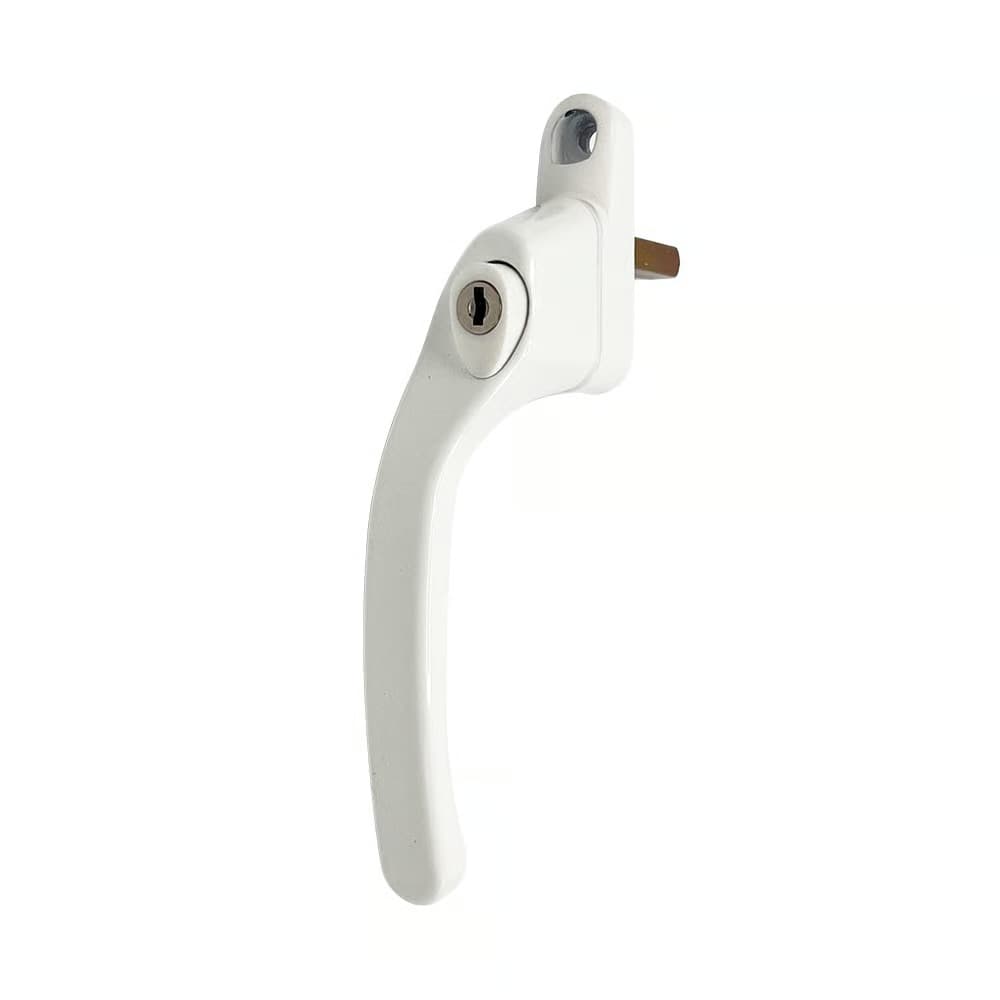
Tradespeople should always measure the existing setup before ordering replacement espag handle units. An incorrectly chosen espag handle will cause installation delays and potentially require replacing the gearbox or routing the sash for correct alignment.
Common backset sizes: 15mm, 20mm and 30mm explained
There are three standard espag handle backset sizes commonly used in the UK. Each is suited to specific sash profiles and gearbox positions:
- 15mm backset: Often used on narrow sash profiles or slimline PVC windows; the spindle sits close to the sash face. Choose a 15mm espag handle when space is limited or when replacing older slim-profile handles.
- 20mm backset: The most common size for modern double-glazed windows. A 20mm espag handle offers a good balance between mechanical engagement and sash clearance; it is the default choice for many window systems.
- 30mm backset: Used where the gearbox is set further into the sash, such as when additional seal or reinforcement is present. A 30mm espag handle is common for timber frames and certain tilt-and-turn installations.
How to measure the backset correctly on site
Accurate measurement is essential. Follow these practical steps before ordering an espag handle:
- Open the window and locate the centre of the handle spindle or take the measurement from the handle rose to the sash edge.
- Measure the distance in millimetres: from the centre of the spindle to the inner face of the sash or to the front edge where the handle sits.
- Confirm whether the gearbox is recessed: if the gearbox sits behind glazing beads or reinforcement, you may need a larger backset espag handle.
- Check for offsets: some sash designs have off-centre spindle positions; measure both sides if unsure.
Always measure to the nearest millimetre and record whether the handle is left- or right-handed. This ensures you order the correct espag handle handedness and backset.
Choosing compatible espag handle hardware
Compatibility is not just about backset. Consider these factors when selecting an espag handle:
- Spindle length and profile: confirm the spindle size and whether it is square, splined or keyed.
- Fixing centres: check the distance between screw holes on the rose or backplate.
- Handing: ensure the espag handle fits the opening direction; many manufacturers offer reversible models but confirm before fitting.
- Finish and corrosion resistance: for coastal installs use corrosion-resistant finishes; trade installers should advise clients on long-term performance.
Installation tips for tradespeople and competent DIYers
Fitting the correct espag handle backset avoids common faults. Use these trade-tested tips:
- Remove the existing handle carefully and inspect the gearbox: note the position of the locking cams and keep any shims or packing for reference.
- If replacing with a different backset espag handle, ensure the gearbox accepts the new spindle; some gearboxes require adaptor bushes.
- Apply threadlocker or manufacturer-recommended torque to fixing screws to prevent loosening while avoiding over-tightening that distorts the rose.
- Check operation after installation: confirm the espag handle fully engages the espagnolette and that locking points align along the frame.
- Make minor sash adjustments if the handle catches; a small router or plane may be necessary for timber sashes when moving to a larger backset espag handle.
Common problems and how to troubleshoot
Even with the correct espag handle, issues can arise. Here are frequent problems and fixes:
- Handle feels loose: check spindle wear; replace the spindle or the entire espag handle if the square is rounded.
- Handle does not engage locking points: confirm backset and gearbox position; a 30mm espag handle fitted where 20mm is required will not engage correctly.
- Cosmetic misalignment: use packing or change rose style to cover screw holes or routing left by the old espag handle.
- Condensation or draughts after replacement: ensure seals have not been disturbed and that the sash compresses correctly when locked.
Selecting the correct espag handle backset is straightforward with proper measurement and attention to gearbox compatibility. Tradespeople should carry a small range of 15mm, 20mm and 30mm espag handle samples to cover onsite replacements and minimise call-backs.
Recommended Products
Based on this article, you may find these products helpful:
- TSS Cockspur Window Handles
- TSS Offset UPVC Window Handles
- ERA Universal Inline Window Handle
- In-Line Window Handle - White
- ERAB Espagnolette Window Lock Universal Lock Replacement
Conclusion
Knowing the differences between 15mm, 20mm and 30mm espag handle backsets helps you specify and fit the right hardware quickly. Measure carefully, check gearbox compatibility, and choose the correct handing and finish for the job. For more in-depth guidance on window hardware and to explore handle ranges, visit our guides on window handles and contact our trade team for specification support.
Part of our guide:
Complete Guide to Window Handles