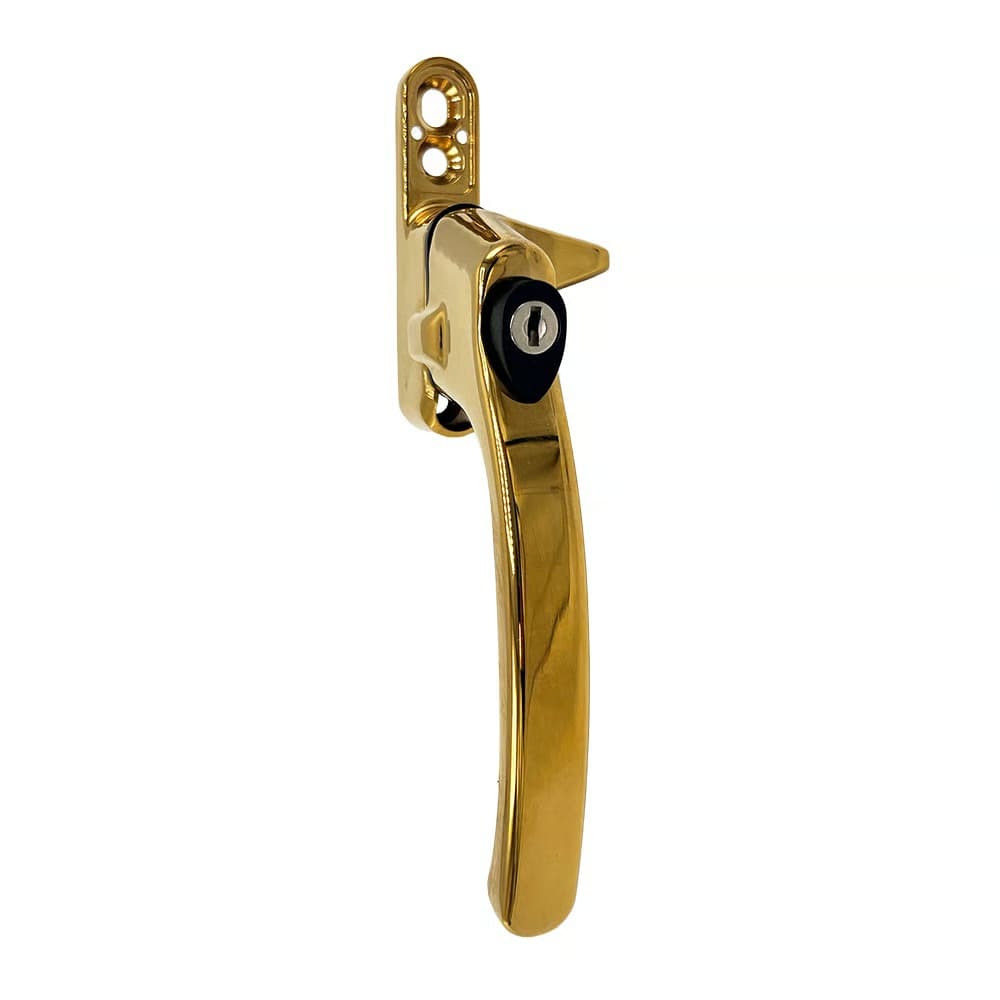
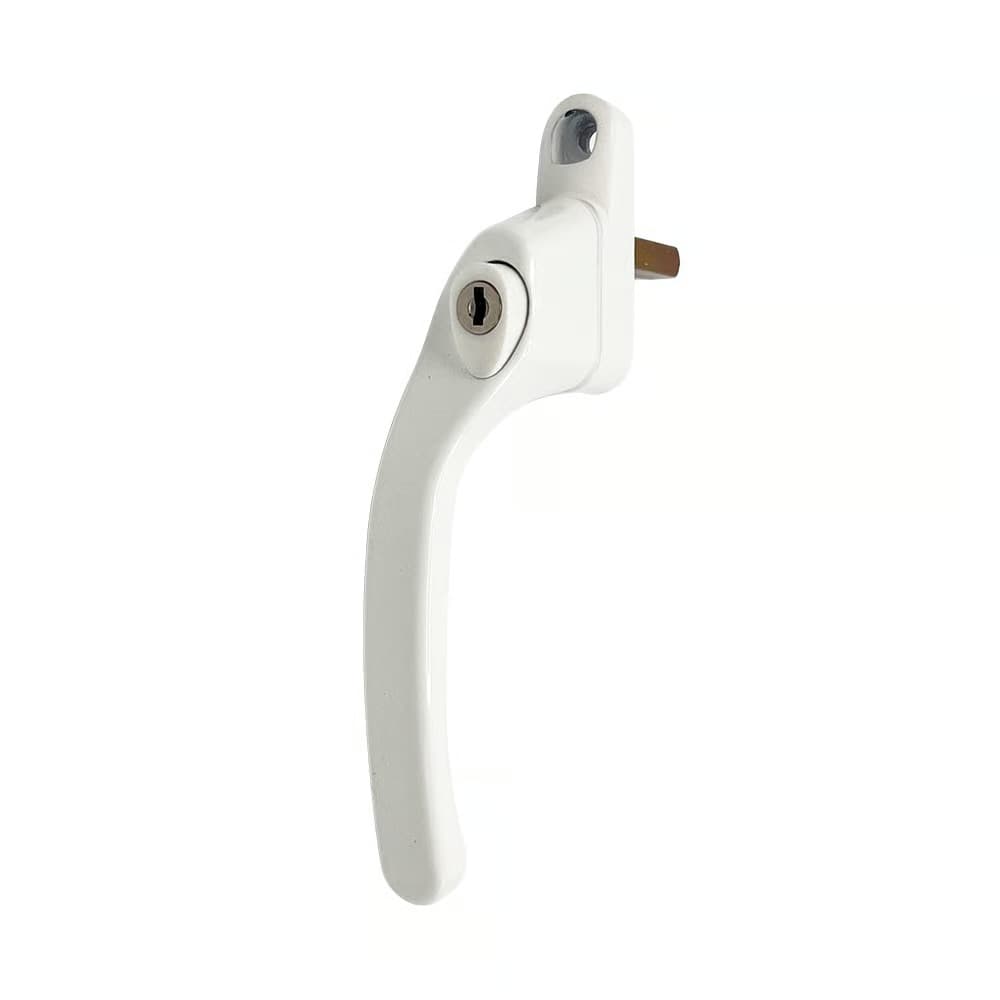
Cockspur Handle Left vs Right Hand: How to Tell
Choosing the correct cockspur handle for a window is a small but important decision for both tradespeople and DIY enthusiasts. Get it wrong and the handle will sit awkwardly, be hard to use, or simply...
Choosing the correct cockspur handle for a window is a small but important decision for both tradespeople and DIY enthusiasts. Get it wrong and the handle will sit awkwardly, be hard to use, or simply not fit. This guide explains how to tell a cockspur handle left from right, how handing is defined in the UK, what measurements to take, and practical tips for fitting or swapping handles on casement and sliding windows.
What is a cockspur handle?
A cockspur handle is a surface-mounted window handle most commonly used on older or simple casement and sliding windows. The handle operates a cockspur lock: a lug or spur that grips the window frame to hold the sash closed. They are popular because they are inexpensive, easy to fit, and suitable for timber, aluminium and PVC frames.
Tradespeople refer to them as cockspur handle or cockspur handles in specifications and parts lists; as a trade supplier we aim to make choosing the right cockspur handle straightforward.
How handedness is commonly defined
Handing for cockspur handles can be confusing because different manufacturers use different conventions. Here are the two common methods you will encounter:
- Hinge-side method: Hand is defined by the side of the window where the hinges sit. If the hinges are on the left as you face the window from inside the room then the window is left-handed; if they are on the right then it is right-handed.
- Handle-side method: Hand is defined by the side of the handle when fitted in the closed position. If the handle is on the left of the sash when viewed from inside the room it is called left-hand; if on the right it is right-hand.
Most UK suppliers and installers use the hinge-side method for doors and larger windows but many cockspur handle manufacturers use the handle-side method. Always confirm which convention your supplier follows when ordering a cockspur handle.
Simple steps to identify left or right cockspur handles
Use this reliable method on-site before ordering or fitting a cockspur handle. It works whether you are a trade fitter or a homeowner tackling a replacement.
- Stand on the room side: Always decide handedness from inside the room where the handle will be used.
- Look at the hinges: If the hinges are visible on the left of the sash when you look at the window from inside, the sash is left-hung; if they are on the right, the sash is right-hung.
- Note handle position: With the sash closed, the handle will usually be on the opposite side to the hinges. Confirm whether the handle will sit left or right of the sash when it is in the closed, locked position.
- Match the supplier terminology: Ask your supplier whether they use hinge-side or handle-side handing. Order the cockspur handle accordingly.
Measuring and checking before ordering
Handing is only one part of selecting a cockspur handle. Check these practical dimensions and fit details on-site before placing an order:
- Spindle length and thickness: Measure the spindle that passes through the handle to the lock mechanism; common spindles are 7mm square, but check the length and profile.
- Screw centre distance: Measure the distance between the screw holes on the existing handle; many cockspur handles use standard centres such as 43mm or 35mm.
- Projection and spur length: Ensure the spur or lug will reach into the keep on the frame; some windows need longer spurs for deep frames.
- Material and finish: Choose corrosion-resistant finishes for coastal areas and match finishes for aesthetics; aluminium, zinc alloy and stainless fasteners are common.
Fitting and replacement tips for tradespeople
Follow these practical tips when fitting a cockspur handle to save time and ensure a durable result:
- Always remove the old handle and take direct measurements rather than relying on memory or old paperwork; handing errors are common on retrofit jobs.
- If the new cockspur handle is reversible, fit the handle and test operation before tightening fixings; some reversible models allow on-site handing changes.
- Use the correct length screws and apply a drop of threadlocker on metal-to-metal fixings for a secure long-term fit; avoid overtightening in timber frames to prevent crushing the wood.
- Check the keeps and striker plates: worn keeps can prevent the spur from engaging; replace or adjust keeps where necessary to ensure positive locking.
- Consider safety: for ground-floor windows use cockspur handles with option for key-locking or fit an additional security device to comply with insurance requirements.
Common mistakes and how to avoid them
Avoid these frequent pitfalls when ordering or fitting a cockspur handle:
- Assuming handedness without inspecting the window. Always check hinge side and handle position from inside.
- Ordering by photo alone. Photos can be misleading; measure screw centres and spindle sizes on-site.
- Forgetting to confirm supplier convention. Ask whether handedness is defined by hinge side or handle side.
- Overlooking wear on keeps and frames. A new cockspur handle will not function properly if the keep is damaged or misaligned.
Choosing the correct cockspur handle is straightforward when you follow a consistent process: decide the handing from inside, take accurate measurements, confirm the supplier convention, and check keeps and spindles. Tradespeople will save call-backs by double-checking these details; DIYers will be rewarded with a neat, working replacement handle.
If you need more guidance on selecting handles, use our window handles guide on the pillar page: /guides/window-handles, where we cover compatible fittings, security options, and installation walkthroughs for different window types.
Conclusion: Determining left or right for a cockspur handle comes down to inspecting the window from the inside and confirming handing with your supplier. With correct measurement and attention to keeps and spindle size, fitting or replacing a cockspur handle is a quick, cost-effective job that keeps windows secure and functional.
Recommended Products
Based on this article, you may find these products helpful:
Part of our guide:
Complete Guide to Window Handles