How to Adjust a Tilt and Turn Handle: Alignment Tips
Getting the operation of a tilt and turn handle right is one of the quickest ways to improve window performance and security. Whether you are a trade fitter servicing a batch of units or a homeowner t...
Getting the operation of a tilt and turn handle right is one of the quickest ways to improve window performance and security. Whether you are a trade fitter servicing a batch of units or a homeowner tackling their first repair, understanding how to adjust a tilt and turn handle will save time, reduce callbacks and make sure the window seals and locks correctly. This guide covers alignment tips, common faults, adjustment methods and practical checks you can carry out with basic tools.
Why handle alignment matters
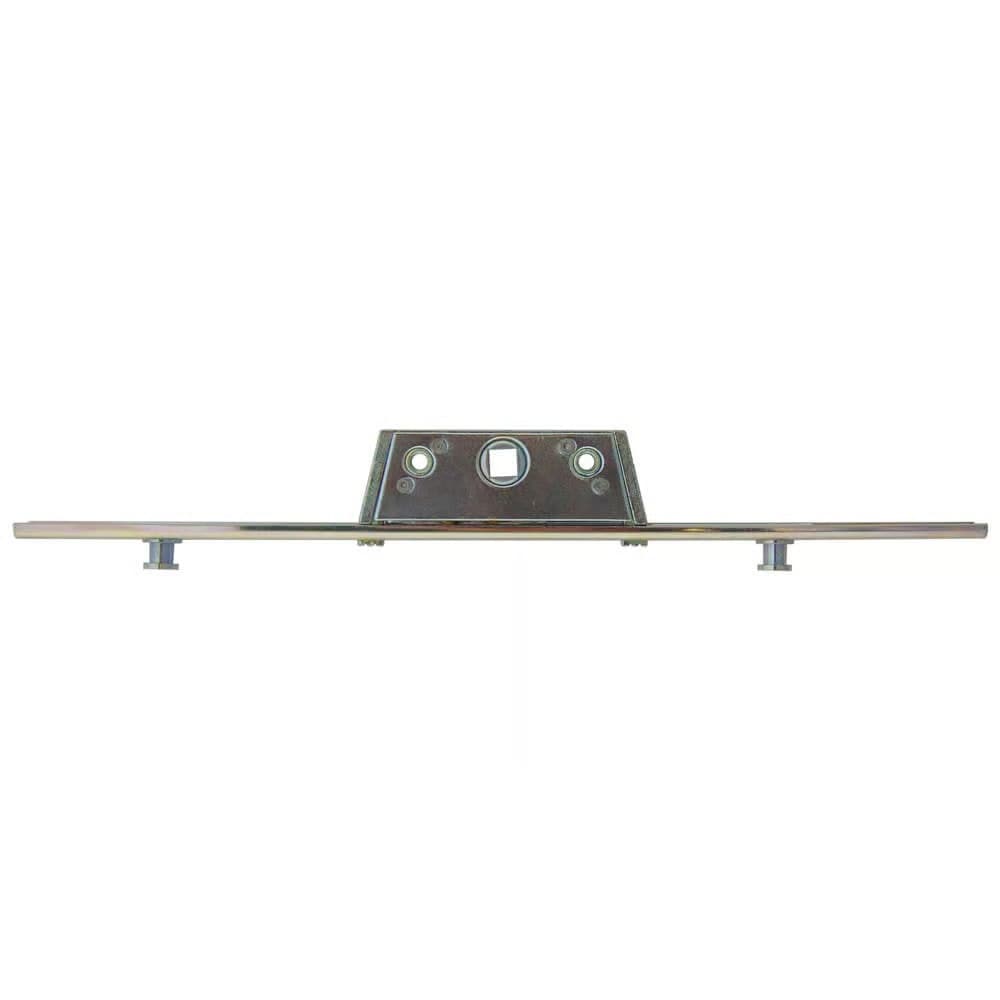
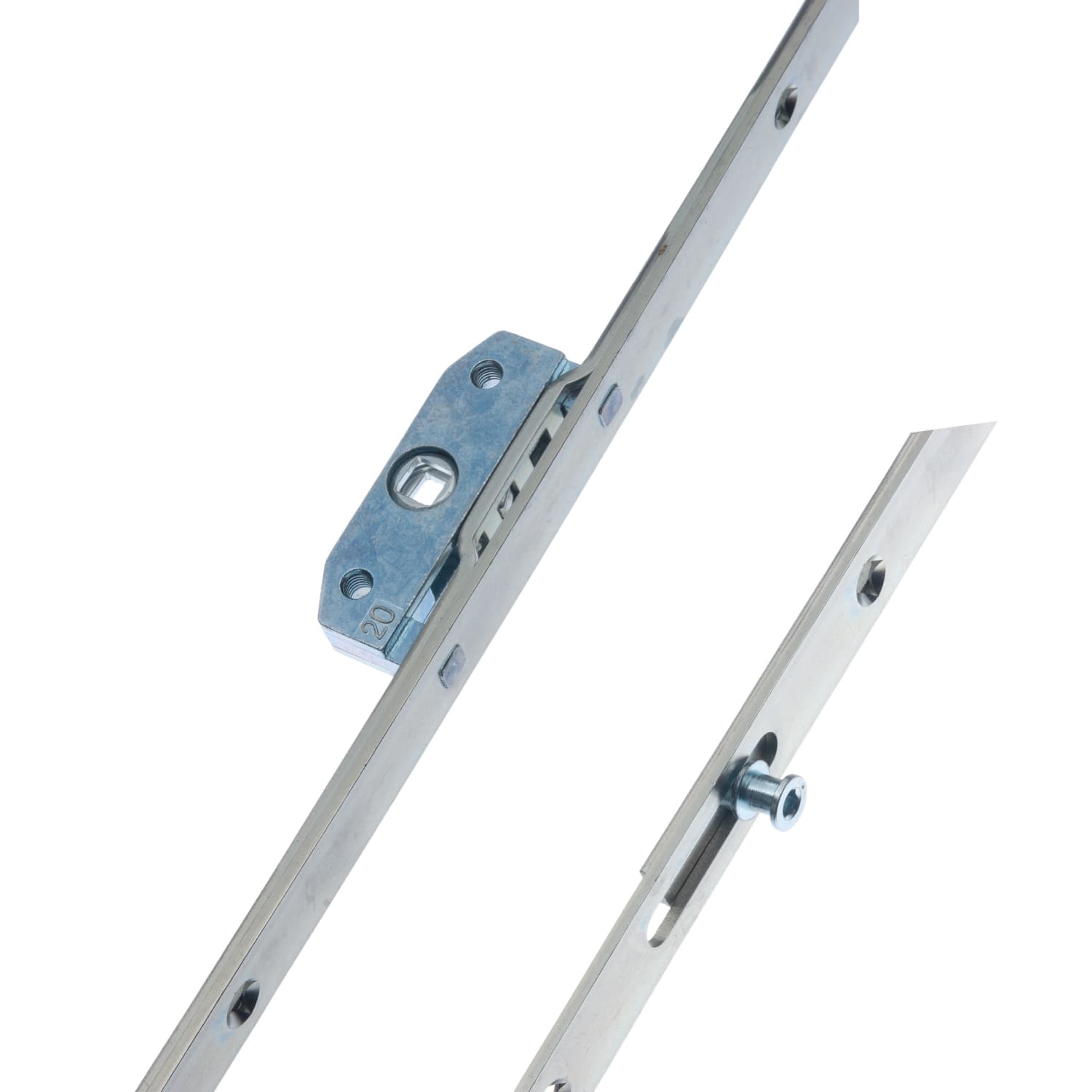
A correctly aligned tilt and turn handle ensures smooth operation in both tilt and turn modes, prevents undue wear on the espagnolette mechanism and maintains the weatherseal. Misalignment can cause:
- Difficulty engaging the locking points when turning the handle
- Gaps at the top or bottom of the sash in tilt mode
- Excessive force required to operate the handle, leading to premature failure
- Rattling or drift in windy conditions
Understanding what adjustment is needed starts with identifying whether the problem is with the handle, the gearing inside the handle spindle or the keep and strike alignment.
Tools and safety checks
Before starting work on any tilt and turn handle, assemble these basic tools and perform safety checks:
- Cross-head and flat screwdrivers
- Allen keys (commonly 4 mm or 5 mm depending on handle type)
- Spirit level or small square
- Feeler gauges or a 2 mm plastic shim set
- Pen and masking tape to mark initial positions
- Protective gloves and safety glasses
Check that the window is supported and will not swing closed onto your hands when you release the handle. If working at height, use safe access and ensure the sash is secured in the open position if necessary.
Diagnosing alignment problems
Start by using the handle through its full range of motion. Note these common symptoms linked to specific faults:
- Handle stiff to move in either direction: likely binding in the espagnolette or misaligned keeps
- Handle turns fully but latch does not engage: broken or worn spindle, or handle not clamped correctly
- Sash does not close flush in tilt: keep adjustment or striker plate position requires change
- Handle droops or sits slanted: loose fixings or incorrect handle position on spindle
Record the handle’s neutral position with tape so you can compare before and after adjustments. This makes it easier to return to the original set-up if needed.
Adjusting the handle position and spindle
Many tilt and turn handle issues stem from the handle not being correctly positioned on the spindle or the spindle itself being damaged. Follow these steps:
- Open the window to the turn position and set the handle vertically; in the tilt position the handle is usually horizontal - check the manufacturer’s spec.
- Loosen the handle fixing screw or remove the cover cap to expose the grub screw; fit the correct Allen key.
- With the handle in the desired neutral position, retighten the fixing screw ensuring the handle sits perpendicular to the frame where required.
- If the handle keeps slipping on the spindle, the spindle may be rounded or the grub screw damaged; replace the handle or spindle as necessary.
Replacing a handle is straightforward: remove the screws, withdraw the handle and fit the new unit ensuring the spindle enters the mechanism squarely. Test operation before final tightening.
Adjusting keeps and striker plates
If the handle operates but the sash does not engage correctly with the frame, adjustment of the keeps and striker plates is required. Typical steps are:
- Mark the current position of each strike plate with tape.
- Loosen the keep fixings slightly so the plate can be moved; most keeps slot vertically and horizontally for fine adjustment.
- Tighten the handle gently and close the sash to test engagement; small movements can make a big difference.
- Use a feeler gauge to measure gaps at the head and cill to ensure even compression of the seal.
- Once optimal engagement is achieved, tighten all fixings and re-test the handle through tilt and turn modes.
For multi-point espagnolette systems, adjust each keep incrementally so the load is shared evenly across locking points. This reduces effort at the handle and prolongs the life of the locking gear.
When to replace components and when to call a specialist
Tradespeople will recognise that some faults are best fixed by replacement, not adjustment. Consider replacement if:
- The spindle is scored or rounded and cannot transmit torque reliably
- The handle has internal play or does not clamp correctly after re-tightening
- Locking cams or rollers are worn or missing
- The espagnolette gear shows corrosion or bent rods
If adjustments do not restore smooth tilt and turn handle operation, or if the window is distorted, warped or has structural issues, escalate to a specialist window engineer. Also refer to manufacturer instructions for warranty-preserving repairs.
Maintenance tips to avoid future misalignment
Regular servicing reduces future adjustments and failures. Recommended maintenance:
- Lubricate moving parts annually with a light silicone spray; avoid heavy oils that attract dust
- Check handle fixings and keeps after seasonal movement, particularly on timber windows
- Inspect for loose screws, worn rollers and signs of moisture ingress
- Record any adjustments so you can revert to previous settings if needed
Knowing how to adjust a tilt and turn handle is an essential skill for installers and a useful DIY task for homeowners. With the right diagnosis, some basic tools and careful keeps adjustment, most alignment problems can be resolved quickly on site. If the issue is internal wear or window distortion, opt for replacement components or professional intervention to avoid repeated visits.
For trade customers: keep a small stock of common replacement handles, spindles and keeps - having the right part on the van saves time and gives a professional finish to every job.
Recommended Products
Based on this article, you may find these products helpful:
Part of our guide:
Complete Guide to Window Handles