Inline Window Handle Security: Locking Mechanisms Explained
Inline window handle security is a practical concern for tradespeople and savvy DIYers specifying or fitting hardware in domestic and commercial projects. This guide explains the common locking mechan...
Inline window handle security is a practical concern for tradespeople and savvy DIYers specifying or fitting hardware in domestic and commercial projects. This guide explains the common locking mechanisms used with an inline window handle, how they perform in real-world installations, and what to consider when choosing or upgrading handles to improve security without compromising function or appearance.
What is an inline window handle?
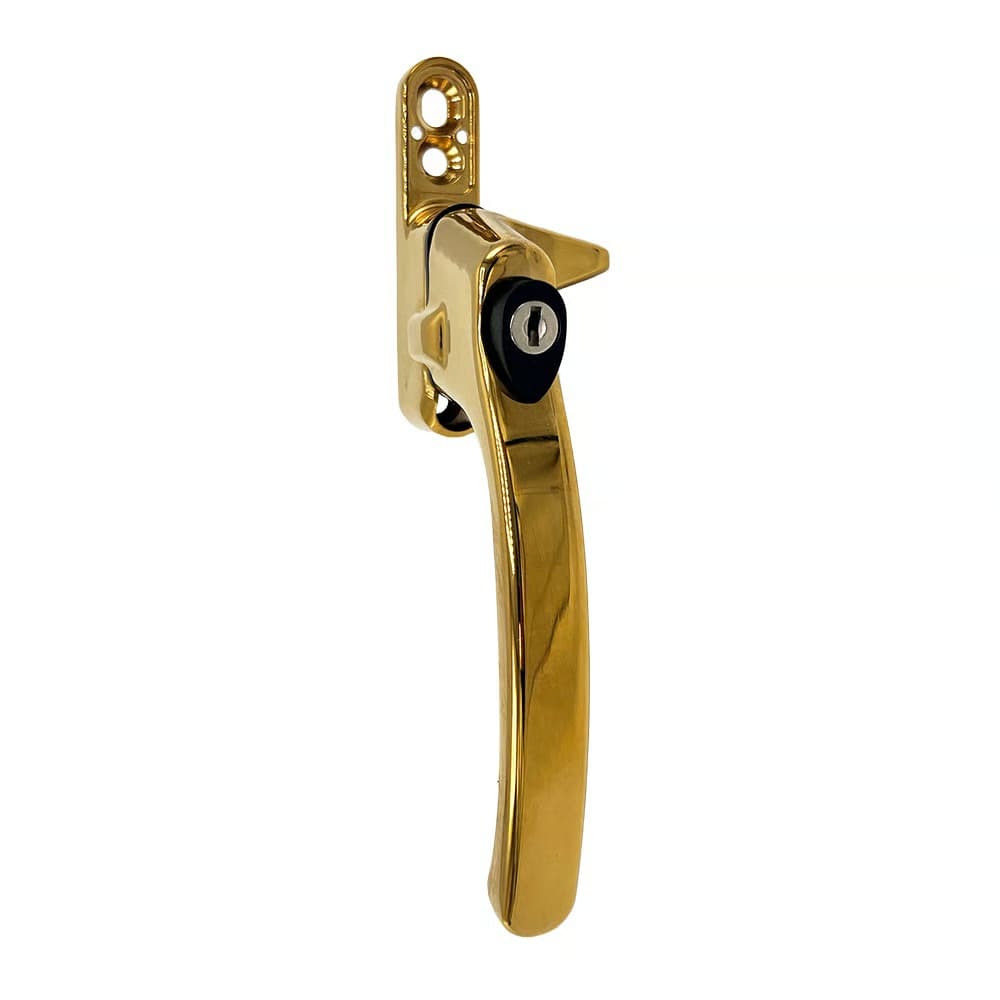
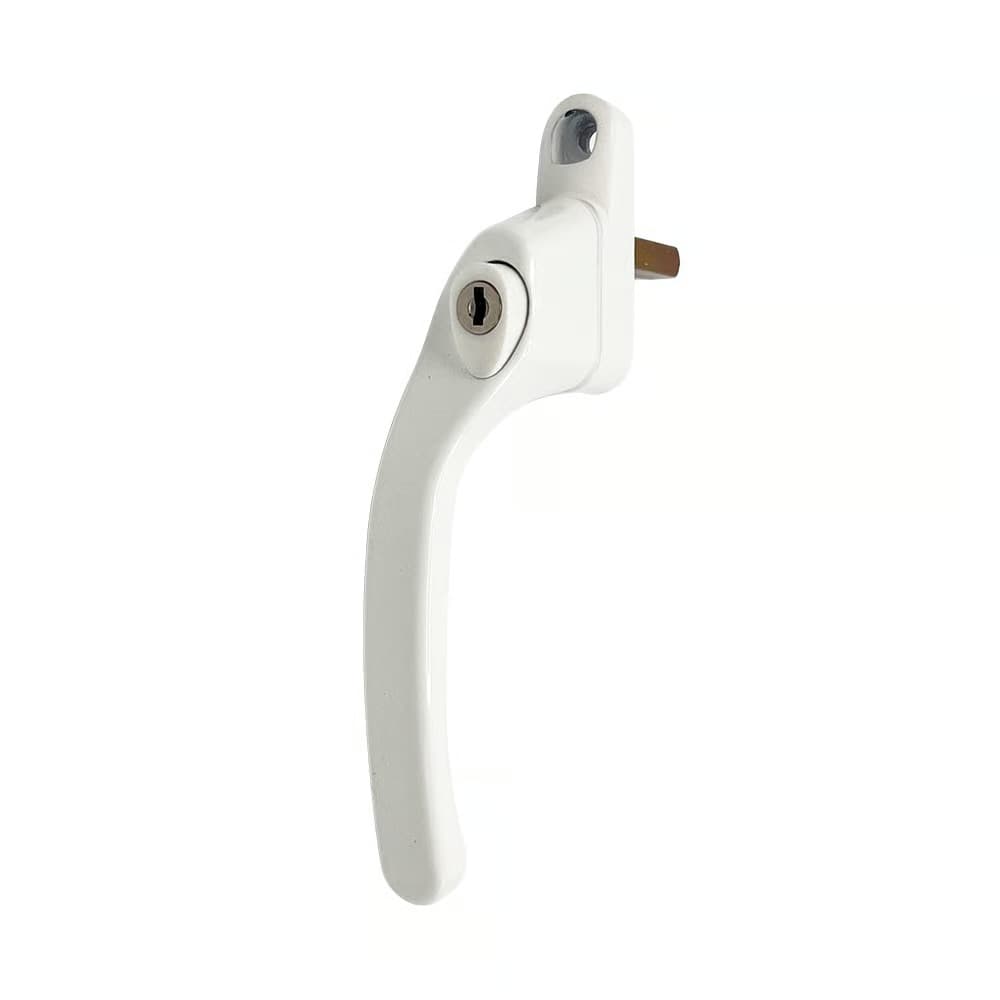
An inline window handle is a type of window handle that sits in line with the window frame and operates the locking mechanism via a direct connection to the multi-point or shootbolt system. These handles are commonly fitted to aluminium, timber and PVCu windows where the handle spindle engages a gearbox or locking cam within the frame. Unlike surface-mounted handles, inline window handles create a neat profile and can be manufactured with built-in locks for added security.
Common locking mechanisms for inline window handles
Inline window handle security typically relies on one of several locking solutions. Knowing the differences helps when specifying hardware for new builds or retrofit projects.
- Key-locking inline handle: A cylinder or integrated lock in the handle secures the handle in the closed position; suitable for patios, ground-floor windows and houses with young children.
- Rotary lock or push button: A mechanical button or rotating catch that prevents handle movement; popular for night ventilation settings and budget-conscious installs.
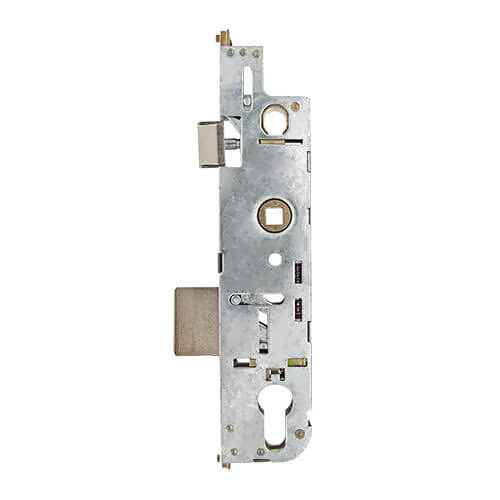
- Multipoint engagement via gearbox: The inline handle operates a gearbox which then engages multiple locking points along the sash edge; this improves resistance to forced entry when combined with robust keep design.
- Anti-snap or anti-drill cores: For keyed inline window handle options, specified cylinder profiles resist common attacks; these are important for exposed locations or high-risk properties.
- Integrated sash locks: Some inline handles incorporate additional internal locking hooks or bolts that engage directly into reinforced keeps in the frame to increase security.
How to choose the right inline window handle for security
Selection should balance security needs, user convenience and compatibility with the window system. Consider these trade-focused points:
- Assess the risk level of the property: ground-floor windows need higher protection than upper floors.
- Confirm compatibility: check spindle lengths, gearbox interface and screw positions between the inline window handle and the existing window system.
- Choose the appropriate locking type: keyed handles for high security; push-button for everyday convenience; multi-point gearboxes for heritage or high-performance windows.
- Specify cylinder quality: for keyed handles, use British Standard or TS-certified cylinders where required by warranty or insurance.
- Consider materials and finishes: corrosion-resistant components are essential in coastal areas; powder-coated or anodised finishes match aluminium frames.
- Think about emergency egress: ensure locked handles can be opened quickly from the inside; some keyed handles offer emergency release features.
Installation tips for tradespeople
Correct installation of an inline window handle is critical for security and longevity. Follow these practical steps and checks:
- Test-fit the handle to confirm spindle length and rotation direction match the gearbox; common spindles are 7mm square but confirm manufacturer dimensions.
- Use the correct screws and torque settings; over-tightening can distort the handle or gearbox mounting, under-tightening can allow leverage attacks.
- Align the keeps and striker plates accurately; even slight misalignment reduces multi-point engagement and security.
- Seal cut-outs and fixings to prevent water ingress; moisture can corrode internal components and reduce lifespan.
- Check the handle operation through the full cycle: closed, locked and any night-vent positions; ensure smooth engagement and no play in the mechanism.
- For keyed inline window handle systems, register the keys or supply duplicate keys to the client and record serial numbers if provided.
Common problems and how to fix them
Even robust inline window handle systems can show issues over time. Common faults and quick fixes include:
- Wobbly handle: tighten mounting screws; if the gearbox is worn, replace the gearbox assembly rather than the handle alone.
- Handle will not lock or unlock: check for debris in the gearbox, align keeps, and inspect the cylinder for damage or key wear.
- Corrosion or stiffness: lubricate moving parts with a light machine oil or silicone spray; replace corroded components and upgrade to stainless or coated options in coastal locations.
- Snapped cylinder: if the inline window handle cylinder has been attacked, replace with an anti-snap certified cylinder and consider upgrading handle locks across the property.
Specifying for compliance and insurance
Use this checklist when specifying inline window handle security for projects with regulatory or insurance requirements:
- Confirm that specified handles meet the relevant hardware standards; for keyed locks, use accredited cylinders when required by the insurer.
- Document the locking type and hardware codes in the job sheet; include this in the handover pack for the client.
- Consider using a master keyed system for multi-property projects to simplify key management; check key control documentation.
- For retrofit works on older frames, inspect and reinforce the frame around keeps to achieve the intended level of security.
Choosing the right inline window handle and installing it correctly will materially improve the security and functionality of a window. For tradespeople, think beyond the handle itself: confirm compatibility with the gearbox and keeps, specify appropriate cylinder standards and consider environmental factors. For homeowners, understanding these points helps when discussing upgrades or replacements with your installer.
If you need further guidance on choosing inline window handle options for a specific frame type or project, contact your supplier with details of the sash, gearbox type and desired locking features so they can recommend compatible, certified products.
Recommended Products
Based on this article, you may find these products helpful:
Part of our guide:
Complete Guide to Window Handles