Window Handles

New Window Handles: Common Fit Problems and How to Avoid Them

29 December 2025

New Window Handles: Common Fit Problems and How to Avoid Them

Upgrading to new window handles can refresh a room, improve ease of use and increase security. Whether you need replacement handles for UPVC casements, espagnolette systems or older timber frames, this guide gives practical, actionable steps for choosing, measuring, fitting and maintaining new window handles.

Why replace window handles?

  • Wear and tear: handles loosen, stick, or the finish wears off.
  • Security: modern locking handles and cylinders offer better protection.
  • Compatibility: swapping to a different style can make windows easier to operate.
  • Aesthetics: new handles can update the look of a room.
  • Use the keyword new window handles naturally when you search for parts or installers; retailers and suppliers will understand that you are looking for direct replacements and upgrades.

    Common types of window handles

    UPVC offset handles

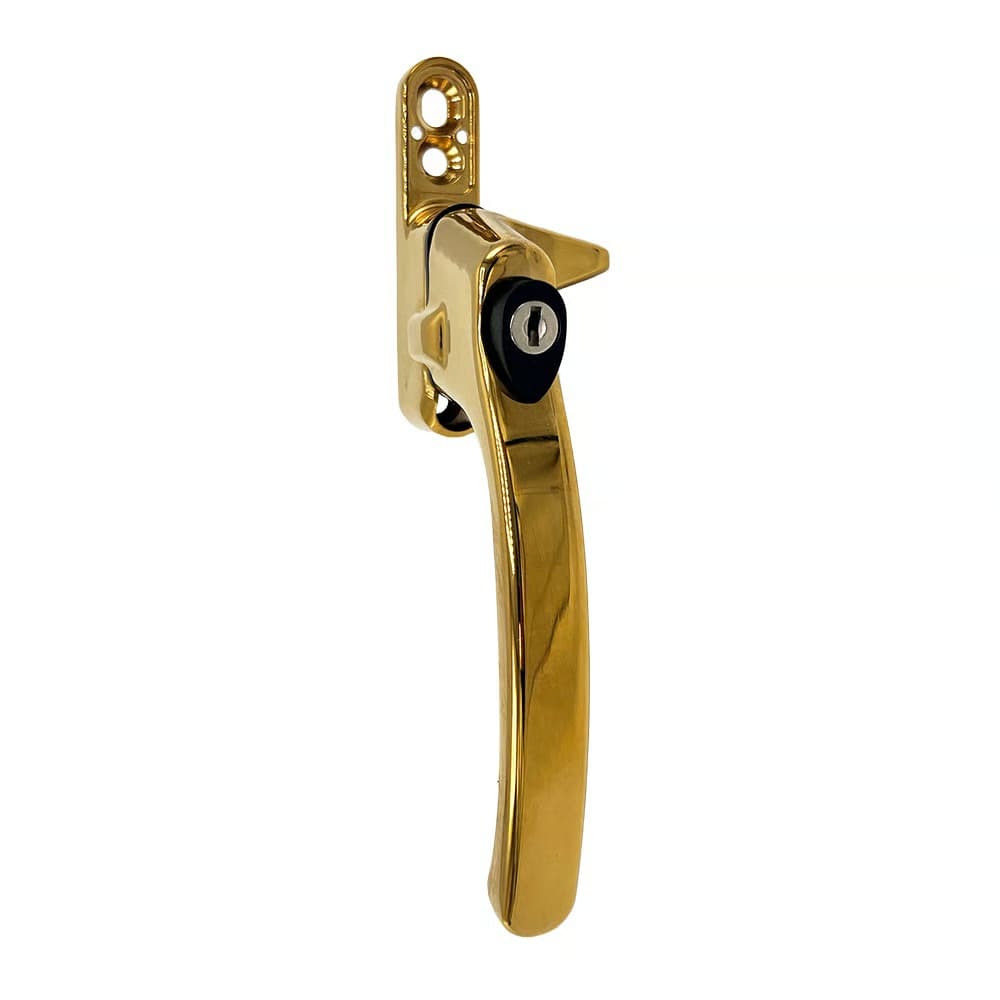
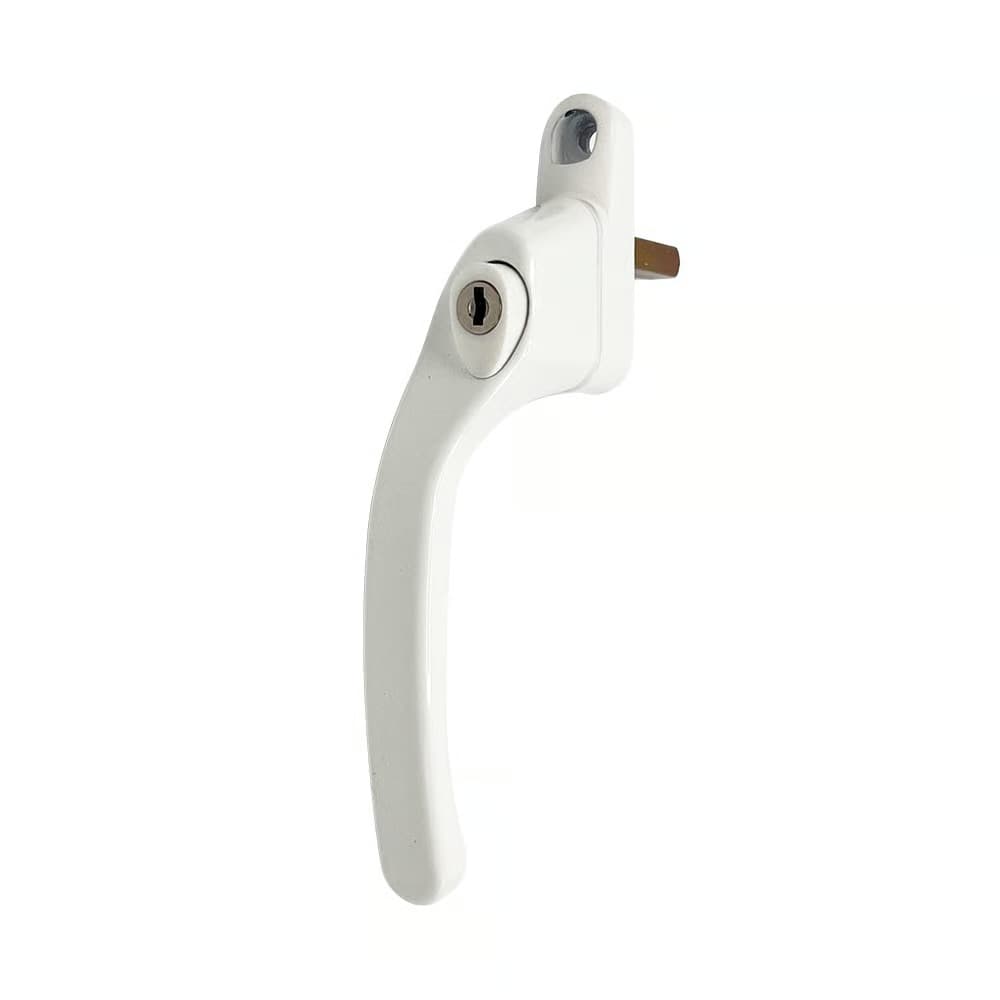
    TSS Offset UPVC Window Handles are designed for modern UPVC frames where the handle needs to clear the frame profile. If your window has an espagnolette or multi-point locking mechanism, offset handles are often the correct choice.

    Espag (espagnolette) handles

    For windows with an espag rod and gearbox, choose a handle designed for that system, for example the Avocet Slimline Offset Window Espag. These are common on contemporary timber or aluminium casements.

    Cockspur handles

    TSS Cockspur Window Handles suit older or simpler casement windows where a single spur engages the keeps on the frame. They are straightforward to fit and are often used in refurbishment projects.

    Thumb-turn and locking handles

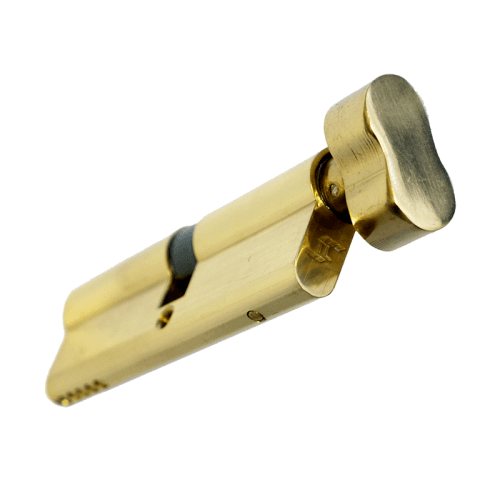
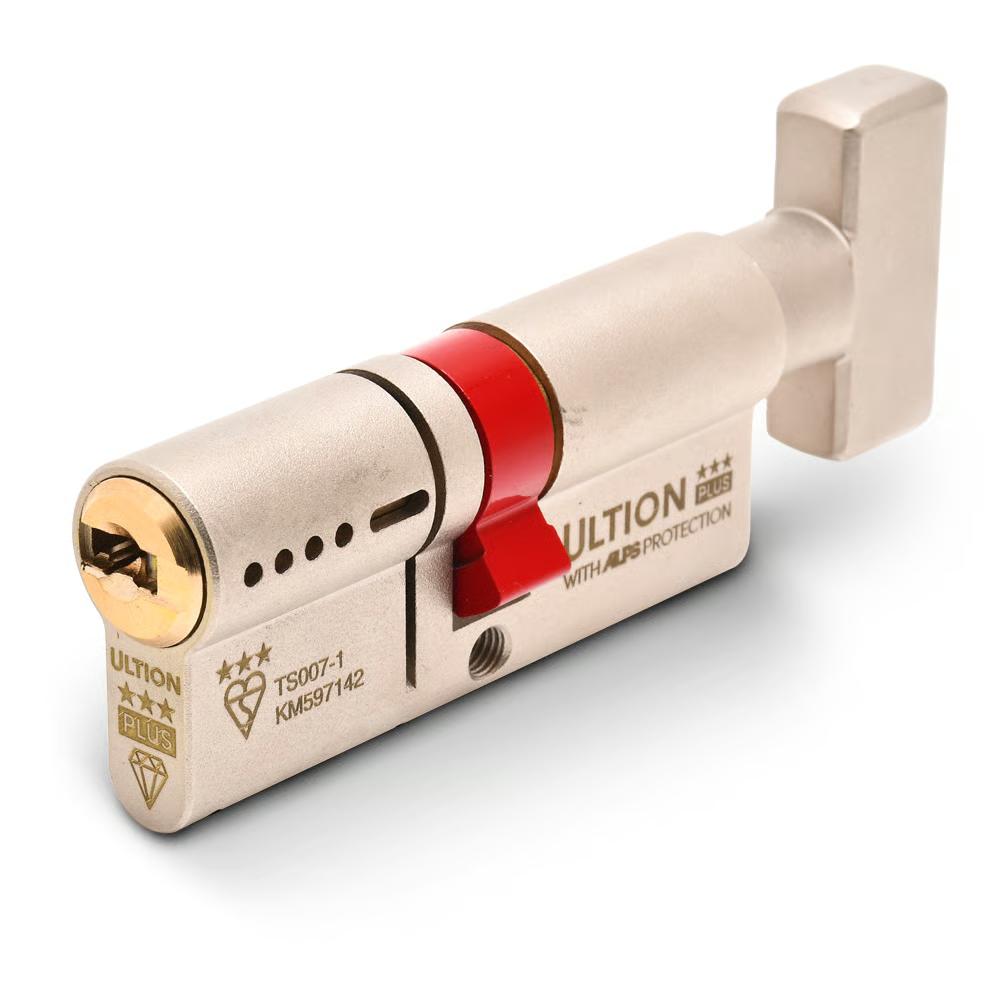
    For added security and convenience, consider a thumb-turn euro cylinder such as the TL Thumb Turn Euro Cylinder paired with a locking handle. For the highest rated security cylinders, Ultion Plus TS007 3* Kitemarked Euro Key & Turn Cylinder is a premium option.

    Other hardware to check

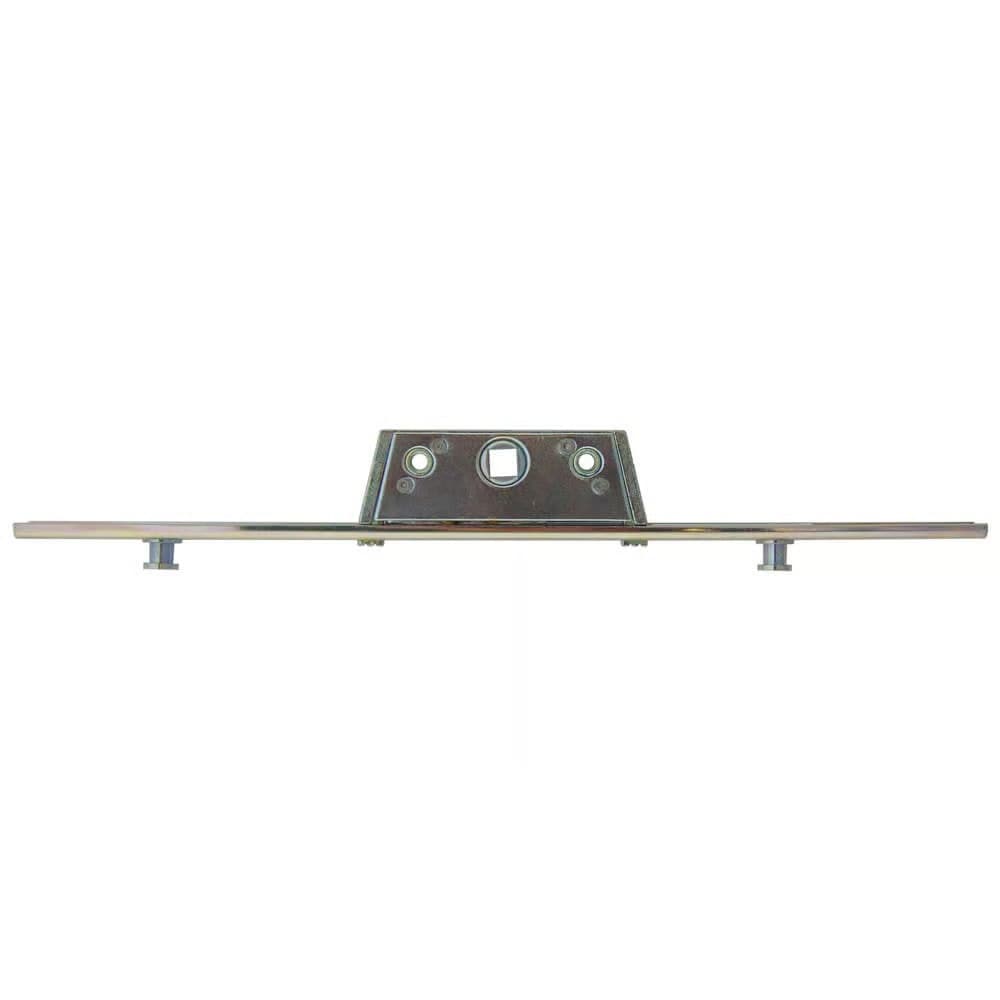
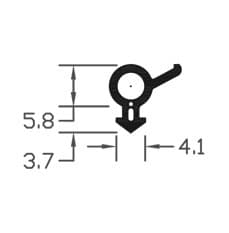
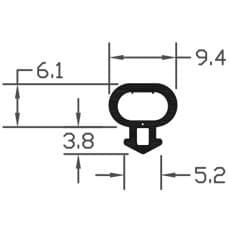
    When replacing handles you may also need: an In-Line Window Mechanism, Top-Hung Window Hinge - Standard or Flag Door Hinge - Stainless Steel. Also check seals such as B003 Bubble Gasket or B004 Bubble Gasket if the frame is drafty.

    How to choose the right new window handles

  • Identify the handle type: cockspur, espag, offset UPVC, or other. Match the new handle to the existing operating mechanism.
  • Measure screw centres: this is the distance between the fixing screws on the handle backplate. Common variants are symmetric or asymmetric screw centres; record the measurement in millimetres.
  • Measure spindle and gearbox: note the spindle dimension and where it locates in the handle; if there is an espag rod, note the gearbox position and rod measurements.
  • Decide on locking: do you need a key-lock or thumb-turn option? For enhanced security, use a quality euro cylinder such as the Ultion Plus TS007.
  • Finish and style: choose a finish that matches your dΓ©cor and existing ironmongery; stainless steel or powder-coated options are durable choices.
  • If uncertain, take a photo of the existing handle and mechanism and compare with product pages such as TSS Offset UPVC Window Handles or Avocet Slimline Offset Window Espag when ordering.

    Measuring checklist before buying

  • Type of handle (cockspur, espag, offset UPVC)
  • Screw centre measurement (mm)
  • Spindle length and square size or gear type
  • Distance from spindle to top/bottom fixings
  • Whether multi-point locking is present
  • Frame material (UPVC, timber, aluminium)
  • Required handedness: left or right opening
  • Step-by-step fit guide for most replacement handles

    Tools you will need: screwdriver (usually Pozidriv or cross head), small spirit level, tape measure, pencil, and possibly a drill for new fixing holes.

  • Safety first: make sure the window is secure while you work; prop it open if necessary.
  • Remove the old handle: open the handle and remove the visible fixings. Some handles have hidden screws under a snap-off cover.
  • Inspect mechanism: check the spindle, gearbox and keeps for wear. Replace the mechanism if badly corroded; consider an In-Line Window Mechanism if needed.
  • Compare new handle: place the new handle over the holes to ensure the screw centres and spindle match.
  • Install cylinder if changing locks: fit the new euro cylinder (for example TL Thumb Turn or Ultion Plus) and check for correct backset and protrusion; tighten cylinder screw to manufacturer torque.
  • Fit the handle: insert the spindle, align the handle plate and secure the screws. Do not fully tighten until both screws are started and aligned.
  • Test operation: open and close the window several times to ensure smooth action and correct locking.
  • Final adjustments: tighten screws, fit any snap-on covers and check sealing. If the handle binds, loosen screws and adjust alignment.
  • If drilling new holes, use a spirit level to ensure the handle is straight and set screw centres carefully to avoid splitting timber frames.

    Maintenance and troubleshooting

  • Tighten screws periodically: handles can work loose from repeated use.
  • Lubricate moving parts: use a light machine oil on spindles and lock mechanisms; avoid heavy greases that attract dirt.
  • Replace worn seals: if the window is draughty, replace bubble gaskets such as B003 or B004 to restore the seal.
  • Check hinges and mechanisms: poor handle action can be caused by worn hinges; inspect Top-Hung Window Hinge - Standard if required.
  • Address sticking: if the handle is stiff, check for paint build-up or foreign matter in the gearbox. Clean and lubricate as needed.
  • Common fault: handle turns but window does not lock. This usually means the espagnolette rod or gearbox has failed; replace the In-Line Window Mechanism or espag rod assembly rather than the handle alone.

    Security considerations

  • Use a recognised security cylinder: a Kitemarked or 3-star cylinder such as the Ultion Plus TS007 improves resistance to snapping and picking.
  • Choose key-locking handles for vulnerable ground-floor windows; thumb-turn cylinders are convenient for internal escape routes but consider whether lockable options are needed.
  • Ensure the handle and cylinder do not protrude excessively beyond the outer face of the window where they could be gripped by intruders.
  • When to call a professional

  • If the locking mechanism or espag rod is damaged beyond the handle.
  • When multiple windows require coordinated work, or you need to replace hinges and seals too.
  • If you are unsure about cylinder sizing or removals; an experienced glazier or locksmith can supply and fit the correct cylinder and handle.
  • Useful product links

  • In-Line Window Mechanism
  • Top-Hung Window Hinge - Standard
  • B003 Bubble Gasket
  • TL Thumb Turn Euro Cylinder
  • TSS Cockspur Window Handles
  • Avocet Slimline Offset Window Espag
  • Flag Door Hinge - Stainless Steel
  • TSS Offset UPVC Window Handles
  • B004 Bubble Gasket
  • Ultion Plus TS007 3* Kitemarked Euro Key & Turn Cylinder
  • Related Reading

    Explore more guides on related topics:

    Summary

    Replacing new window handles is a relatively quick improvement that can restore smooth operation, update aesthetics and bolster security. Correctly identify the handle type, measure screw centres and spindle position, and choose the appropriate locking cylinder where required. For full replacements of mechanisms or if security is a concern, consider specialist parts such as espag systems, high-security cylinders and new gaskets to complete the job.

    If you need help identifying your handle type or choosing compatible parts, take clear photos of the handle, frame and the back of the mechanism and consult a supplier or locksmith for advice on ordering the right new window handles.