Window Handles

Window Handles with Locks: When You Need Them and Why

29 December 2025

Introduction

Window handles are small components with a big impact. They affect security, ease of use, ventilation and the overall appearance of your home. This guide explains the main types of window handles, how to choose the right style for your windows, and step-by-step instructions for fitting and maintaining them. Practical product suggestions are included to help you source compatible parts.

Why the right window handles matter

Window handles serve three core purposes:

  • Operation: they allow you to open, close and lock windows smoothly
  • Security: they provide a locking interface and may accommodate cylinders
  • Aesthetics and ergonomics: they contribute to the look and feel of the window
  • Choosing the right window handles reduces drafts, prevents damage to mechanisms and improves safety for children and intruders alike.

    Main types of window handles

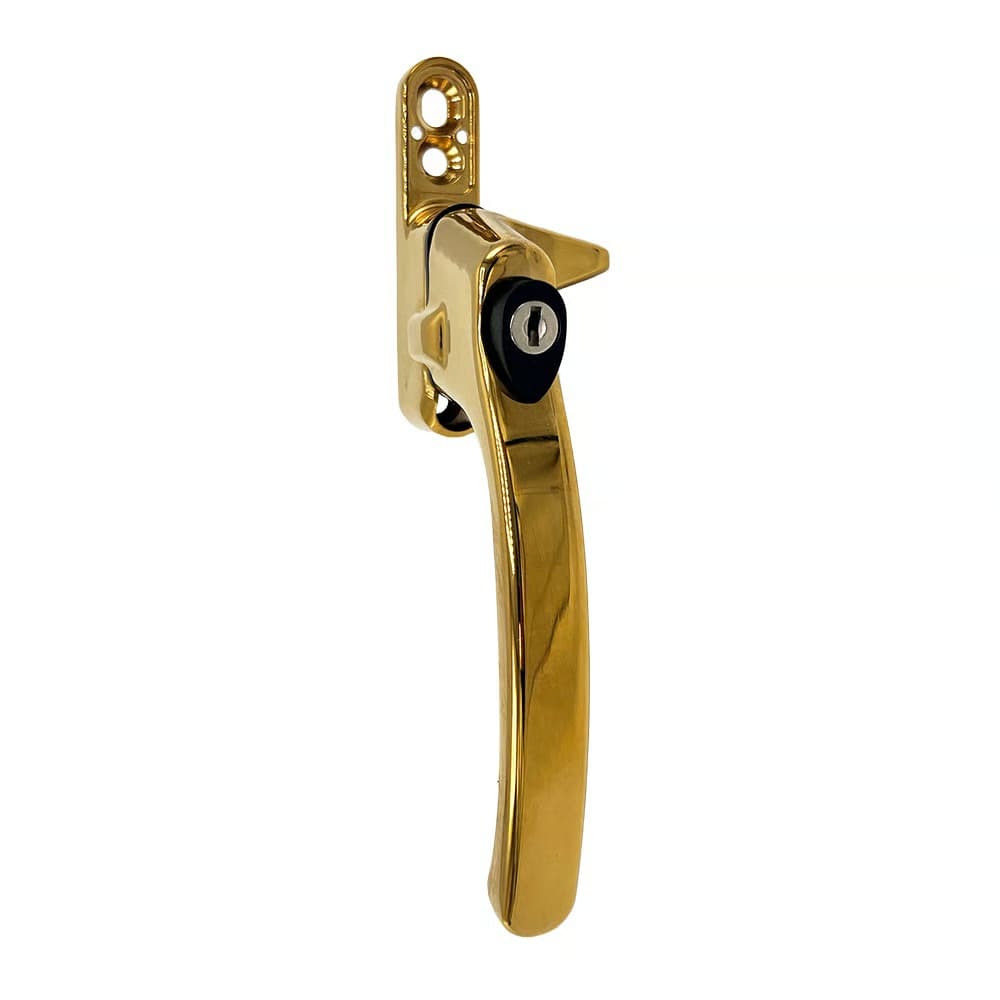
    Cockspur handles

    Cockspur handles are common on aluminium and timber casement windows. They fit over the frame and engage with the multipoint or shootbolt hardware when turned.

  • Typical use: older casement windows and aluminium frames
  • Advantages: simple to fit; economical
  • Considerations: exposed fixing heads can be easier to remove without security screws
  • Product example: TSS Cockspur Window Handles

    Espag (espagnolette) handles

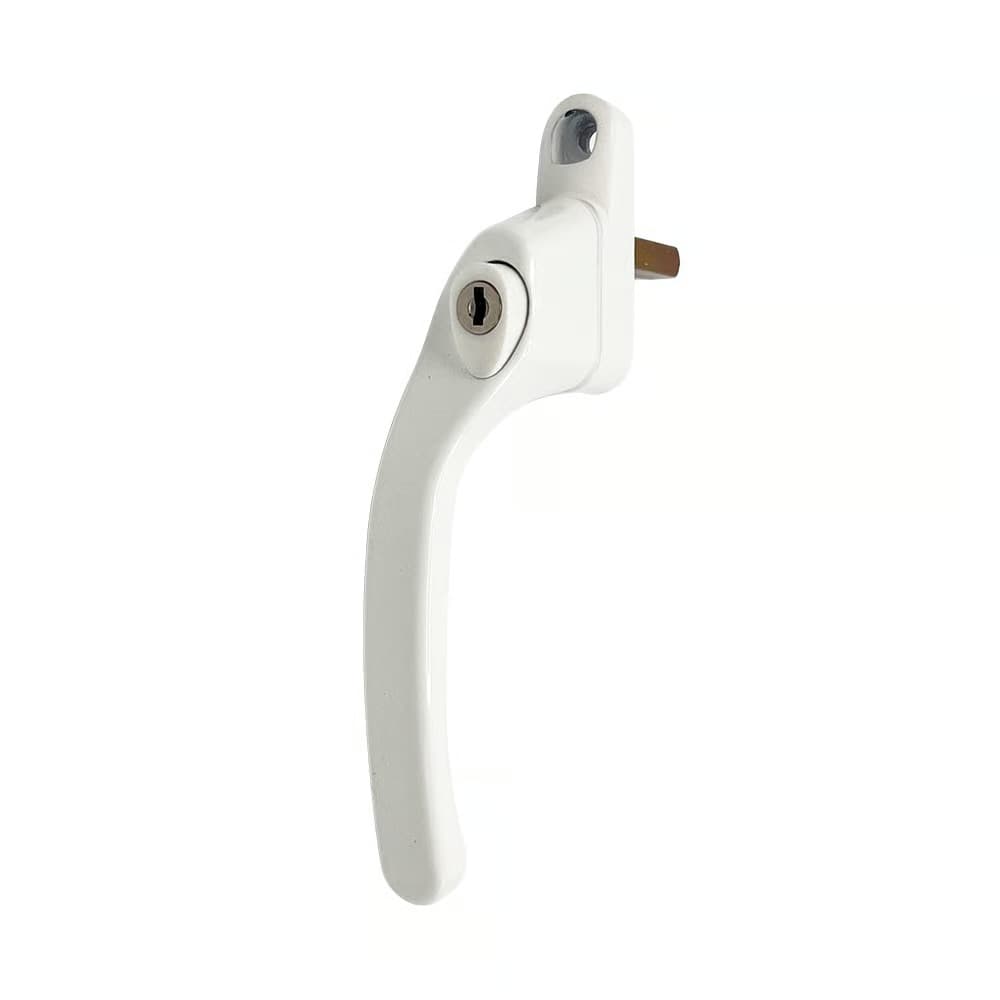
    Espag handles operate an internal rod or espagnolette mechanism and are widely used on modern uPVC and aluminium windows.

  • Typical use: uPVC and timber windows with espag locking mechanism
  • Advantages: compact, available with key or thumbturn options
  • Considerations: ensure the handle's spindle length and fixing positions match your mechanism
  • Product example: Avocet Slimline Offset Window Espag

    Offset and inline handles for uPVC

    Offset handles change the position of the spindle to suit the gearbox inside the window. Inline handles align the spindle straight through.

  • Typical use: uPVC windows with varying gearbox positions
  • Advantages: wide compatibility; many finishes available
  • Considerations: measure offset carefully before ordering
  • Product example: TSS Offset UPVC Window Handles

    Keyed, thumbturn and euro cylinder handles

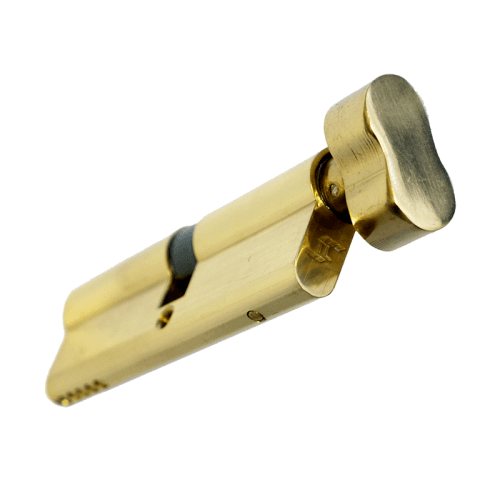
    For enhanced security, handles can be combined with euro cylinders or thumbturn cylinders. Keyed handles require a key to operate from the outside; thumbturn cylinders allow locking from the inside without a key.

  • Typical use: ground-floor windows or those with easy external access
  • Advantages: improved security and compliance with some building requirements
  • Considerations: pairing with a quality cylinder is essential for robust security
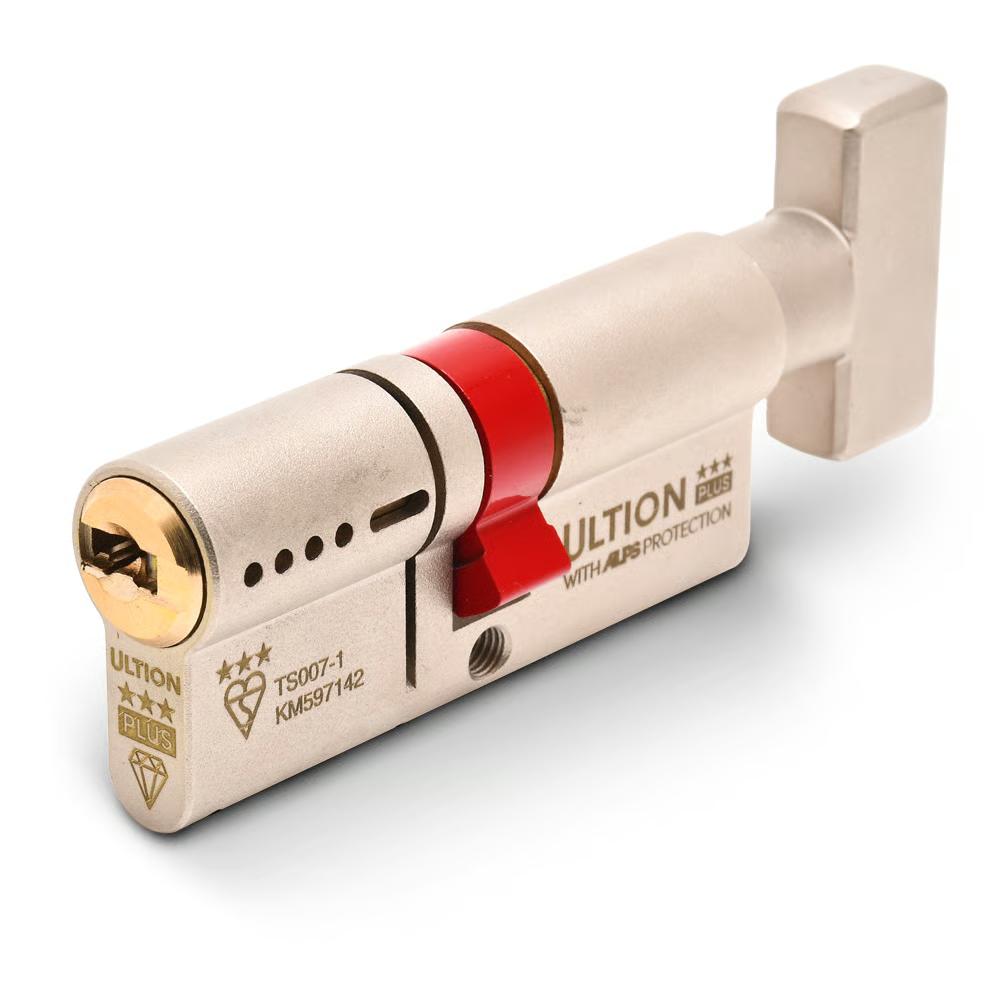
  • Product examples: TL Thumb Turn Euro Cylinder and Ultion Plus TS007 3* Kitemarked Euro Key & Turn Cylinder

    How to choose the correct window handles

    Step 1: Identify the window mechanism

    Open your window and inspect the internal hardware. Is it an espagnolette rod, a gearbox, or a simple casement latch? If you are unsure, take clear photos and note the following measurements:

  • Spindle length: measure from the handle backplate to the end of the spindle
  • Backset and fixing centres: distance between the screw holes
  • Offset: the horizontal distance between the spindle and fixing centres
  • These measurements determine whether you need offset, inline or specific espag handles.

    Step 2: Match handle style to security needs

    If the window is at ground level or easily accessible, opt for keyed handles or a thumbturn plus a kitemarked euro cylinder for added protection. For high-security needs consider the Ultion Plus TS007 3* Kitemarked Euro Key & Turn Cylinder.

    Step 3: Consider finish and ergonomics

    Handles come in a range of finishes: white, satin chrome, black, and more. Choose one that complements your window frames and interior. Also test the grip: some slimline handles are less comfortable for users with reduced dexterity.

    Practical fitting guide: replacing a window handle

    Tools required: screwdriver, tape measure, replacement handle, cleaning cloth, lubricant.

  • Remove the existing handle
  • - Open the window to access the handle screws. Unscrew the fixing screws and gently pull the handle off the spindle.
  • Clean and inspect
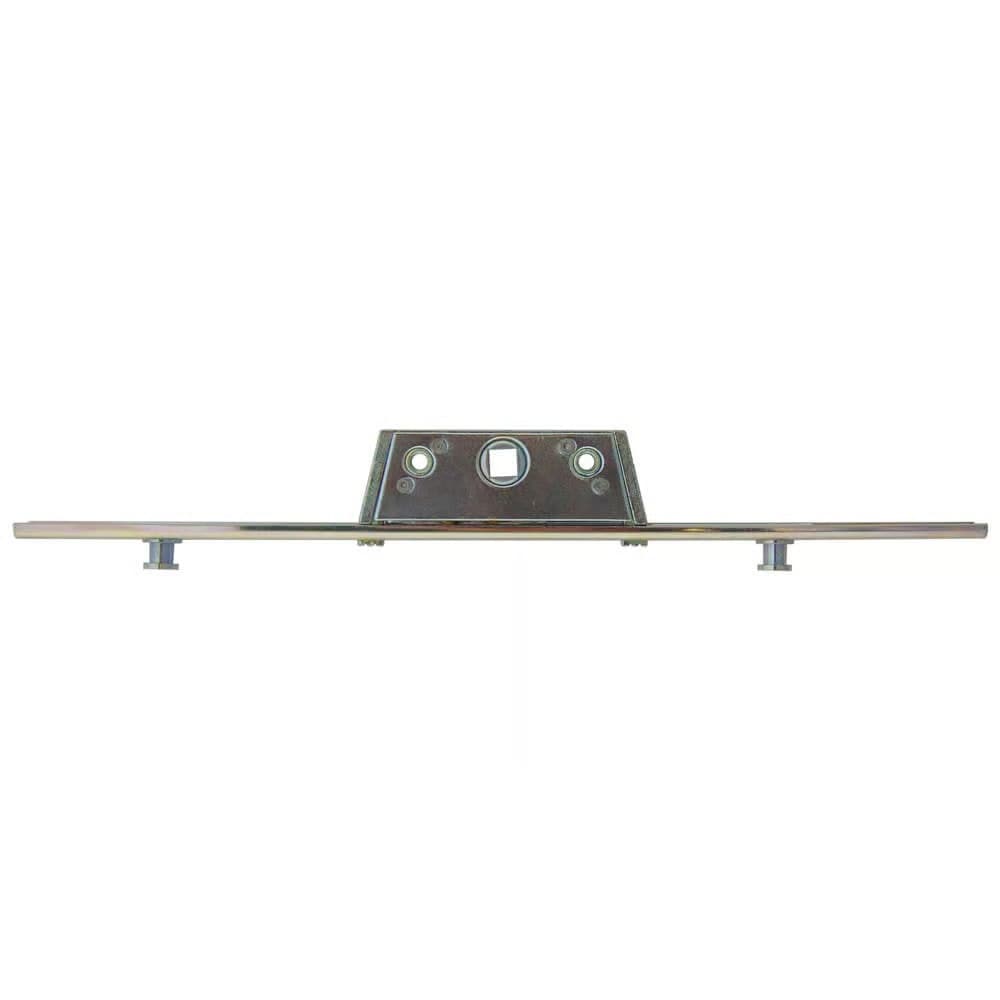
  • - Wipe the area clean. Check the spindle and gearbox for wear. If the mechanism looks badly worn or loose, consider replacing the associated hardware such as the In-Line Window Mechanism first.
  • Check measurements
  • - Confirm the spindle length and the fixing centres on the replacement handle match your window. Adjust by trimming some spindles where appropriate, but only if the manufacturer permits it.
  • Fit the new handle
  • - Slide the new handle onto the spindle. Align the fixing holes and fit screws securely. Do not overtighten as this can distort the backplate.
  • Test operation
  • - Operate the handle several times to ensure smooth action and correct engagement with the locking mechanism. Lubricate lightly with a suitable silicone or graphite lubricant if movement is stiff.

    If your window uses an espag mechanism and the handle will not engage correctly, check that the espag gearbox or arm is not worn. Where required, replace associated parts such as the Avocet Slimline Offset Window Espag.

    Security and weatherproofing tips

  • Use a kitemarked cylinder for enhanced resistance to drilling and snapping; the Ultion Plus TS007 is a strong option.
  • Fit handles with anti-tamper screws where possible to deter removal from outside.
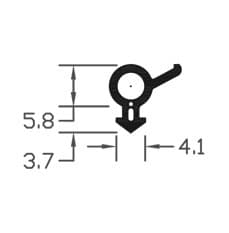
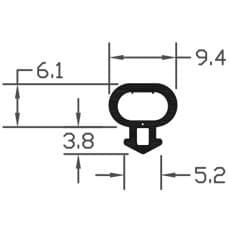
  • Replace damaged gaskets to maintain weatherproofing and prevent draughts; consider B003 Bubble Gasket or B004 Bubble Gasket as replacements.
  • Ensure hinges and other hardware are well maintained: Top-Hung Window Hinge - Standard and Flag Door Hinge - Stainless Steel are examples of durable hinge options for robust openings.
  • Maintenance checklist for window handles

  • Clean monthly: wipe handles with a damp cloth and mild detergent. Avoid abrasive cleaners.
  • Lubricate twice a year: apply a light silicone spray to the spindle and moving parts for smooth action.
  • Inspect fixings: tighten screws if handles feel loose. Replace stripped screws with slightly larger ones or nylon anchors where appropriate.
  • Replace worn mechanisms: if the handle operates with excessive play or does not lock fully, check the In-Line Window Mechanism or espag components.
  • When to call a professional

    Consider professional help if:

  • You are unsure about compatibility between the handle and internal mechanism
  • The gearbox or espag rod is damaged and requires replacement
  • You suspect the window frame or hinge is structurally compromised
  • A qualified window technician can ensure the correct parts are used and that the window meets security and safety standards.

    Quick reference: ordering checklist

    Before ordering new window handles, have the following ready:

  • Type of handle required (cockspur, espag, offset, inline)
  • Spindle length and diameter
  • Fixing centres and offset measurement
  • Desired finish and whether you need keyed or thumbturn operation
  • Any associated parts required: cylinder, gaskets or hinges
  • Useful products to consider:

  • TSS Cockspur Window Handles
  • Avocet Slimline Offset Window Espag
  • TSS Offset UPVC Window Handles
  • TL Thumb Turn Euro Cylinder
  • Ultion Plus TS007 3* Kitemarked Euro Key & Turn Cylinder
  • B003 Bubble Gasket and B004 Bubble Gasket
  • In-Line Window Mechanism
  • Top-Hung Window Hinge - Standard
  • Flag Door Hinge - Stainless Steel
  • Related Reading

    Explore more guides on related topics:

    Conclusion

    Choosing the right window handles improves security, performance and user comfort. Measure carefully, match the handle type to your window mechanism and invest in a quality cylinder where security matters. With basic tools and the steps above you can replace most handles yourself. For complex failures or structural issues, consult a professional to ensure safety and compliance.