Cockspur Handle Wedge Sizes Explained
Introduction If you fit or specify casement windows, understanding cockspur handle wedge sizes is essential. A cockspur handle is a common locking handle used on steel and aluminium casement windows; ...
Introduction
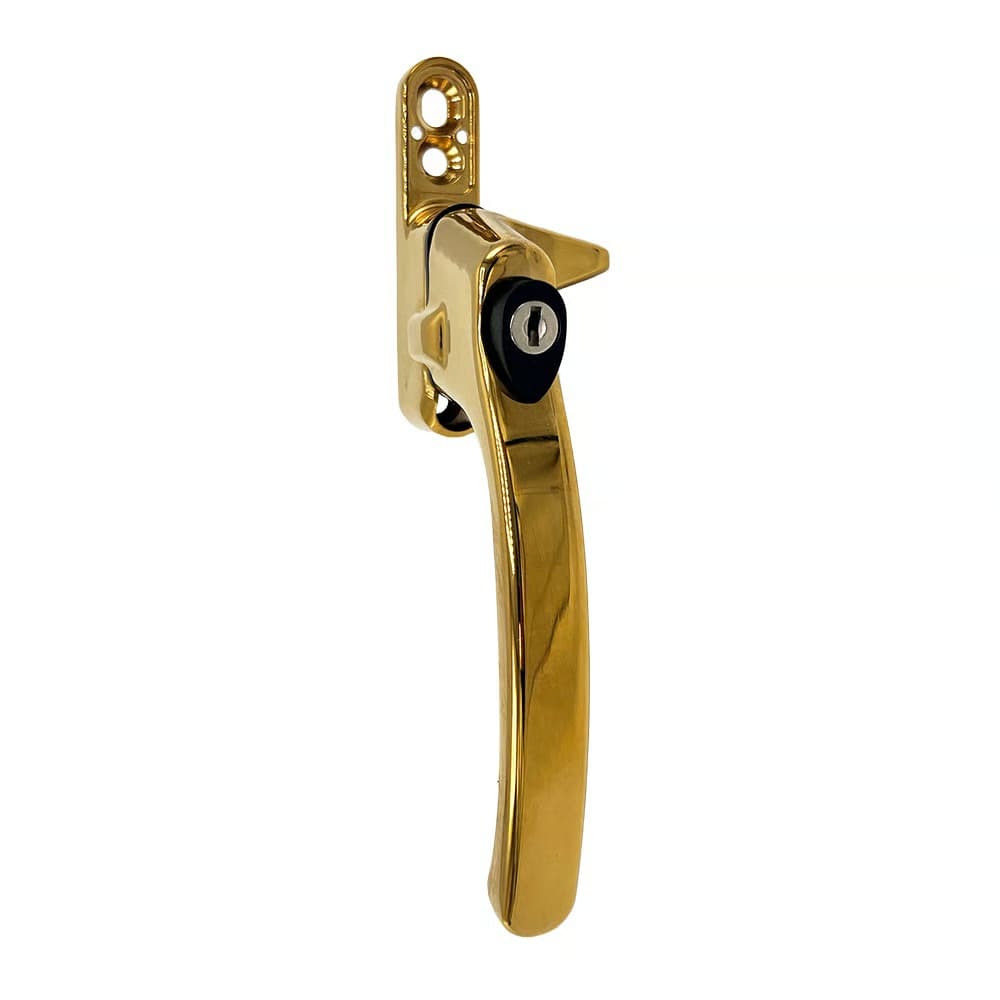
If you fit or specify casement windows, understanding cockspur handle wedge sizes is essential. A cockspur handle is a common locking handle used on steel and aluminium casement windows; the wedge is the small component that keeps the handle secure when locked. Choosing the wrong wedge size can lead to poor security, difficulty operating the window, or damage to the sash. This guide explains wedge measurements, how to measure them, compatibility issues, and practical tips for installation and maintenance. It is aimed at tradespeople but remains accessible to experienced DIYers.
What is a cockspur handle wedge?
A cockspur handle wedge is the tapered insert that sits between the base of the cockspur handle and the window frame or glass bead. Its purpose is to provide the correct spacing and angle so the spur locks securely over the keep. Wedges can be made of plastic, nylon or metal and are sized to match different handle backplate depths and window profiles.
Common wedge sizes and how they relate to handle types
There are several standard wedge sizes used across the industry. Knowing these allows you to match replacements without trial and error:
- 1 mm to 2 mm slim wedges: used on thin backplates and narrow stiles; common on aluminium windows
- 3 mm to 5 mm medium wedges: the most frequently used size for uPVC and painted steel casement windows
- 6 mm to 10 mm thick wedges: used where the handle sits proud of a bead or where additional packing is needed
- Adjustable wedges: these have stepped profiles or are ribbed to trim down on-site
Every cockspur handle model will accept specific wedge thicknesses; check manufacturer information where available. A snug fit matters: too thin and the handle rotates; too thick and the handle will not close or may stress the mechanism.
How to measure the wedge you need
Follow these steps to determine the correct wedge size for a cockspur handle replacement or upgrade:
- Open the window slightly to access the back of the handle.
- Remove the handle fixing screws and take off the handle carefully.
- Measure the gap between the handle base and the face of the frame or bead using a steel ruler or calliper.
- Note any tapering: measure at the thinnest and thickest points if it is angled.
- Measure the diameter of the handle's spindle and the thickness of the backplate if relevant.
Record the figures in millimetres; tradespeople often carry a set of common wedges so they can fit the correct size on-site. For non-standard profiles, an adjustable or multi-ribbed wedge simplifies fitting.
Compatibility considerations: profile, material and security
Matching a cockspur handle wedge is not simply about thickness. Consider:
- Profile depth: different frames have different rebate depths; the wedge must compensate so the spur seats correctly in the keep.
- Material: nylon wedges compress slightly and are forgiving; rigid plastic or metal wedges give a firmer seat but need accurate sizing.
- Security: an ill-fitting wedge can allow play; that play reduces the effectiveness of the cockspur handle and may transmit force to fixings during attempted forced entry.
- Finish and paint: painted wedges can stick and cause scraping; use compatible materials or paint after fitting.
Installation tips for tradespeople and DIYers
Installing a cockspur handle with the correct wedge is straightforward if you follow good practice:
- Check the keep alignment before fitting; a misaligned keep often masquerades as a wedge issue.
- Test-fit several wedges: many fitters carry a small kit of 1 mm, 3 mm, 5 mm and 8 mm wedges for common situations.
- Where possible, use a slightly compressible wedge for continued weathering and movement.
- Do not over-tighten the handle screws: this can crush plastic wedges and distort operation; tighten to a firm but not excessive torque.
- For double-glazed sash windows, ensure the wedge does not bite into the glass bead; use a protective shim if necessary.
- If the handle still binds, re-check the sash geometry and adjust the keep vertically or horizontally before altering wedge size further.
Maintenance, troubleshooting and when to replace
Wedges can wear, become brittle or deform. Common signs that a cockspur handle wedge needs attention:
- Excessive play in the handle when locked
- Handle does not fully lock or rotates too easily
- Visible cracking or compression of the wedge material
- Corrosion of metal wedges causing stiffness
Simple maintenance: clean the area, replace damaged wedges and check screw torque. If the handle mechanism shows internal wear or the keep is bent, replace the whole handle and keep assembly. For security upgrades, specify handle and wedge materials that meet the required standard for the property type.
Practical examples and quick reference
Here are a few common scenarios and recommended actions:
- Aluminium window with a narrow backplate: try a 1 mm–2 mm wedge; if the handle still wobbles, use a stepped wedge to fine-tune.
- uPVC sash where the handle sits proud of the bead: use a 4 mm–6 mm wedge; choose a compressible material to account for movement.
- Older steel casement where paint build-up has reduced clearance: remove paint where the wedge sits and fit a wedge of the original thickness.
Conclusion
Understanding cockspur handle wedge sizes prevents wasted trips and reduces call-backs. Accurate measurement, a modest on-site wedge kit and attention to compatibility with frame profile and material will ensure secure and trouble-free operation. Whether you are a seasoned tradesperson or a competent DIYer, knowing how to select and fit the correct wedge is an essential part of working with cockspur handle hardware. For specific handle models consult manufacturer data where available and always test operation before completing the job.
Recommended Products
Based on this article, you may find these products helpful:
Part of our guide:
Complete Guide to Window Handles