Bubble Gasket Buying Guide: How to Choose the Right Size for uPVC Windows
Bubble Gasket Buying Guide: How to Choose the Right Size for uPVC Windows What is a bubble gasket and why size matters A bubble gasket is a rounded, bulb-s...
Bubble Gasket Buying Guide: How to Choose the Right Size for uPVC Windows
What is a bubble gasket and why size matters
A bubble gasket is a rounded, bulb-shaped compression seal used around uPVC window sashes and frames to create an airtight, weatherproof barrier. Typically made from EPDM rubber or thermoplastic elastomer, bubble gaskets compress when the window closes to seal against draughts, rain and noise. Choosing the correct size matters because an undersized bulb will not compress fully and will leak; an oversized bulb may not fit into the frame channel or could prevent hardware from operating correctly.
Key dimensions to check before buying
When selecting a bubble gasket, measure three main dimensions:
- Bulb diameter: the maximum cross-sectional width of the rounded part that compresses when the sash closes.
- Base or leg width: the part that inserts into the groove or glazing bead; this must match the channel width to ensure a secure fit.
- Leg profile depth and shape: some gaskets have a single fin, twin fin or T-shaped base; check the groove depth and shape in the frame.
Use accurate tools such as digital callipers to measure the existing gasket or the frame groove. If measuring an old, flattened gasket, measure against a replacement sample wherever possible; aged rubber tends to shrink and give misleading dimensions.
How to match gasket size to window construction
Different uPVC window profiles use different groove sizes and compression clearances. Follow these practical checks:
- Measure the gap between the sash and the frame when the window is closed; the bulb diameter should compress to fill that gap without large deformation.
- Measure the groove width where the gasket sits; the base/leg must slide into this groove with light resistance. If the leg is too wide it will not seat; if too narrow the gasket can pop out.
- Check for hardware interference: some espagnolette locks, hinges and restrictors require a slimmer bulb so hardware can operate freely.
- Consult the window manufacturer data where available; profile makers often specify compatible gasket sizes and part numbers.
Material, hardness and performance considerations
Bubble gaskets are commonly made from EPDM rubber because of its excellent UV, ozone and temperature resistance; TPE alternatives are also used in budget ranges. Key technical factors to consider:
- Hardness: measured in Shore A; softer seals compress easier and give better acoustic and airtight performance, while firmer seals last longer under heavy traffic. For typical residential uPVC windows a mid-range hardness is common.
- Compression set: choose a material with low compression set so the bulb recovers after repeated closing and does not remain flattened.
- Weathering: ensure the material is rated for external use; UK weather requires good UV and cold-crack resistance.
Common bubble gasket sizes and their typical uses
Manufacturers refer to bubble gaskets by bulb diameter and by the leg profile. Typical bulb diameters encountered in UK uPVC windows include 3 mm, 4 mm, 5 mm, 6 mm and 7 mm. Typical uses:
- 3 mm: used where minimal clearance exists; common on older slimframe windows or where hardware clearance is tight.
- 4 mm: very common for casement windows that require a light compression seal; good for standard draught proofing.
- 5–6 mm: used where better weather and acoustic performance is required; common on modern, higher performance units.
- 7 mm and above: used where larger gaps are present, for example to retrofit seals to slightly distorted frames; ensure frame groove can accept the base.
Always verify the leg width and shape to match the groove; two gaskets with the same bulb diameter may have different base profiles and therefore different fitment.
Practical installation tips for tradespeople and DIYers
Replacing a bubble gasket is straightforward with the right preparation. Follow these steps:
- Remove the old seal carefully using a blunt blade or gasket removal tool; avoid scratching the uPVC profile.
- Clean the groove thoroughly; remove dust, adhesive residue and old sealant and allow to dry.
- Measure the perimeter and order extras: add 5–10 percent to the measured length for waste and corner mitring.
- Start fitting from the top corner and work downwards, using a continuous push-in action. A rubber gasket roller or small screw driver with a cloth can help seat the base without damage.
- For corners, two common methods are mitring at 45 degrees or using overlapping joints. Mitred corners give a neater finish for tradespeople; overlapping joints are simpler for DIYers but may be slightly more visible.
- Use a soap-and-water solution or a specialist fitting lubricant to ease insertion if necessary; avoid petroleum-based lubricants that can damage some rubbers.
- Check operation: close the window and cycle it several times to settle the seal; check for interference with catches and hinges and ensure the lock engages correctly.
Trade advice: stocking and ordering
For installers and trades businesses, keep a small range of the most common sizes in stock: black EPDM 4 mm and 6 mm bubble with common leg profiles will cover a large share of jobs. Offer sample strips to customers when unsure. Order by linear metre and check whether the supplier sells in coils or pre-cut lengths; coils are economical for tradespeople.
When buying for retrofit work, request technical datasheets or a sample before committing to large batches. If working on a contract with the original window manufacturer, confirm part numbers to avoid warranty issues.
When to call a professional
Most homeowners can replace bubble gaskets on straightforward casement windows, but call a professional when:
- The frame is distorted or sash alignment is poor; this may indicate structural issues rather than a seal problem.
- Hardware requires adjustment or replacement to accommodate a thicker seal.
- There is significant water ingress or persistent condensation that could indicate glazing or frame issues beyond the gasket.
Recommended Products
Based on this article, you may find these products helpful:
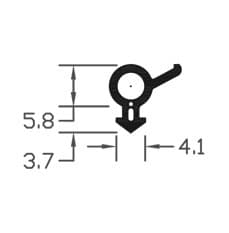
- B003 Bubble Gasket
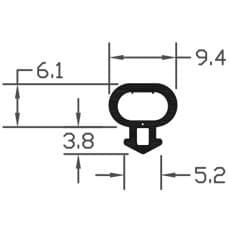
- B004 Bubble Gasket
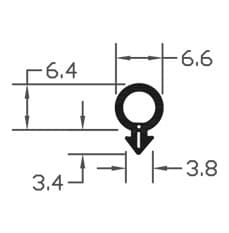
- B007 Bubble Gasket
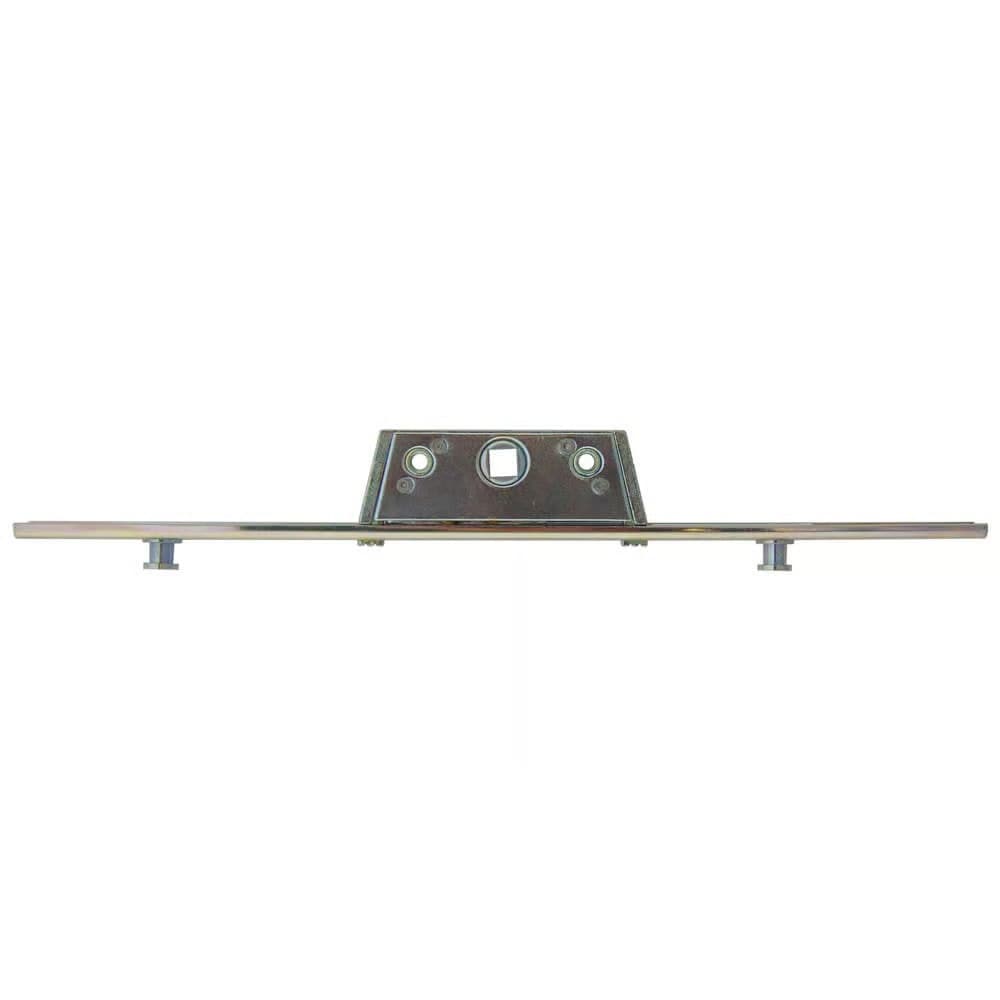
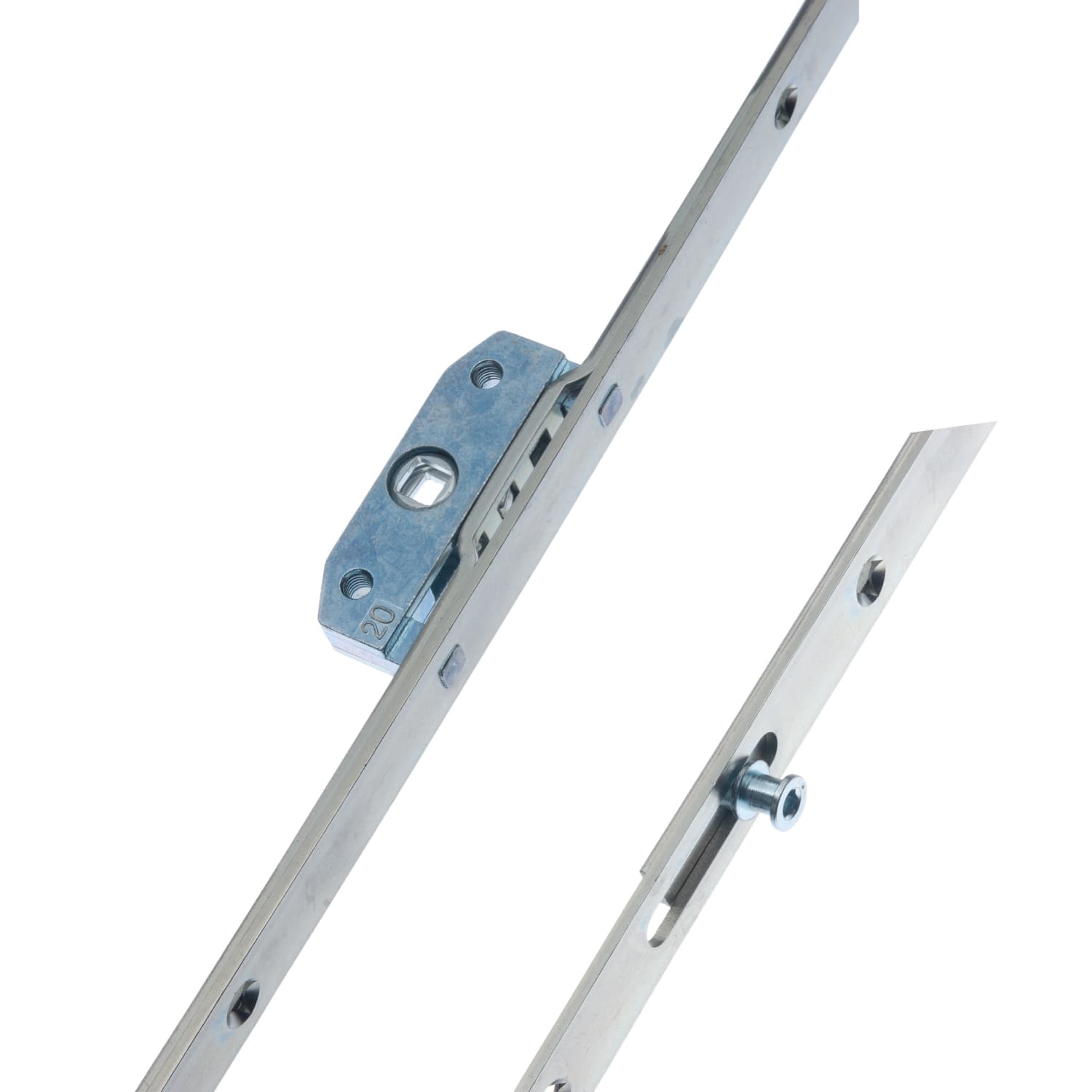
- ERAB Espagnolette Window Lock Universal Lock Replacement
- Avocet Slimline Offset Window Espag
Conclusion and next steps
Choosing the right bubble gasket size for uPVC windows requires attention to bulb diameter, base/leg width and the groove shape. Use accurate measurements, select a durable material such as EPDM, and consider hardware clearance when selecting a bulb size. For tradespeople, keep common sizes in stock and use samples to confirm fit; for DIYers, follow the practical fitting tips above and order a little extra length.
Next steps: measure the existing seal and groove with callipers, consult supplier datasheets or samples where possible, and visit our gaskets and seals resource for further information: gaskets and seals guide.