Bubble Gasket vs Wedge Gasket: Which Seal Does Your Window Need?
Bubble Gasket vs Wedge Gasket: Which Seal Does Your Window Need? Choosing the right seal for a window or door affects weatherproofing, thermal performance ...
Bubble Gasket vs Wedge Gasket: Which Seal Does Your Window Need?
Choosing the right seal for a window or door affects weatherproofing, thermal performance and operation. Two common types are the bubble gasket and the wedge gasket. Both have firm roles in modern fenestration; understanding their materials, applications and fitting requirements will help tradespeople and homeowners specify the correct product for a repair or new installation.
What is a bubble gasket?
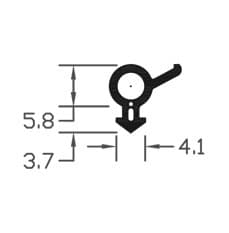
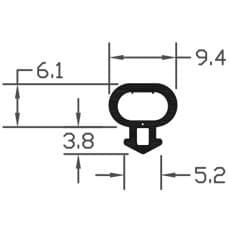
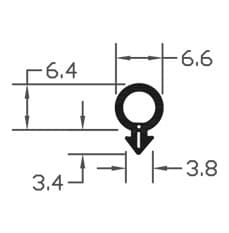
A bubble gasket, sometimes called a bulb seal or tubular seal, is an extruded profile with a rounded, inflatable-looking section which compresses when the sash or door closes. Typical materials are EPDM rubber, PVC or thermoplastic elastomer (TPE). Bubble gaskets are widely used on timber, uPVC and aluminium windows and doors where a resilient, compressible seal is required.
Key characteristics of bubble gasket:
- Good compression recovery: the tubular shape returns to form after repeated closing.
- Forgiving of minor misalignments: the bulb can accommodate irregular gaps and uneven frames.
- Effective for acoustic and weather sealing: the air in the bulb helps damp sound and resist draughts.
- Often available in adhesive-backed or push-in versions for simple replacement.
What is a wedge gasket?
A wedge gasket, also known as a wedge seal or V-section gasket, has a tapered or triangular profile that wedges into a rebate or glazing channel to form the seal. Wedge gaskets are commonly used on aluminium and steel systems, in double glazing units and applications where a neat, slim sightline and consistent compression are required.
Key characteristics of wedge gasket:
- Slim profile: permits reduced sightlines while still providing a secure seal.
- Uniform compression: the wedge shape creates a consistent contact pressure along its length; this is useful under high wind loads.
- Durable under sustained pressure: less likely to extrude under long-term compression compared with some bulb seals.
- Requires correct groove dimensions and often specialist fitting techniques.
Performance comparison: weatherproofing, thermal and acoustic
Bubble gasket usually offers superior acoustic dampening because the bulb traps air and provides a softer contact. For draught resistance and thermal sealing, both types are effective when correctly sized and installed. Wedge gaskets can outperform bubble gasket where narrow gaps and higher mechanical loads are present; they hold glazing units more securely in metal frames and maintain a constant compression that helps long-term thermal performance.
For retrofit or repair work where frame movement or irregular gaps are common, a bubble gasket will often seal more reliably. For new aluminium systems or where sightline and mechanical retention matter, a wedge gasket is the preferred option.
Materials and durability
EPDM is the most common material for both bubble and wedge gaskets: it resists UV, ozone and temperature extremes and has good longevity on external windows. PVC is cheaper but can harden with age; TPE provides good flexibility but may be costlier. Specify weather-rated EPDM for exposed exterior applications.
Check manufacturer data for recommended service life and temperature range; for trade projects specify gaskets to meet relevant British Standards and ensure compatibility with glass sealants and adhesives used on the job.
Practical selection advice for trades and DIY
Consider the following when selecting between bubble gasket and wedge gasket:
- Gap size and tolerance: choose a bubble gasket when gaps vary; select a wedge gasket for consistent rebates.
- Frame material: wedge gaskets are often better for aluminium and metal frames; bubble gaskets suit timber and uPVC too.
- Operation: sliding or frequently used doors can benefit from the resilience of bubble gaskets; wedge gaskets suit fixed glazing and sash retention.
- Aesthetic/sightlines: wedge gaskets give a cleaner, slimmer appearance where that is important.
- Installation skill and tools: bubble gasket is generally more DIY-friendly; wedge gasket fitting can require glazing tools and experience.
Installation tips: trade and DIY guidance
Bubble gasket installation: prepare the groove by removing old gasket and cleaning with isopropyl or a mild detergent; ensure it is dry. For push-in types, warm the gasket slightly if cold weather makes it stiff; use a small lubricant of soapy water or proprietary glazing lubricant to ease seating. For corners, mitre cuts at 45 degrees, or use a butt joint depending on profile; work progressively, pushing the gasket fully into the channel. Trim neatly and use a spike roller to seat the gasket if available.
Wedge gasket installation: measure the groove carefully; correct profile size is critical. Clean the channel thoroughly and check for sharp burrs. Some wedge gaskets are adhesive-backed; where not, they rely on compression with the glazing bead or clamping strip. Use glazing packers to maintain even compression and avoid over-compression which will shorten life. Corners may need mitred joints and, for long runs, consider using stainless steel pins or clips supplied by the manufacturer to prevent movement during installation.
Maintenance and troubleshooting
Inspect seals annually: look for cracking, hardening, permanent deformation or extrusion from the groove. Clean gaskets with mild detergent and water; avoid petroleum-based solvents that can damage EPDM. Replace gaskets that are flattened or no longer provide full contact when closed.
If you notice draughts despite apparently intact seals: check compression; misaligned sashes and warped frames are common causes. For noisy rooms, consider upgrading to a larger bubble gasket profile for improved acoustic performance, or adding an additional draught seal where practical.
Which should you choose?
For most household repairs and retrofits where gaps vary and ease of fitting matters, a bubble gasket is the practical choice. For new aluminium systems, high wind-load locations, or where slim sightlines and constant compression are required, a wedge gasket will often deliver better long-term performance. Tradespeople should select material grade and profile to match frame design and expected loads; homeowners should consider an installer for wedge systems to guarantee correct compression and longevity.
For more detailed specifications, cross-sections and profile charts consult our wider resources at /guides/gaskets-seals. If you need help choosing the right profile or matching an old gasket, our team at Window Hardware Store can advise on measurements, materials and supply.
Conclusion: Match the seal to the job; choose a bubble gasket for forgiving, easy-to-fit weatherproofing and improved acoustic performance; choose a wedge gasket where slim sightlines, uniform compression and mechanical retention are priorities. Next steps: measure the existing groove, note the frame material, and contact a supplier or fitter with photos and dimensions to confirm the correct profile for your window or door.
Recommended Products
Based on this article, you may find these products helpful: