Choosing the Right Lever Handle for Your Door Type
Choosing the right lever handle for your project is more than an aesthetic decision: it affects security, functionality and compliance. Whether you are a locksmith, installer, builder or a keen DIYer,...
Choosing the right lever handle for your project is more than an aesthetic decision: it affects security, functionality and compliance. Whether you are a locksmith, installer, builder or a keen DIYer, understanding how different lever door handle options match door types will save time on site and reduce callbacks. This guide explains the main considerations, common door pairings and practical installation tips for selecting the best lever door handle for each situation.
Understanding lever door handle basics
Before matching a lever door handle to a door, be clear on the basic components and measurements you will encounter on trade specifications. Knowing these will help you order the correct item first time and ensure compatibility with existing locks and doors.
- Spindle: most lever door handle sets use an 8mm square spindle; confirm if the set or lock requires a different size.
- Backset: common backsets for mortice locks and sashlocks are 44mm, 60mm and 70mm; always measure from the faceplate to the spindle centre.
- Fixing centres: handle roses or backplates will have specified fixing centres; check screw positions before drilling.
- Door thickness: most lever door handle sets suit 35–45mm doors; some heavy-duty options cater for 48–54mm or more.
- Handing: many lever handles are reversible, but some commercial models are handed; confirm left or right orientation where necessary.
- Keying type: lever handles can be paired with euro cylinders, mortice locks, multipoint systems or bathroom privacy locks.
Selecting lever door handle types by door
Different doors demand different lever door handle styles and functionality. Below are typical pairings and the reasons for them.
- Internal non-locking doors: simple sprung lever door handle sets on rose fixings; prioritise durability and finish matching room hardware.
- Bathroom and WC doors: privacy lever door handle sets with integrated turn-and-release or bathroom locks; ensure compliant emergency access from the outside.
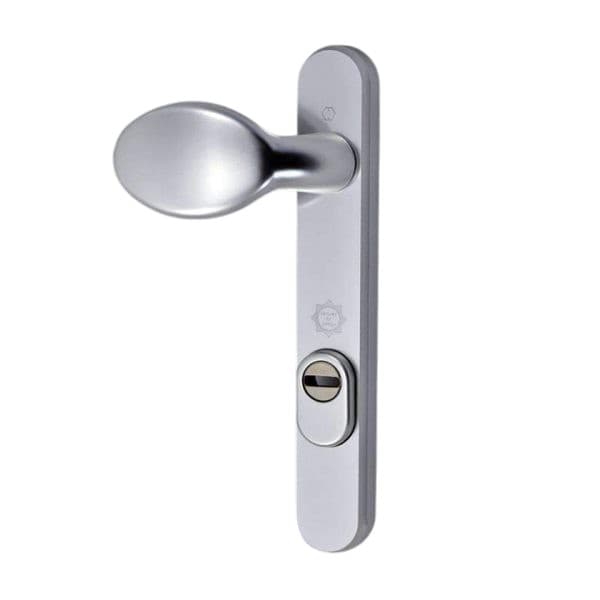
- External doors with mortice locks: lever on backplate or lever/lever sets paired with a mortice sashlock; choose lever designs that clear the stop and suit cylinder locations.
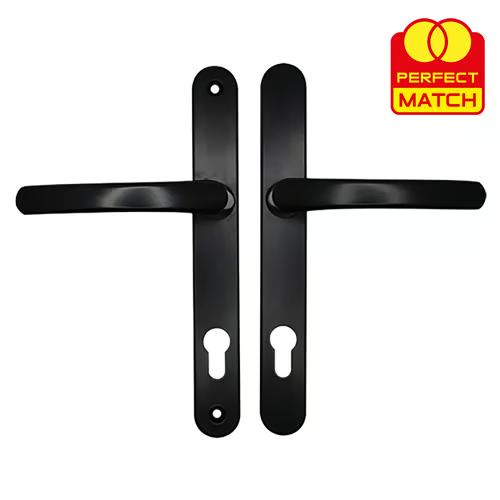
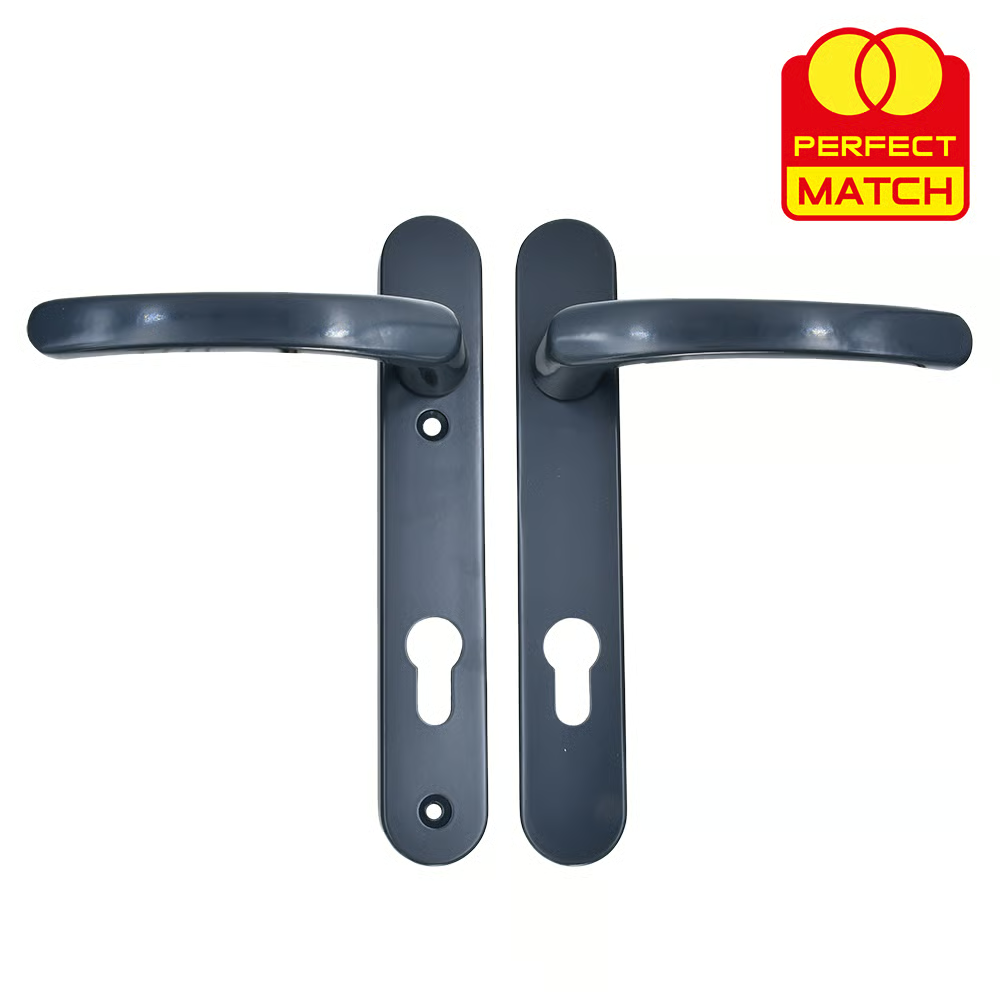
- uPVC and composite doors with multipoint locks: specialist lever door handle sets compatible with spindle types used on multipoint gear; check for matching spindle length and gearbox interface.
- Commercial and fire doors: lever door handle sets certified for fire doors and heavy use; verify compatibility with the door’s fire rating and intumescent requirements.
Materials, finishes and durability considerations
On trade jobs the right finish is about more than looks. Corrosion resistance, wear classification and maintenance frequency matter.
- Materials: stainless steel and zinc alloys are common; stainless steel offers superior corrosion resistance for external or high-humidity locations.
- Finishes: polished chrome, satin chrome, brass and powder-coated finishes; consider abrasion resistance for high-traffic areas.
- Durability classes: for commercial projects choose lever door handle sets rated for higher cycles; check manufacturer cycle ratings.
- Maintenance: advise clients on cleaning to protect finishes; lubricate spindle points and check fixings annually on busy doors.
Security, locks and compliance
A lever door handle is part of a wider door system. For external doors and fire doors make sure the handle choice does not compromise security or compliance.
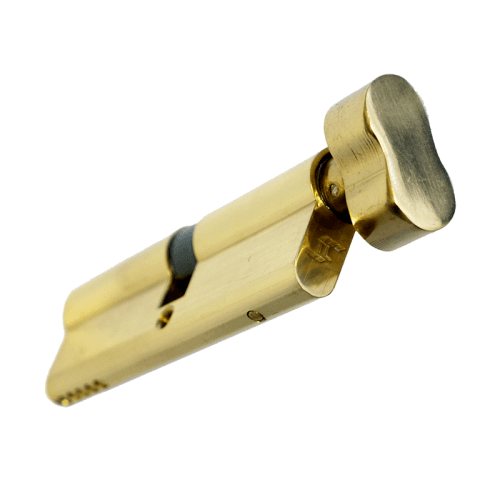
- Cylinder compatibility: ensure lever door handle backplates do not obstruct access to the euro cylinder; match cylinder lengths to door thickness.
- Multipoint locks: select lever door handle sets specifically designed for multipoint gear; incorrect handles can strain the gearbox.
- Fire doors: use lever door handle furniture that is suitable for fire-rated doors; check manufacturer guidance and local building regs for approved sets.
- Accessibility: lever door handle designs should meet ease-of-use requirements for users with limited dexterity; choose larger levers and return-to-centre options where required.
Installation tips for tradespeople and DIYers
Correct installation prevents failures and saves time. Follow these practical steps when fitting a lever door handle.
- Measure twice: confirm spindle size, backset, door thickness and fixing centres before cutting or drilling.
- Check handing: hold the door as it will be used and simulate the lever action; ensure reversibility where needed.
- Test-fit the spindle: ensure it engages the lock mechanism smoothly with no binding; trim spindle only if manufacturer permits.
- Use correct fixings: countersink if required, and use the supplied screws; on timber doors use appropriate length to avoid protrusion through the stile.
- Seal around backplates on external doors: prevent water ingress which can corrode fixings and fouling moving parts.
- Commissioning: test locking and latching operation multiple times; check emergency access on bathroom turns and ensure handles return properly.
Common pitfalls and how to avoid them
Experienced installers and DIY enthusiasts recognise recurring mistakes. Address these to reduce site revisits.
- Wrong spindle length: always verify spindle projection and compatibility with the lock case; long spindles can prevent lever return.
- Incompatible handle and lock type: confirm that the handle set is designed for euro, mortice or multipoint systems as required.
- Failing to allow clearance: thick mouldings or applied stops can stop lever rotation; check for obstructions before finalising handle choice.
- Using internal-grade finishes externally: pick corrosion-resistant hardware for exposed doors to avoid premature failure.
Selecting the right lever door handle is a mix of practical measurement, matching to lock type and choosing a robust finish and fixing method. For tradespeople this knowledge reduces time on site and increases client satisfaction; for DIY enthusiasts it ensures the finished job is secure, durable and looks right. When in doubt, measure carefully, confirm compatibility with existing lockcases and opt for tested hardware for fire and external doors.
If you would like guidance on specific projects or need help choosing handles for uPVC, composite, timber or fire doors, our team can advise on the right lever door handle sets and matching accessories for your next job.
Recommended Products
Based on this article, you may find these products helpful:
Part of our guide:
Complete Guide to Door Handles