Common Mistakes When Buying Replacement Window Handles
Replacement window handles are a small component with a big impact on security, weather-tightness and the smooth operation of windows. Choosing the wrong h...
Replacement window handles are a small component with a big impact on security, weather-tightness and the smooth operation of windows. Choosing the wrong handle can lead to poor performance, increased maintenance and unnecessary expense. This guide outlines the most common mistakes made by homeowners and tradespeople when buying replacement window handles, with clear, practical advice to ensure the correct product is selected and fitted first time.
Ignoring handle type and window mechanism compatibility
One of the most frequent errors is selecting a handle without confirming it matches the window’s locking mechanism. Espag handles, cockspur handles and casement handles each operate different hardware and locking systems. Fitting an incompatible handle can prevent windows from locking properly or damage the internal gearbox.
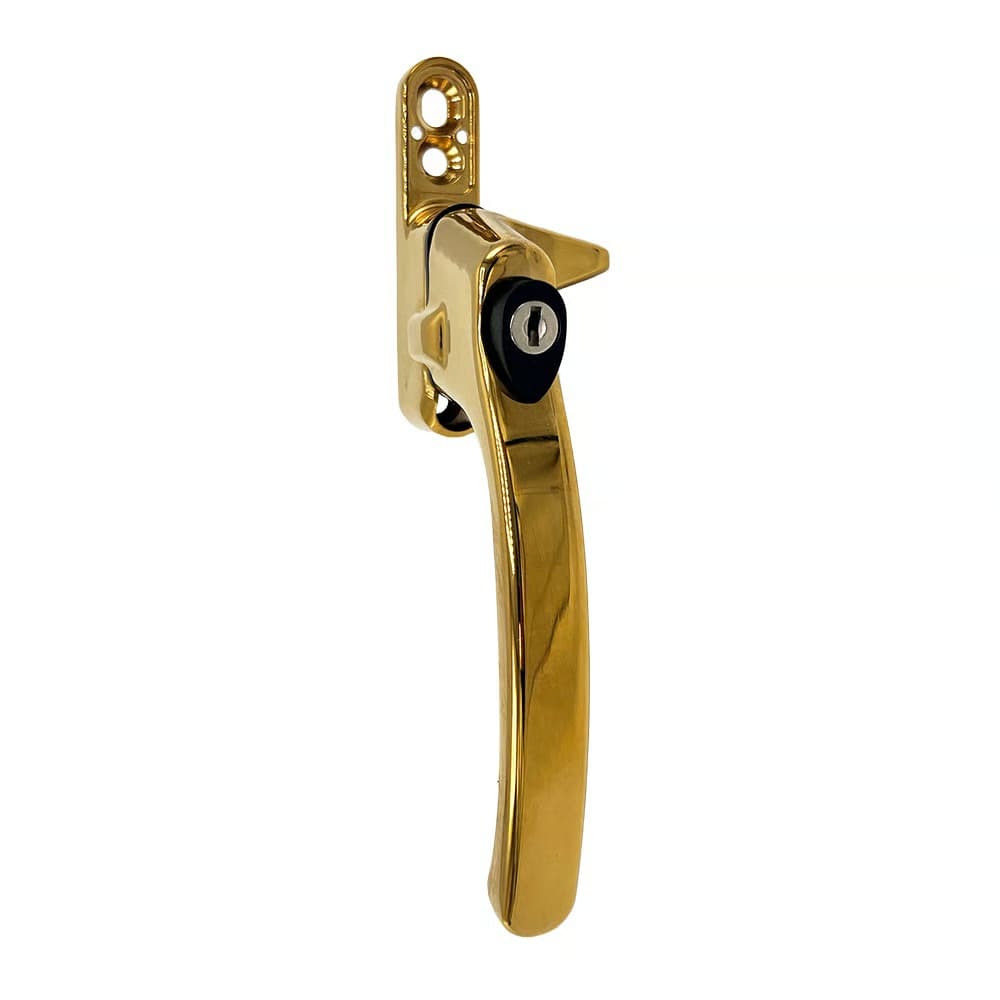
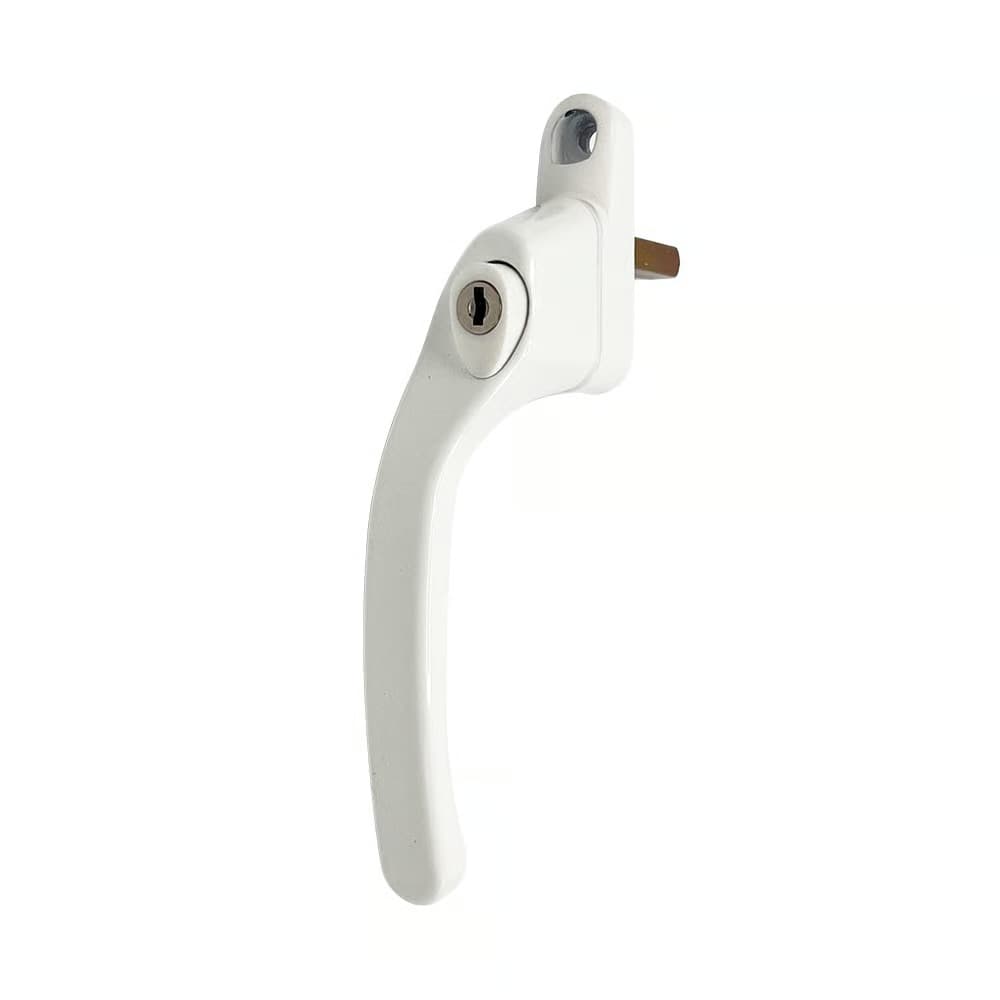
- Identify the mechanism before shopping: check whether the window uses an espagnolette (espag) lock, a cockspur or a different system. For espag systems choose a recognised espag handle such as the TSS Cockspur Window Handles, designed specifically for espag multipoint locks.
- Match spindle and gearbox sizes: measure existing spindle length and square size to ensure a snug fit. Tradespeople should keep a small gauge or template to confirm measurements on site.
Overlooking handle backset and fixing centres
Measurements matter. Two handles can look identical but differ in backset or fixing centres, which affects whether the handle lines up with pre-drilled holes or the locking mechanism.
- Measure fixing centres: the distance between screw holes must match the new handle; otherwise new holes may be required, weakening the frame or spoiling aesthetics.
- Check spindle projection: ensure the spindle reaches the gearbox. Too short a spindle prevents engagement; too long may protrude or cause binding.
- Consider reversible options: some handles are reversible for left- or right-handed windows, reducing the chance of ordering the wrong handedness.
Choosing based on appearance alone
Appearance is important, but buying purely for looks without assessing durability or suitability often leads to premature replacement.
- Prioritise function and material: for frequently used windows select anodised aluminium or zinc-alloy handles with durable finishes. Budget options may save initially but can corrode or fail sooner.
- Finish compatibility: ensure the finish matches the environmental conditions. Coastal properties require corrosion-resistant coatings to withstand salt air.
- Test the operation: trade-quality handles have smoother operation and robust gearing. The TSS Offset UPVC Window Handles offers a balance of appearance and reliable operation suitable for many domestic applications.
Neglecting security ratings and locking features
Aesthetic handles without adequate locking features undermine window security. Many modern handles include cylinder locks or key-locking options that comply with recognised standards.
- Look for handles with secure locking: choose designs that integrate with the window’s locking points and, where required, include anti-snap or reinforced features.
- Ensure compatibility with overall window security: the handle is part of the complete system. Reinforce weak components like multipoint locking mechanisms and keep hardware maintained.
Failing to consider handedness and orientation
Window handedness determines handle direction and internal spindle orientation. Installing the reversed handed handle can result in awkward operation or an inability to open/lock the window.
- Check the handle orientation: determine whether the window opens left or right and whether the handle should be fitted top or bottom on tilt-and-turn or bottom-hung openings.
- Use reversible handles where possible: reversible models reduce ordering mistakes and save time on installation.
Skipping quality checks and certifications
Not all handles meet the same quality or safety standards. Ignoring certifications can affect insurance and compliance with building regulations in higher-risk settings.
- Request standards and test data: reputable manufacturers provide information on durability tests and security standards. For trade purchases, insist on data sheets showing cycle life and corrosion resistance.
- Choose known brands for critical locations: trusted names tend to provide consistent quality and spares availability, for example trade-established cockspur options such as the TSS Cockspur Window Handle.
Misjudging the need for spares and maintenance
Small moving parts wear out. Failing to plan for maintenance or spare parts increases long-term costs.
- Keep spare fixings and bushes: replacing a worn spindle or screw is far cheaper than replacing the whole handle.
- Lubricate moving parts annually: a light, non-gumming lubricant on gearing and spindles prolongs life and ensures smooth operation.
Ordering the wrong finish or incorrect quantity
Inconsistent finishes across a property or insufficient quantities for batch replacements create aesthetic issues and logistical delays.
- Order matching finishes: check manufacturer finish codes and confirm samples where necessary, particularly for larger projects or period properties.
- Buy in batches where possible: replacing all handles at the same time on a property avoids mismatched finishes due to production changes and is more efficient for tradespeople.
Incorrect installation and DIY pitfalls
Improper installation is a leading cause of early failure. Common mistakes include over-tightening fixings, misaligning the spindle or failing to engage the locking mechanism fully.
- Follow manufacturer fitting instructions: torque specifications and fitting sequences matter. Tradespeople should carry the correct bits and a torque screwdriver to prevent over-tightening.
- Use the correct fixings for the frame material: timber, PVCu and aluminium require different screws and seals. Incorrect fixings can cause movement, leaks or frame damage.
- Avoid forcing the handle: if operation feels stiff, check alignment and spindle engagement before applying extra force.
Buying solely on price without warranty or support
Lowest-price purchases sometimes lack warranty cover or customer support, which increases risk for both homeowners and tradespeople.
- Check warranty terms and aftersales: a comprehensive warranty and reliable supplier support reduce downtime and unexpected costs.
- Consider supplier reputation: established suppliers provide clearer returns policies and quicker access to replacements and spares.
Summary: minimise mistakes with a checklist
A short checklist cuts ordering errors:
- Identify the locking mechanism (espag, cockspur, etc.)
- Measure spindle, backset and fixing centres
- Confirm handedness and orientation
- Choose appropriate material and finish for the environment
- Verify security features and standards
- Order matching finishes and adequate quantities
- Follow correct installation procedures and use suitable fixings
- Keep spares and plan maintenance