Door Handle Security Features: What Makes a Handle Secure
Choosing the right door handle is about more than looks; security, durability and correct installation determine how well a handle protects a building. This guide explains the features that make a doo...
Choosing the right door handle is about more than looks; security, durability and correct installation determine how well a handle protects a building. This guide explains the features that make a door handle secure, what to specify for trade work, and practical tips for installers and competent DIYers. It supports the pillar resource at /guides/door-handles and focuses on measurable, tested characteristics rather than marketing claims.
Why the door handle matters for security
A door handle is often the weak point on an otherwise secure door. Thieves and vandals attack the handle, the cylinder and the surrounding mounting points. Selecting the right door handle reduces the risk of forced entry and limits damage if an attack occurs. For tradespeople, specifying a secure door handle is part of whole-door security: handle, lock case, cylinder, hinges and frame must work together.
Key mechanical features to look for
When assessing a door handle for security, check these mechanical features:
- Material and construction: Solid brass, stainless steel or aluminium with reinforced internal parts provide better resistance to snap, twist and shear attacks.
- Spindle design: A reinforced, splined or through-bolted spindle reduces the chance of the spindle failing if the handle is levered or twisted.
- Backset and mounting plate strength: Large, reinforced backplates spread load and resist prising; ensure screw fixings are long enough to reach the door core or reinforced backset.
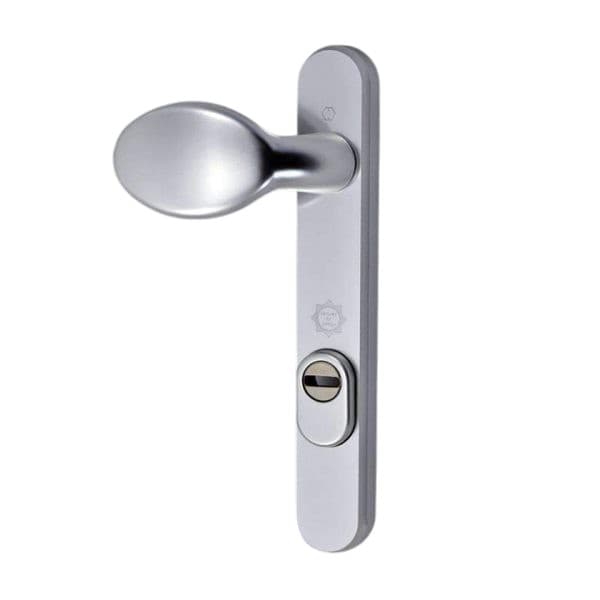
- Rose and escutcheon protection: Security roses and escutcheons cover vulnerable fixings and prevent access to the spindle or keyway; combine with anti-drill plates where required.
- Integral latch or deadbolt compatibility: Choose a handle designed to work with a robust latch or multi-point lock. A secure door handle that sits above a poor lock offers little protection.
Cylinder and handle interaction
The combination of cylinder and door handle is critical. A secure door handle should be specified and installed so the cylinder cannot be easily attacked via the handle area. Consider these points:
- Anti-snap and anti-bump cylinders: Use cylinders meeting recognised standards; an anti-snap cylinder reduces the risk of forced entry even if the handle is levered.
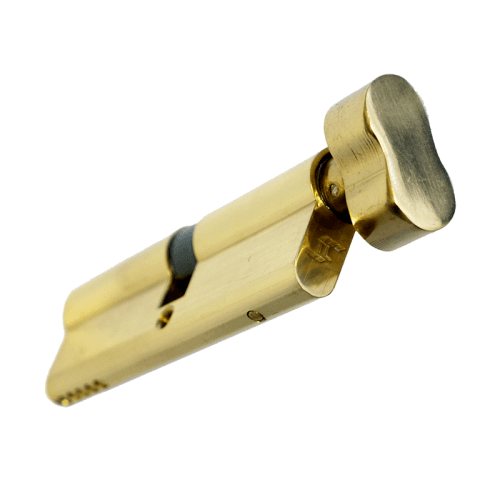
- Thumbturn and emergency release: Internal thumbturns must not expose the cylinder to the outside; choose handles with protected thumbturns to prevent manipulation.
- Projection and overhang: Handles that overhang too far can be used to lever cylinders; select profiles that minimise leverage on the lock case and cylinder.
Standards, ratings and test evidence
Specify products with independent test evidence. Relevant standards and marks include:
- British Standards (BS EN): Handles and cylinders tested to EN 1906 or related standards give measurable performance levels.
- Sold Secure and police-preferred ratings: These provide a higher level of assurance for security-critical applications.
- Fire and escape compliance: For communal doors and escape routes, choose handles that meet fire safety and emergency escape regulations.
Always ask manufacturers for test certificates and ensure that the door handle, lock case and cylinder have compatible ratings. A mismatch can reduce the overall security below the weakest component.
Installation best practice for durability and security
Even the best door handle can be compromised by poor installation. Follow these trade-focused tips:
- Use correct fixings: Long, high-grade screws into reinforced areas or packers reduce movement and the risk of the handle being ripped out.
- Reinforce the door: For soft-core or composite doors, fit reinforcement plates or collars around the handle area to prevent pull-through.
- Align spindle and lock case: Ensure the spindle engages squarely with the lock case; misalignment causes wear and creates leverage points for attack.
- Seal and protect cut-outs: Water ingress leads to corrosion and reduced mechanical strength; seal the handle and escutcheon interfaces to prolong life.
- Check operation after installation: Ensure smooth operation, correct return springs and no lateral play. Document torque settings where supplied by the manufacturer.
Additional security options and practical trade recommendations
Consider these options when specifying a higher-security door handle solution:
- Lever-operated snib: Useful for communal areas, but only if it cannot be manipulated from outside; select models with anti-manipulation features.
- Keyless and electronic handles: These can improve auditability and eliminate cylinders; ensure battery and fail-safe behaviour are suitable for the site.
- Hammer-resist and anti-drill plates: Fit hardened plates behind escutcheons where cylinders or screws are exposed to attack.
- Regular maintenance schedule: Instruct clients on inspection intervals for screws, spindle wear and finish degradation that can indicate hidden damage.
For tradespeople, clear specification and correct installation are as important as product selection. Offer clients a whole-door solution: a tested door handle paired with a suitable lock, cylinder and reinforced frame.
Recommended Products
Based on this article, you may find these products helpful:
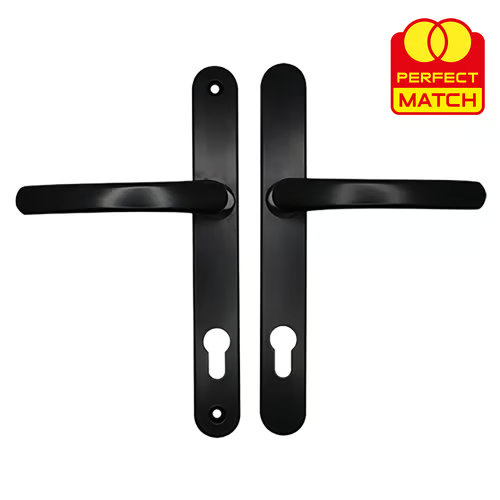
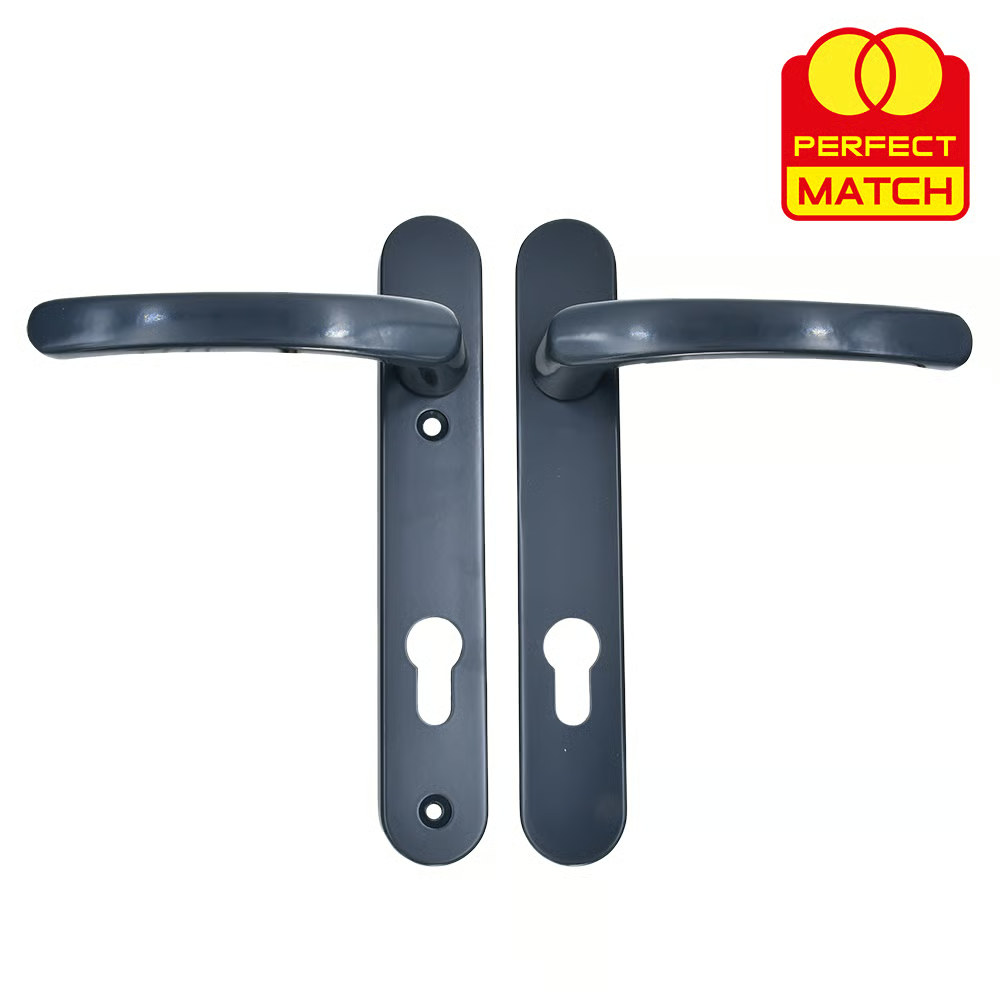
- TSS Door Handle Lever
- TSS Door Handle Lever Short
- Affinity Security Door Handle
- TL Thumb Turn Euro Cylinder
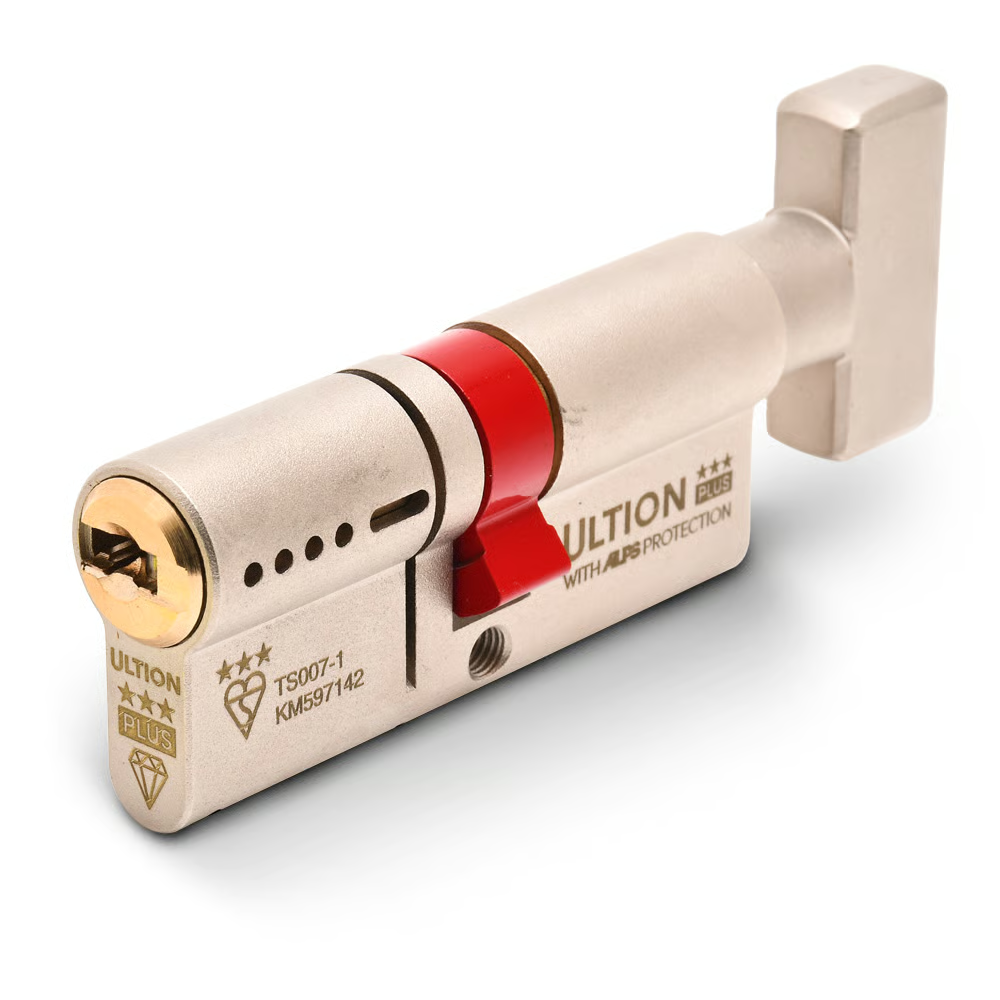
- Ultion Plus TS007 3* Kitemarked Euro Key & Turn Cylinder
Conclusion
A secure door handle results from the right product, correct pairing with lock components, and professional installation. Look for robust materials, reinforced spindles, compatible cylinders and independent test evidence. Use correct fixings and reinforcement during installation and plan for regular maintenance. By treating the door handle as part of an integrated security system rather than an isolated item, you deliver reliable, long-lasting protection to commercial and domestic customers alike.
Part of our guide:
Complete Guide to Door Handles