
How to Adjust a Shootbolt That's Not Engaging Properly
How to Adjust a Shootbolt That's Not Engaging Properly Shootbolts fitted to espagnolette window locks secure the sash at the head and cill; when they fail ...
How to Adjust a Shootbolt That's Not Engaging Properly
Shootbolts fitted to espagnolette window locks secure the sash at the head and cill; when they fail to engage correctly the window will not lock securely and the handle can feel loose or stiff. This post explains how to diagnose common causes, perform practical adjustments, and decide when repair or replacement is the best option. The advice suits both UK homeowners and trade professionals working with PVC, timber or aluminium casement windows.
What a shootbolt does and common symptoms
A shootbolt is a metal rod that extends from the lock case into a keep or strike when the handle is turned; multi-point espagnolette systems use shootbolts at the top and bottom of the sash. Typical symptoms of engagement problems are:
- The bolt does not fully enter the keep;
- The handle will not return to the central position or feels loose;
- Excessive force is required to operate the handle;
- Visible sash misalignment or rubbing against the frame;
- Wear or damage to the bolt tip or the keep entry.
Tools and materials you will need
Prepare the following before starting the job:
- Pozidrive and flat screwdrivers; Torx and hex keys if required by the hardware;
- Feeler gauges or a small steel rule to measure engagement depth;
- Penetrating lubricant and silicone or dry PTFE spray for final lubrication;
- Light hammer, small file or a coarse stone for re-profiling a keep entrance;
- Replacement keeps, shootbolt tips or followers for the specific make if required;
- Thin shims or paper packing to trial spacer adjustments;
- Safety goggles and gloves.
Preliminary checks and inspection
Before loosening any fixings, carry out a visual and operational inspection. Open and close the window and operate the handle slowly to observe the shootbolt movement: listen for binding, note whether the bolt starts to move and then stops, and check if both top and bottom bolts behave the same. Measure how far the bolt projects and how deep the keep receives it; a secure engagement is typically around 10 to 15mm, depending on the system.
Check for obvious causes such as paint build-up, debris in the keep, or a distorted sash caused by faulty hinges or dropped beads. If the frame or sash is warped the remedy may include hinge adjustment rather than shootbolt tweaking.
Step-by-step: adjusting a shootbolt
Follow these steps for practical adjustment. Where the hardware differs slightly between manufacturers, the principles remain the same.
- Remove the handle and any cover plates to expose the escutcheon and gearbox. Keep fastenings safe for re-assembly.
- Operate the handle and watch the shotbolt head; identify whether the bolt travels smoothly and whether the follower plate or rod is loose within the gearbox.
- If the shootbolt has an adjustable tip or a grub screw: slacken the grub screw, move the tip in or out to increase or reduce engagement, then re-tighten. Re-test several cycles.
- If the shootbolt is a steel rod clipped into a follower, check the clip or retaining plate; replace any brittle plastics or worn clips. Trade-fitters often carry replacement followers that restore correct travel.
- If the bolt stroke is insufficient and no adjustment is possible at the tip, loosen the gearbox fixings slightly and move the lock case in the sash within the elongated screw slots to alter the engagement position; retain a small gap so the sash still compresses correctly when locked.
- Tighten fixings and test. Repeat minor adjustments until the bolt engages smoothly and the handle returns correctly to the centre position.
Adjusting keeps and strikes
Often the easiest correction is to adjust the keep rather than the shootbolt itself. Modern keeps are frequently adjustable vertically and horizontally; the keep can be moved towards or away from the sash until the bolt enters easily.
- Loosen keep screws and slide the keep into position; if the keep is fixed you may need to replace it with an adjustable type.
- If the keep entrance lip is snagging the bolt, open the keep slightly with a file or stone to chamfer the entry at about 45 degrees; remove metal only where necessary.
- To increase engagement when the bolt barely enters the keep, fit a thin shim behind the keep or swap for a keep with a larger pocket; take care not to push the sash out of plane, which can affect sealing.
Dealing with common faults
Here are typical faults and practical remedies:
- Worn bolt tip or damaged keep: replace the keep and/or shootbolt tip. This is common on high-use doors and windows;
- Plastic follower worn: replace follower or entire lock case; trade professionals often replace the espagnolette rod assembly for longevity;
- Sash drop or hinge wear: adjust hinges first; correcting hinge geometry often restores shootbolt alignment without further lock work;
- Corrosion or seized mechanism: free moving parts with penetrating oil, then clean and lubricate with a dry silicone spray. Avoid greasy oils that attract dirt;
- Insufficient bolt travel: if gearbox or rod is bent or corroded, replacement of the espagnolette rod or lock case is the proper fix.
Lubrication and maintenance
After adjustments, lubricate the moving parts. Use a silicone or dry PTFE spray inside the lockcase where possible; apply a light grease to metal-to-metal faces if recommended by the manufacturer. Do not over-lubricate as excess grease can attract dust. Regular maintenance checks every 6 to 12 months will extend life and keep engagement reliable.
When to replace rather than adjust
Replace the shootbolt assembly if you find any of the following: severe corrosion, broken or severely worn followers, repeatedly failing adjustable keeps, or a bolt stroke that cannot be corrected by adjustment. For older timber windows it may be more cost effective to replace the whole espagnolette rod assembly rather than continually refurbish failing parts; trade installers will often stock common profiles for same-day replacement.
Further reading and parts
For more detail on espagnolette systems and common replacement parts see our pillar article: espagnolette window locks. If you are unsure of the exact profile, take a photograph of the lock case and shootbolt and compare with manufacturer diagrams or provide the image to your supplier for advice.
Recommended Products
Based on this article, you may find these products helpful:
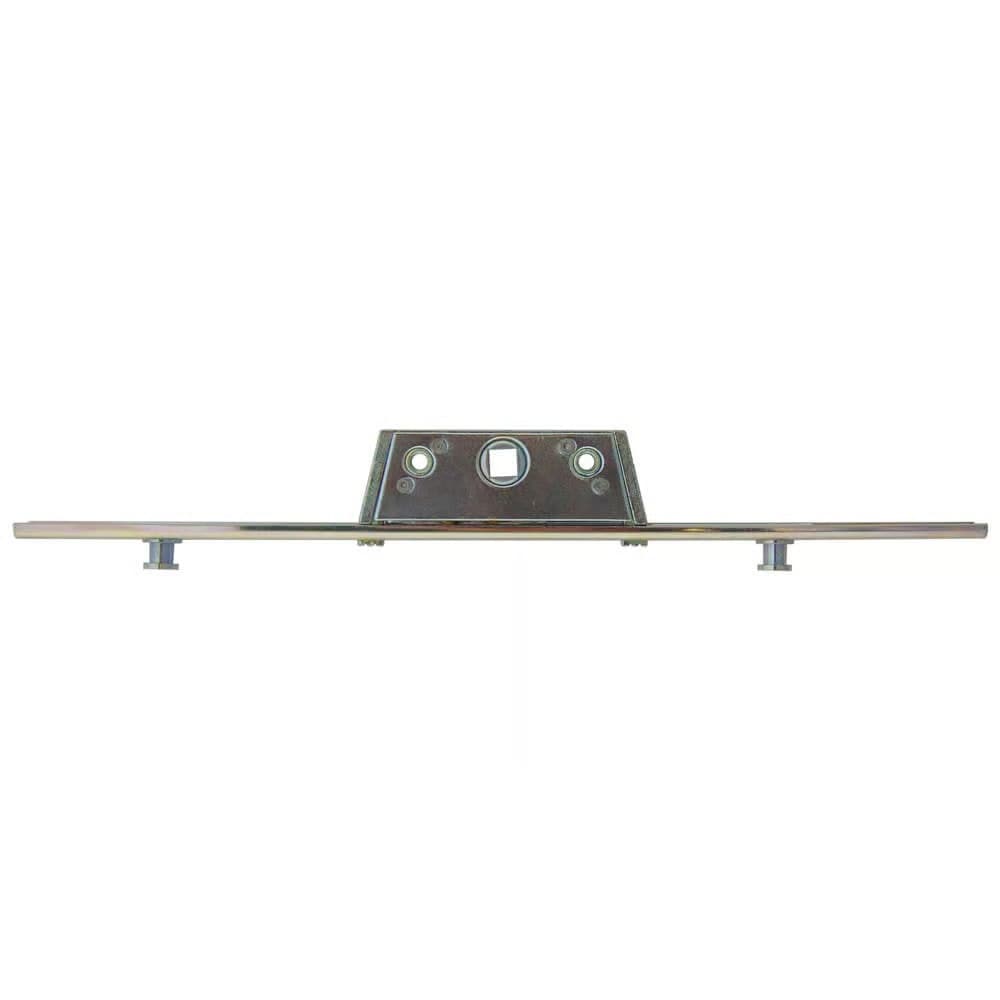
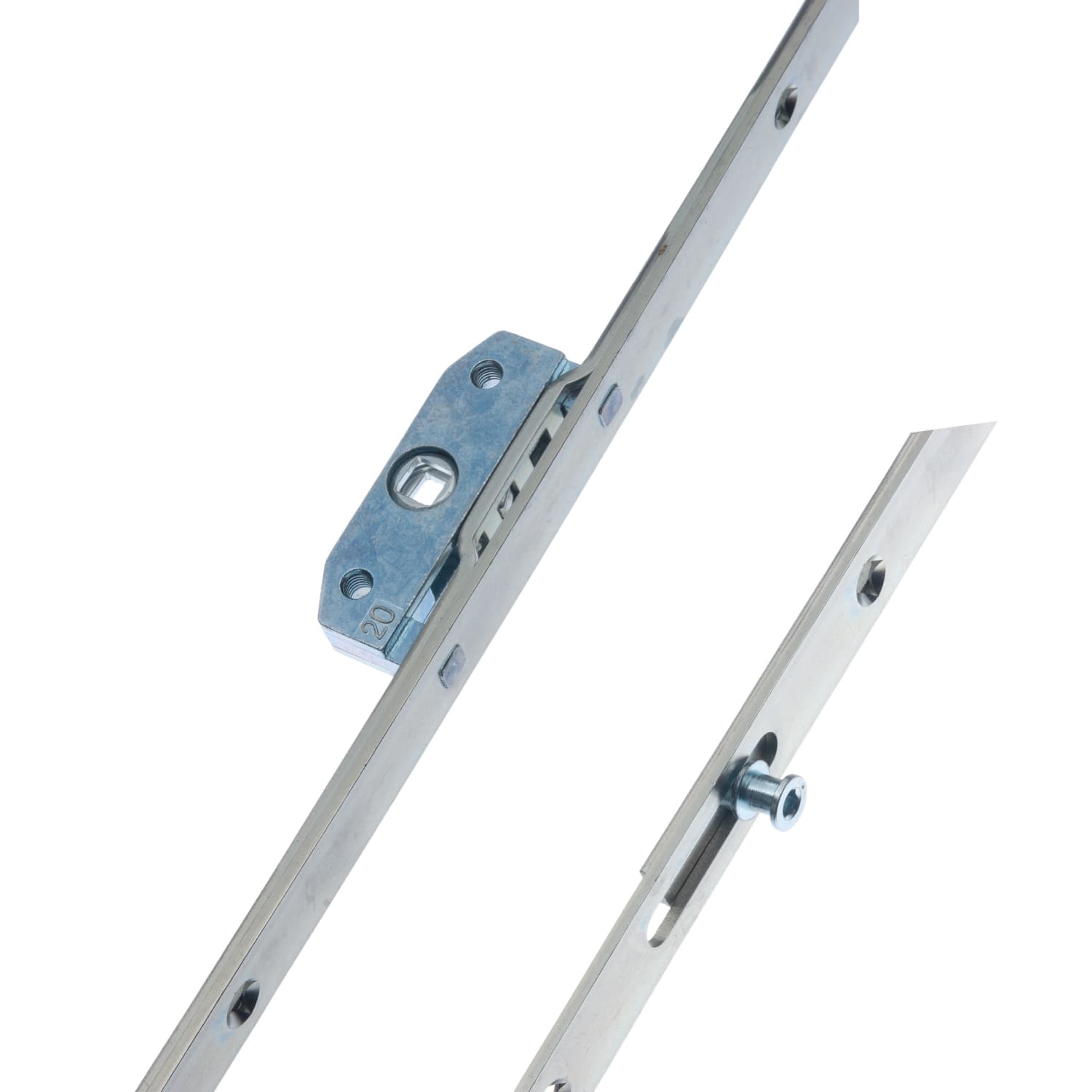
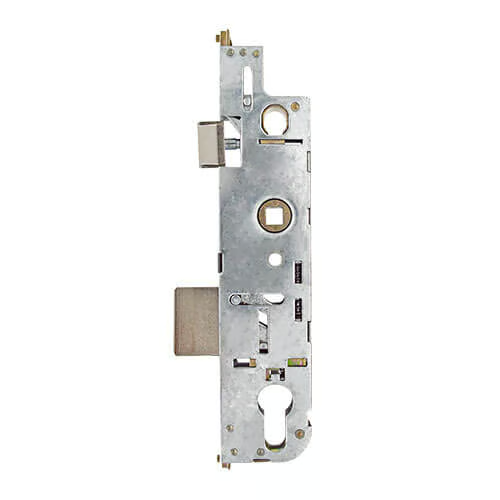
- ERAB Espagnolette Window Lock Universal Lock Replacement
- Avocet Slimline Offset Window Espag
- In-Line Window Mechanism
- Offset Window Mechanism
- Multipoint Gearbox GU Old Style
Conclusion and next steps
Adjusting a shootbolt that is not engaging properly is usually straightforward: diagnose whether the fault is the bolt, the keep, or sash alignment; make small, incremental adjustments; replace worn components where necessary; and lubricate for smooth operation. If adjustments do not restore reliable engagement, replace the shootbolt or espagnolette assembly and check hinges and frame alignment. For trade-standard replacement parts and advice, contact Window Hardware Store or consult the espagnolette window locks guide linked above.
Related articles
Window Gearbox Maintenance: Keeping Your Locks Working Smoothly
Window Gearbox Maintenance: Keeping Your Locks Working Smoothly A well maintained window gearbox keeps casement and tilt-and-turn windows operating smoothl...
Troubleshooting Shootbolt Problems: A Window Fitter's Guide
Troubleshooting Shootbolt Problems: A Window Fitter's Guide Shootbolts are a small but vital component in many modern window and patio door locking systems...
What Is a Shootbolt Lock? Complete Guide to Window Security
What Is a Shootbolt Lock? Complete Guide to Window Security What is a shootbolt? A shootbolt is a mechanical locking element commonly used in windows and d...