How to Fit a Door Handle on a Composite Door
Fitting a door handle on a composite door is a common task for tradespeople and competent DIYers. Composite doors are robust and require precise fitting to ensure security and smooth operation; a corr...
Fitting a door handle on a composite door is a common task for tradespeople and competent DIYers. Composite doors are robust and require precise fitting to ensure security and smooth operation; a correctly fitted door handle not only looks professional but also preserves weather performance and longevity. This guide explains how to choose, prepare and fit a door handle on a composite door, with practical tips used by installers and trade-fitters.
Tools, materials and choosing the right door handle
Before you start, gather tools and check the right components. Choosing the correct door handle for a composite door is important: lever/lever, lever/pad, or a pull handle with a separate latch each require different backsets and fixing methods.
- Essential tools: cordless drill, set of drill bits including 4 mm and 8 mm, countersink, screwdrivers, spirit level, measuring tape, pencil, masking tape and chisel set.
- Materials: the new door handle, spindle of correct length, screws supplied with handle, fixings for multipoint locks if required and replacement spindle screw if needed.
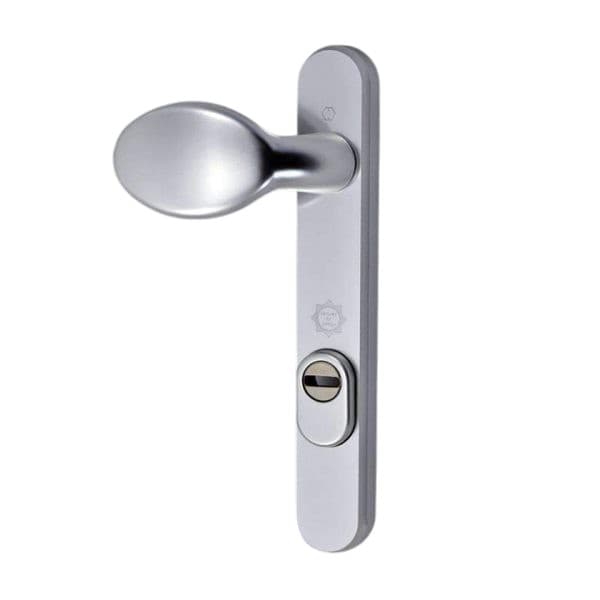
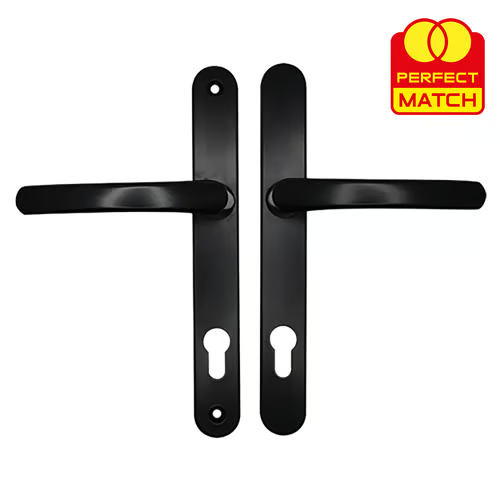
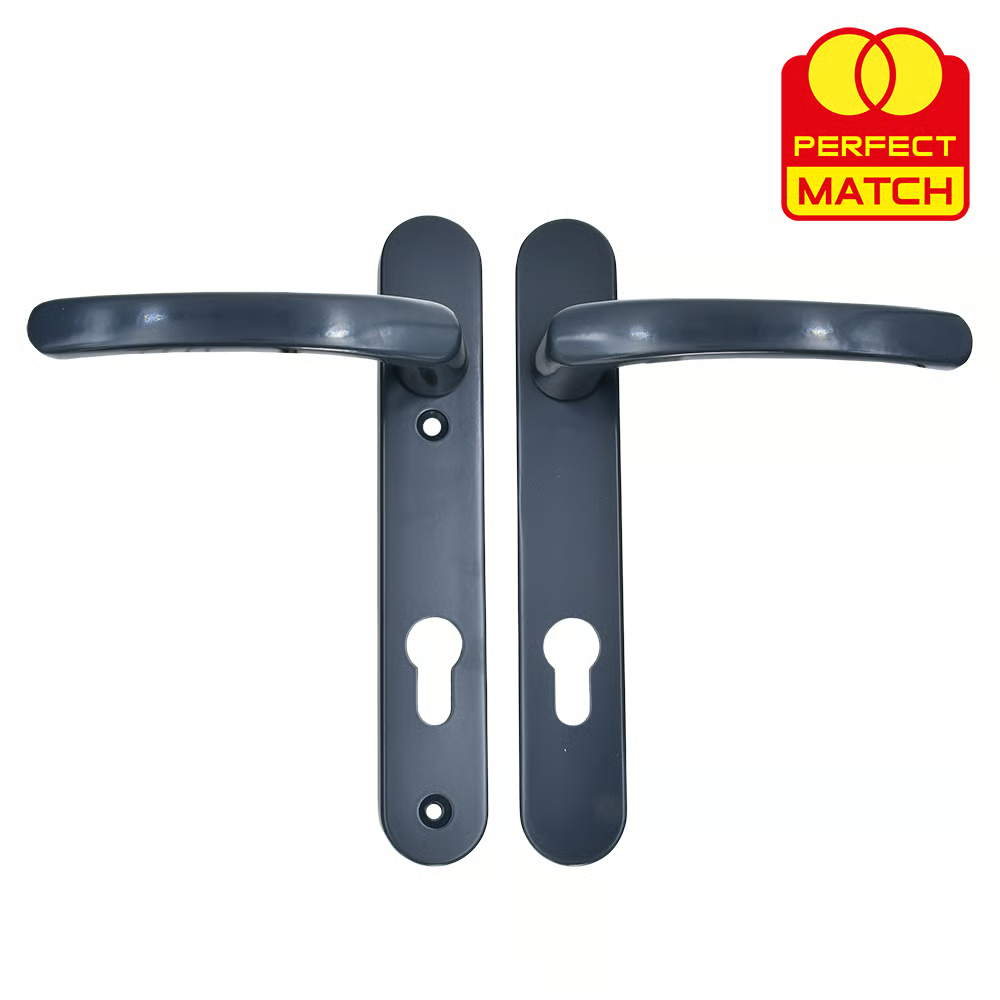
- Choose a door handle suited to composite door construction: check spindle length, backset, and whether the handle set suits a euro cylinder, oval cylinder or multipoint mechanism.
Preparing the composite door
Preparation prevents damage and ensures the door handle sits correctly. Composite doors have a timber or foam core with an outer skin; incorrect drilling can crack the skin or weaken the frame.
- Remove the old handle and clean the area. If this is a new installation, mark the centre line of the lock and the height for the handle; the standard height is typically around 1 000 mm from finished floor level but follow site requirements.
- Use masking tape over the area to reduce chipping when drilling; mark hole positions on the tape to improve visibility and accuracy.
- Check the backset: measure the distance from the door edge to the centre of the spindle hole. Match this to the new door handle specification so the spindle lines up with the lock.
Drilling and fitting the handle spindle
Drilling through composite skins and the core requires a steady hand. The spindle needs to be the correct length so the handle projects evenly on both sides and engages the lock correctly.
- Start with a small pilot drill through the marked centre. Progressively enlarge the hole to the required diameter for the spindle using appropriate bits; avoid excessive force.
- Reinforce where necessary: some composite doors benefit from a backing plate or packer between the handle rose and the skin to spread load and prevent sinking over time.
- Insert the spindle and test engagement with the lock. The spindle should rotate smoothly; if it binds, check alignment and remove any debris from the hole.
Fixing the handle and aligning operation
Correct fixing ensures the door handle operates smoothly and remains secure under repeated use. Tighten fixings progressively and check alignment as you go.
- Offer the external handle to the door first. Ensure the spindle passes through and the handle sits flush. Fit the internal handle and loosely fasten screws to hold both sides.
- Check the handle operation: lift, lower and latch the handle. The handle should return to horizontal without binding and the latch should retract fully. Make small adjustments to spindle length or packing if needed.
- Tighten screws alternately and evenly; do not overtighten into the composite skin. Use the supplied wood or machine screws depending on the handle set, and replace any stripped threads with suitable fixings.
- If fitting to a multipoint lock, ensure the handle moves the gearbox through its full travel; adjust packers behind the rose to centre the handle if one side sits proud.
Sealing, security and finishing touches
Finishing correctly improves security and weather performance. A neat finish also helps prevent water ingress and maintains the appearance of the door handle installation.
- Seal around the rose with a small fillet of silicone or a compatible weather sealant where the handle meets the door face; do not use excessive sealant that interferes with the handle movement.
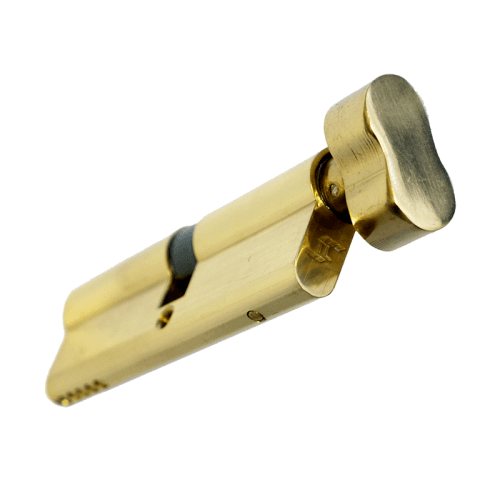
- Fit any supplied cylinder escutcheons or protective plates to guard against forced attack. For trade installations, recommend anti-snap and anti-bump cylinders where applicable.
- Test the handle and lock repeatedly; confirm the latch and deadbolt operate correctly with the door in both open and closed positions. Adjust striker plate position on the frame if necessary for smooth engagement.
Common issues and troubleshooting
Even experienced fitters encounter problems. Here are quick solutions to frequent issues when fitting a door handle on a composite door.
- Handle binding: check spindle alignment and that the spindle is straight; fit packers behind the rose to correct angle.
- Loose fixings after use: use longer screws into the reinforced core or fit a backing plate to distribute load.
- Water ingress around the handle: reseal with exterior-grade silicone; ensure any holes are sealed and drain paths are not blocked.
- Multipoint not engaging: check that the handle returns to horizontal and fully retracts the latch; adjust gearbox engagement or striker keeps as required.
Fitting a door handle on a composite door is straightforward with the right preparation and attention to detail. Tradespeople should always check manufacturer details for backset and spindle length, while homeowners can follow the step-by-step method above for a secure, clean installation. A correctly chosen and fitted door handle will enhance door function and security for years to come.
For more guidance on selecting the right door handle for different door types and locks, visit our pillar guide on door handles at /guides/door-handles.
Recommended Products
Based on this article, you may find these products helpful:
Part of our guide:
Complete Guide to Door Handles