
How to Lubricate Shootbolts for Smooth Operation
How to Lubricate Shootbolts for Smooth Operation: regular lubrication ensures shootbolt mechanisms run freely, prevents premature wear and stops handles ja...
How to Lubricate Shootbolts for Smooth Operation: regular lubrication ensures shootbolt mechanisms run freely, prevents premature wear and stops handles jamming. This post explains practical, trade-level and DIY steps for servicing shootbolts on windows and doors so you get reliable, long-lasting operation.
Why lubricate shootbolts
Shootbolts are the sliding top and bottom locking pins used on many PVCu, timber and aluminium windows and doors. They are common on French doors, tilt-and-turn windows and as part of espagnolette and multipoint locking systems. Lack of lubrication allows dirt to build up and causes metal-on-metal contact; that leads to stiff operation, worn keeps and increased torque on the espagnolette gearbox. Regular lubrication reduces friction, protects against corrosion and keeps the locking sequence smooth.
Recommended lubricants and what to avoid
- PTFE dry-film spray: excellent for moving parts; leaves a low-friction, dust-resistant film suitable for shootbolt shafts and catches.
- Silicone spray: safe on seals and plastic components; good for PVCu and rubber without causing swelling or deterioration.
- Light machine oil: suitable for pivot points and linkages inside the espagnolette gear; use sparingly to avoid attracting grit.
- White lithium grease: useful for heavy-duty shootbolts on external doors where a longer-lasting lubricant is needed; apply sparingly.
Do not use raw motor oils or heavy grease on PVCu profiles; some petrol-based products can soften seals. WD-40 can be used initially to penetrate corrosion, but it is not a good long-term lubricant; follow up with PTFE or silicone for lasting protection.
Tools and materials
- Manufacturer-approved lubricant: PTFE spray, silicone spray or light machine oil
- Cleaning brush and lint-free cloths
- Cotton buds or small brushes for crevices
- Hex keys and screwdrivers to remove end caps or covers if needed
- Protective gloves and eye protection
- Masking tape and marker for alignment checks
Step-by-step: lubricating a shootbolt
- Inspect the mechanism: open the sash or door so you can access the shootbolt. Check for visible damage, misalignment or corrosion. Operate the handle to extend the shootbolts and observe their travel.
- Clean first: remove surface dirt, grit and old lubricant with a brush and cloth. Use cotton buds to clear the shootbolt tube and the keeps on the frame. For stubborn deposits use a little soapy water or isopropyl alcohol on a cloth; ensure the area is dry before lubricating.
- Expose the shootbolt where necessary: on many systems there is a top or bottom end cap or cover that can be removed with a screwdriver. For espagnolette systems see the manufacturer instructions; you may need to retract the shootbolt into the sash to access fixings.
- Apply lubricant to the shaft: extend the shootbolt and apply a light, even coat of PTFE or silicone along the shaft and the part that slides inside the casing. For heavy-duty applications use a small amount of lithium grease on metal-to-metal contact points.
- Lubricate the guide and keeps: add a light spray to the strike plate and keep where the shootbolt meets the frame. A small amount of PTFE will reduce wear without attracting dust.
- Work the mechanism: operate the handle several times to distribute the lubricant throughout the moving parts. This will help the lubricant reach internal linkages and the espagnolette gear if present. Wipe away any excess with a lint-free cloth.
- Reassemble and test: refit any covers or end caps and tighten fixings. Lock and unlock the window or door several times and check for smooth, consistent travel and correct engagement in the keeps.
Trade tips and advanced checks
- Check alignment: use masking tape to mark the contact points on the keep while locking; if the shootbolt hits off-centre you may need to adjust the striker plate or the door geometry. Misalignment is a common cause of increased wear and stiffness.
- Internal gearbox lubrication: for multipoint espagnolette gearboxes, access the sash faceplate and apply a small amount of light machine oil or a PTFE spray into the gearbox. Do not over-lubricate; excess oil attracts dust and can contaminate seals.
- Replace worn keeps: if the shootbolt is damaged, mushroomed or the keep is excessively worn, lubrication will only be a temporary fix. Fit new keeps to protect the shootbolt and restore correct locking engagement.
- Coastal properties: in coastal or industrial areas use corrosion-resistant lubricants and increase service frequency; salt spray accelerates corrosion on unprotected metals.
- Document work: for trade professionals, note the lubricant type and date in maintenance records for warranty and handover purposes.
Troubleshooting common problems
If the shootbolt is still stiff after lubrication: check for bent or seized components, hardened deposits inside the barrel or broken springs. A seized shootbolt may need to be fully withdrawn and replaced. If the handle is heavy and multiple locks are affected, the espagnolette gear may be binding; inspect the gearbox and check for loose or damaged linkages.
If lubrication makes no difference, check the keeps and striker plates for signs of contact wear. A misaligned keep can cause metal fatigue and premature failure of the shootbolt; adjustment or replacement is often required.
Maintenance schedule
- Domestic windows: lubricate shootbolts every 6 to 12 months.
- High-use commercial entrances and doors: every 3 to 6 months.
- Coastal or polluted environments: at least every 3 months and use corrosion-resistant products.
Further reading and resources
For more detail on espagnolette systems and how shootbolts interact with multipoint locks see the related pillar content: espagnolette window locks guide. Manufacturer datasheets will also list approved lubricants and removal procedures for specific products.
Recommended Products
Based on this article, you may find these products helpful:
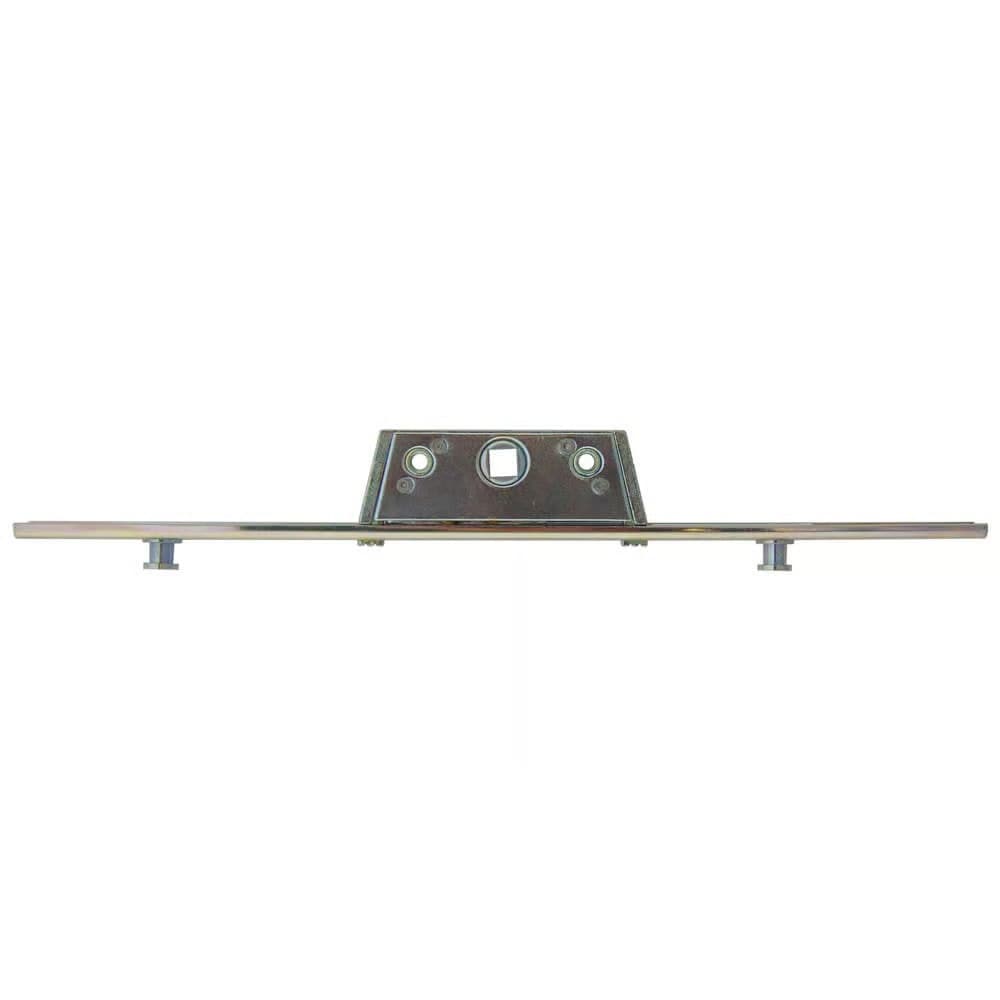
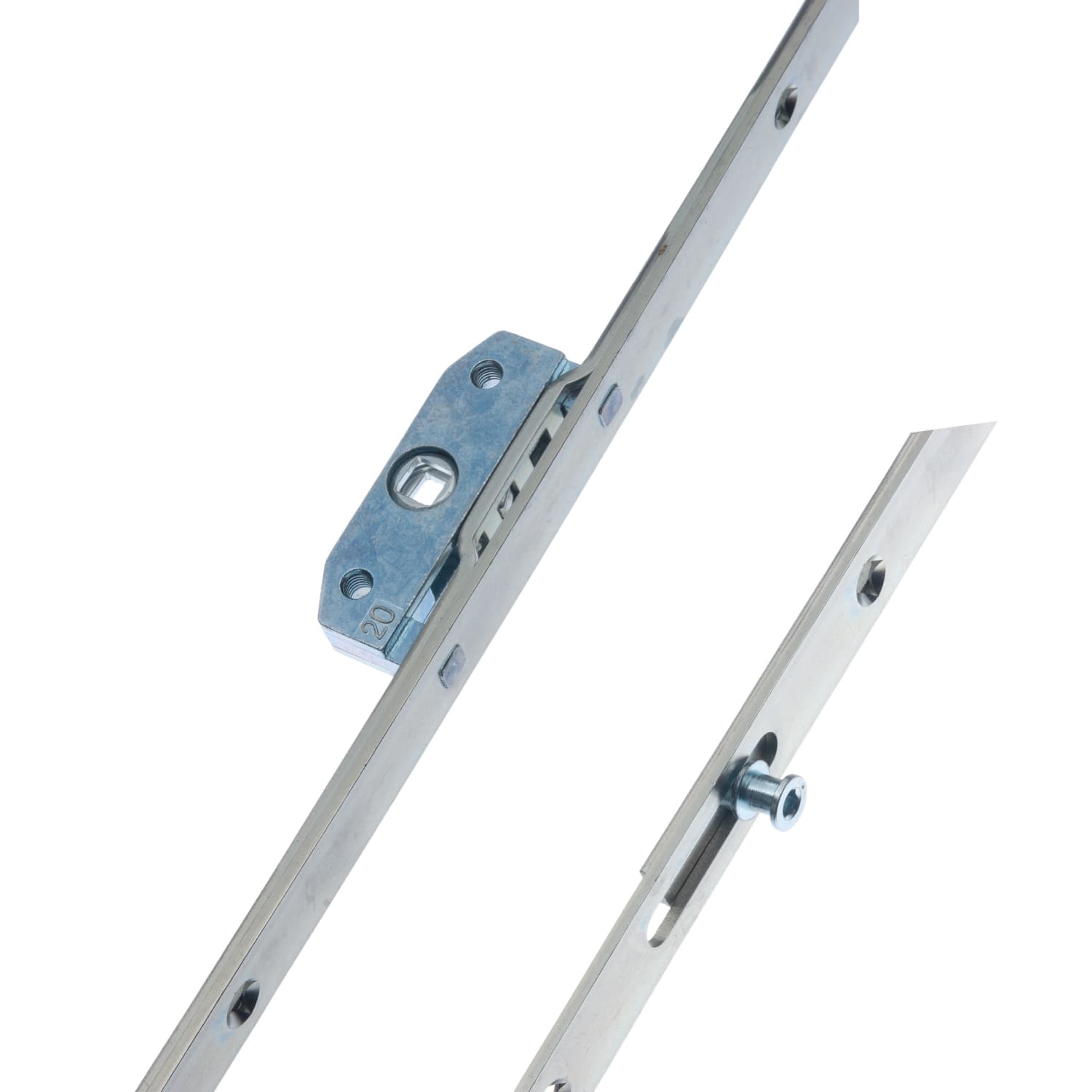
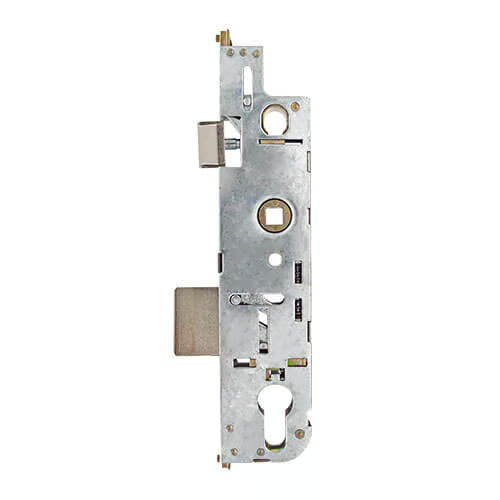
- ERAB Espagnolette Window Lock Universal Lock Replacement
- Avocet Slimline Offset Window Espag
- Multipoint Gearbox GU Old Style
- In-Line Window Mechanism
- Offset Window Mechanism
Conclusion and next steps
Regular lubrication of shootbolts prevents stiffness, reduces wear and maintains secure locking. For DIY homeowners, basic cleaning and a spray of PTFE or silicone will solve most issues. For trade professionals, combine lubrication with alignment checks and gearbox inspection to ensure long-term reliability. If you find damaged shootbolts, warped keeps or persistent binding, plan a repair or replacement and consider a full service of the espagnolette system.
Next steps: inspect your windows and doors, choose the correct lubricant for the profile material and schedule a maintenance check. If you need parts or specialist advice, contact a qualified locksmith or order replacement shootbolts and keeps from a reputable supplier.

Related articles
Window Gearbox Maintenance: Keeping Your Locks Working Smoothly
Window Gearbox Maintenance: Keeping Your Locks Working Smoothly A well maintained window gearbox keeps casement and tilt-and-turn windows operating smoothl...
Troubleshooting Shootbolt Problems: A Window Fitter's Guide
Troubleshooting Shootbolt Problems: A Window Fitter's Guide Shootbolts are a small but vital component in many modern window and patio door locking systems...
What Is a Shootbolt Lock? Complete Guide to Window Security
What Is a Shootbolt Lock? Complete Guide to Window Security What is a shootbolt? A shootbolt is a mechanical locking element commonly used in windows and d...