How to Measure a Patio Door Handle for Replacement
Replacing a patio door handle is a common task for tradespeople and competent DIYers. Getting the measurements right first time saves visits, reduces downtime and keeps customers happy. This guide exp...
Replacing a patio door handle is a common task for tradespeople and competent DIYers. Getting the measurements right first time saves visits, reduces downtime and keeps customers happy. This guide explains how to measure a patio door handle for replacement, with practical tips for different door materials and locking mechanisms. Use it alongside the product pages on our door handles pillar to select the correct replacement.
Why accurate measurement matters
A correctly measured patio door handle ensures the replacement fits the spindle, backset and fixing positions; it also means the lock mechanism operates smoothly. An incorrect patio door handle may not align with the multipoint lock, may be the wrong length for the spindle, or may not cover old screw holes. For tradespeople time is money; measuring properly prevents repeat visits.
Tools and preparation
Before you start measuring, gather these basic tools. They are standard for joiners and locksmiths and ensure precise readings:
- Tape measure with millimetre markings
- Vernier calipers or a metal rule for accurate spindle and screw measurements
- Phillips and flat screwdrivers
- Pen and paper or a digital note app to record dimensions
- Masking tape to mark screw centres if needed
- Camera or smartphone to photograph the handle and lock face for reference
Key measurements to take
When you measure a patio door handle for replacement you need a set of specific dimensions. Record every item below to match a replacement from stock:
- Spindle length and type: Remove the handle to expose the spindle. Measure the overall spindle length and the distance from the end to the square section. Note whether it is a fixed square spindle or a split spindle for non-handed handles.
- Backset: This is the distance from the face of the edge of the door to the centre of the spindle or keyhole. Typical values are 20 mm or 25 mm on patio systems, but measure to be sure.
- Centres between fixing holes: Measure the vertical distance between the screw centres on the handle rose or backplate. Common centres are 92 mm, 85 mm and 70 mm; confirm to match screw positions.
- Handle projection and rose diameter: Projection is how far the handle extends from the door face; rose diameter is the size of the round or oval plate. These matter for aesthetics and to ensure clearance for patio furniture or framing.
- Keying and locking type: Note whether the handle operates a mortice Euro cylinder, a sashlock, or a shootbolt mechanism. Record the cylinder type and whether the handle has an integrated lock or separate key.
Measuring by door type
Different patio doors require slightly different approaches. The three most common are uPVC, aluminium and timber. Each has quirks that affect the choice of patio door handle.
- uPVC: These often use a split spindle and have bolt-through screw positions through the frame. Measure the spindle split and the screw centres. Note if the handle uses a backplate that covers old holes.
- Aluminium: Profiles can be slim. Check the backset and whether a slim-line rose is needed. Also confirm screw thread type and whether you need longer screws to reach the metal stile.
- Timber: Timber doors may require a handle with a larger rose or a backplate to cover old holes. Measure projection carefully to avoid clashes with thresholds or mullions.
Common problems and how to avoid them
Tradespeople commonly encounter mismatched spindles, incorrect backsets and cosmetic mismatches. To avoid these problems when replacing a patio door handle consider the following:
- Take photographs of the handle, lock face and internal mechanism before disassembly; this helps when specifying parts.
- Check for handedness: some patio door handles are handed left or right; a reversible handle will save time on site.
- Measure screw hole diameters and thread pitch if you plan to reuse screws; upholstery and self-tapping screws vary by manufacturer.
- Confirm the locking function: if the handle is part of a multipoint system, ensure the replacement is compatible with the number of locking points and spindle engagement.
Ordering and fitting tips
When you have your measurements and photos, match them against supplier specifications. When ordering a replacement patio door handle keep these trade tips in mind:
- Order a handle set not just a lever: sets include roses, screws and spindle which reduces mismatch risk.
- If the door is older, choose a backplate that will cover existing screw holes to avoid refinishing work.
- Carry common spindle lengths and reversible handles in your van to reduce repeat trips.
- During fitting, lubricate the spindle and lock case with a dry lubricant or graphite to ensure smooth operation before tightening screws; over-tightening can bind a lock.
Recommended Products
Based on this article, you may find these products helpful:
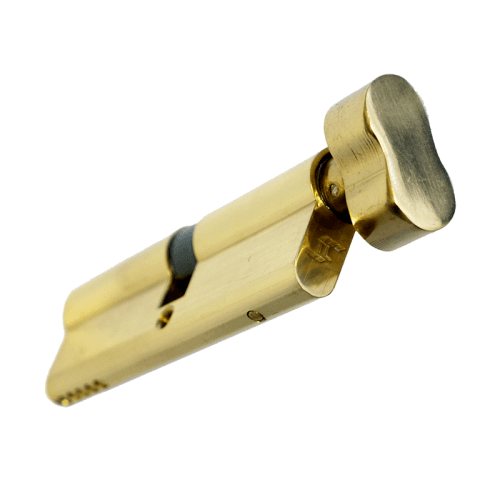
- TL Thumb Turn Euro Cylinder
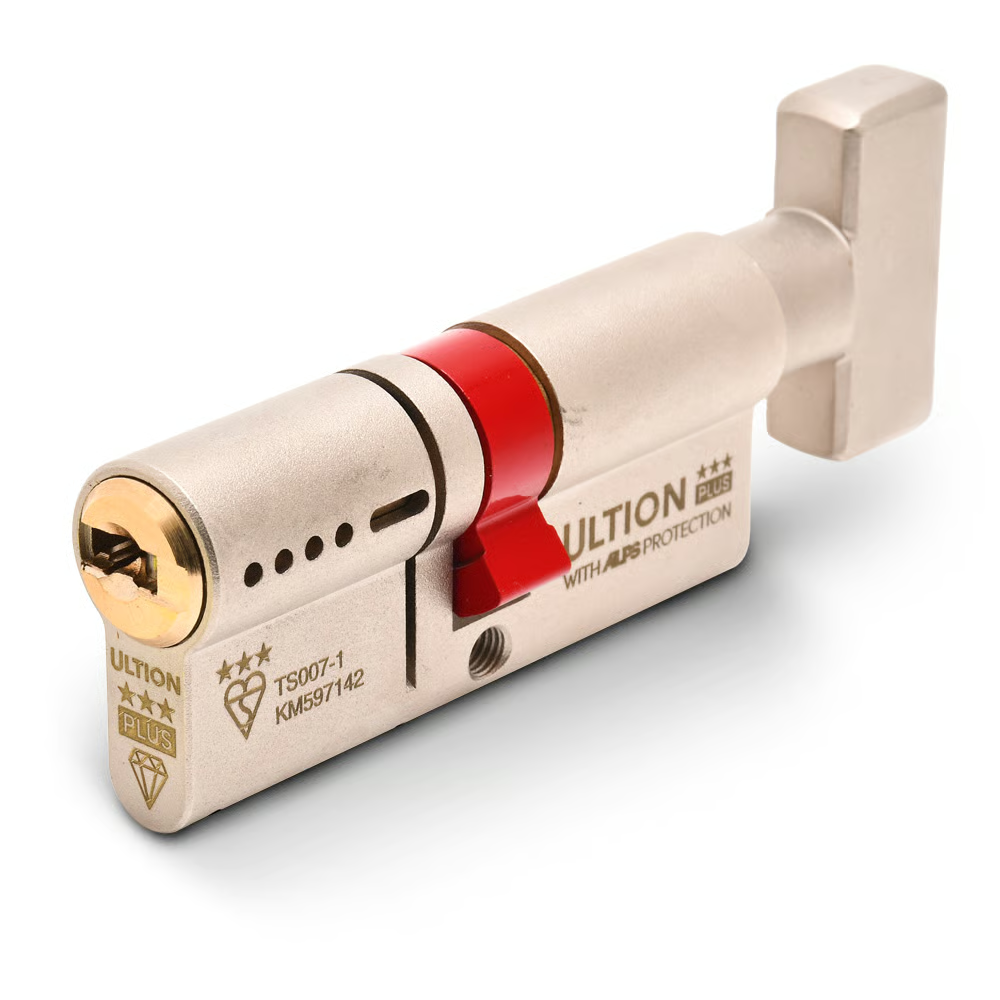
- Ultion Plus TS007 3* Kitemarked Euro Key & Turn Cylinder
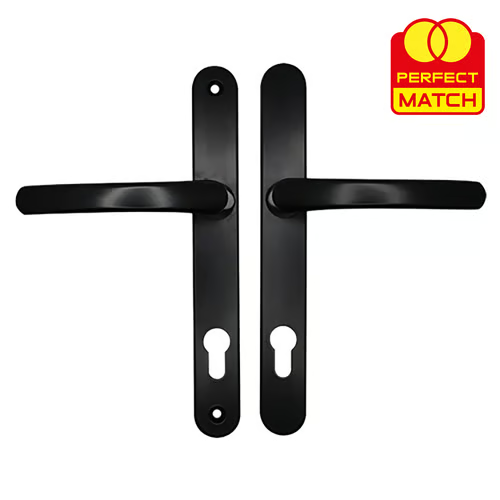
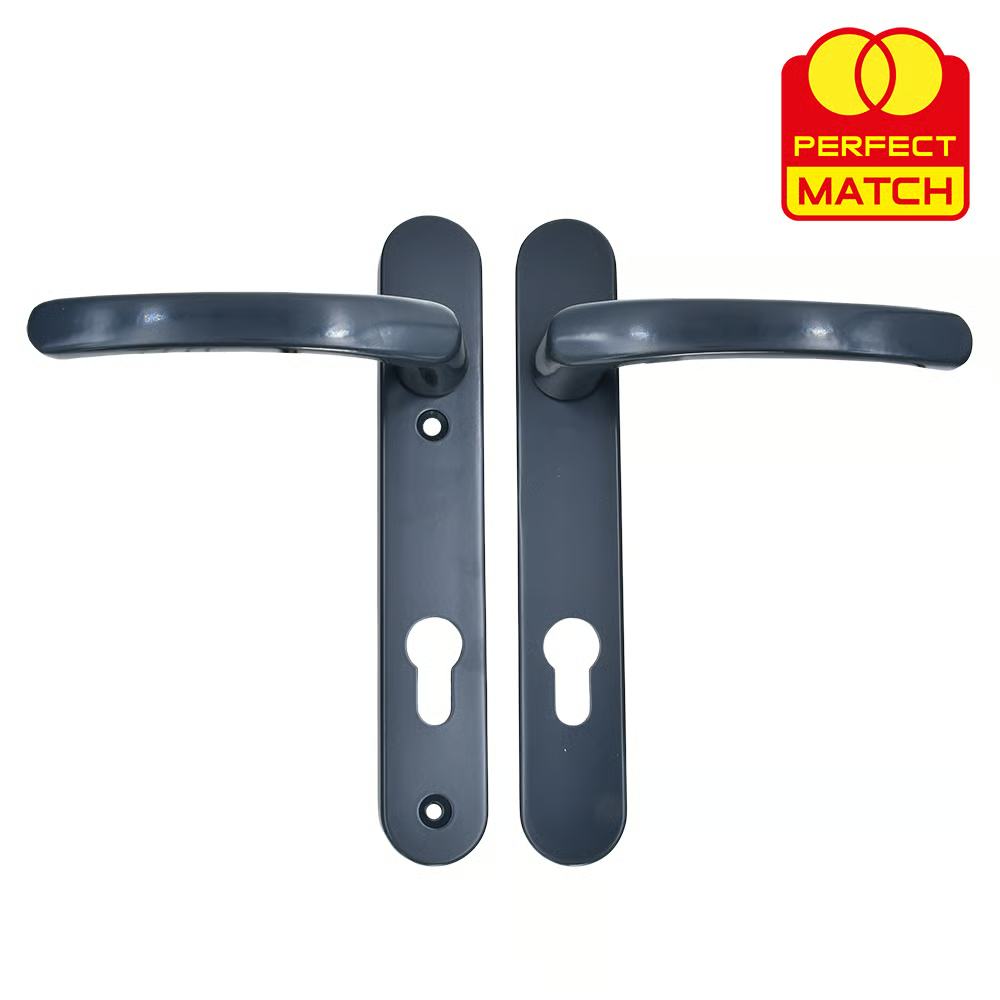
- TSS Door Handle Lever
- TSS Door Handle Lever Short
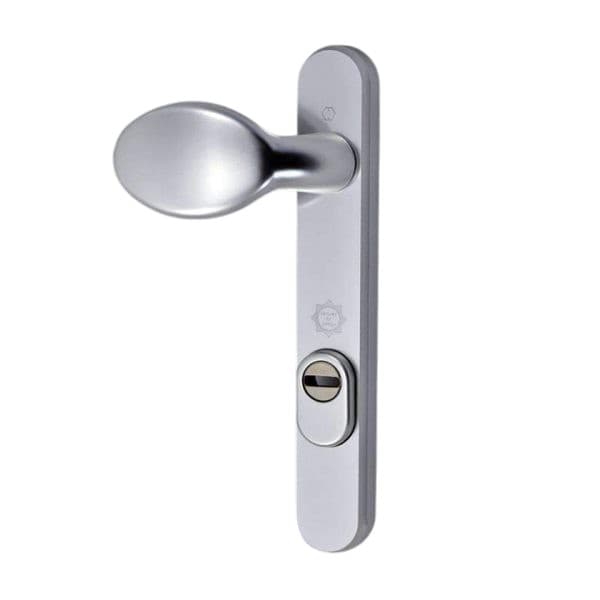
- Affinity Security Door Handle
Conclusion
Measuring a patio door handle for replacement is straightforward when you know which dimensions to record: spindle length, backset, fixing centres, projection and locking type. Tradespeople should prepare by carrying basic measuring tools, common spindles and reversible handles. For homeowners planning a DIY replacement, take clear photographs and notes so you can get the right patio door handle first time. Accurate measurement reduces call-backs and ensures the new handle operates smoothly and looks correct in the frame.
Part of our guide:
Complete Guide to Door Handles