
How to Measure Your Cat for the Perfect Cat Flap Size
How to Measure Your Cat for the Perfect Cat Flap Size Choosing the right cat flap size matters for comfort, security and longevity of the fitting. A flap t...
How to Measure Your Cat for the Perfect Cat Flap Size
Choosing the right cat flap size matters for comfort, security and longevity of the fitting. A flap that is too small will strain your pet and may be avoided; a flap that is too large can compromise insulation and security. This article explains how to measure your cat accurately and how to translate those measurements into a suitable cat flap for door, panel and glazing installations. Practical trade tips and DIY advice are included for UK homeowners and installers.
Why accurate measurement is important
Correct sizing ensures your cat will use the cat flap without injury or discomfort and helps select the correct product range and tunnel length for the door or wall. For trade professionals: precise dimensions reduce returns, avoid re-cutting panels and ensure correct stock selection for site visits. For homeowners: it means fewer surprises and a neater finish.
What to measure on the cat
- Shoulder height: measure from the ground to the highest point of the shoulders; this is the minimum height of the flap opening.
- Width at the shoulders: measure the widest part of the shoulders; the opening width must accommodate this with allowance for movement.
- Head width and chest girth: useful for particularly broad-headed cats or pedigree breeds; ensures the head will pass through comfortably.
- Weight and body type: standard domestic cats vary; for heavy-boned or long-haired breeds allow extra space.
How to measure: step-by-step
- Use a soft tape measure while the cat is relaxed; measure at shoulder level and around the widest part of the shoulders.
- Record shoulder height in mm and width in mm; for UK practice use millimetres for precision when ordering hardware.
- Add allowances: add 20 mm to shoulder height and 20 mm to shoulder width as a minimum; for large breeds or overweight cats add 30 mm to 50 mm.
- If measuring a kitten, plan for adult size: either choose a flap suitable for the expected adult measurements or plan to replace the unit later; some manufacturers provide adjustable or insert panels for kittens.
Translating measurements to cat flap sizes
Manufacturers list internal flap aperture sizes. Match your adjusted shoulder height and width to the listed aperture. Common categories are small, medium and large; however, exact aperture dimensions vary by brand. Always check the product specification before purchase.
Measuring for the installation type
The size of the opening is only part of the picture: installation type changes tooling, tunnel length and sometimes the hardware chosen. Measure the following on the door, panel or wall.
- Door or panel thickness in mm: this determines tunnel length and whether an insert or full-through kit is required; measure at the centre of the panel where the flap will sit.
- Glass unit type: single glazing, double glazed sealed unit or toughened safety glass; most sealed units and toughened panes must be replaced rather than cut on site; coordinate with a glazier.
- Panel material: uPVC, composite, timber or aluminium; each requires different fixings and cutting techniques.
- Clearance to handles, hinges and nearby structural features: allow adequate space for comfortable passage.
Specific advice by substrate
uPVC doors and panels: remove the door where possible to make accurate marking and cutting easier. Use manufacturer templates and a jigsaw with fine TPI blade for clean cuts. Use self-tapping screws designed for uPVC and avoid over-tightening; consider remote strengthening plates if the panel is hollow.
Composite doors: use a composite-specific cat flap kit. Composite cores and laminates need correct fixings; follow the door manufacturer’s guidance where available. Some composite doors have reinforcing rails; locate these before cutting.
Glazed doors and windows: do not cut toughened or laminated safety glass on site. For double-glazed units replace the sealed unit with one pre-cut for the cat flap. Engage a glazier to supply and fit a pre-cut unit or a cat flap glazed insert. For single-pane glazing that is not toughened, cutting may be possible but is best left to professionals for safety and to avoid breaking the unit.
Brick walls: measure wall thickness to select the correct tunnel length. Check for cavities and insulation. Use sleeve and tunnel kits to maintain thermal performance and avoid water ingress; seal with appropriate expanding foam or mortar rated for external use.
Trade tips and DIY guidance
- Always use the manufacturer’s paper template to mark the cut-out; verify horizontal and vertical datum points with a spirit level.
- Check door construction: some doors have internal reinforcement that may require special screws or pop rivets; verify with the door supplier if unsure.
- When drilling uPVC, use low speed and backing support to avoid chipping; countersink pilot holes where the manufacturer requires it.
- On-site verification: measure the cat on site, not from memory. If the cat will have to run through the flap frequently, consider a slightly larger aperture for comfort.
- Consider security and draught proofing: use brush seals, magnetic seals or flap covers, and choose cat flaps with multi-locking options when fitting external doors.
- For glazing jobs, coordinate with glaziers early; replacement sealed units take lead time. Confirm glass thickness, gas fill and low-E coatings when ordering.
Choosing additional features
Decide on locking and access control before ordering. Mechanical locks are straightforward; magnetic or microchip-controlled flaps provide selective entry for multiple pets. Battery-operated electronic units are convenient but consider battery life and weatherproofing. For high-traffic doors on busy properties, look for robust frames and anti-escape locking modes.
Safety and aftercare
- Deburr all cut edges and use the supplied seals to maintain insulation and prevent drafts.
- Test the flap operation with the cat present to ensure the aperture is comfortable and the locking system is functioning.
- Regularly check fixings and seals; UV and weather can age gaskets on external installations.
Recommended Products
Based on this article, you may find these products helpful:
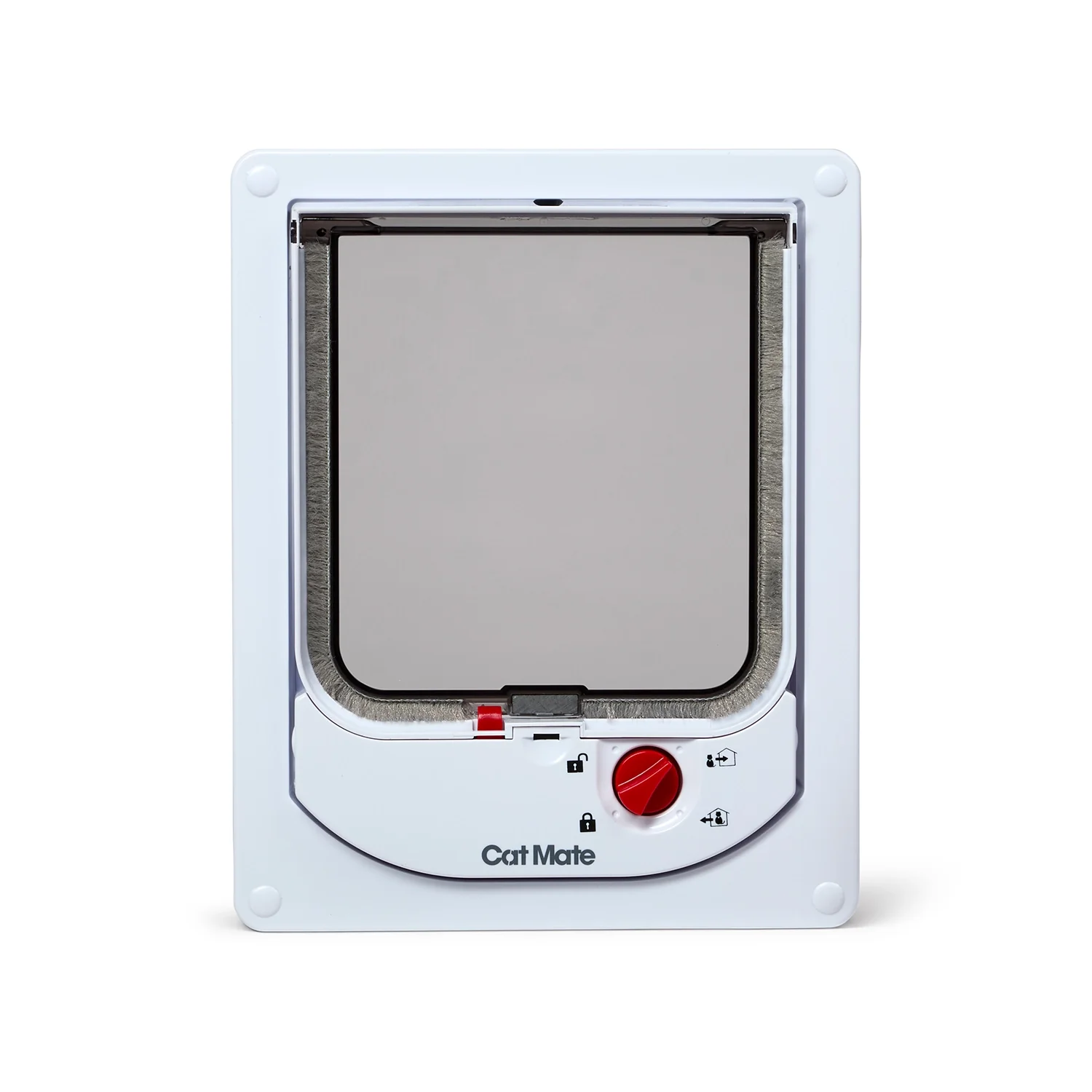
- Cat Mate Electromagnetic Cat Flap
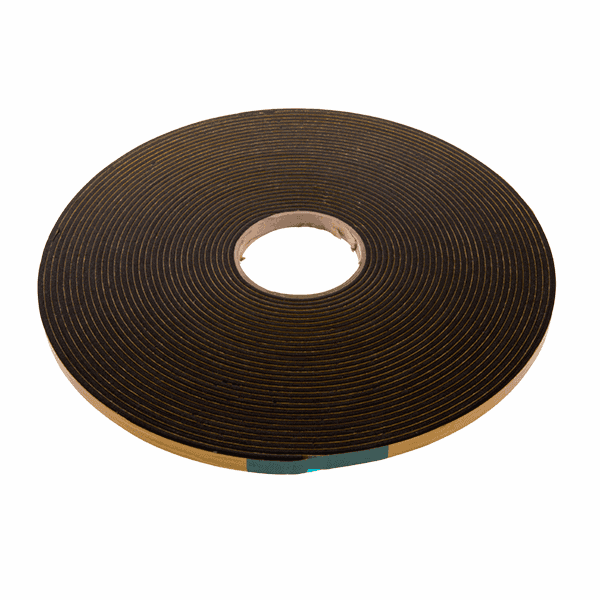
- E-Type Gasket - Black 5m Roll
- E-Type Gasket - Black (Per Metre)
- Structural Glazing Tape - 20mm
- Security Glazing Tape
Conclusion and next steps
Accurate measurement of your cat and the installation substrate is essential for a successful cat flap fit. Measure shoulder height and width, allow sufficient clearance for comfort and growth, and account for door or glass type when selecting the product. For glazed doors or sealed units engage a glazier; for composite or uPVC doors follow manufacturer templates and use suitable fixings.
Next steps: measure your cat and door in millimetres, consult product specifications for aperture and tunnel length, and review installation notes on our pet flaps pillar page: /guides/pet-flaps. If you are a trade professional planning a site install, order templates and confirm lead times for any replacement glass before scheduling the job.
Products mentioned in this article
Related articles
Replacing uPVC Door Panels with Cat Flap Panels: A Cleaner Solution
Replacing a uPVC door panel with a purpose-made cat flap panel is a practical way to give pets easier access while keeping the rest of the door intact. Whe...
Rented Property Cat Flap Options: What Landlords Need to Know
Rented Property Cat Flap Options: What Landlords Need to Know Installing a cat flap in a rented property can improve tenant satisfaction but it raises ques...
Dog Flap Insulation: Preventing Heat Loss Through Larger Pet Doors
Dog Flap Insulation: Preventing Heat Loss Through Larger Pet Doors Large dog flaps are convenient for owners and pets, but they create a significant therma...