
Replacing uPVC Door Panels with Cat Flap Panels: A Cleaner Solution
Replacing a uPVC door panel with a purpose-made cat flap panel is a practical way to give pets easier access while keeping the rest of the door intact. Whe...
Replacing a uPVC door panel with a purpose-made cat flap panel is a practical way to give pets easier access while keeping the rest of the door intact. Whether you are a homeowner looking for a clean, weatherproof solution or a trade professional fitting multiple jobs, choosing the correct panel and fitting it correctly will avoid draughts, security issues and warranty problems. This post covers what to check, how to measure, fitting techniques and trade tips for a reliable result.
Why replace a uPVC panel rather than cut into the door
Cutting directly into a uPVC door or glazed unit often damages the structural skin and can void manufacturer warranties. Replacing the whole panel with a factory-made cat flap panel preserves the door frame and multipoint locking mechanism; it also gives a neat factory finish and better thermal performance. Pre-fabricated cat flap panels are available to match common panel thicknesses and profiles; they tend to include proper seals, reinforcement and compatible fixing points.
Planning and measuring: what to check
- Measure the panel aperture accurately: width, height and thickness. Panel thickness commonly ranges from 28mm to 44mm depending on whether the panel is a double-glazed unit or a foam-filled solid panel; confirm the actual depth at the rebate.
- Identify the current panel type: double-glazed unit, acrylic, or foam-filled composite. Glazed units require greater care; replacing a glazed panel with a solid cat flap panel may change U-values and acoustic performance.
- Check if the door is a fire-rated or certified product: many fire doors must not be altered. If in doubt, consult the door manufacturer or a competent assessor.
- Decide the cat flap type and size: measured from shoulder to floor for cats is useful. Consider flaps with selective access locks if you need to prevent other animals from entering.
- For flats or leasehold properties, check covenants and building rules; some communal entries or listed buildings have restrictions.
Ordering the right cat flap panel
Order a bespoke panel that matches the external skin finish and internal colour where possible. Options include panels pre-cut to accept a cat flap or panels that integrate a factory-fitted flap assembly. When specifying, supply: aperture width and height, panel thickness, frame profile and whether the door is left or right hung. If unsure, photograph the existing panel and frame and send to your supplier for confirmation. For more information about pet flap options and sizes see our pillar resource: /guides/pet-flaps.
Removing the existing panel: practical steps
- Wear appropriate PPE: gloves, eye protection and dust mask when cutting or dealing with old sealant.
- Open the door and remove any decorative trims or beads that retain the panel. Use a beading tool or thin putty knife to lever beading gently; beading is often reversible so do not break it needlessly.
- If the panel is a glazed unit, undo the glazing packers or retaining clips; keep any screws and clips labelled for re-use if compatible with the new panel.
- For foam-filled panels that are mechanically fixed, remove screws from the inside edge; support the panel as you withdraw it to avoid damage to internal skins.
- Clean the rebate: remove old sealant, butyl or adhesive and check for frame damage. A clean, flat rebate provides a secure contact for the new panel.
Fitting the cat flap panel: trade and DIY guidance
Position the new panel into the rebate and check it sits flush on all edges. For factory-prepared cat flap panels align the flap centred to the panel opening; for panels where the flap is fitted on site, follow the manufacturer's template exactly. Key steps include:
- Dry-fit first: ensure screw locations and clips align with the frame. Do not use excessive force when seating the panel; uPVC skins can distort.
- Seal properly: use a continuous bead of neutral-cure silicone or butyl gasket tape around the rebate; many installers prefer low-expansion PU foam for larger gaps but apply sparingly to avoid bowing the panel.
- Use corrosion-resistant fixings such as A2 stainless steel screws where screw fixings are required; follow the panel supplier's torque recommendations to avoid crushing the profile.
- Fit additional packers where required to maintain even pressure and alignment with the outer face of the door.
- Trim any excess sealant and replace internal beading carefully; if the panel used new beads, fit them to manufacturer torque to prevent movement and water ingress.
- When installing the actual cat flap unit into a pre-cut panel, use the correct bolts and backplates supplied and ensure the flap's outer face has an overhang to repel rain; tight fixing reduces rattles and improves longevity.
Weatherproofing and security considerations
Cat flaps can be a source of draughts and security risk if poorly installed. Mitigate these issues with these measures:
- Choose flaps with brush seals or magnetic strips for better draught exclusion. Some flaps include foam seals around the frame; these are useful for uPVC installations.
- For vulnerable properties, use flaps with multi-mode locks: locked, outward only, inward only and fully open; this allows controlled access and adds a security layer.
- Fit an internal flap cover or security plate where required; for trade jobs recommend rated alternatives to customers where security is a priority.
- Ensure the panel is installed level; a tilted flap can allow water ingress and premature wear of the seal.
- Check the finished installation for leaks after heavy rain; retighten fixings and reseal any gaps with neutral cure silicone if necessary.
Trade tips and common pitfalls
- Always confirm whether the door warranty allows panel replacement; refer customers to the door manufacturer if uncertain.
- Do not attempt to fit a cat flap to a sealed glazing unit unless the unit is replaced or designed for such modification; replacing the whole panel is safer.
- Order a spare set of beading clips and screws with the panel to avoid delays on site.
- Use templates supplied by the flap manufacturer; jigsawing uPVC on site is possible but results are cleaner and faster with pre-cut panels.
- For trade installations, keep a checklist for each job: measurements, panel spec, flap model, fixings, seals and client sign-off to prevent call-backs.
Recommended Products
Based on this article, you may find these products helpful:
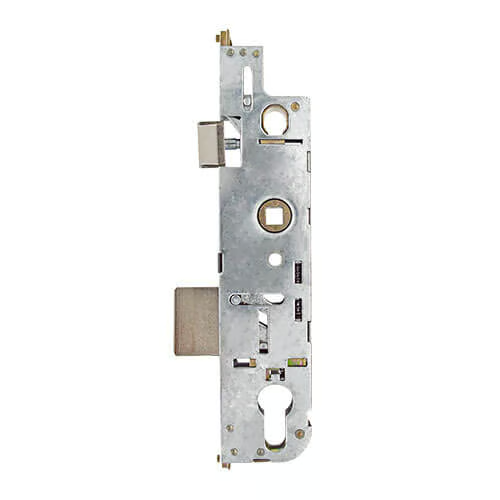
- Multipoint Gearbox GU Old Style
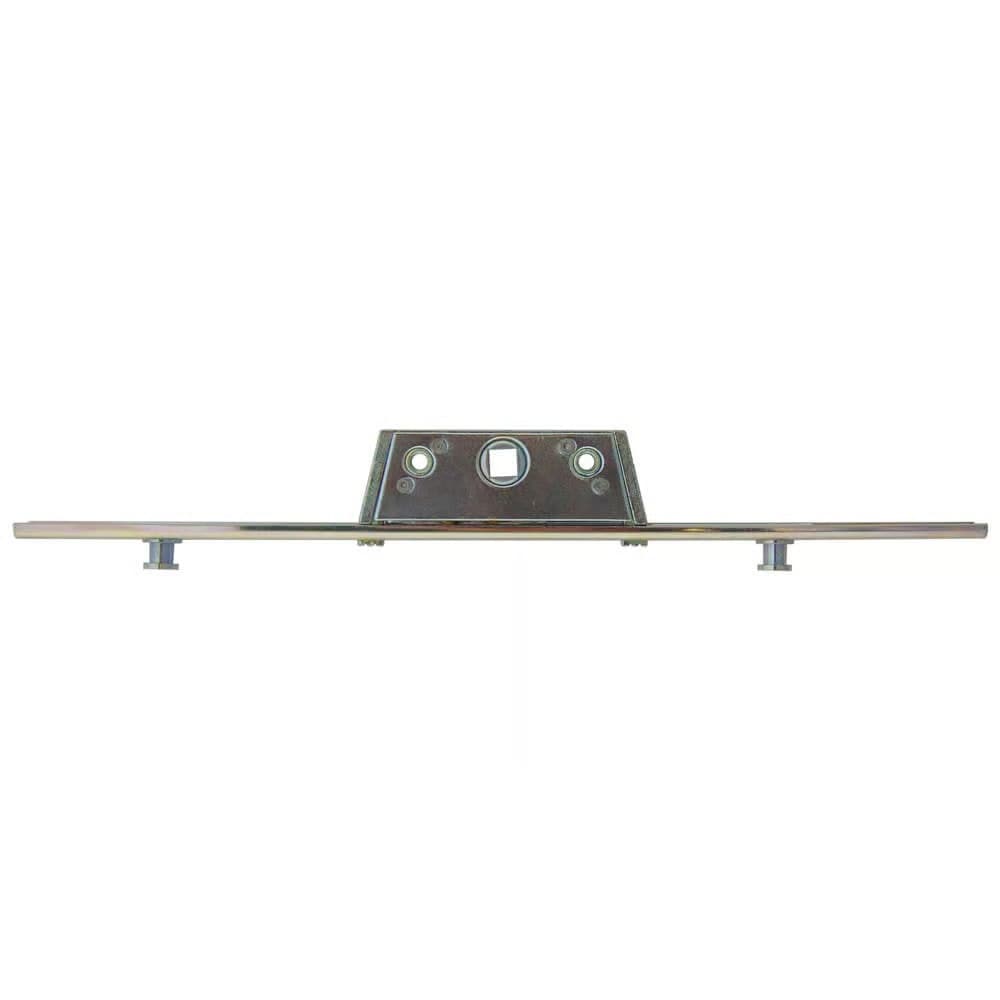
- In-Line Window Mechanism
- Offset Window Mechanism
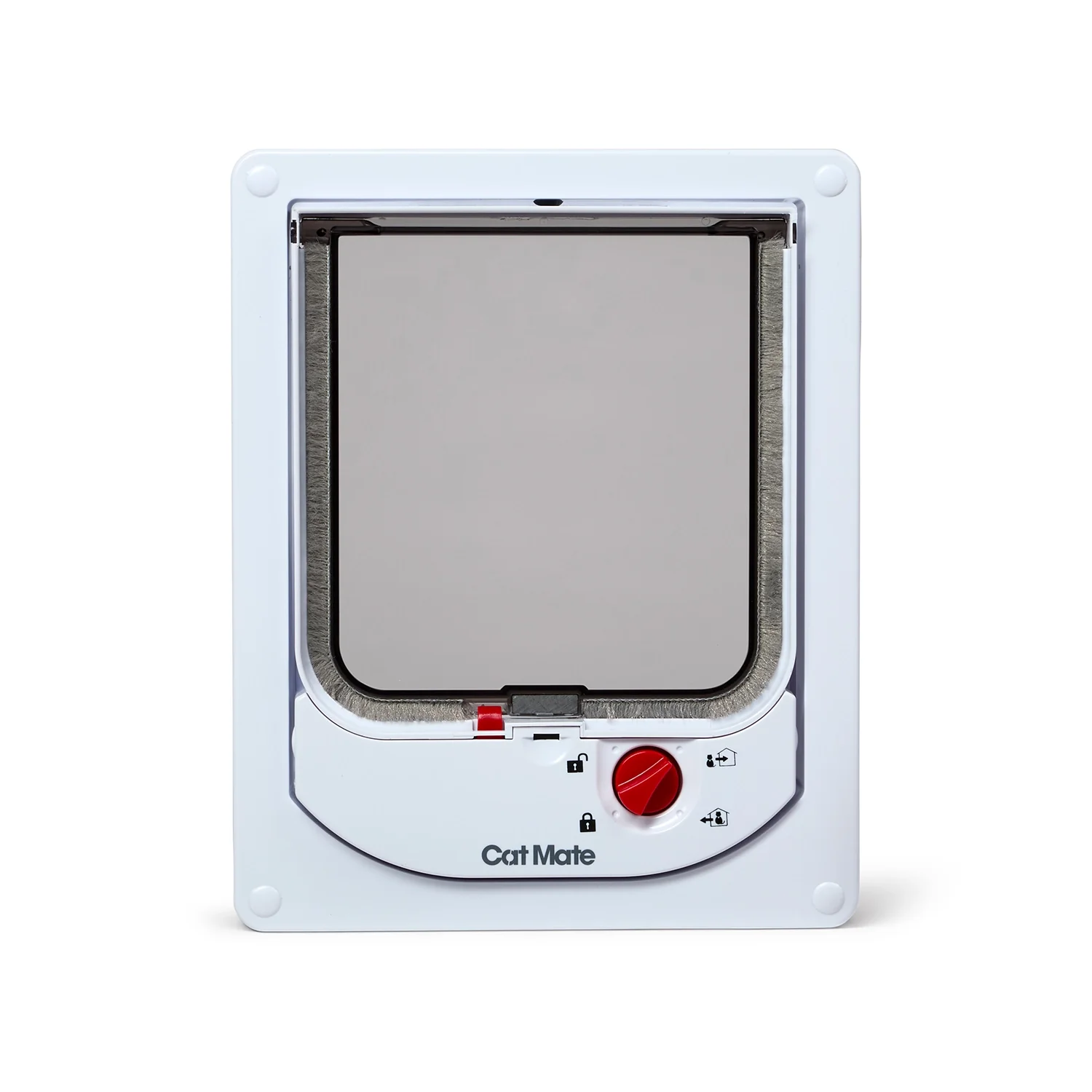
- Cat Mate Electromagnetic Cat Flap
- E-Type Gasket - Black 5m Roll
Conclusion and next steps
Replacing a uPVC door panel with a dedicated cat flap panel provides a tidier, more secure and thermally efficient solution than cutting into the existing door. Accurate measurement, correct specification and careful sealing are essential to a successful installation. For more technical specifications and sizing advice on cat flaps, visit our pet flap resource at /guides/pet-flaps. If you are unsure about fire-rating, warranty implications or require bespoke panels, contact a certified supplier or the door manufacturer before proceeding.

Related articles
Rented Property Cat Flap Options: What Landlords Need to Know
Rented Property Cat Flap Options: What Landlords Need to Know Installing a cat flap in a rented property can improve tenant satisfaction but it raises ques...
Dog Flap Insulation: Preventing Heat Loss Through Larger Pet Doors
Dog Flap Insulation: Preventing Heat Loss Through Larger Pet Doors Large dog flaps are convenient for owners and pets, but they create a significant therma...
Best Dog Flaps for Large Breeds: Labradors, German Shepherds and More
Best Dog Flaps for Large Breeds: Labradors, German Shepherds and More Choosing the right dog flap for large breeds requires more than picking the biggest o...