
Dog Flap Insulation: Preventing Heat Loss Through Larger Pet Doors
Dog Flap Insulation: Preventing Heat Loss Through Larger Pet Doors Large dog flaps are convenient for owners and pets, but they create a significant therma...
Large dog flaps are convenient for owners and pets, but they create a significant thermal weakness in doors, walls and glazing. This article explains how heat is lost through larger pet doors; what to consider when specifying and installing insulated solutions; and practical trade and DIY methods to reduce draughts, condensation and running costs while maintaining pet access and security.
Why larger dog flaps increase heat loss
An opening in a door or wall interrupts the insulation barrier provided by the surrounding construction. Heat transfer increases through three main mechanisms: conduction through the flap and frame; convection via air movement around imperfect seals; and radiation across any uninsulated cavity. Larger flaps magnify each effect because there is a greater area of exposed material and potentially longer sealing runs. In double-glazed doors, cutting or replacing a sealed unit with a pet flap changes the unit's U-value; in walls, a poorly insulated tunnel or sleeve becomes a thermal bridge.
Types of dog flap designs and their thermal performance
Selecting the right product is the first line of defence:
- Single flexible flaps: low cost and lightweight; typical for small dogs; limited thermal performance due to single-skin PVC or rubber.
- Double-flap systems: two flexible flaps with a small air gap between them; better at reducing draughts and heat loss.
- Rigid insulated flaps: a panel with foam core or multi-layer construction; higher thermal resistance and often lockable for night security.
- Through-glass units: factory-made insulated glazed units with a pet opening; retain much of the VG seal integrity when supplied by a competent glazing company.
- Through-wall tunnels: create a vestibule or buffer zone; combined with insulated sleeves and internal covers they provide the best thermal control for large dogs.
Trade advice: specifying for doors, glazing and walls
When specifying for trade installation, consider these technical points:
- U-values and thermal break: choose flaps or frames with known thermal properties. For larger openings, specify products with thermal breaks or insulated frames to avoid cold bridging.
- Compatibility with door hardware: on uPVC and composite doors ensure reinforcement bars are not removed; confirm compatibility with multipoint locks. For metal doors use appropriate self-tapping screws or rivets and check for galvanic corrosion between fixings and frame.
- Sealing systems: prefer dog flaps with multiple seals such as brush pile plus an EPDM gasket; magnetic closures help ensure a tight seal on flexible flaps.
- Through-glass installations: replace the sealed double-glazed unit with a purpose-made unit incorporating the pet door; avoid post-install drilling of IGUs as this destroys the seal and voids performance.
- Through-wall installs: specify insulated tunnel sleeves made from closed-cell foam or PIR board; ensure the sleeve is continuous and incorporates a damp-proof membrane where required.
- Security: larger openings can weaken a door; specify lockable covers or reinforced panels where appropriate and check that locks do not interfere with the door's multipoint system.
DIY guidance: practical steps to reduce heat loss
Homeowners fitting a dog flap can follow these practical steps to improve thermal performance:
- Measure carefully: position the flap so the pet steps naturally and allow 20 to 30mm clearance above the pet's back. Use the manufacturer's template and double-check measurements before cutting.
- Choose the right product: for cold climates or large openings select a double-flap, an insulated rigid panel or a unit with magnetic and brush seals.
- Preparation and cutting: for uPVC and timber doors use the correct blades and fast speeds; for composite doors follow manufacturer guidance as internal foam cores can be damaged. For metals use pilot holes and step drill bits to avoid distortion.
- Insulate cavities and tunnels: if fitting through an external wall, install an insulated sleeve. Use closed-cell spray foam for small gaps and rigid PIR or PU board for larger cavities; avoid leaving voids which will allow cold air circulation.
- Seal all joints: use neutral cure silicone around frames for a flexible, weatherproof seal; apply flood-fill expanding foam sparingly where structural cavities exist, then trim and over-seal with silicone or plaster as required.
- Temporary covers and night seals: fit a removable insulated cover or lockable panel for overnight use to reduce heat loss when the flap is not required.
Installation tools, materials and maintenance
Common tools and materials for trade and DIY installations:
- Tools: jigsaw with fine-tooth blades, step drill bits, power drill, spirit level, silicone gun, utility knife and clamps.
- Materials: manufacturer template, insulated sleeve or PIR board, closed-cell foam, neutral silicone, stainless steel fixings and brush or EPDM seals.
- Maintenance: clean seals regularly with a mild detergent; check brush seals for wear; replace magnetic strips if adhesion weakens; reapply silicone if gaps appear. Regular maintenance maintains thermal and security performance.
Practical examples and troubleshooting
Typical problems and fixes:
- Draughts around the frame: add a continuous EPDM gasket, top-up with silicone and check screw tensions; ensure the frame is not distorted during installation.
- Condensation in a through-wall tunnel: increase internal insulation and provide a small drainage or weep point; avoid creating completely airtight cold cavities.
- Reduced sealing on flexible flaps: upgrade to magnetic closure or add a weighted bottom bead to ensure the door returns to the closed position.
- Loss of glazing performance: replace the full IGU with a specialist pet-flap unit supplied by a glazing company to maintain the original sealed unit performance and warranty.
Cost vs performance: choosing the right compromise
Higher-performance dog flaps cost more but repay in reduced heat loss and lower energy bills, particularly for large openings. Through-wall insulated tunnels and rigid insulated panels provide the best long-term value for large dogs; for smaller openings a quality double-flap with magnetic closure often suffices. Trade installers should offer customers options with clear information on likely U-value changes and expected energy impacts.
Recommended Products
Based on this article, you may find these products helpful:
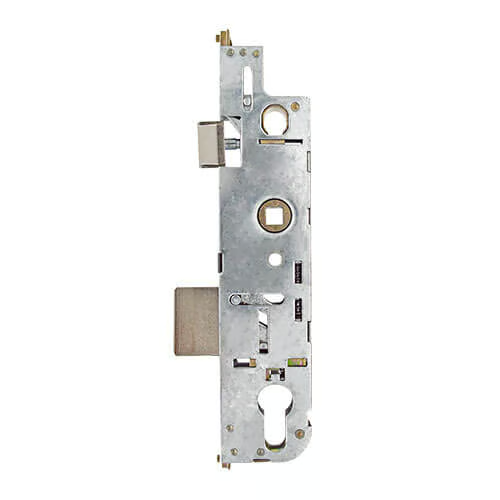
- Multipoint Gearbox GU Old Style
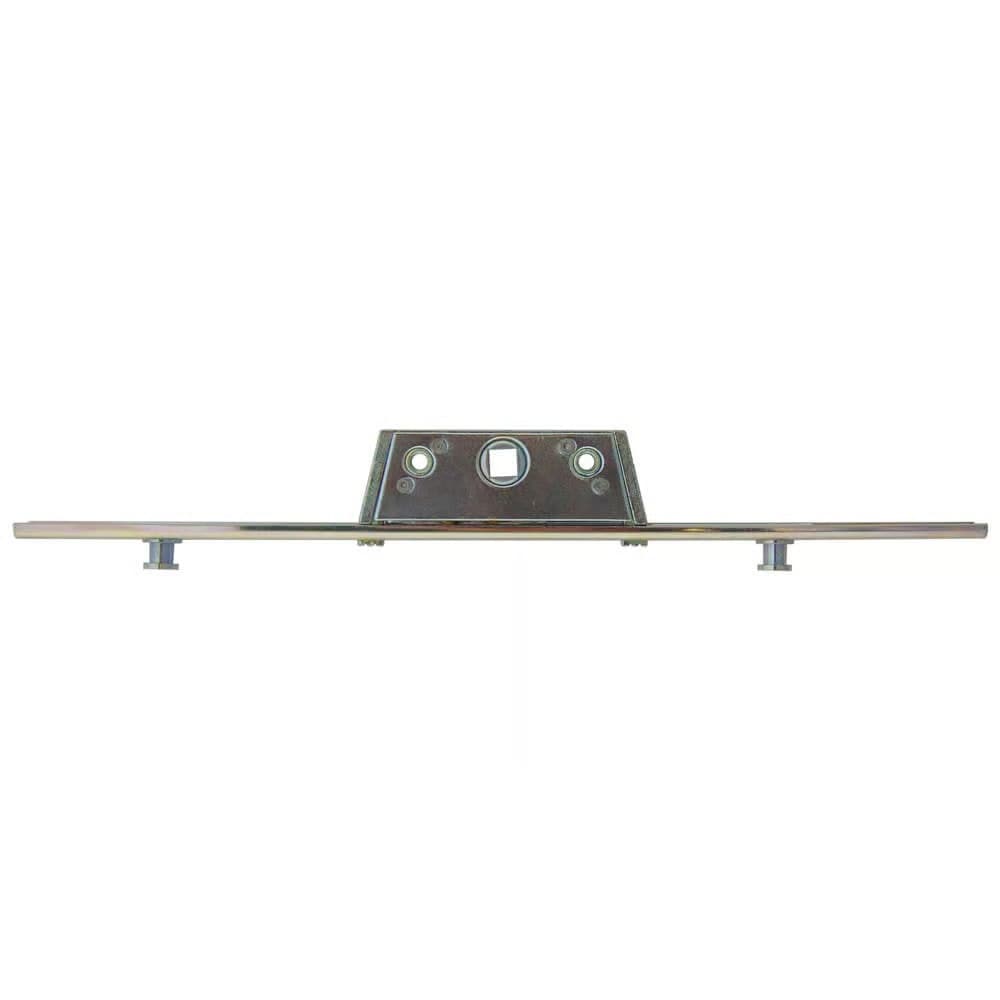
- In-Line Window Mechanism
- Offset Window Mechanism
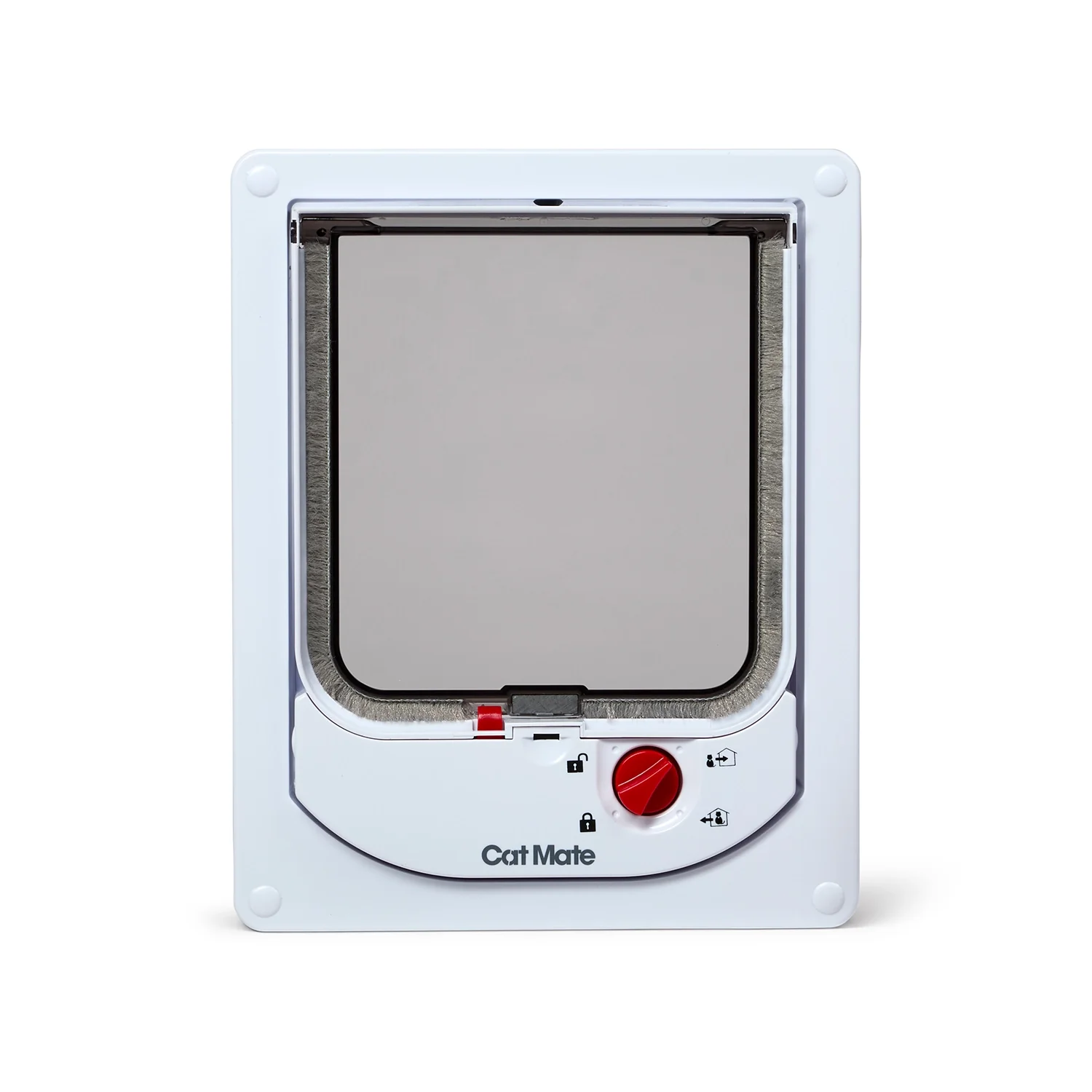
- Cat Mate Electromagnetic Cat Flap
- E-Type Gasket - Black 5m Roll
Conclusion and next steps
Addressing heat loss through larger pet doors requires a combination of correct product selection, careful installation and ongoing maintenance. For the best results specify insulated frames, multi-seal systems and, where practicable, an insulated tunnel for through-wall installations. If you are a homeowner preparing for a DIY fit check door or wall construction and consider professional help for glazing or structural work. Trade professionals can reference detailed product data sheets and U-value calculations when advising clients.
For further technical resources and product recommendations visit our pillar page on pet flaps: /guides/pet-flaps or contact our technical team for bespoke advice on large dog flap installations and thermal performance.

Related articles
Rented Property Cat Flap Options: What Landlords Need to Know
Rented Property Cat Flap Options: What Landlords Need to Know Installing a cat flap in a rented property can improve tenant satisfaction but it raises ques...
Replacing uPVC Door Panels with Cat Flap Panels: A Cleaner Solution
Replacing a uPVC door panel with a purpose-made cat flap panel is a practical way to give pets easier access while keeping the rest of the door intact. Whe...
Best Dog Flaps for Large Breeds: Labradors, German Shepherds and More
Best Dog Flaps for Large Breeds: Labradors, German Shepherds and More Choosing the right dog flap for large breeds requires more than picking the biggest o...