
Rented Property Cat Flap Options: What Landlords Need to Know
Rented Property Cat Flap Options: What Landlords Need to Know Installing a cat flap in a rented property can improve tenant satisfaction but it raises ques...
Rented Property Cat Flap Options: What Landlords Need to Know
Installing a cat flap in a rented property can improve tenant satisfaction but it raises questions about consent, building fabric, security and fire safety. This post covers practical options, technical considerations for doors and windows, DIY and trade installation guidance, and landlord responsibilities. For more product choices and technical datasheets see our pillar page: /guides/pet-flaps.
Legal and tenancy considerations
Landlords must check the tenancy agreement before any alteration. Many agreements require landlord consent for structural or irreversible changes; a cat flap that requires cutting a door or window profile normally counts as such an alteration. If a tenant requests a cat flap, agree in writing who pays for installation, future maintenance and whether the flap must be removed at the end of the tenancy.
For leasehold or flats in blocks, obtain permission from the freeholder or management company before changing communal doors or exterior glazing. Listed buildings and properties in conservation areas have additional restrictions; a local authority or conservation officer should be consulted.
Cat flap types and the right choice for rented property
Choose a type based on the door or wall construction and the security needs of the property:
- Simple flap with magnetic or spring closure: cheap and easy to fit to many doors; not selective and allows any animal to use it.
- Microchip or RFID selective flap: reads the pet's microchip or an RFID collar tag; reduces stray ingress and neighbour cats using the flap.
- One-way flaps: allow exit only or programmable lock modes; useful when tenants want to restrict entry for a period.
- Tunnel or wall flaps: for brick or cavity walls; fit insulated tunnel sleeves to maintain thermal performance.
- Glazed unit pet doors: bespoke double-glazed units with an integrated pet flap; best for retaining U-value and warranty when replacing glass.
Installation guidance for common doors and windows
Always follow manufacturer templates and instructions. Below are practical notes by substrate.
- uPVC doors and panels: Most uPVC panels can accept a cat flap but avoid cutting into reinforcement channels, hinge areas or locking zones. Remove the door, clamp it securely and use the manufacturer's template. Many manufacturers supply bespoke kits for uPVC; these preserve weather seals and reduce the risk of splitting the skin. If in doubt, fit the flap into a replaceable inset panel rather than the main leaf.
- Composite doors: Composite doors often have a foam core with GRP skins. Use manufacturer-approved cat flap kits so warranty and security are not compromised. Cutting without a kit can affect fire and weather performance.
- Timber doors: Solid timber is straightforward to router or jigsaw to size. Plane and seal edges to prevent moisture ingress. Fit draught strips and check the lock and bolt clearances before cutting.
- Aluminium doors: Use specialist saw blades for clean cuts and avoid cutting through thermal break zones. Aluminium extrusions may contain internal chambers or seals; follow manufacturer guidance.
- Glass and double glazing: Never cut a sealed double-glazed unit on site. Replace the sealed unit with a factory-fitted pet flap glazed unit; this preserves insulation and avoids condensation and warranty problems. Use a Glazing Association registered installer if required.
- Brick or cavity walls: Wall flaps require a core-drilled or coring approach to form a tunnel sleeve. Ensure sleeve insulation, damp-proofing and a bird/rodent guard. Avoid passing through load-bearing lintels or underfloor structural elements without assessment.
Security, insulation and fire safety
Security: many cat flaps are lockable or selective. For rented properties, consider an RFID or microchip unit to prevent unwanted animal access and to reduce noise and disturbance. Ensure the flap does not weaken the door's locking area; avoid installing near multi-point locks or hinge reinforcement plates.
Insulation: uninsulated flaps create heat loss. Use flaps with magnetic seals, draught strips and insulated tunnel sleeves for wall installs. For glazed replacements, choose low U-value units designed for pet access.
Fire safety: do not install a cat flap in a recognised fire door. Fire doors have specific construction and certification; any alteration will invalidate the fire rating and may breach Building Regulations. Likewise, communal entry doors in blocks must not be modified; consult the managing agent.
Trade tips and DIY pointers
- Always use the manufacturer template and measure the pet. Cat flaps come in different aperture sizes; match to the pet rather than using a generic size.
- For uPVC and composite doors: remove the door and work on a bench for better control and a cleaner finish. Use a plunge router with a bearing-guided cutter for smooth edges.
- For wall installations: core drill the external face first, then form the internal lining. Fit an insulated sleeve and seal both faces with a breathable silicone to prevent moisture bridging.
- When replacing a glazed unit: order the pet-glazed unit to match the frame bead profiles. A competent glazier will ensure the unit is properly bedded and sealed.
- Document any agreed alterations with the tenant: add a simple reinstatement clause to the tenancy agreement if the landlord requires the flap to be removed at the end of tenancy. Photograph the pre-installation condition to avoid disputes.
- Keep spare parts and an instruction sheet for tenants: flaps with batteries need simple maintenance and periodic cleaning of the magnetic sensor or microchip reader.
Costs and maintenance
Costs vary by type: simple fittings from trade suppliers start low, whereas microchip or bespoke glazed unit replacements cost more. Wall penetrations and U-value-preserving glazed units increase labour and material costs. Factor in potential reinstatement costs and any fee for freeholder permission if applicable.
Maintenance is minimal: clean the flap and seals, replace batteries for powered or electronic units, and check for draughts. For microchip flaps, re-program if the pet's microchip is replaced or if the owner changes pets.
Recommended Products
Based on this article, you may find these products helpful:
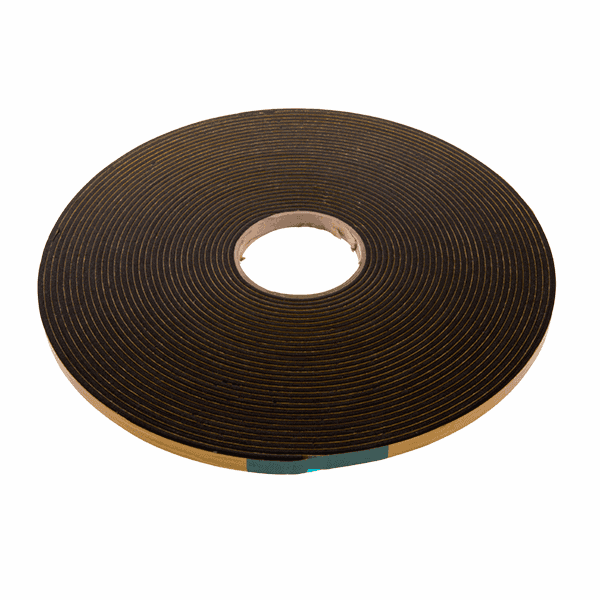
- Structural Glazing Tape - 20mm
- Security Glazing Tape
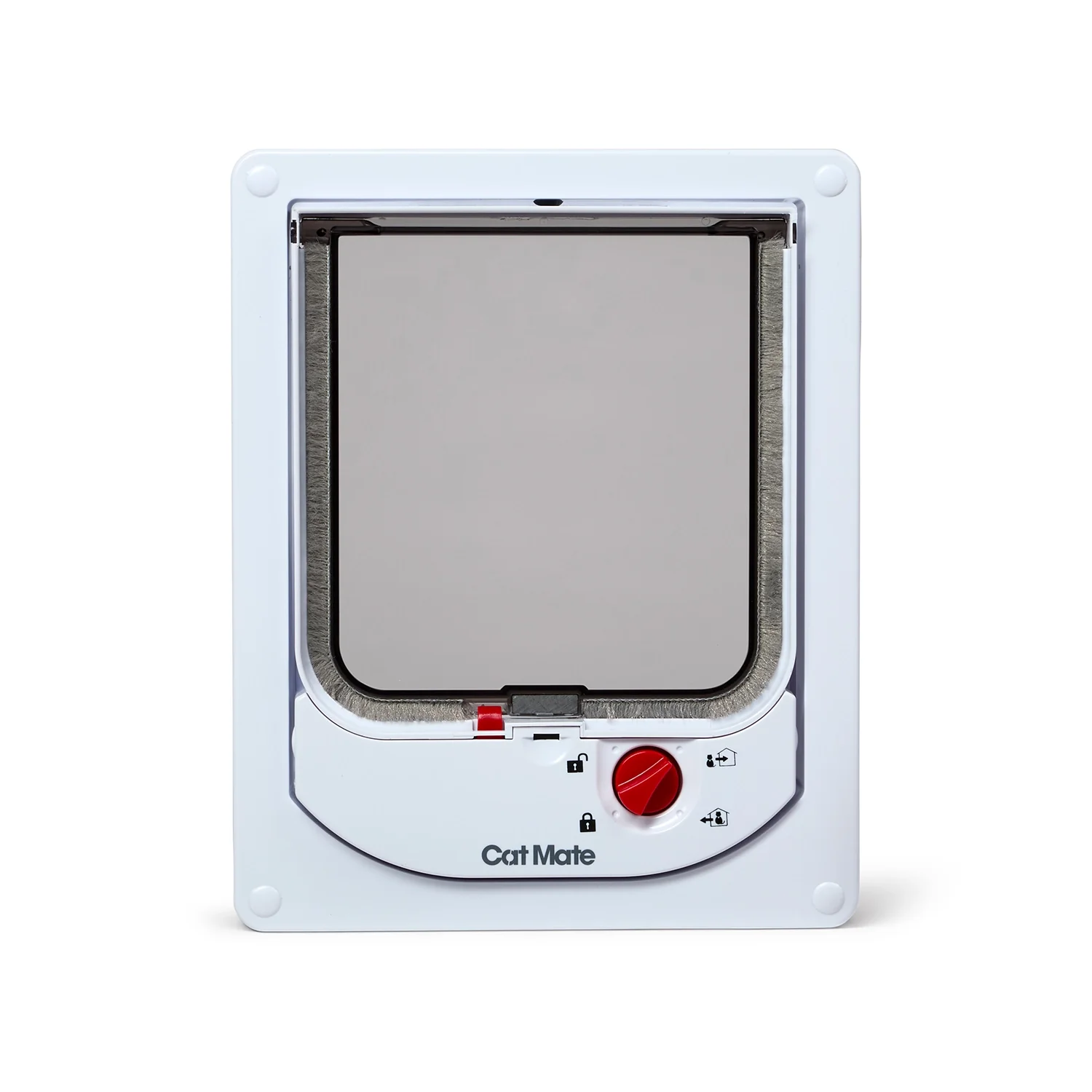
- Cat Mate Electromagnetic Cat Flap
- E-Type Gasket - Black 5m Roll
- E-Type Gasket - Black (Per Metre)
Conclusion and next steps
Landlords should balance tenant needs with legal, security and thermal performance concerns. Start by checking the tenancy agreement and consult the freeholder or management company if relevant. Choose a cat flap type suited to the door or wall construction: selective microchip units for security, glazed-unit replacements for windows, and insulated tunnels for walls. For installations that affect fire doors, glazing, or communal elements, use a specialist tradesperson and get written approvals.
Next steps: discuss the request with the tenant, decide who pays and whether reinstatement will be required, select a reputable product and installer, and document permissions. If you need product recommendations or installation services, contact our trade team via the pet flaps page for datasheets and approved installers.
Products mentioned in this article
Related articles
Replacing uPVC Door Panels with Cat Flap Panels: A Cleaner Solution
Replacing a uPVC door panel with a purpose-made cat flap panel is a practical way to give pets easier access while keeping the rest of the door intact. Whe...
Dog Flap Insulation: Preventing Heat Loss Through Larger Pet Doors
Dog Flap Insulation: Preventing Heat Loss Through Larger Pet Doors Large dog flaps are convenient for owners and pets, but they create a significant therma...
Best Dog Flaps for Large Breeds: Labradors, German Shepherds and More
Best Dog Flaps for Large Breeds: Labradors, German Shepherds and More Choosing the right dog flap for large breeds requires more than picking the biggest o...