
The Complete Guide to Cat Flap Types: Manual, Magnetic and Microchip Compared
The Complete Guide to Cat Flap Types: Manual, Magnetic and Microchip Compared will help homeowners and trade professionals choose the correct solution for ...
The Complete Guide to Cat Flap Types: Manual, Magnetic and Microchip Compared will help homeowners and trade professionals choose the correct solution for a variety of doors and windows. A cat flap is more than a hole in a door; when selected and installed correctly it balances pet freedom with weatherproofing and security. Below are the pros, cons and practical installation advice for the main cat flap types used across the UK.
Manual cat flaps: simple, economical and robust
Manual cat flaps are the original and simplest option: a basic swinging flap with a mechanical lock or four-way slider: in only, out only, locked, or free. They suit homeowners wanting a low-cost, low-maintenance solution and tradespeople fitting standard timber or composite doors.
- Best uses: internal doors, wooden external doors, conservatory doors and sheds.
- Advantages: inexpensive; no batteries or electronics; easy to repair or replace seals and flaps.
- Drawbacks: not selective; any animal can use the flap; limited security unless fitted with a good locking mechanism.
DIY guidance for manual installation: measure your cat from nose to tail and shoulder height to determine the template position. Transfer the manufacturer’s template to the door at a comfortable height; centre and square it. For timber or composite doors use a jigsaw after drilling starter holes; use a sharp wood blade and make cut-outs from both faces to reduce splintering. Fit the frame with stainless steel screws and silicone sealant to weatherproof the perimeter. If fitting to a multipoint-locking door such as uPVC or composite, avoid cutting into the lock area; consider a specialist trade fitter if unsure.
Magnetic cat flaps: collar-activated selective access
Magnetic cat flaps use a small magnet on a collar to unlock the flap as the cat approaches: only animals wearing the magnet can enter. They provide a simple selective solution without electronics; they are ideal when you want to exclude stray cats but not invest in microchip technology.
- Best uses: households with a single or few cats; locations where collars are acceptable and safe.
- Advantages: relatively low cost; reliably selective if the collar is worn; no batteries in the flap for some models.
- Drawbacks: collars can fall off or catch; not suitable for cats that dislike wearing collars; magnet range is limited so positioning matters.
Trade and DIY tips: ensure you stock replacement collars and magnets; fit the flap so the magnet pickup aligns with typical approach angles. If installing into uPVC or composite doors, use screws provided by the manufacturer; for uPVC sheet material it is sometimes better to use tapered screws or rivets to avoid cracking. For glazing panels, do not attempt to cut sealed double-glazed units: replace the glass with a pre-cut panel or have a specialist cut and reseal the unit.
Microchip cat flaps: precision access using RFID
Microchip flaps read the cat’s implanted RFID chip or a compatible collar tag to grant access only to registered animals. They are the most sophisticated solution for security and to prevent unwanted visitors; features often include programmable locking modes, multiple pet profiles and timed locking.
- Best uses: multi-cat households; properties concerned about stray animals; where remote locking or logging is required.
- Advantages: highly selective; no collar required if your cat has an implanted microchip; many models are weatherproof and battery-operated with low power consumption.
- Drawbacks: higher cost; some microchips are older and incompatible with certain readers; batteries need periodic replacement or models can be wired to mains with a trade-grade adaptor.
Technical considerations: confirm your cat’s microchip frequency and ID format; installers should test the flap with the pet’s chip before completing the fit. Sensor read-range is typically 10 to 30 mm, so frame depth and orientation matter. For trade fittings into doors with insulating cores, use tunnel kits provided by manufacturers to preserve thermal performance. If wiring for a mains-supplied unit, comply with Part P regulations where applicable and ensure any external connections are IP-rated.
Practical installation and hardware considerations
Choosing the right cat flap often depends on the door or window material. Key points for traders and DIYers:
- uPVC doors and windows: avoid cutting sealed units or weakening reinforced sections; use specialist uPVC cat flaps designed for these profiles and the correct fixings to maintain multi-point locking integrity.
- Composite and insulated doors: do not cut through the locking mechanism. If the cavity contains reinforcement, seek manufacturer guidance; some composite door warranties are voided by unauthorised cutting.
- Timber doors: easier to cut but treat exposed timber with primer and sealant; fit an internal tunnel if the door is thicker than standard flaps are designed for.
- Glazed doors and panels: replace glass units with a panel pre-cut for a cat flap; use a glazing specialist to maintain thermal and security performance.
- Metal and aluminium: these require specialist tools and fixings; rivets or self-tapping metal screws are common; recommend trade installation if you do not have the correct cutters or blades.
Maintenance, troubleshooting and trade aftercare
Routine checks extend the life of any cat flap: clean seals, check for wear on flaps, and replace batteries on electronic models. For microchip flaps, carry out a registration check after battery changes and keep a small stock of common batteries, seals and spare collars for trade customers. If pets have trouble using the flap, check alignment, clearance and sensitivity settings; for magnet and RFID systems increase read sensitivity before altering positioning.
Recommended Products
Based on this article, you may find these products helpful:
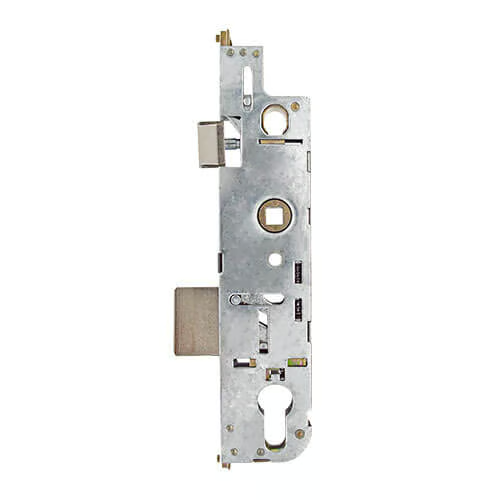
- Multipoint Gearbox GU Old Style
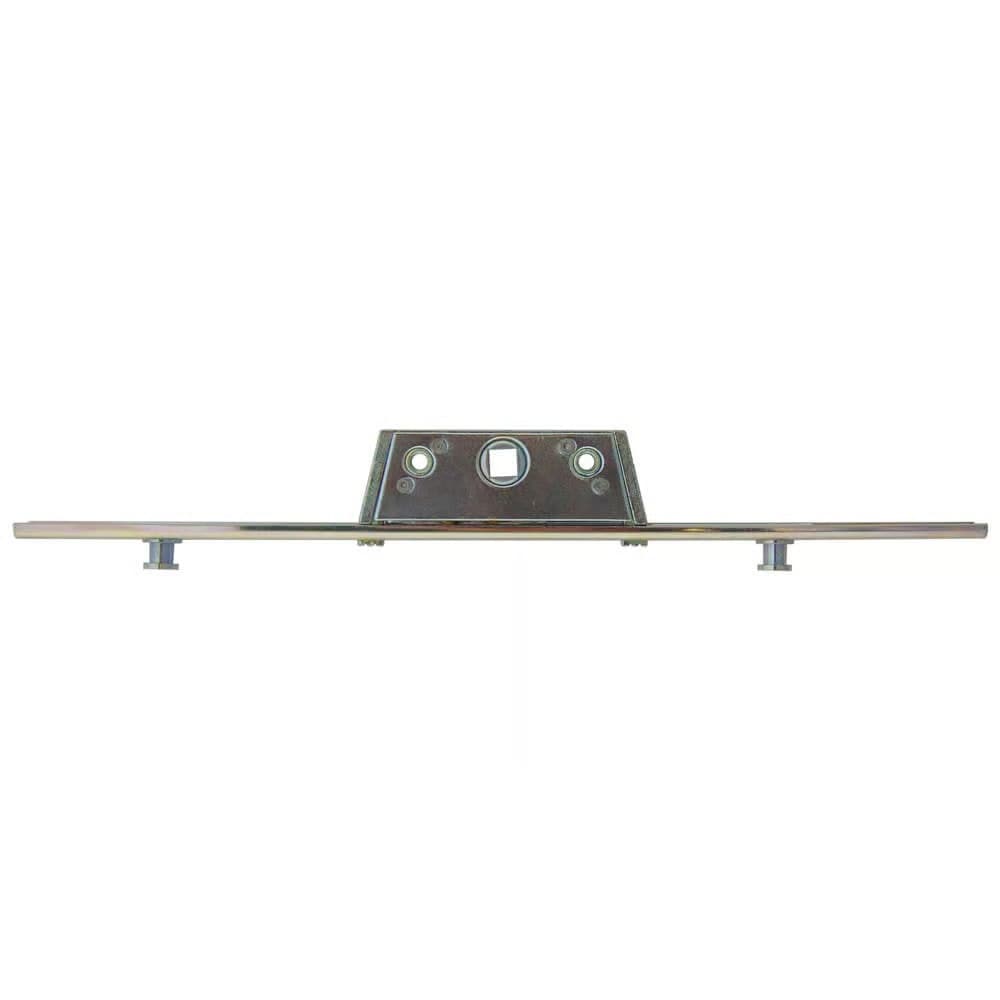
- In-Line Window Mechanism
- Offset Window Mechanism
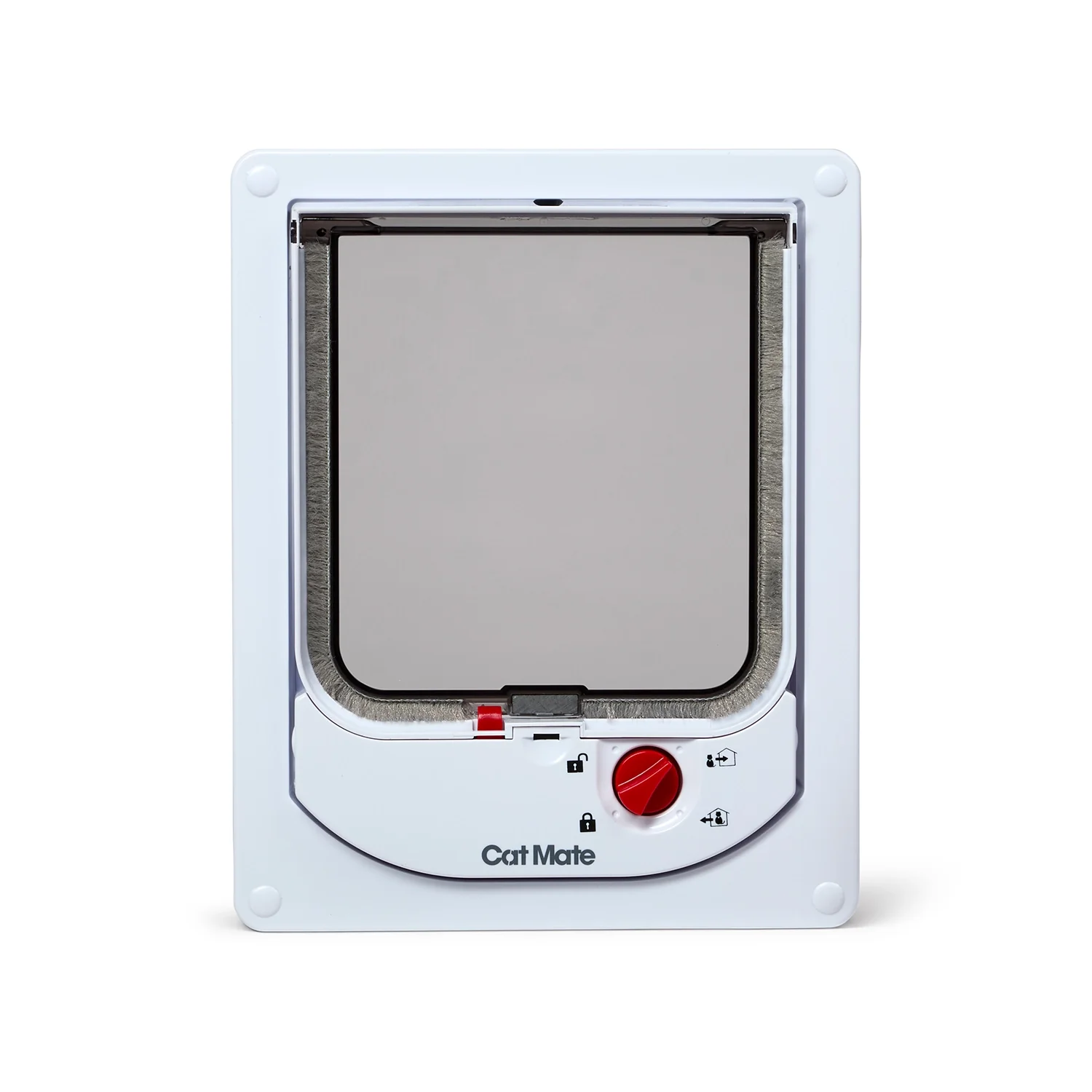
- Cat Mate Electromagnetic Cat Flap
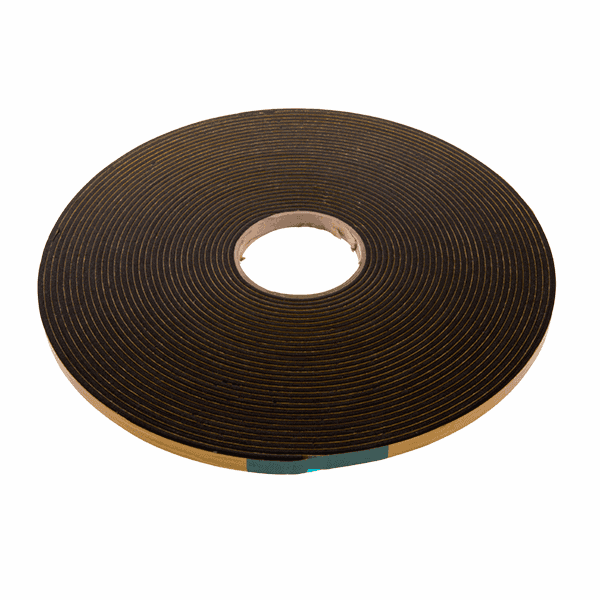
- Structural Glazing Tape - 20mm
Conclusion and next steps
Choosing between manual, magnetic and microchip cat flaps depends on budget, security requirements and the door or window type. Tradespeople should assess door construction before committing to a cut; homeowners should confirm microchip compatibility and consider collar safety. Next steps: measure your pet accurately, inspect the door or panel construction, and select a cat flap model rated for the material. If the door is uPVC, aluminium or a fire door, consult a trade fitter or manufacturer for a compliant solution; for timber and basic composite doors, follow manufacturer templates and seal all cut edges to retain thermal performance and weatherproofing.

Related articles
Rented Property Cat Flap Options: What Landlords Need to Know
Rented Property Cat Flap Options: What Landlords Need to Know Installing a cat flap in a rented property can improve tenant satisfaction but it raises ques...
Replacing uPVC Door Panels with Cat Flap Panels: A Cleaner Solution
Replacing a uPVC door panel with a purpose-made cat flap panel is a practical way to give pets easier access while keeping the rest of the door intact. Whe...
Dog Flap Insulation: Preventing Heat Loss Through Larger Pet Doors
Dog Flap Insulation: Preventing Heat Loss Through Larger Pet Doors Large dog flaps are convenient for owners and pets, but they create a significant therma...