
How to Replace a Window Gearbox: Step-by-Step Instructions
How to Replace a Window Gearbox: Step-by-Step Instructions What a window gearbox does and when to replace it A window gearbox converts the rotation of a ha...
How to Replace a Window Gearbox: Step-by-Step Instructions
What a window gearbox does and when to replace it
A window gearbox converts the rotation of a handle into linear movement of an espagnolette rod; it is the central mechanism that locks and unlocks a casement or tilt-and-turn window. Symptoms of a failing window gearbox include a loose or slipping handle, grinding noises, the handle turning with little or no response, or the locking hooks not engaging with the keeps. Replace the gearbox when wear has caused excessive play, teeth have stripped, or there is corrosion that cannot be cleaned out.
Tools, materials and safety
- Tools: cross‑head and Pozidriv screwdrivers, 4mm and 5mm hex keys, flat screwdriver, pliers, centre punch, drill and small bits (for stubborn rivets), torque screwdriver or adjustable torque driver.
- Materials: matching replacement window gearbox, anti-corrosion screws or pop rivets as required, lithium or EP grease, threadlocker for steel screws if appropriate, replacement espagnolette rod or springs if necessary.
- Safety: safety glasses and gloves; work on a stable ladder or stepladder; if handling heavy sashes use two people. If the window is on a higher floor consider hiring a trade professional.
Identify and source the correct replacement gearbox
Before removing anything, identify the gearbox you need. Important measurements and details:
- Spindle shape and size: common sizes are 7mm or 8mm square; confirm whether the spindle is fully square or has a flattening. Measure with callipers if unsure.
- Backset and centre distances: measure the distance from the spindle centre to the edge of the gearbox and the screw centre distances; many gearboxes use standard centres such as 35mm or 45mm but variations exist.
- Handing: note whether the gearbox is left or right handing; flip the sash and handle position to be sure.
- Operation type: single lock point or multi‑point espagnolette; some gearboxes integrate with rods and hooks rather than rollers or cams.
Match the replacement by brand and type where possible. If the exact part is not available, a universal gearbox with the same spindle and screw centres can work; trade suppliers can often offer compatible alternatives.
Step-by-step removal of the old gearbox
- Open the window to a comfortable working angle and support the sash if required. Note the orientation of the handle and locking points before removal.
- Remove the handle: detach the grub screw or cover screw on the handle rose and pull the handle off the spindle. Keep screws and components together.
- Remove any decorative covers or bonnet that hides the gearbox. These are usually clipped or screwed in place.
- Disconnect the espagnolette rod and any linkages: some rods are pop‑riveted or bolted to the gearbox. Mark rod position with a pencil for reassembly; if removing rivets you will need to replace them or use screws.
- Unscrew or drill out the fasteners holding the gearbox to the sash. Keep a note of fastener positions; some are different lengths.
- Slide the gearbox out of the window frame. If it is seized from corrosion use penetrating fluid and gentle levering; avoid bending the sash face.
Inspect related components and carry out trade checks
Once the gearbox is out inspect the espagnolette rod, keeps and striker plates. Look for:
- Rusted or corroded rods and keeps that can cause new gearboxes to bind.
- Worn locking hooks or rollers; a new gearbox will not cure problems caused by worn keeps.
- Worn or loose handle bushes and spindle sleeves.
Trade tip: replace the pair on a pair of windows at the same time; matching wear keeps operation consistent and avoids repeat callouts.
Fitting the new gearbox: correct alignment and lubrication
- Apply a light smear of lithium or EP grease to the gearbox spindle and moving parts; avoid thin oils that migrate away. Do not use silicone spray inside the gearbox; it can attract dirt and impair grease.
- Position the new gearbox in the sash and loosely fit the fixing screws so you can move it for final alignment.
- Reconnect the espagnolette rod and any linkage in the marked position. If the rod was damaged fit a new one; ensure the connection is secure and free of slop.
- With the gearbox installed but screws loose, operate the handle through full travel and observe the action of the rod and locking points; adjust the gearbox position to ensure hooks or rollers engage into the keeps smoothly.
- Tighten the fixing screws to a snug setting; avoid overtightening plastic frames as this can distort the frame and bind the mechanism. Use a torque driver if available and follow manufacturer torque settings where provided.
Final adjustments and testing
After fitting and tightening:
- Test operation: open and close the window several times and check that all locking points engage and release cleanly. Ensure the handle returns to the closed or neutral position correctly.
- Adjust keeps: if the lock is stiff or does not engage, adjust the striker keeps on the frame rather than forcing the gearbox. Small adjustments to keep height or depth will often cure misalignment.
- Check for interference: ensure seals and gaskets are not trapped under the gearbox or frame screws. Trim or reposition seals if necessary to prevent wear.
- Replace covers, handles and any protective trims. For riveted connections fit new rivets; for screw connections use anti‑corrosion screws of the correct length.
DIY versus calling a trade professional
Replacing a window gearbox is a medium‑difficulty task: a competent DIYer with the correct tools can replace most UPVC gearboxes. However, call a trade professional if any of the following apply: you are unsure about identifying the correct part, the window is high risk or above ground level, the frame is warped or damaged, the sash requires rebalancing, or there are multiple failed components such as bent rods or stripped keeps. Trade fitters have specialist tools for rivets, torque settings and access to OEM parts.
Common mistakes to avoid
- Wrong spindle size: do not force a mismatched spindle; it will wear quickly or damage the gearbox.
- Using the wrong lubricant: light oils wash out; use a suitable grease for gears and metal contacts.
- Failing to replace worn keeps: a new gearbox will be damaged quickly if keeps are badly corroded or misshapen.
- Overtightening screws into plastic frames: this can distort the frame and cause binding or leaks.
Further reading and resources
For more information about espagnolette locks and related hardware, see our pillar page: /guides/espagnolette-window-locks. That page covers types of espagnolette mechanisms, keeps and maintenance advice for long term performance.
Recommended Products
Based on this article, you may find these products helpful:
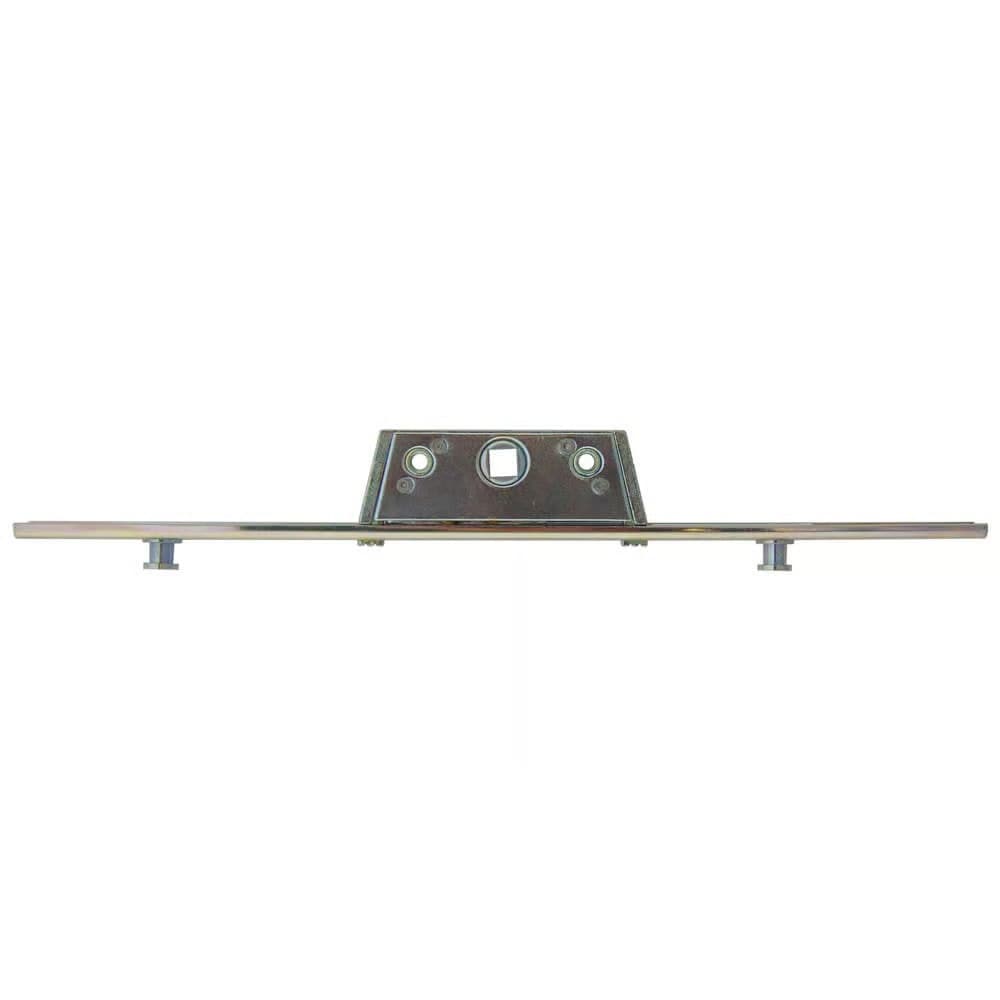
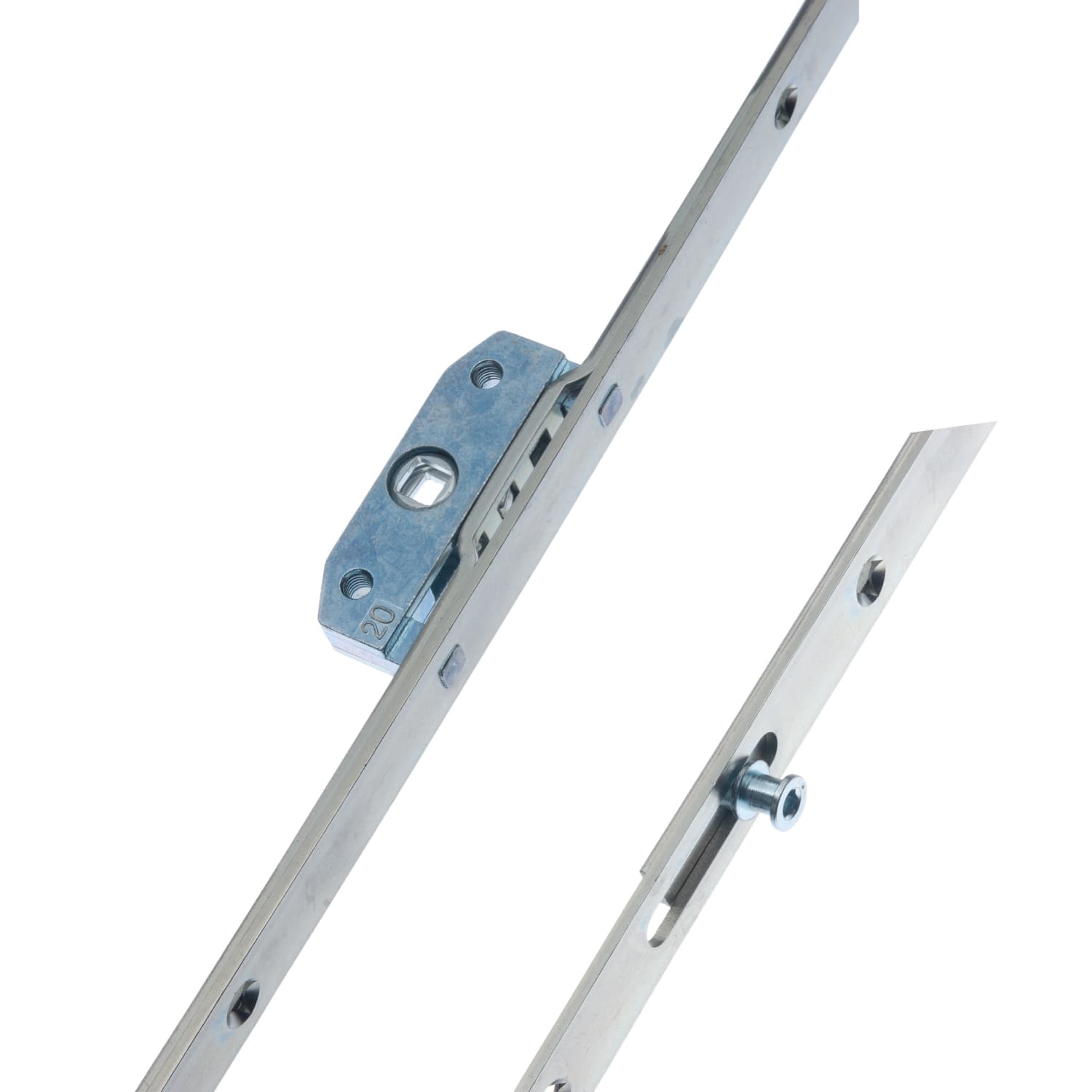
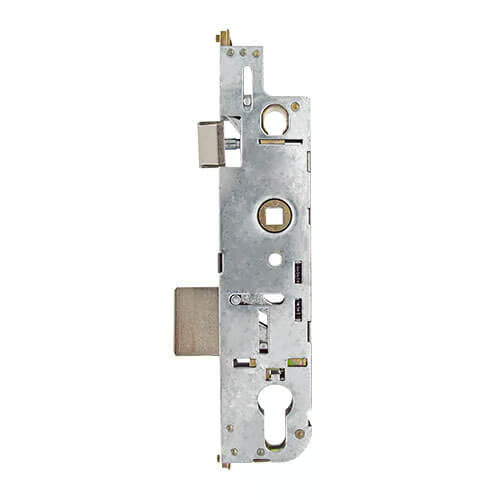
- ERAB Espagnolette Window Lock Universal Lock Replacement
- Avocet Slimline Offset Window Espag
- In-Line Window Mechanism
- Offset Window Mechanism
- Multipoint Gearbox GU Old Style
Conclusion and next steps
Replacing a window gearbox restores secure, smooth operation to casement and tilt windows. Follow the steps above to identify, remove and fit the correct replacement, and carry out checks on associated rods and keeps. If you are unsure about part selection or the frame condition, contact a reputable trade supplier or Window Hardware Store for advice and spare parts. For urgent safety issues or high‑level work arrange a certified installer.

Related articles
Window Gearbox Maintenance: Keeping Your Locks Working Smoothly
Window Gearbox Maintenance: Keeping Your Locks Working Smoothly A well maintained window gearbox keeps casement and tilt-and-turn windows operating smoothl...
Troubleshooting Shootbolt Problems: A Window Fitter's Guide
Troubleshooting Shootbolt Problems: A Window Fitter's Guide Shootbolts are a small but vital component in many modern window and patio door locking systems...
What Is a Shootbolt Lock? Complete Guide to Window Security
What Is a Shootbolt Lock? Complete Guide to Window Security What is a shootbolt? A shootbolt is a mechanical locking element commonly used in windows and d...