
How to Train Your Cat to Use a Cat Flap: A Patient Owner's Guide
How to Train Your Cat to Use a Cat Flap: A Patient Owner's Guide Why train your cat to use a cat flap? Installing a cat flap gives a cat independence and r...
How to Train Your Cat to Use a Cat Flap: A Patient Owner's Guide
Why train your cat to use a cat flap?
Installing a cat flap gives a cat independence and reduces your need to open doors for them; for homeowners it is a practical convenience, and for trade professionals it is a common upgrade on doors and panels. Proper training reduces stress for the animal, prevents damage to doors and furniture, and lowers the chance of neighbour cats visiting your property. This post covers practical training techniques plus trade and DIY considerations to ensure a successful installation and smooth learning process.
Choose the right cat flap
Selecting an appropriate cat flap is the first step: match the size, security level and fitting method to your situation. Options include conventional flap, magnetic, microchip-controlled and programmable electronic units. Key points:
- Measure your cat: shoulder height and body width are more important than length. Many small flaps have aperture sizes around 120–150mm square; larger models are available for big breeds.
- Consider security: microchip or RFID models restrict access to your cat only; basic flaps are cheaper but allow other animals to enter.
- Decide on the fitting location: hollow-core doors, solid timber doors, uPVC doors and glazed panels each need different techniques. For glass or double glazing consult a glazing specialist; do not attempt to cut sealed units yourself.
- Look for weatherproof features: brush seals and draught-excluding frames reduce heat loss and rattling in windy weather.
Preparing the door or window
Proper preparation protects the structure and helps the cat flap perform well. If you are a DIYer or trade professional, follow manufacturer templates and respect door construction:
- Use the supplied template: most manufacturers include a paper template for marking cuts. Check alignment with the door frame and existing hardware.
- For uPVC doors: remove plastic cappings and be aware of steel reinforcement inside the door; drill pilot holes through the plastic, then cut with a jigsaw; use countersunk fixings and silicone sealant to keep a watertight finish.
- For timber doors: a router or jigsaw with a clean template gives the best finish; chisel out rebates for frames if required and seal exposed timber with preservative or paint.
- For glazed panels: replace a pane with a pre-cut unit supplied by a fabricator or fit a retrofit panel designed for glazing beads; do not attempt to cut safety glass yourself.
- For hollow-core doors: add packing or a backing plate to prevent flexing and to provide screw bite for the frame.
Training steps: a patient approach
Begin training before the flap is fully closed. The process requires patience; most cats learn within a few days, but some take weeks. Recommended steps:
- Familiarisation: place the flap open or in training mode so it does not move. Let the cat sniff and investigate at its own pace; put treats and toys nearby so it associates the area with positive experiences.
- Encouragement: lure your cat through the open flap with a favourite treat or toy. Chickens, fish treats and sachet food work well because they are aromatic and motivating.
- Guided passes: once comfortable, gently encourage the cat to pass through by holding treats initially on the far side. Praise calmly; avoid forcing the cat through.
- Gradual closure: lower the flap slightly so it touches the cat as it passes; many cat flaps have a training clip or hold-open function. Increase resistance step by step so the cat learns to push through the flap with its paws or head.
- Reverse training: repeat the guided passes both outwards and inwards so the cat learns both directions. Some cats prefer going out more than coming in; mirror the same slow, positive steps for the return journey.
- Use of microchip flaps: set the unit to training or manual open mode while acclimatising; once comfortable, enable the locking mechanism and test that the cat’s chip is recognised. Some models allow multiple animals to be registered.
Troubleshooting common problems
If issues arise, try these fixes:
- Fear of the flap: increase the use of high-value rewards and extend the period the flap is open; consider taping a clear sheet temporarily for visibility so the cat can see the other side.
- Refusal to push: reduce flap resistance; check hinges and seals are not stiff. Lubricate moving parts with a silicone spray suitable for plastics and metal.
- Other animals entering: switch to microchip or magnetic models, or fit a tunnel with a locking mechanism at the far end.
- Flap rattles or drafts: inspect weatherstripping and tighten fixings; add brush seals or replace degraded draught strips to reduce noise and heat loss.
Trade and DIY technical tips
For installers and confident DIYers: follow these technical pointers to ensure a professional job:
- Always use the manufacturer’s template and fixings; random screw placement can split frames and void warranties.
- When routing a hole, clamp the template firmly and use sharp cutters to avoid tear-out. Finish edges with fine sandpaper and apply a sealant where timber is exposed.
- For uPVC doors, cut the outer skin carefully and avoid nicking the steel reinforcement; if you hit metal, stop and mark for a new template position or consult the door manufacturer.
- Sealant choice matters: use a neutral cure silicone that is compatible with plastics and painted timber; allow full cure before testing electronic components to avoid trapping solvents under electronics.
- Document the installation: take before and after photos, record microchip numbers if applicable, and advise the homeowner on maintenance routines.
Safety, security and maintenance
Regular maintenance prolongs lifespan and keeps the cat safe. Check the flap and frame periodically for loose fixings, worn seals and debris caught in the hinge. For security, recommend microchip or magnet-locked units to customers worried about stray animals. If the property has a fire door or an external door with a protected core, confirm that altering the door will not breach building regulations or void insurance; consult the door manufacturer or a specialist where necessary.
Recommended Products
Based on this article, you may find these products helpful:
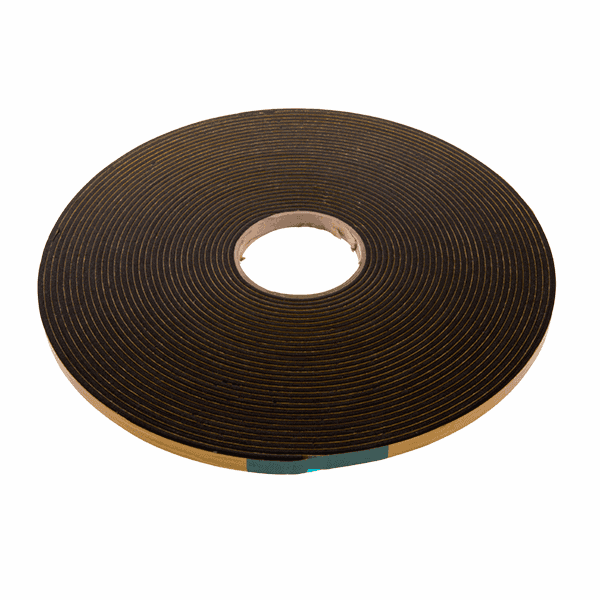
- Structural Glazing Tape - 20mm
- Security Glazing Tape
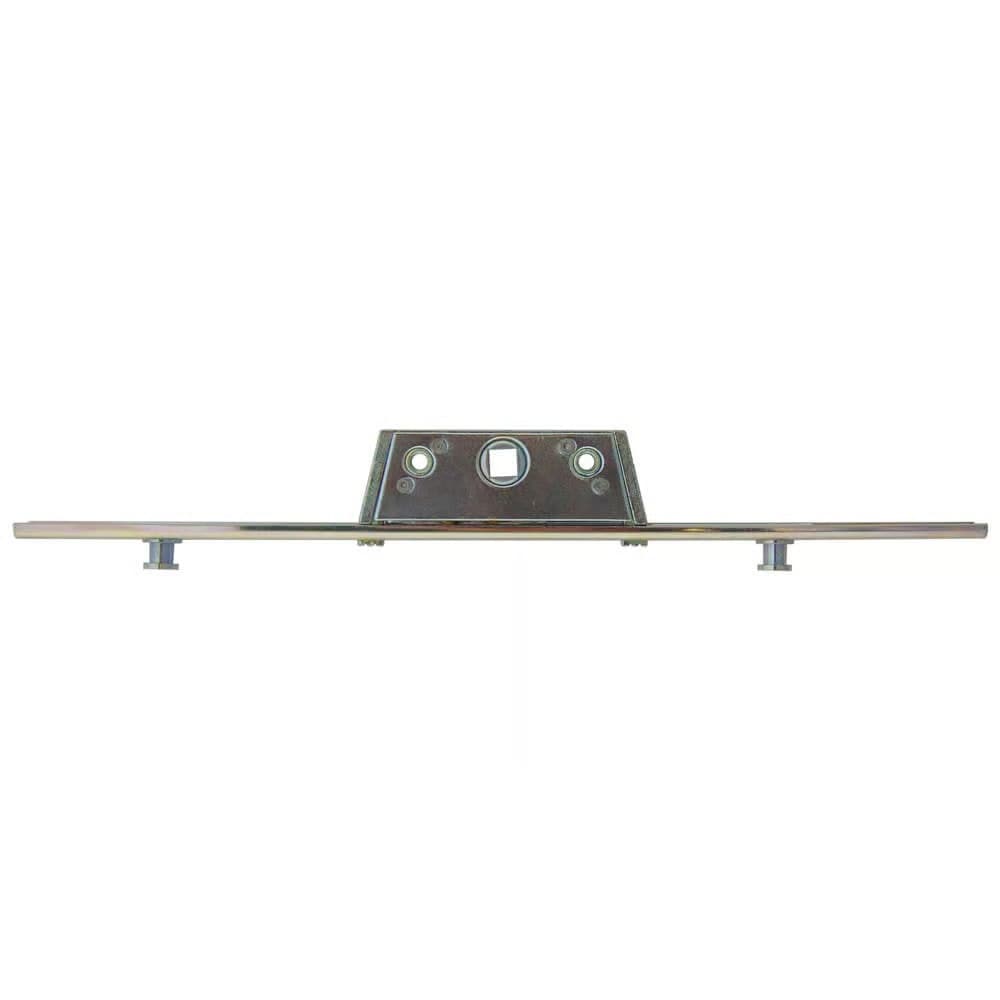
- In-Line Window Mechanism
- Offset Window Mechanism
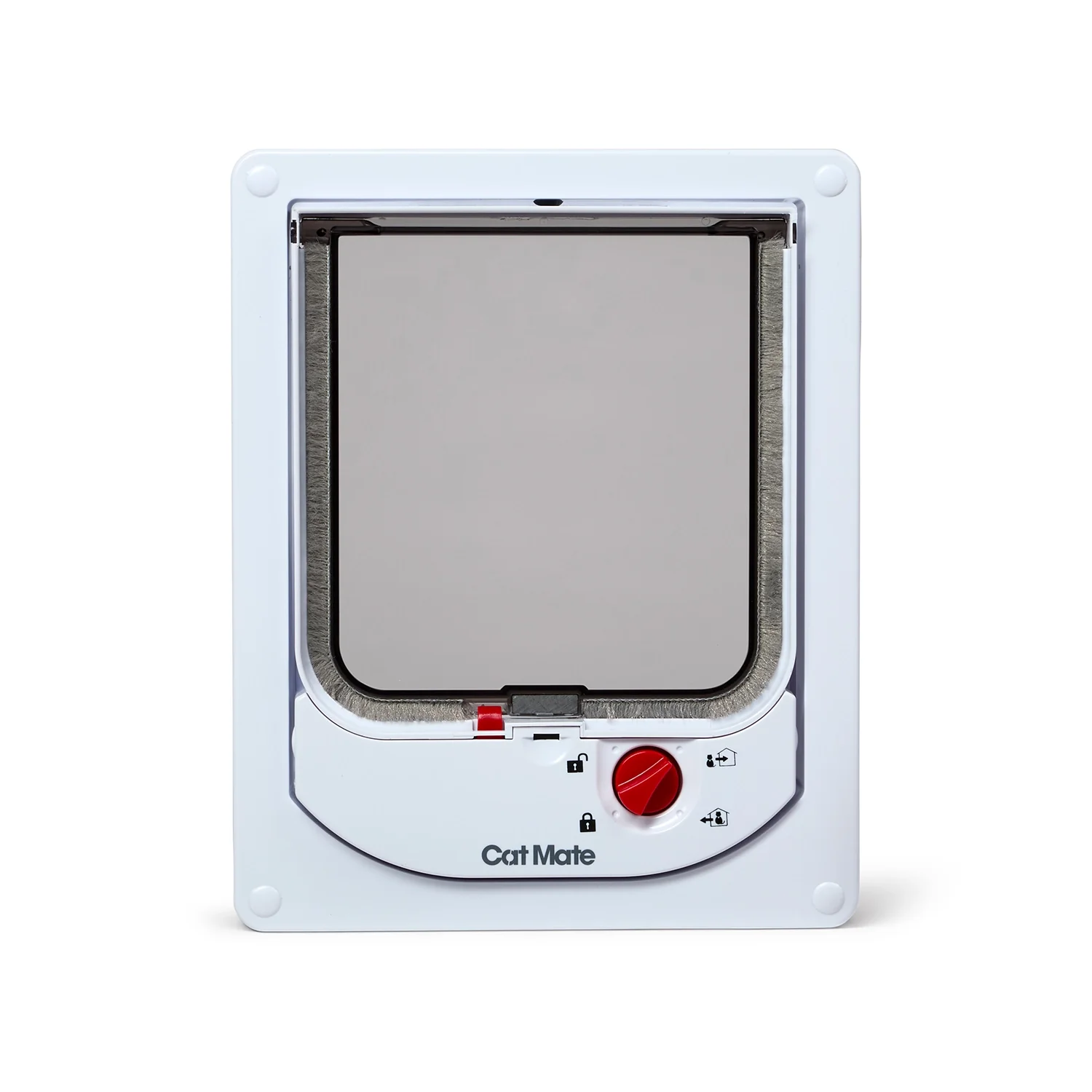
- Cat Mate Electromagnetic Cat Flap
Conclusion and next steps
Training a cat to use a cat flap is straightforward with patience, positive reinforcement and the right hardware. Start with an appropriate flap, prepare the fitting carefully, and follow a gradual training plan; address mechanical or behavioural issues with simple fixes or a gradual retraining approach. Next steps: choose the model suited to your door and cat, prepare the site using the manufacturer template, and begin the familiarisation process with rewards. Trade professionals can download fitting templates from suppliers and advise homeowners about security and warranty implications; homeowners unsure about cutting doors or glazing should book a professional fitter.

Related articles
Replacing uPVC Door Panels with Cat Flap Panels: A Cleaner Solution
Replacing a uPVC door panel with a purpose-made cat flap panel is a practical way to give pets easier access while keeping the rest of the door intact. Whe...
Rented Property Cat Flap Options: What Landlords Need to Know
Rented Property Cat Flap Options: What Landlords Need to Know Installing a cat flap in a rented property can improve tenant satisfaction but it raises ques...
Dog Flap Insulation: Preventing Heat Loss Through Larger Pet Doors
Dog Flap Insulation: Preventing Heat Loss Through Larger Pet Doors Large dog flaps are convenient for owners and pets, but they create a significant therma...