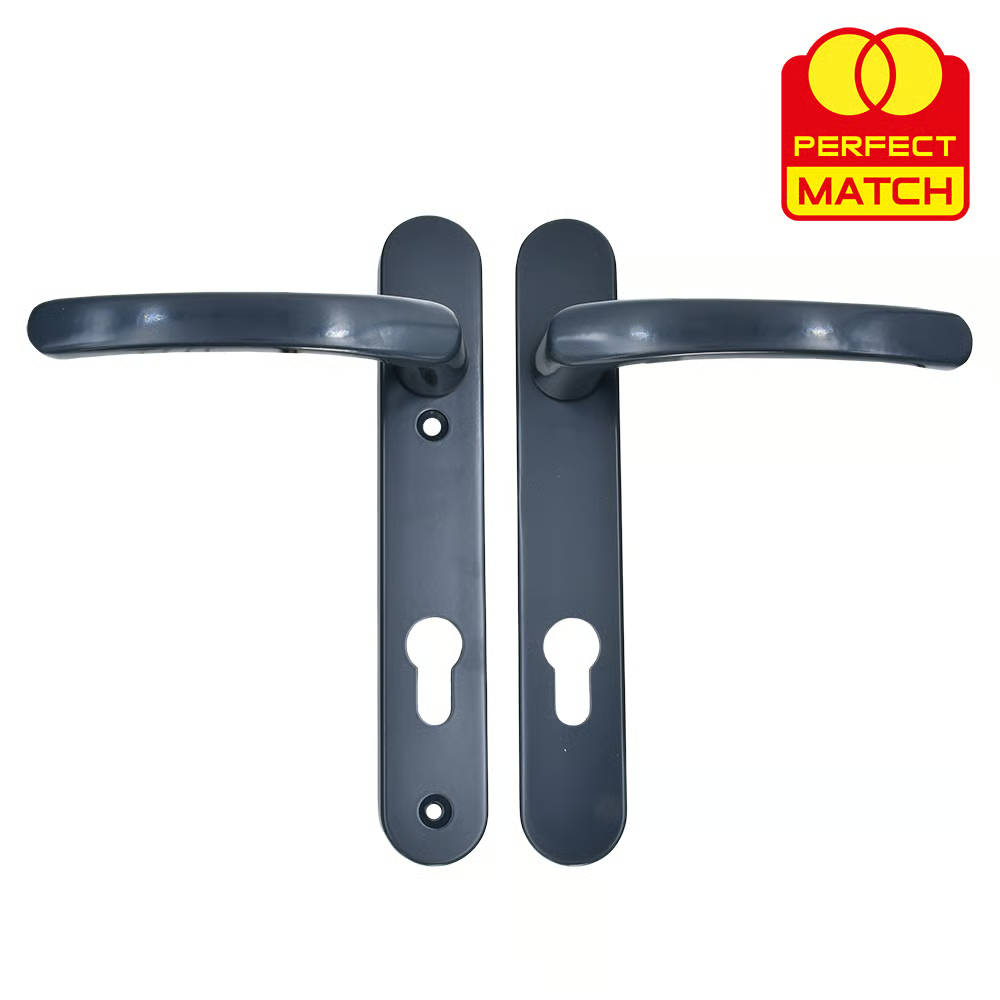
Inline vs Offset Patio Door Handles: Which Do You Need?
Choosing the right patio door handle is a small detail that makes a big difference in security, operation and appearance. For tradespeople and DIYers working on sliding patio doors, the key decision o...
Choosing the right patio door handle is a small detail that makes a big difference in security, operation and appearance. For tradespeople and DIYers working on sliding patio doors, the key decision often comes down to inline versus offset patio door handles. This guide explains the mechanical differences, practical implications for installation and maintenance, and how to select the correct handle for your job.
What is an inline patio door handle?
An inline patio door handle sits in line with the sash profile; the handle body does not protrude beyond the face of the door. It is typically recessed or low-profile and is common on aluminium and uPVC sliding doors where a flush finish is required. The inline design allows the sash to slide past a fixed frame or an adjacent sash without collision, making it ideal for bi-parting doors and tight clearances.
- Flush or recessed grip for smooth operation
- Commonly used where two sashes meet or in-frame sliding doors
- Good for minimalist visual style and narrow sightlines
- Often easier to fit into existing profiles without additional clearance work
What is an offset patio door handle?
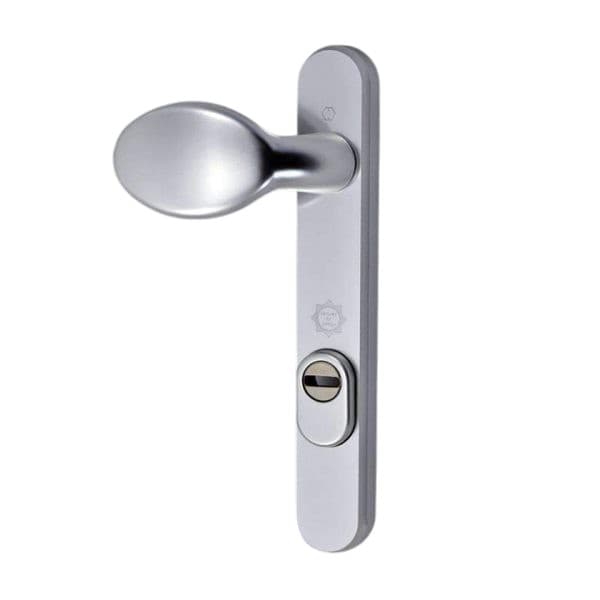
An offset patio door handle projects from the sash face and provides a more pronounced grip. The handle centre is set away from the sash profile, giving additional leverage and easier operation for heavier or larger sashes. Offset handles are popular on doors where a stronger mechanical advantage is needed, or where the handle should be more visible and tactile.
- Protruding grip for enhanced ergonomics and leverage
- Better for heavier sashes or where ease of use is a priority
- May require additional clearance when sashes slide past each other
- Often preferred for residential retrofit where user comfort is important
How to decide: practical considerations for trade and DIY
Selecting between inline and offset patio door handles depends on several practical factors. Consider the following checklist before you order parts or start fitting:
- Door type and profile: Check whether the sash is designed for a recessed handle cut-out or a face-fix handle. Many aluminium and slimline uPVC profiles specify an inline recess.
- Clearances: Measure the gap between sashes and between sash and frame. If sashes meet in the middle, an inline patio door handle will avoid interference; if the handle needs to clear internal furniture or walls, offset may be better.
- User needs: For elderly users or frequent use, an offset patio door handle offers better grip and less strain. For aesthetic-led projects, inline handles give a cleaner look.
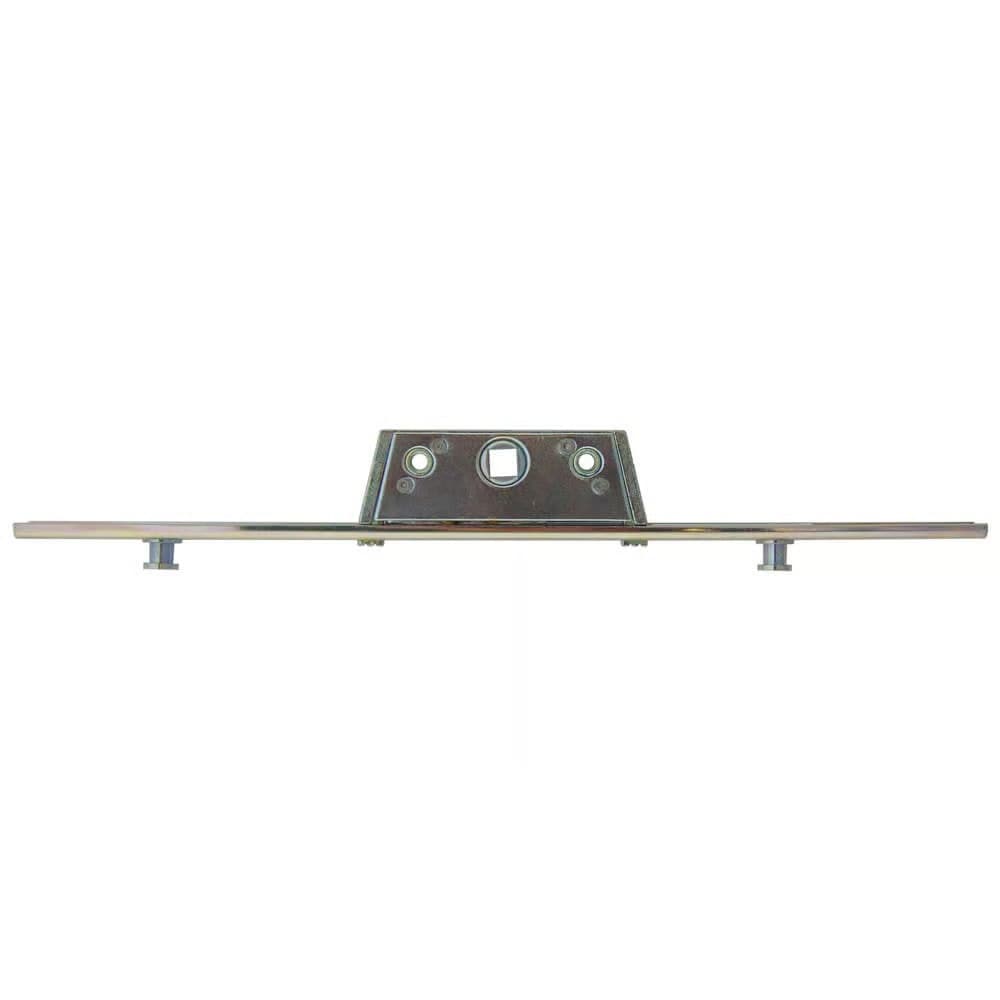
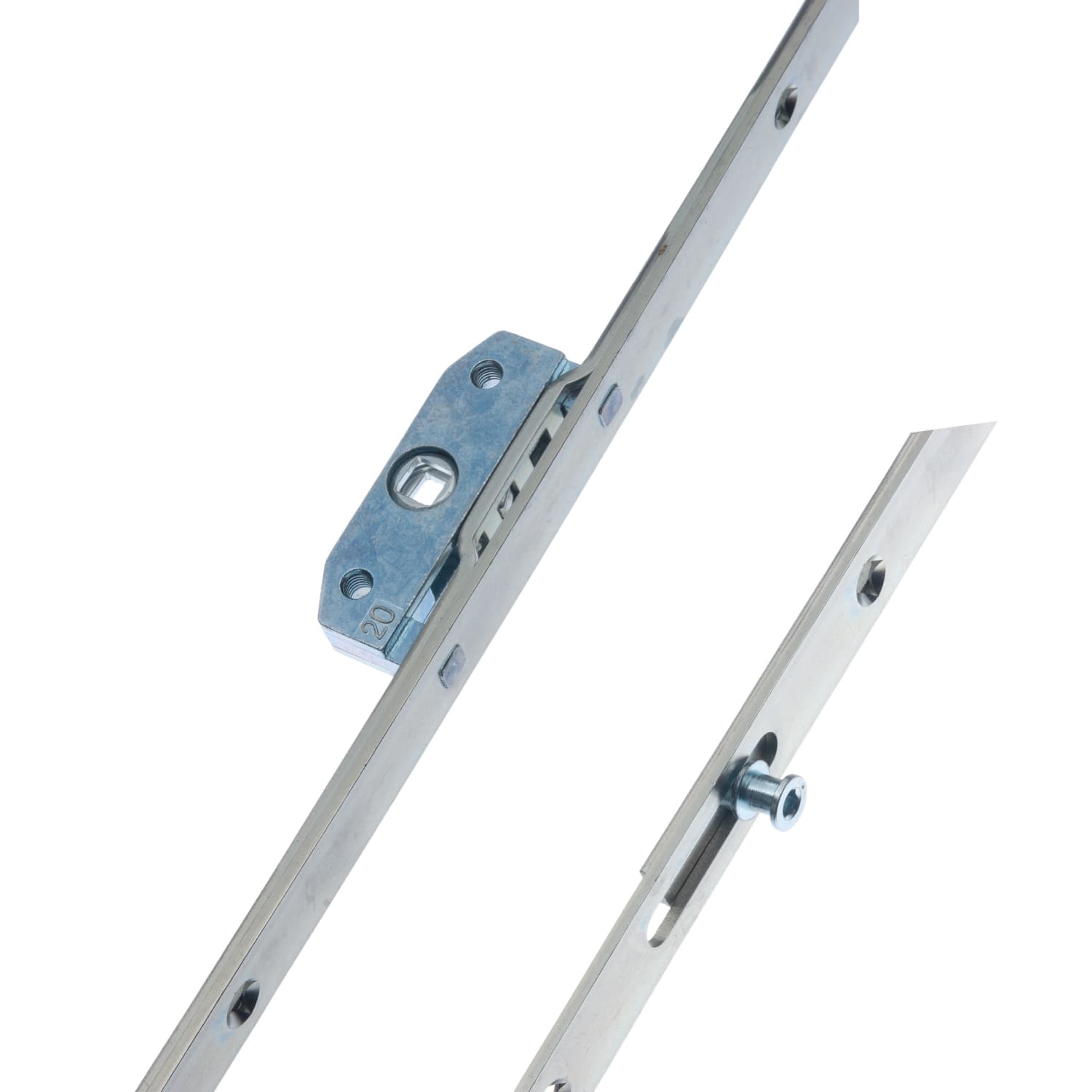
- Security: Check the handle’s compatibility with multi-point locks, espagnolette drives or mortice locks. Some inline handles incorporate lock cylinders or croppable spindles for specific gearboxes.
- Installation skill level: Inline handles often need routing or precise drilling; offset handles may be simpler to face-fix. Consider tools and skillset available on site.
Fitting and compatibility tips for tradespeople
Installing a patio door handle correctly avoids rattles, premature wear and security failures. These tips are targeted at installers and experienced DIYers:
- Confirm backset and spindle length: Measure from the face of the handle to the centre of the lock mechanism; order handles with the correct spindle and screw positions.
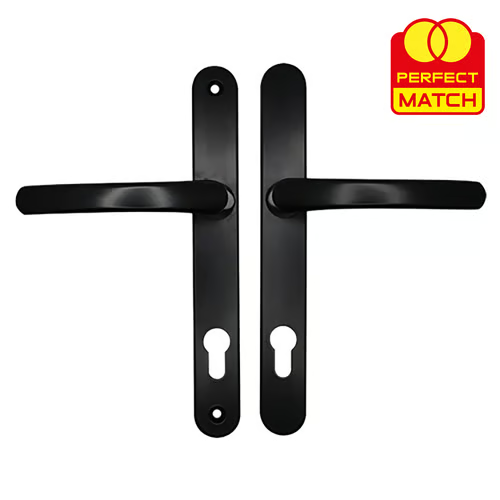
- Match fixing centres: Many patio door handles use standard fixing centres, but profiles vary; verify before drilling to prevent misaligned fittings.
- Seal and weatherproof cut-outs: With inline fittings that require routing, apply appropriate sealant to prevent water ingress and to preserve thermal performance.
- Use the correct torque on security fixings: Over-tightening can distort the sash and impair locking; follow manufacturer torque settings where provided.
- Test operation with full locking cycle: Ensure the handle operates the lock smoothly through the entire range before handing the job over.
Maintenance and troubleshooting
Both inline and offset patio door handles require routine checks to maintain performance. Regular maintenance prevents problems that lead to callbacks.
- Lubrication: Use a dry PTFE spray on the spindle and lock mechanism every 12 months; avoid oil-based lubricants that attract dust.
- Tightening: Check handle fixings and handle-to-lock connections periodically; replace worn screws and spindles as needed.
- Alignment: If the handle feels loose or the lock doesn’t engage, check sash alignment and roller settings; misalignment often causes perceived handle faults.
- Weather seals: Inspect rubber seals around inline handle recesses; replace damaged seals to prevent water ingress and draughts.
Which handle should you choose: quick summary
To help decide quickly on site or for a customer, use this summary:
- Choose an inline patio door handle if you need a flush finish, have sashes that meet, or are working with slimline aluminium/uPVC profiles.
- Choose an offset patio door handle if you need extra leverage, easier grip for frequent use, or you are retrofitting to an existing door where face-fix is simpler.
- Consider security compatibility, spindle and backset measurements, and whether the handle needs to integrate with a multi-point locking system.
Understanding the physical differences and the practical consequences of your choice will save time and frustrations on site; a correct selection improves door operation, longevity and customer satisfaction.
For more technical guidance and product options, visit our door handles guide page: /guides/door-handles. If you need help specifying a patio door handle for a particular profile or project, contact our technical team for practical advice and recommended components.
Conclusion: Selecting the right patio door handle boils down to site conditions, user needs and lock compatibility. Inline handles suit flush finishes and tight clearances; offset handles favour ergonomics and retrofits. With the right measurements and installation approach, either option will deliver reliable performance for years.
Recommended Products
Based on this article, you may find these products helpful:
Part of our guide:
Complete Guide to Door Handles