
Letterbox Covers vs Brush Plates: Complete Comparison
Letterbox Covers vs Brush Plates: Complete Comparison Choosing between a letterbox cover and a brush plate is a common decision for homeowners and tradespe...
Choosing between a letterbox cover and a brush plate is a common decision for homeowners and tradespeople seeking to reduce draughts, improve security and improve thermal performance at the front door. This article compares the two options in practical terms; it covers performance, installation, materials and when each solution is most appropriate. If you are looking specifically for a letterbox draught excluder, this comparison will help you specify the right product for the job.
What are letterbox covers and brush plates?
Both products are fitted to the inside of a door around the mail slot, but they work differently:
- Letterbox cover: a sealed flap or cushioned bag that sits against the internal face of the door to block cold air, light and noise. Covers are typically made from foam, fabric, rubber or a combination and can be fixed with screws, magnets or adhesive. They are often referred to as letterbox draught excluders.
- Brush plate: a rigid plate with a row of synthetic bristles that protrude into the aperture. Brushes allow mail to pass through while reducing airflow, light and insects. Plates are usually metal or plastic with screw fixings, and the bristles are designed for durability and low friction with posted items.
Thermal and draught performance
If the primary objective is to seal out cold air and improve energy efficiency, letterbox covers generally provide the best result. A well-fitting cover forms a continuous barrier across the aperture; this eliminates most air leakage and reduces heat loss more effectively than bristles alone.
Brush plates reduce airflow but do not create a full seal. The bristles allow small amounts of air and dust through the slot. Brush plates are a better compromise where mail needs to be pushed through frequently and a full seal would impede use.
Security and privacy
Security considerations include preventing fishing through the slot, stopping visibility into the property and reducing the chance of items being pulled out. Letterbox covers offer superior privacy because they block light and sight lines completely. They can also prevent small tools being pushed through the slot.
Brush plates make it harder to see through the aperture than a bare slot; however, determined intruders can still probe or feed through long implements. For higher security requirements consider anti-fishing plates, internal restrictor boxes or letterboxes designed with internal collection boxes.
Acoustics and noise reduction
Letterbox covers deliver better noise attenuation: the continuous material and tight seal reduce draught noise, road noise and wind whistling. Brush plates lower noise levels but are less effective at blocking higher frequency sounds because of the bristle gaps.
Installation and DIY guidance
Both items are straightforward to fit for a competent DIYer or trade installer, but there are practical differences to note.
- Measurement: measure the aperture width and height precisely. For covers, measure door thickness and ensure the cover will sit flush without bulging. For brush plates, check that the bristle length allows mail to pass without snagging.
- Fixing: use appropriate screws for the door material. For timber doors, 25mm to 35mm countersunk screws are common. For composite doors use the manufacturer recommended fixings; some composite doors require shorter screws to avoid damaging internal cores. Use stainless steel fixings in coastal locations to prevent corrosion.
- Seal and finish: for covers that require a rebate, chisel or rout a small rebate so the cover sits flush. Use a thin foam gasket behind metal plates to prevent squeaks and to improve sealing on uneven doors. Avoid over-tightening screws which can deform plastic plates or compress bristles excessively.
- Fire doors: do not install non-fire-rated letterbox kits on certified fire doors. Fire doors have specific requirements including intumescent liners and approved trims. If the door forms part of a fire escape route seek guidance from a fire door specialist and check relevant regulations.
Materials, durability and maintenance
Common materials include stainless steel, aluminium, PVC, and nylon bristles. Letterbox covers are typically foam-backed fabric, rubber or vinyl. Choose materials to match the environment:
- High-traffic doors: durable metal plates with heavy-duty bristles resist wear from frequent posting.
- Coastal or wet environments: use stainless steel or powder-coated plates and UV-stable bristles; for covers choose rot-resistant fabrics and avoid products with cardboard cores.
- Maintenance: brush plates need occasional brushing out to remove lint and dust; replace worn bristles when gaps appear. Covers should be cleaned according to manufacturer instructions; replace seals when they become compressed or torn.
Practical trade advice: specification and selection
When specifying for clients, consider these practical points:
- Function first: ask whether the client prioritises thermal performance, security, or regular mail usage. That will dictate cover versus brush plate.
- Door construction: confirm door material and thickness; composite and fire doors have particular limits on fastener lengths and approved accessories.
- Aesthetics and finish: select finishes to match hardware; recessed or surface-mounted options are available for a neat finish.
- Testing: after installation perform a smoke or candle test to check for residual draughts and adjust gaskets or sealants as required.
- Upgrades: where security is a priority consider combining a brush plate externally with a lined letterbox draught excluder internally for a hybrid solution.
Common problems and troubleshooting
Typical issues include snagging of mail, noisy bristles, or inadequate sealing. Solutions:
- Snagging: reduce bristle length slightly or specify a thicker-cover flap that guides mail. Check alignment and ensure the plate is centred over the aperture.
- Noise or rattling: fit a foam backing or rubber washers under the plate; tighten fixings evenly to prevent vibration.
- Poor seal: replace compressed foam with a new letterbox draught excluder or use a thin adhesive foam around the aperture for an improved seal.
Recommended Products
Based on this article, you may find these products helpful:
- E-Type Gasket - Black 5m Roll
- E-Type Gasket - Black (Per Metre)
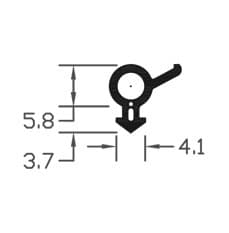
- B003 Bubble Gasket
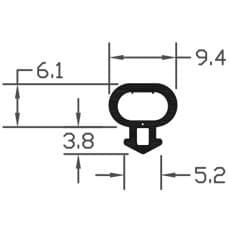
- B004 Bubble Gasket
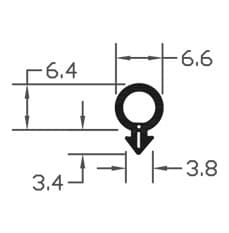
- B007 Bubble Gasket
Conclusion and next steps
Letterbox covers deliver the best draught-proofing, privacy and noise reduction; brush plates offer a durable, unobtrusive compromise that preserves ease of posting. For many properties a combination of both, or a purpose-built internal catch box, provides the best balance between insulation and functionality. For tradespeople, always confirm door type and follow manufacturer guidance on fixings and fire-door compatibility.
Next steps: if you need product options or specification sheets, visit our pillar page for letterbox resources at /guides/letterboxes or contact our technical team for door-specific advice and approved fittings for fire doors and composite doors.
Products mentioned in this article
Related articles
Internal vs External Letterbox Draught Excluders: Which Works Better?
Internal vs External Letterbox Draught Excluders: Which Works Better? A letterbox is a small opening that can let in a disproportionate amount of cold air,...
How to Retrofit an Anti Arson Letterbox to an Existing Door
How to Retrofit an Anti Arson Letterbox to an Existing Door What is an anti arson letterbox and why retrofit one? An anti arson letterbox is a specialist l...
Letterbox Draught Excluder for Security: Added Protection
Letterbox Draught Excluder for Security: Added Protection A well-chosen letterbox draught excluder reduces heat loss and noise while contributing to a stro...