Lever Door Handle vs Pad Handle: Which Is Better?
Choosing between a lever door handle and a pad handle is a common decision for tradespeople and DIY enthusiasts working on residential or commercial doors. This guide explains the practical difference...
Choosing between a lever door handle and a pad handle is a common decision for tradespeople and DIY enthusiasts working on residential or commercial doors. This guide explains the practical differences, installation considerations, accessibility implications, security factors and aesthetic options so you can decide which is better for your project. We focus on lever door handle solutions but compare them directly with pad handles to help you make an informed choice.
Understanding lever door handle and pad handle designs
A lever door handle is a horizontal bar that operates the latch when pushed down. Pad handles, sometimes called pull or push plates with knobs, offer a simpler push-pull action or a small projecting knob. Key design distinctions include:
- Operation: A lever door handle gives mechanical advantage; a pad handle relies on grip or pushing.
- Mechanism: Levers typically connect directly to a latch or lock case; pads can be surface-mounted or combined with mortice locks.
- Materials and finishes: Both come in brass, stainless steel, aluminium and coated finishes, but lever door handle styles are more varied.
Accessibility and usability
For accessibility, lever door handle usually outperforms pad handle options. Consider these factors:
- Ease of use: A lever door handle requires less grip strength and wrist movement; it is suitable for children, older adults and people with reduced dexterity.
- Regulations: Many British Building Regulations and accessibility standards prefer lever-style handles where access must be provided to all users.
- Commercial settings: In high-traffic or accessible environments, a lever door handle with a robust spindle and return spring improves usability over small pads or knobs.
Security and hardware compatibility
Security is a priority on every installation. Decide based on the locking requirements and door type:
- Lock compatibility: Lever door handle sets are widely compatible with Euro cylinders, mortice locks and multipoint systems; pad handles may be limited to surface-mounted latches or specialised lock cases.
- Lever leverage: The mechanical advantage of a lever door handle can be a security risk if poorly fitted; fiters should ensure rose plates are reinforced and spindles are anti-snap where required.
- Durability: For commercial doors, choose lever door handle hardware rated for high cycle use; check test standards and finishes.
Installation considerations for tradespeople
Installation time and complexity vary between lever door handle and pad handle fittings. Practical points for installers:
- Preparation: Most lever door handle installations require a 57mm or 44mm backset mortice preparation for the lock case; verify lockset compatibility before ordering.
- Door thickness: Ensure the lever door handle spindle length matches the door thickness; adjustable spindles or packers are useful on site.
- Fixing and reinforcement: Use through-bolts or reinforcing plates for external doors when installing a lever door handle to prevent lever sag and improve security.
- Tools: Typical tools for fitting a lever door handle include a mortice chisel, router or drill with spade bits, screwdriver set, and a square to align roses or backplates.
- Pad handle quick-fit: Pad handles can be faster to fit on fire or utility doors where only a push plate is required, but check compatibility with intumescent seals and fire escape hardware.
Maintenance and long-term performance
Ongoing performance and servicing differ by handle type. Typical maintenance tasks:
- Lubrication: Apply graphite or low-residue lubricant to the latch and spindle of a lever door handle annually in heavy-use environments.
- Tightening: Check fixing screws and through-bolts; lever door handle fittings can loosen over time, affecting operation and alignment.
- Finish care: Use non-abrasive cleaners suitable to the finish; stainless steel lever door handle surfaces resist corrosion but still need periodic cleaning.
- Replacement parts: Lever door handle spindles, springs and roses are widely available; keep common parts in a van for on-site repairs.
Design, aesthetics and project suitability
Choosing between a lever door handle and a pad handle often comes down to appearance and function. Consider the following:
- Architectural match: Lever door handle styles range from traditional to contemporary; choose a profile that complements ironmongery and door furniture across a building.
- Coordinated hardware: For a complete scheme, match lever door handle finish to hinges, letterplates and door closers to create a consistent look.
- Commercial vs domestic: For residential projects, a decorative lever door handle can add value; for industrial or back-of-house areas, a robust pad handle or pull may be more practical.
For tradespeople specifying hardware, factor in client expectations, budget and maintenance. A lever door handle often provides the best balance of function, accessibility and style, but pad handles remain useful for specific applications.
Recommended Products
Based on this article, you may find these products helpful:
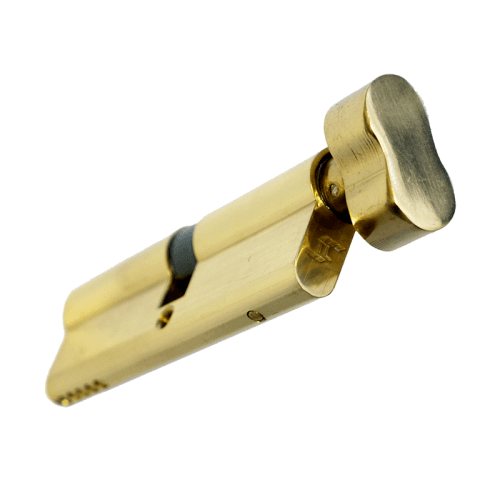
- TL Thumb Turn Euro Cylinder
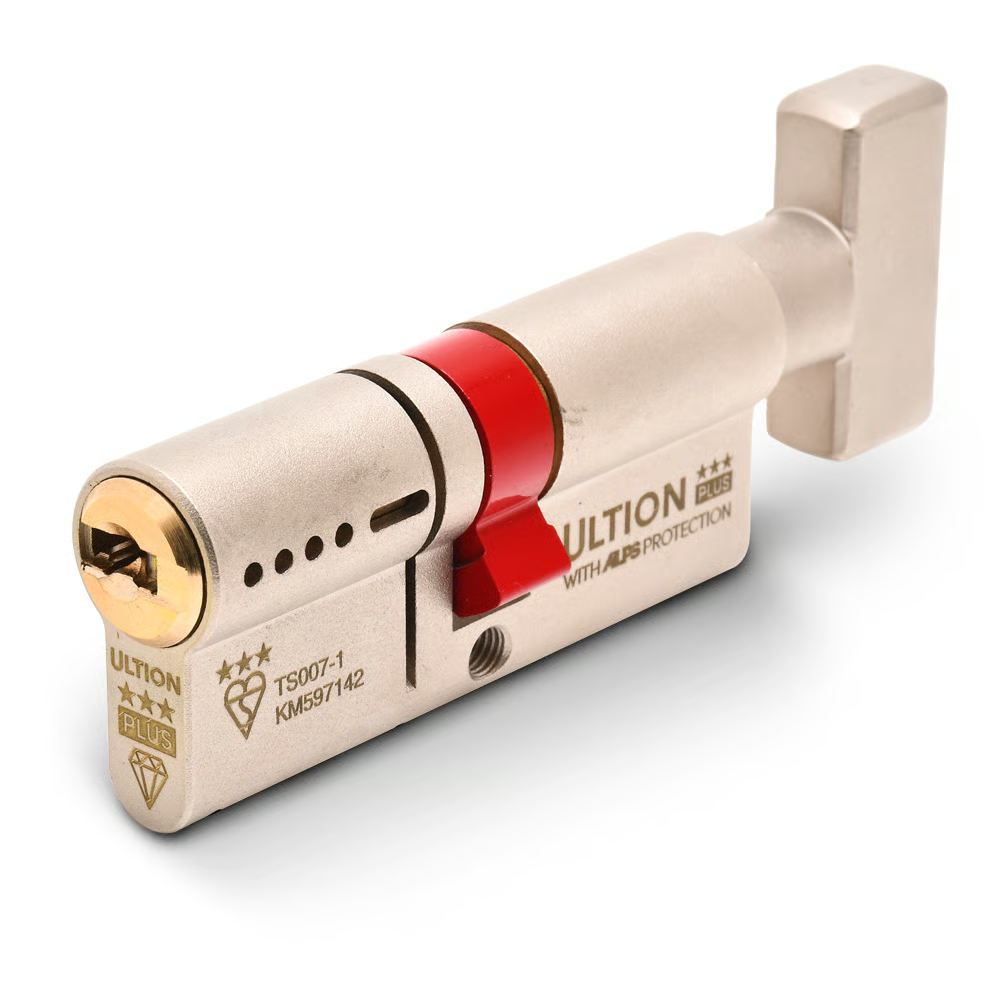
- Ultion Plus TS007 3* Kitemarked Euro Key & Turn Cylinder
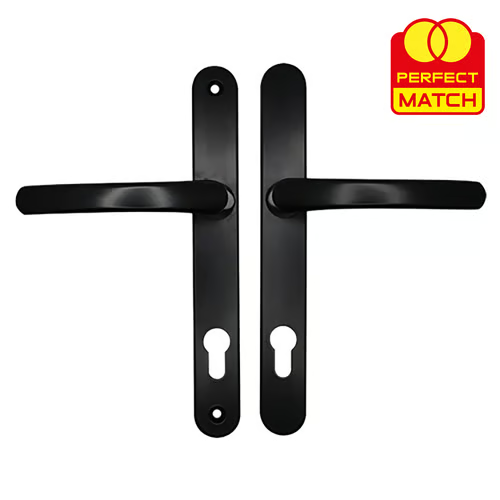
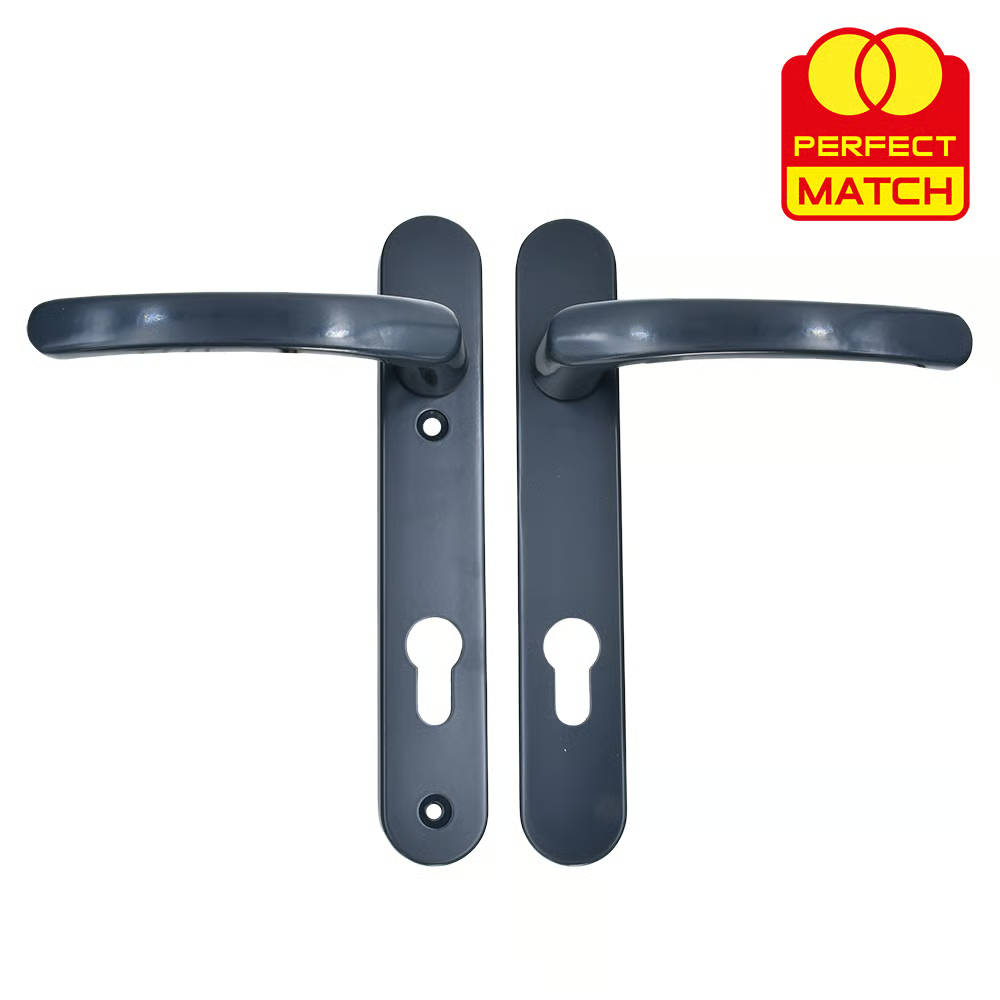
- TSS Door Handle Lever
- TSS Door Handle Lever Short
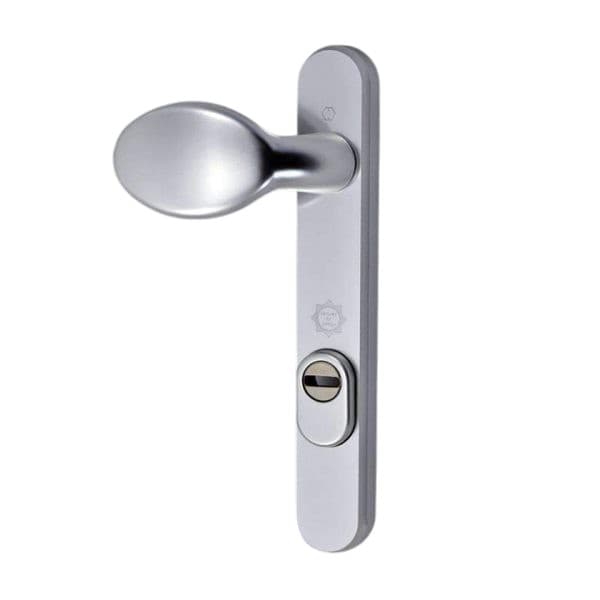
- Affinity Security Door Handle
Conclusion: Which is better?
In most situations a lever door handle is the better overall choice for everyday doors: it scores highly for accessibility, compatibility with locks, and design variety. Pad handles still have their place on utility doors, fire exits and where a simple push-pull action is preferred. For trade professionals and competent DIYers the decision should be based on the door's function, required lock type, user needs and finish preferences. When specifying or fitting a lever door handle, select the correct spindle, backset and reinforcement to ensure a secure, long-lasting installation.
Part of our guide:
Complete Guide to Door Handles