Modern vs Traditional Lever Handles: Style Guide
Introduction: Choosing the right lever door handle affects function, durability and appearance. Whether you are a trade professional fitting hardware on-site or a keen DIY enthusiast upgrading a prope...
Introduction: Choosing the right lever door handle affects function, durability and appearance. Whether you are a trade professional fitting hardware on-site or a keen DIY enthusiast upgrading a property, understanding the differences between modern and traditional styles helps you pick the correct lever door handle for each location. This guide explains aesthetics, compatibility, installation and maintenance with practical tips from a UK trade supplier perspective.
Design language: modern vs traditional lever door handle
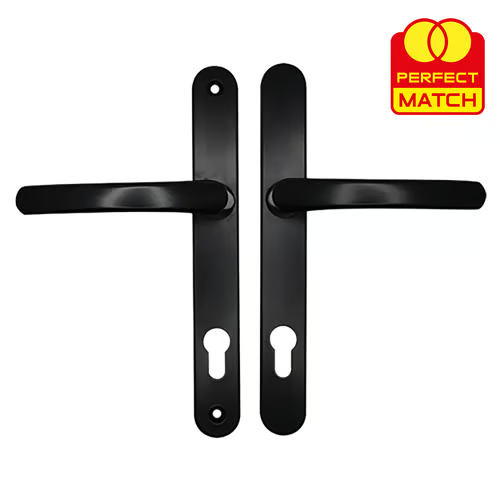
Modern lever door handle designs tend to be minimal, with clean lines and geometric forms. They suit contemporary interiors and commercial portals where an uncluttered appearance is required. Traditional lever door handle designs feature decorative details, curves and ornate roses; they complement period doors, listed buildings and heritage-style interiors.
- Modern: straight tubular levers, square roses, concealed fixings.
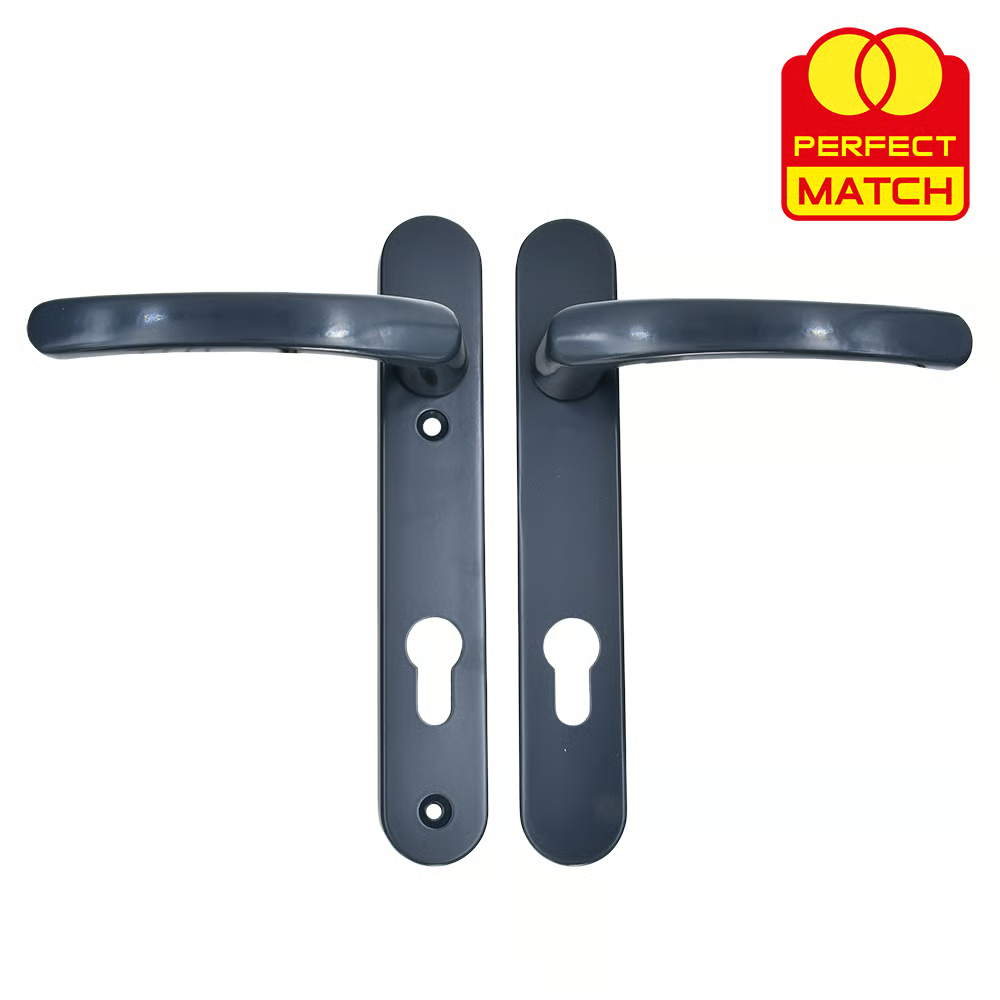
- Traditional: scroll levers, round backplates, visible fixings and decorative bosses.
- Finish choices: brushed stainless, satin chrome and black are popular on modern levers; polished brass, antique bronze and lacquered finishes are common on traditional levers.
Function and compliance for tradespeople
When specifying a lever door handle for a project, consider functionality as well as looks. For accessibility and building regulations, lever handles are preferred because they are easier to operate than knobs. Tradespeople should check relevant standards and certifications when ordering lever door handle items for commercial or public buildings.
- BS 8300 and equality access: lever handles meet usability criteria for many applications.
- Fire doors and egress: ensure lever handle sets are suitable for FD30/FD60 assemblies; check for intumescent pack compatibility.
- Durability grades: check TS0000-TS0123 or equivalent cycle test ratings; choose higher cycle counts for high-traffic areas.
Technical considerations: compatibility and measurements
Correct sizing and compatibility prevent problems at fitting. Tradespeople should confirm key dimensions and spindle types before ordering a lever door handle set. Typical points to check include backset, spindle size, door thickness and fixing centres.
- Backset: measure from the face of the door to the centre of the mortice lock; common backsets are 44mm and 54mm.
- Spindle: most lever door handle sets use a 7mm or 8mm square spindle; heavy-duty applications may require larger or sprung spindles.
- Door thickness: ensure the handle rose can accommodate the door thickness; many standard roses fit 35–45mm doors but extensions are available.
- Fixing centres: check the distance between fixing screws on the rose or backplate; concealed fixings can require different drilling templates.
Handing and reversibility
Understanding handing avoids ordering incorrect lever door handle sets. Many modern designs are reversible and suitable for left or right hung doors. Traditional lever door handle designs with asymmetric curves may be handed and need specific left or right versions.
- Reversible levers: can be fitted on either side without modification; preferred on new-builds and refurbishments where flexibility is needed.
- Handed levers: ensure you specify handing when placing orders; check catalogue diagrams for handing notation.
- On-site check: verify door swing before cutting mortice for locks or drilling; measure projection so the lever does not hit architrave or glass.
Installation tips for a clean fit
Fitting a lever door handle correctly improves performance and longevity. Follow these practical steps to achieve professional results whether you are a locksmith, joiner or DIY installer.
- Prepare the door: ensure the mortice, faceplate and latch are square and flush; deepen the mortice if the backset requires it.
- Use the correct spindle: insert the spindle through the latch and test for smooth operation before tightening screws.
- Fixings: use the screws specified by the manufacturer; countersink or pack as necessary to avoid binding.
- Check alignment: ensure the lever returns to horizontal and there is no play; adjust lockcase or replace worn latches if necessary.
- Finishing: protect plated finishes during installation and avoid abrasives; use silicone-based lubricants on moving parts where required.
Maintenance and troubleshooting
Routine maintenance keeps a lever door handle working smoothly. Simple checks and small repairs can prevent call-outs and reduce long-term cost for clients.
- Lubrication: apply graphite or silicone spray to the latch mechanism annually; avoid oil-based products that attract dust.
- Tightening: loose fixings are the most common complaint; check screws after the first week of use and during routine maintenance visits.
- Corrosion protection: for coastal sites choose stainless steel or specially lacquered finishes to prevent pitting on external lever door handle fittings.
- Replacement parts: keep common items in vans – spindles, rose screws, latchbolts and spring kits for sprung levers.
Conclusion: Selecting between modern and traditional lever door handle styles requires balancing aesthetics with technical requirements. Tradespeople should measure accurately, check compatibility with locks and regulations, and specify the right finishes and durability ratings. For homeowners, understanding handing, backset and maintenance needs will help ensure a long-lasting, well-functioning installation. With the right planning and fitting, a lever door handle becomes both a practical hardware item and a key design detail.
Recommended Products
Based on this article, you may find these products helpful:
Part of our guide:
Complete Guide to Door Handles