Parliament Hinge Buying Guide: What to Consider
Parliament Hinge Buying Guide: What to Consider Parliament hinges are a specialised hinge type that lets doors and windows open clear of the frame so they ...
Parliament Hinge Buying Guide: What to Consider
Parliament hinges are a specialised hinge type that lets doors and windows open clear of the frame so they can lie flat against an adjacent wall or open to a wide angle. They are commonly used on French doors, casement windows and situations where extra clearance is needed for architraves, trims or external brickwork. This guide covers what trade professionals and DIY homeowners should consider when selecting and fitting a parliament hinge in the UK.
What is a parliament hinge and when to use one
A parliament hinge is a variant of the butt hinge with one or both leaves bent back to provide a greater offset from the frame. That offset allows the opening leaf to clear casings or obstructions and to open almost flat at approximately 180 degrees. Use parliament hinges where conventional butt hinges would cause the door or window to foul the frame, architrave or an adjacent surface. Typical applications include:
- French or patio doors that need to fold or open flat.
- Casement windows that must clear decorative architrave or plantation shutters.
- Internal doors that need to rest against an adjacent wall without rubbing.
- Specialist joinery where a full opening clearance is required.
Materials, finishes and corrosion resistance
Choose the right material depending on location and exposure. Common options are:
- Brass or solid brass: good appearance for internal use; lacquered brass avoids tarnishing but will wear over time.
- Stainless steel: durable and corrosion-resistant; A2 is fine for general use; A4 (316) is preferred for coastal or marine environments.
- Galvanised steel or zinc-plated: cost-effective but may corrode in high-moisture or coastal sites; better suited to sheltered locations.
- Powder-coated finishes: useful for painted or coloured doors; check coating thickness and salt-spray resistance if exposed.
For external doors or windows in exposed locations choose stainless steel or a marine-grade finish; this reduces pitting and staining and extends the life of the fitting.
Size, projection and weight capacity
Parliament hinges come in a range of lengths and projections. Lengths are commonly measured in inches or millimetres; select a length that fits the stile height and offers adequate screw positions. The projection or offset determines how far the door sits away from the frame when open: choose an offset large enough to clear architraves, handles or brickwork.
Weight capacity depends on hinge length, material and whether the hinge uses ball-bearings. Ball-bearing parliament hinges are designed for heavier doors and frequent use; they reduce friction and wear. As a practical rule of thumb:
- Light internal doors: two standard parliament hinges may suffice.
- Most external solid doors: fit three good-quality hinges; consider four if the door is very heavy or tall.
- Heavier doors: use ball-bearing versions and ensure each hinge is capable of supporting the door weight; consult manufacturer load ratings.
Security and safety considerations
Hinges fitted on the outside of an outward-opening external door present a security risk if the hinge pins are removable. For external installations favour:
- Non-removable pins or security studs to prevent pin removal.
- Hinge bolts or security bolts that engage the frame when the door is closed to resist lever attack.
- Stainless steel materials to prevent degradation that could weaken fixings.
For fire doors always use hinges certified for the door assembly and compliant with relevant British or European standards; standard parliament hinges are not usually suitable for fire-rated doors unless specifically listed.
Mounting: mortice, surface-mounted and fitting tips
Parliament hinges can be morticed into the door and frame for a neat finish, or surface-mounted where a recess is impractical. Morticing provides better alignment and support; use a router or chisel to cut a neat bearing for each leaf so the hinge sits flush. Key fitting tips:
- Measure and mark exact hinge positions: top and bottom hinges are typically set back 150–200mm from the edges, with the third hinge centred between them when three are used.
- Use a template for consistent recess depth and screw positions.
- For timber frames use wood screws long enough to bite at least 30mm into the jamb; for hardwood or laminated frames choose 40–50mm screws.
- For metal frames use machine screws into pre-tapped holes or use coach screws with appropriate plugs for masonry surrounds.
- Counter-sink screw heads so the hinge sits flush; avoid over-tightening which can distort the hinge leaf.
Measurement checklist before buying
- Door thickness and stile width: ensures hinge leaves fit without impeding the stile or glazing beads.
- Door weight and height: to determine number of hinges and whether ball-bearing models are necessary.
- Required projection/offset: measure from frame to the nearest obstruction to choose the correct offset.
- Finish and material: match or complement existing ironmongery and choose suitable corrosion resistance.
- Security requirements: choose non-removable pins or security features for outward-opening external doors.
- Certifications: if fitting to fire doors or commercial premises, check for the appropriate performance standard or certificate.
Maintenance and common troubleshooting
Parliament hinges are low-maintenance when specified correctly. Recommended maintenance includes:
- Periodic lubrication: a light machine oil or silicone-based lubricant on the knuckle keeps operation smooth; do not use corrosive sprays that can attack finishes.
- Check and tighten screws: timber fixings can loosen with seasonal movement; replace stripped screw holes with longer screws or repair with an appropriate wood insert.
- Address sagging: if doors begin to sag, refit with longer screws into the frame or add an extra hinge to share the load.
- Replace corroded hinges: if pitting is present replace with a stainless steel or marine-grade hinge to prevent accelerated failure.
Practical trade and DIY advice
For trade professionals: order hinges with consistent finishes and matching screws; keep technical data sheets for load ratings and clearances to advise customers. For DIY installers: practice the mortice on a scrap piece of timber, use a hinge template for accuracy and don't skimp on screw length. When in doubt about security or fire performance consult a specialist or the hinge manufacturer.
Recommended Products
Based on this article, you may find these products helpful:
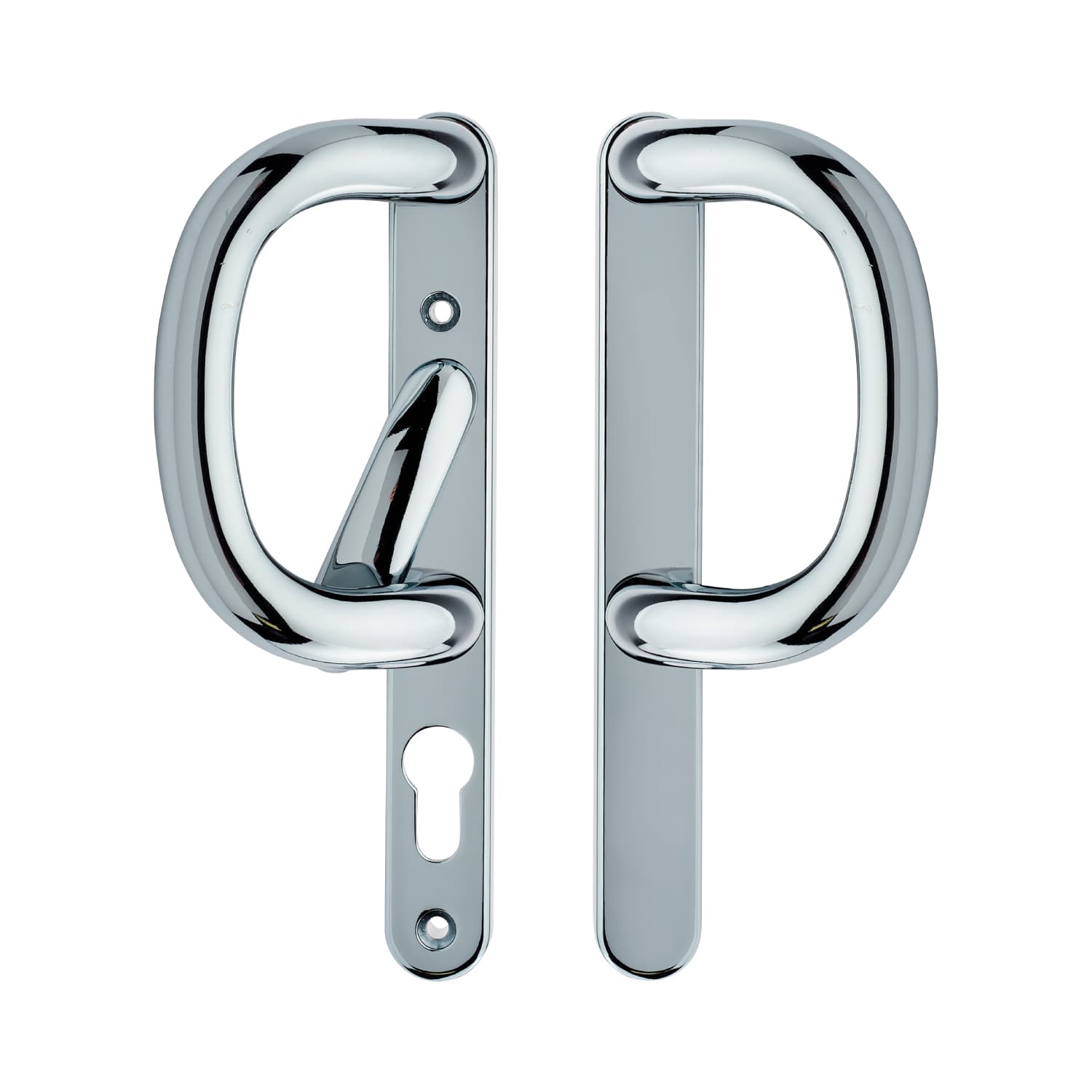
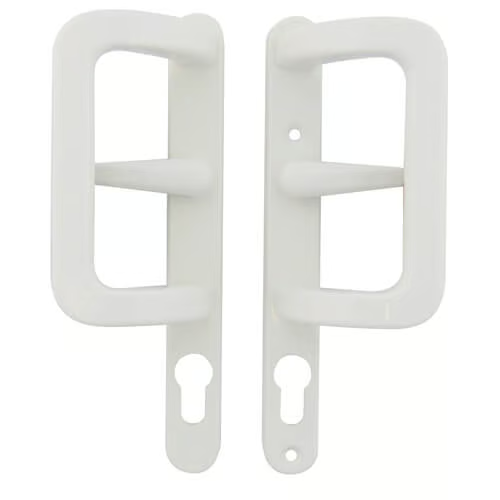
- Patio Door Handle Set - 92PZ White
- Winlock Patio Door Handle Set
- Pembroke Locking And Dummy Patio Door Handle
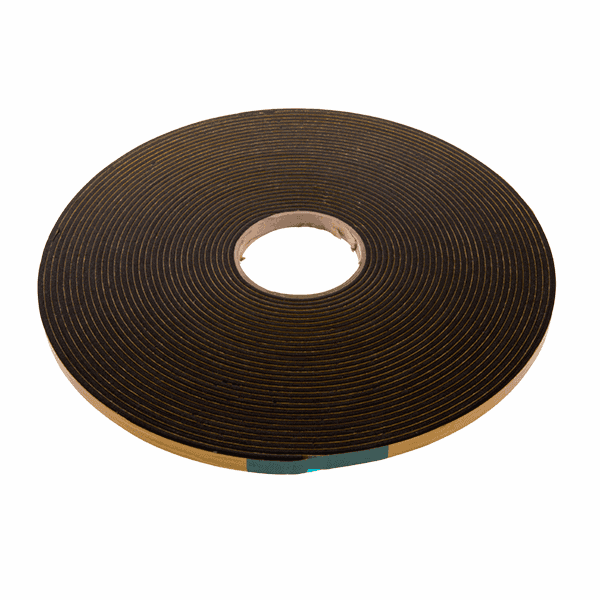
- Structural Glazing Tape - 20mm
- Security Glazing Tape
Conclusion and next steps
Selecting the right parliament hinge comes down to clearance needs, door weight, material and security requirements. Measure carefully, choose appropriate materials and coatings for the location, and use ball-bearing or additional hinges for heavy or frequently used doors. For more on hinge types, standards and installation techniques, visit our pillar resource: /guides/door-hinges. If you need specific product recommendations or technical datasheets contact our trade desk with door dimensions and usage details.