Parliament Hinge vs Standard Butt Hinge: Key Differences
Choosing the right hinge affects how a door or window looks, how it opens and how long it will last. A common question for UK homeowners and trade professi...
Choosing the right hinge affects how a door or window looks, how it opens and how long it will last. A common question for UK homeowners and trade professionals is when to use a parliament hinge rather than a standard butt hinge. This article compares the two, explains practical trade tips and gives DIY guidance to help you specify and fit the correct hinge for the job.
Parliament Hinge vs Standard Butt Hinge: Key Differences
What is a parliament hinge?
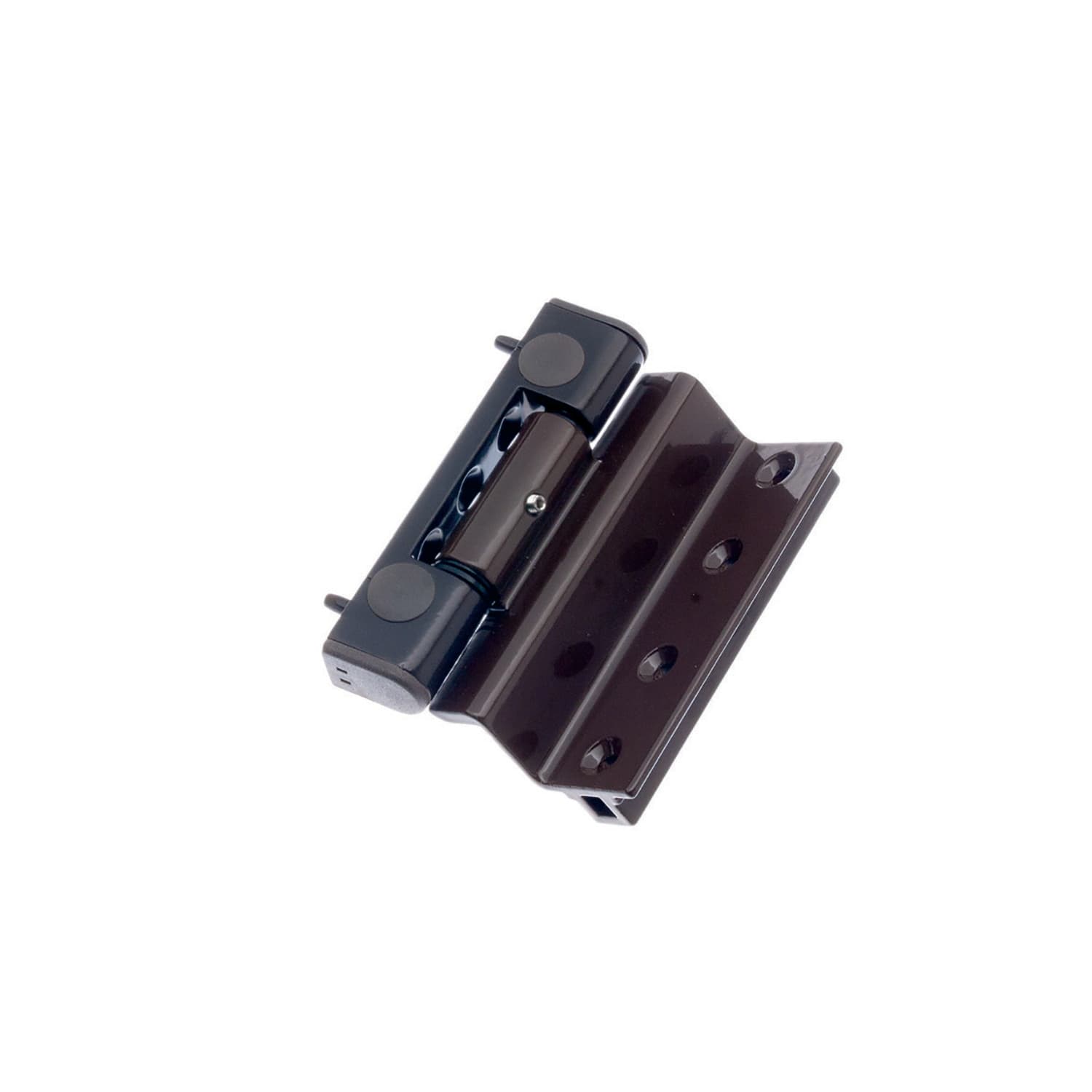
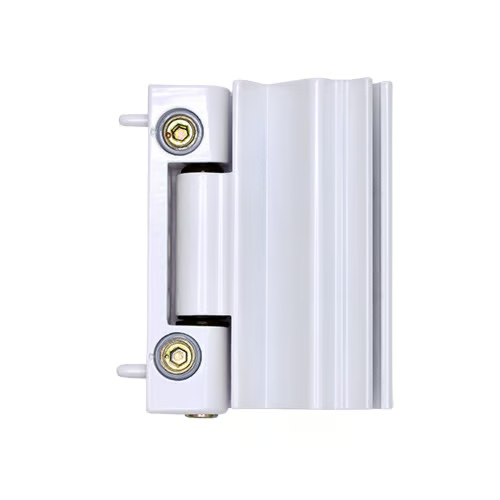
A parliament hinge is a type of butt hinge with an extended knuckle and an offset leaf; the design creates a wider gap between the door or window and the frame when open. That extra projection allows the door to clear skirting boards, architrave, casings or surrounding mouldings so the door can open fully, typically up to 180 degrees. Parliament hinges are commonly used on French doors, outward-opening exterior doors, and some casement windows where clearance is required.
What is a standard butt hinge?
A standard butt hinge is the traditional pair of leaves joined by a central pin; the leaves sit flush into mortices cut into the door and frame. Butt hinges are compact and unobtrusive when the door is closed. They are the default choice for many internal doors and are available in variants such as plain, ball-bearing and rising butt hinges for different performance needs.
Key differences
- Projection and clearance: A parliament hinge provides increased offset so the door or window clears skirting and architrave; a standard butt hinge keeps the door close to the frame and will not clear deep mouldings without trimming.
- Range of movement: Parliament hinges are designed to allow a greater swing; this is useful for French doors and where a flush opening is required. Standard butt hinges typically allow 90 to 180 degrees depending on type, but without the extra offset.
- Installation method: Both can be morticed; parliament hinges often require deeper or different-shaped recesses to accommodate the knuckle. Some parliament hinges are also available non-mortice or surface-mounted for retrofit work.
- Load capacity: Standard butt hinges come in heavy-duty ball-bearing versions for heavy doors. Parliament hinges are available in robust forms too, but you must select the correct size and material for the load; heavier doors may need three hinges regardless of type.
- Aesthetics: Butt hinges are low-profile and blend with flush designs. Parliament hinges are more conspicuous because of their larger knuckle and projection; they suit traditional or functional styles where the clearance benefit matters.
- Security: For external doors, choose hinges with non-removable pins or security studs; this is possible for both hinge types. Always use fire-rated and certified hinges where building regulations demand them; parliament hinges are less likely to be the first choice for certified fire doors unless specifically tested.
- Materials and finishes: Both are available in brass, stainless steel, steel (various plated finishes) and powder-coated options. For external use, stainless steel or corrosion-resistant finishes are recommended.
When to use each hinge: practical advice
- Use a parliament hinge where you need the door to clear skirting, architrave or exterior stonework without trimming: common for French doors that open past the frame or for full-width casements.
- Use standard butt hinges for internal doors, standard external doors with simple rebates and where a flush look is preferred.
- For heavy external doors choose ball-bearing butt hinges or equivalent heavy-duty parliament hinges; fit three hinges for doors over 40kg or when specified by the door manufacturer.
- For retrofit jobs where morticing is undesirable, look for surface-mounted parliament hinges or lift-off butt hinges to simplify installation.
DIY fitting and trade tips
- Select the correct size and number: Check door weight and height. Typical domestic hinge sizes are 75mm to 100mm for internal doors and 100mm to 150mm for external. Use at least three hinges on tall or heavy doors.
- Choose materials suitable for the location: Use stainless steel or corrosion-resistant finishes for exposed or coastal sites. Brass may suit decorative internal doors but is softer for heavy use.
- Use long screws into the frame: Fit at least one long timber screw (60mm or more) through the hinge into a solid frame or packing block to support the load; short screws into thin jambs will fail over time.
- Mortice accurately: Mark hinge positions precisely, chisel or rout the mortice to the correct depth so the leaf sits flush. For parliament hinges, allow extra depth for the larger knuckle; test fit before fixing.
- Pre-drill and countersink: Always pilot drill screw holes and countersink for a neat finish and to avoid splitting timber, especially near the edge of doors.
- Pack and adjust: Use thin shims or packers to adjust the reveal and to level the door during installation. Parliament hinges can be useful to correct for frames that are out of square without trimming the door.
- Security and fire compliance: Use non-removable pins for external doors and follow building regulations for fire doors; certified hinges and intumescent strips may be required. Consult the door manufacturer or a qualified surveyor if in doubt.
- Maintenance: Lubricate hinges periodically, tighten screws and inspect for corrosion; replace worn hinges promptly to prevent sagging and damage to frames.
Common pitfalls to avoid
- Installing a parliament hinge where it is not needed and then finding the hinge protrudes or clashes with a threshold; measure clearance carefully first.
- Using undersized screws or insufficient fixings on external doors; this reduces security and shortens hinge life.
- Assuming all parliament hinges are suitable for fire doors; only use tested and certified hardware for fire-rated installations.
- Not checking for reverse-hand or left/right handing; order the correct handing for a neat fit and correct operation.
Recommended Products
Based on this article, you may find these products helpful:
- Top-Hung Window Hinge - Standard
- Side-Hung Window Hinge - Standard
- Flag Door Hinge - Stainless Steel
- ERA Challenger 3D Rebated Hinge
- Challenger Door Hinge
Conclusion and next steps
Both parliament hinges and standard butt hinges have clear roles: parliament hinges where clearance and full opening are needed; butt hinges where a compact, flush fit is preferred. For trade professionals, specify hinge size, material and certification to match door weight, use and regulatory requirements. For DIYers, measure, choose corrosion-resistant finishes for external use, pre-drill and use long frame fixings.
Next steps: check the specifics of your door or window (weight, thickness, reveal), consult product datasheets and the Window Hardware Store pillar page at /guides/door-hinges for more detailed spec tables and fitting templates, or contact our trade counter for advice on suitable parliament hinge models and security options.