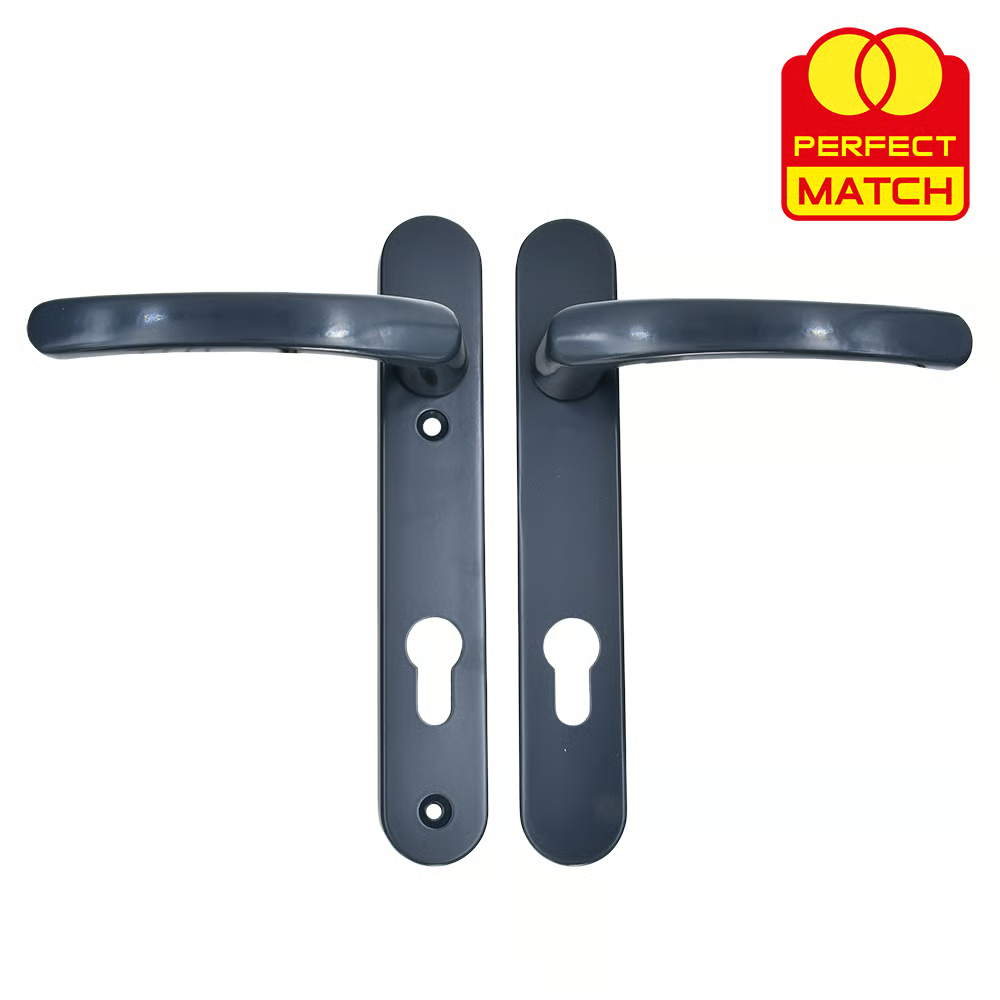
PAS24 Door Handles: Why Security Certification Matters
Choosing the right hardware for a door is about more than looks; it is about safety, insurance compliance and long-term performance. For tradespeople specifying doors and for DIY enthusiasts fitting t...
Choosing the right hardware for a door is about more than looks; it is about safety, insurance compliance and long-term performance. For tradespeople specifying doors and for DIY enthusiasts fitting their own, a PAS24 door handle is a key component in meeting recognised security standards for external doors. This guide explains what PAS24 certification means, why a PAS24 door handle matters, how to choose the right product and practical considerations for installation and maintenance.
What PAS24 certification actually means
PAS24 is a British standard that sets minimum requirements for the performance of doors and windows subject to forced entry. When a product is described as a PAS24 door handle, the handle has been tested as part of a door assembly or meets security criteria for resisting physical attack. The standard examines strength, durability and resistance to manipulation by common burglary methods.
Key aspects of PAS24 testing include:
- Mechanical strength and endurance: repeated operation under load.
- Resistance to lever and tool attacks: tests mimic common forced entry techniques.
- Security of fixings and spindle: ensuring the handle cannot be easily removed or defeated.
- Integration with locks and cylinders: tested assemblies demonstrate whole-door performance.
Why a PAS24 door handle matters to tradespeople and homeowners
For tradespeople, specifying PAS24 components reduces the risk of failure on site and helps meet building regulations and insurer requirements. For homeowners, a PAS24 door handle offers measurable improvements in security compared with untested or low-quality hardware.
Benefits include:
- Proven resistance to forced entry: independent testing gives confidence in performance.
- Better insurance acceptance: insurers often favour doors with PAS24-rated components.
- Longer-term value: robust handles reduce call-backs and maintenance visits.
- Enhanced reputation for installers: specifying certified products demonstrates professionalism.
How PAS24 door handle testing affects specification choices
When specifying a PAS24 door handle, consider the entire door assembly. A certified handle is most effective when used with a compliant door frame, lock cylinder and multipoint lock. Tradespeople should ask manufacturers for test certificates and evidence that the handle was included in recognised test assemblies.
Practical specification checklist:
- Request the test report or certificate for the PAS24 door handle and the door assembly.
- Confirm compatibility with the chosen lock cylinder; anti-snap cylinders improve overall security.
- Specify stainless steel or high-grade alloys for coastal or high-use environments.
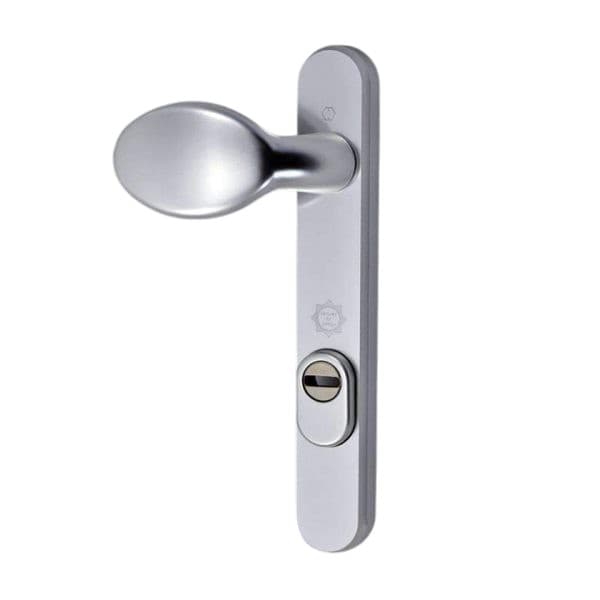
- Consider handle design: lever-operated handles must resist leverage and have secure backplates.
Installation tips for meeting PAS24 performance on site
Even the best PAS24 door handle will underperform if fitted incorrectly. Follow these installation pointers to maintain the integrity of the certification and ensure long-term reliability.
- Check door and frame: ensure they are square, plumb and compatible with the handle fixings.
- Use correct fixings: countersunk bolts, security screws and reinforced backplates may be required.
- Align spindles and centres accurately: poor alignment causes premature wear and reduces resistance to attack.
- Seal and weatherproof: prevent moisture ingress around fixings which can corrode components.
- Test operation: cycle the handle and lock multiple times to verify smooth action and correct engagement.
Choosing the right PAS24 door handle for the job
There is a wide range of PAS24 door handles on the market. Selection depends on the door type, location and end-user needs. Consider the following factors when choosing a PAS24 door handle:
- Material and finish: brushed stainless, powder-coated aluminium and PVD finishes offer different durability and aesthetic options.
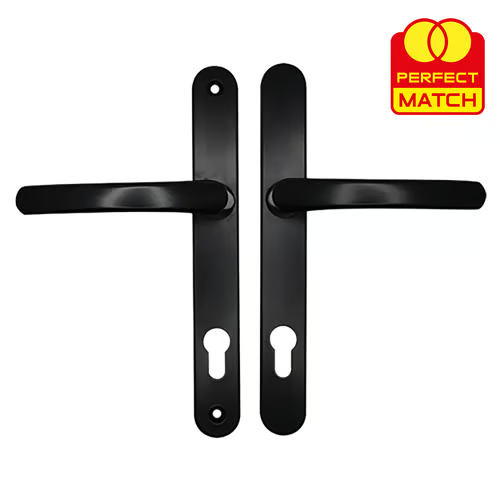
- Type of handle: lever–lever, lever–pad, pull handles and espagnolette-operated handles each suit different doors.
- Security features: anti-snap, anti-drill and reinforced fixings add layers of protection.
- Accessibility: compliant handles for disabled access should meet relevant regulations such as Part M; check ease of use for all occupants.
- Guaranteed performance: choose products from reputable manufacturers offering warranties and after-sales support.
Maintenance and aftercare to preserve PAS24 performance
Maintaining a PAS24 door handle is straightforward but important. Routine checks and small interventions extend service life and keep security levels high.
- Inspect annually: check fixings, spindle wear and corrosion.
- Lubricate moving parts: use lock-friendly lubricants on the spindle and latch mechanism; avoid heavy grease that attracts dirt.
- Replace worn components swiftly: backplates, fixings and cylinders should be replaced if damaged.
- Keep records: for ongoing projects or warranty claims, retain purchase and installation details demonstrating correct specification and fitting.
Conclusion: A PAS24 door handle is more than a label; it is a practical assurance that your chosen hardware has been tested against realistic attack methods and meets a recognised security benchmark. For installers, specifying PAS24 components lowers risk and supports compliance; for homeowners, fitting a PAS24 door handle is an effective step towards a more secure property. Always consider the complete door assembly, follow proper installation practices and maintain the hardware to preserve the certification benefits over the life of the door.
Related Reading
Explore more guides on related topics:
- Anti Arson Letterbox: How Fire-Resistant Letterboxes Protect Your Home
- How to Replace a uPVC Door Lock: Step-by-Step DIY Guide
- Upvc Door Hinges Replacement
Recommended Products
Based on this article, you may find these products helpful:
Part of our guide:
Complete Guide to Door Handles